


George III Silver Servers
George iii silver servers are substantial dining accessories forged in sterling silver during the Georgian era to elevate formal table service.
George III Silver Servers
When you search for george iii silver servers, you encounter functional tableware designed to manage hot liquids, meats, and condiments at the dining table. These pieces originated during the Georgian period and span the eighteenth and nineteenth centuries.
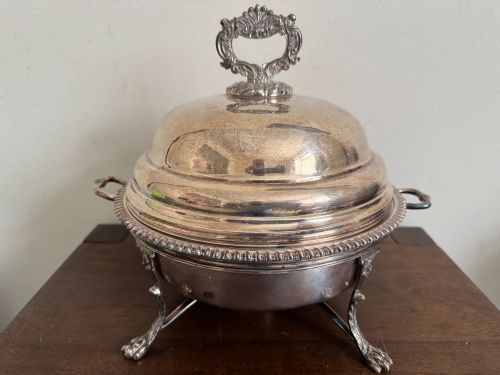
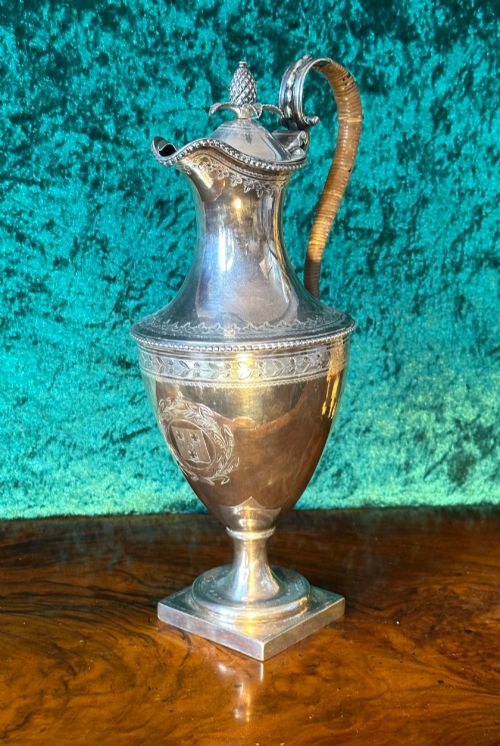
The objects on this page include salad servers, serving tongs, fish slices, cake servers, soup ladles, and toddy ladles. Alongside these dedicated servers, related serveware such as coffee pots, mustard pots, supper dishes, and tureens appear frequently.
Most examples hail from London silversmiths, though regional centres such as Newcastle and Scottish workshops also contributed distinct pieces to the historical record. Collectors look for these items to complete period dining settings or to utilise authentic silver at the table.
How they were made
Makers shaped sterling silver through hammering, casting, and piercing to achieve the desired rigidity and decorative effect. Handles sometimes incorporated materials such as wood, wicker, horn, or whalebone to provide contrast and insulation during use.
Surface ornamentation relied on hand-engraved crests, crisp piercing work, and occasional silver gilt highlights. Old Sheffield plate also appears as an alternative base metal technique for larger vessels like coffee pots and tureens.
Silversmiths marked their output with punch stamps recording town marks, date letters, and maker initials, grounding each implement in its specific year of production.
Several toddy ladles feature twisted whalebone handles, offering a tactile reminder of historical whaling trades at the dinner table.
What varies in quality
The distinction between standard utility items and finer creations rests upon the weight of the metal and the depth of the silversmith's handwork. Substantial gauge silver resists bending during heavy serving tasks, whereas thin metal yields too easily under pressure.
Pierced designs show variation in the precision and complexity of the cutouts, with superior examples maintaining clean edges and balanced symmetry. Engraved crests and family arms executed by skilled heraldic engravers elevate the status of individual pieces.
Maker reputation heavily influences standing, as marked pieces by known silversmiths demonstrate superior proportion and finish compared to unmarked workshop output.
John McDonald·Wilkes Booth·Robert Hennell I·Thomas Daniell·William Bennett
The George III Silver Servers Glossary
- Sterling silver
- An alloy comprising a high proportion of pure silver mixed with small amounts of other metals to ensure durability for tableware. This standard forms the basis of most items found in the georgian period.
- Silver gilt
- Sterling silver that has been coated with a thin layer of gold through a chemical or electrochemical process. This treatment added rich colour to the interior bowls of mustard pots and serving vessels.
- Old Sheffield plate
- An early form of plated metal created by fusing a thin sheet of silver to a thicker copper core. Makers utilised this method to produce larger serving vessels at a lower cost than solid silver.
- Toddy ladle
- A small serving implement featuring a bowl attached to a long handle, often made with organic elements like horn or whalebone. These were used to ladle hot punch or toddy into drinking glasses.
- Fish slice
- A wide, flat server designed for portioning fish at the dining table, frequently decorated with pierced geometric or floral motifs. The blade allowed fluid to drain as the portion was lifted.
George III Silver Servers: Frequently Asked Questions
What are george iii silver servers used for?
These implements were created to serve specific foods and beverages at formal Georgian dining tables. They handled everything from soup and fish to salad and hot toddy.
Today, collectors use them both as decorative display items and as functional tableware for contemporary dinner parties.
How do I identify a genuine piece?
Authentic pieces carry hallmarks stamped directly into the metal, indicating the assay office, the year of production, and the silversmith's mark. These stamps provide a reliable paper trail for dating.
Stylistic cues such as hand-engraved crests and traditional Georgian forms further support the historical attribution.
Can I use antique silver servers daily?
Sterling silver is a durable metal designed for practical use, making many of these servers suitable for modern dining. Hand washing with mild soap protects the antique surface and prevents damage.
Avoiding abrasive cleaners preserves the engraved details and the natural patina built up over centuries.
What materials accompany the silver?
While the primary metal is sterling silver, handles on certain items incorporate organic materials like wood, wicker, horn, or whalebone. These additions provided comfort and insulation.
Some larger serving pieces also utilise Old Sheffield plate as a base material instead of solid silver.