

Georgian Period Accent Table
A georgian period accent table brings architectural proportion and rich timber grain to any interior.
Georgian Period Accent Table
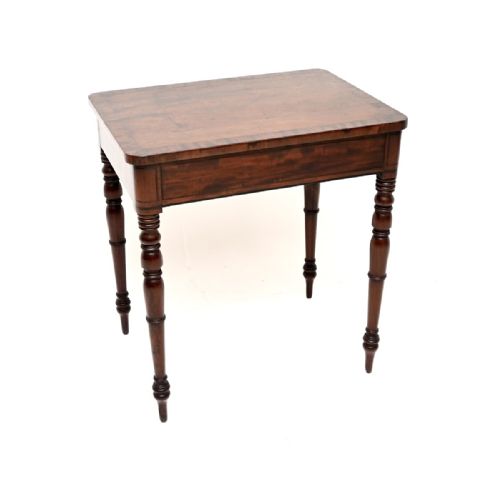
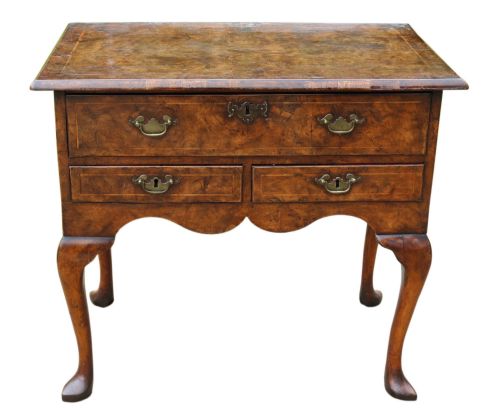
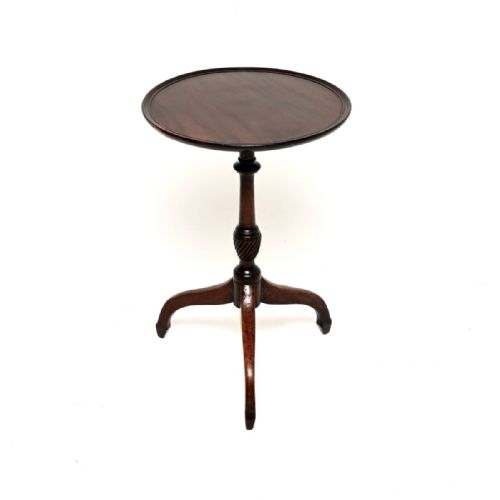
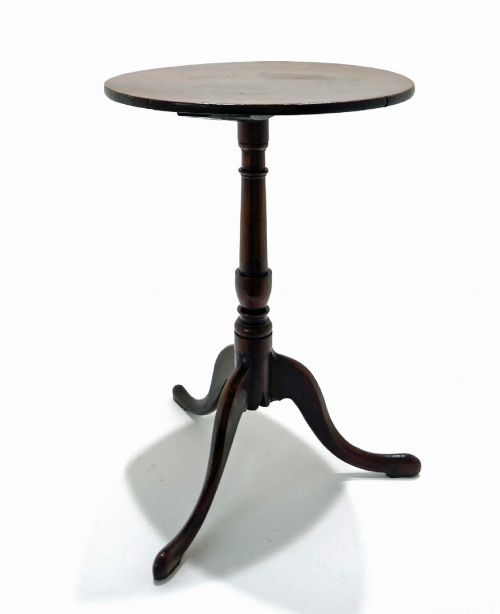
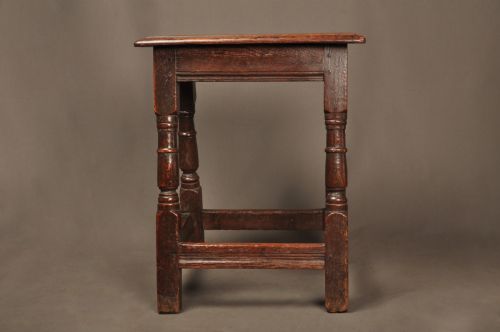
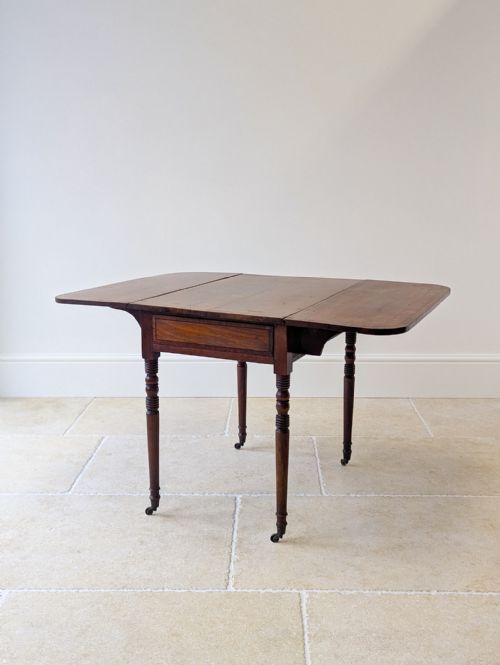
A georgian period accent table encompasses versatile small furniture pieces designed for functional service throughout domestic interiors during the eighteenth and early nineteenth centuries. These items include side tables, occasional tables, pembroke tables, lowboys, and tripod tables originating from Georgian, Regency, and related periods. Buyers frequently encounter solid oak and mahogany examples spanning vernacular country pieces to sophisticated metropolitan furniture.
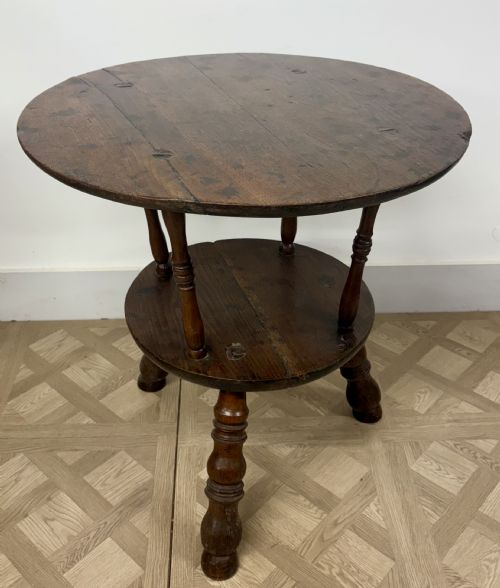
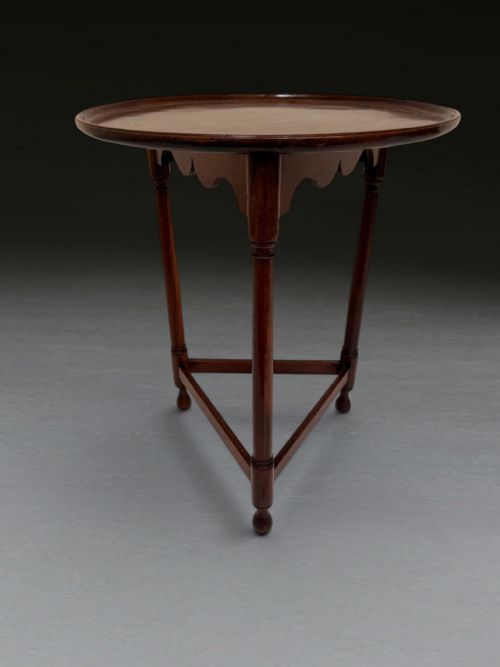
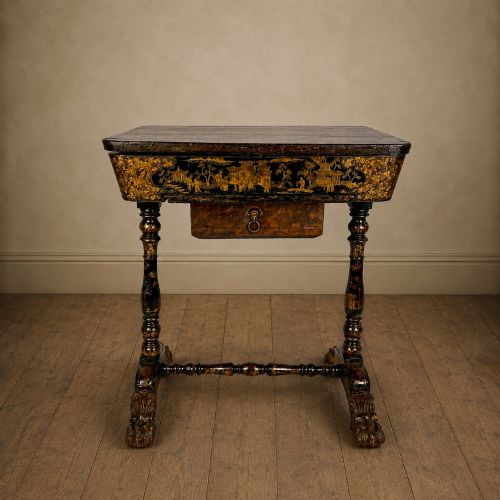
The selection ranges from sturdy oak cricket tables and lowboys dating to the early eighteenth century to refined George III and Regency tripod, drop-leaf, and writing tables. Regional English and Welsh examples sit alongside exotic lacquer and satinwood work tables. Each piece reflects the specific domestic requirements of its era, from tea service to needlework and correspondence.
Materials and Construction
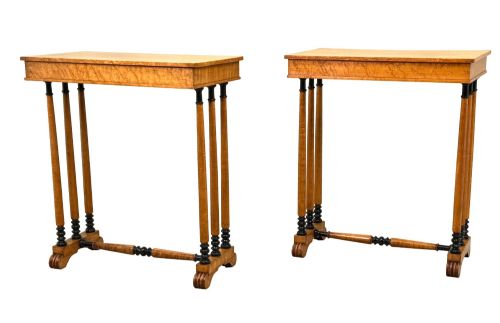
Cabinetmakers utilised dense hardwoods including mahogany, oak, walnut, and elm, often combined with secondary timbers like beech and pine for internal structure. Selected veneers such as burr elm, birdseye maple, and satinwood provided decorative surfaces on fine pembroke and work tables. Solid construction methods involved pegged joints, dovetailed drawer construction, and sophisticated birdcage or tilt-top mechanisms on tripod tables.
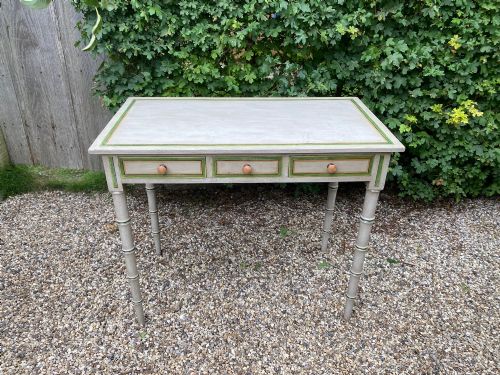
Surface decoration embraced natural timber polish alongside specialised techniques including black and gilt lacquer, painted faux bamboo, and marquetry. Brass hardware such as swing handles, castors, and drop pulls added functional detail to drawers and Pembroke flaps. Turned legs, slender columns, and shaped aprons defined the structural silhouette of each form.
The listings span mahogany, oak, walnut, satinwood, lacquer, and painted wood across the eighteenth and nineteenth centuries.
Distinctions in Execution
The distinction between standard domestic utility and superior craftsmanship rests in the selection of timber and the precision of joinery. Finer pieces display carefully matched grain patterns on table tops, refined turning on legs, and crisply carved details rather than plain functional execution. Original hardware and sound structural integrity significantly elevate the standing of an item.
Proportion and design sophistication separate simple vernacular examples from high-style metropolitan furniture attributed to major design idioms. Subtle refinements like shaped birdcage supports, elegant serpentine aprons, and uncompromised structural balance demonstrate the maker's mastery. Consistency in timber selection across primary and secondary parts indicates higher workshops.
The Georgian Period Accent Table Glossary
- Lowboy
- A small kneehole dressing table or side table with one or more drawers, popular during the early eighteenth century.
- Pembroke Table
- A small rectangular table with hinged drop flaps on either side, often fitted with a drawer.
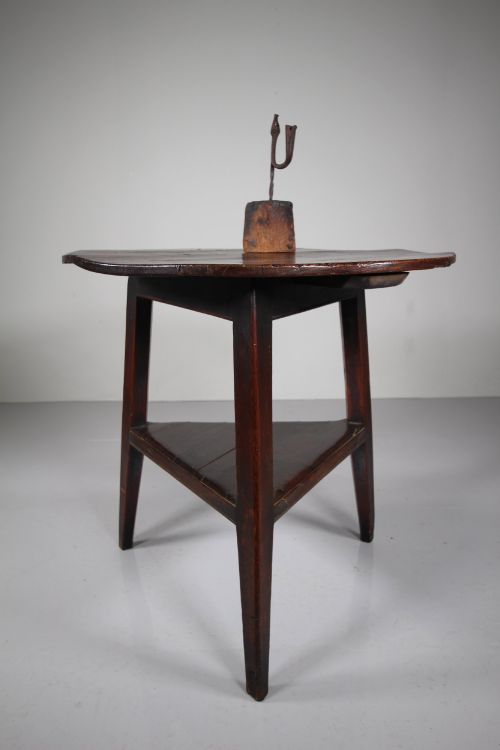
- Cricket Table
- A small, lightweight occasional table featuring a round wooden top supported by three splayed legs.
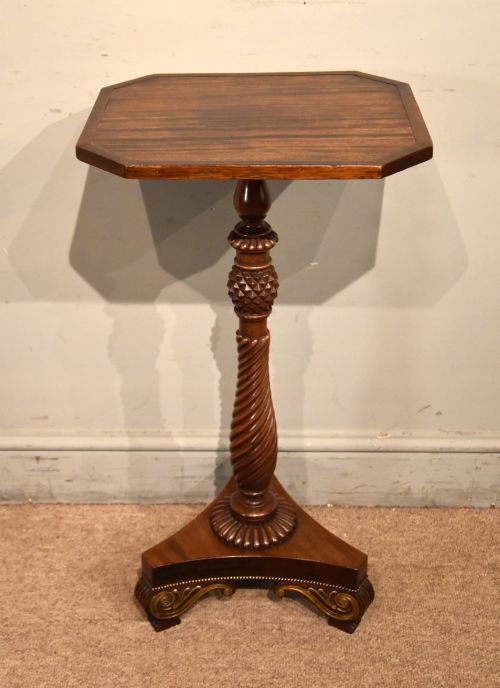
- Tripod Table
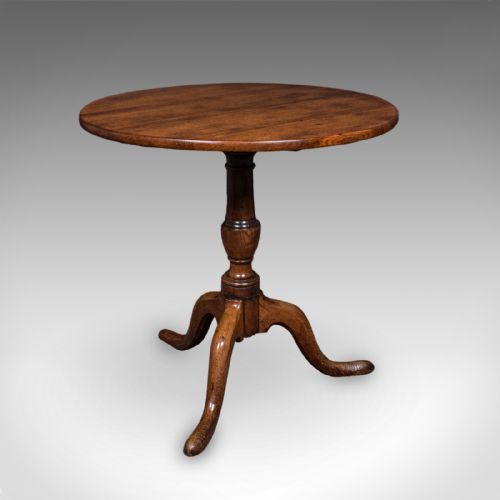
- A small table standing on a central pillar supported by three branching feet, frequently incorporating a tilt-top mechanism.
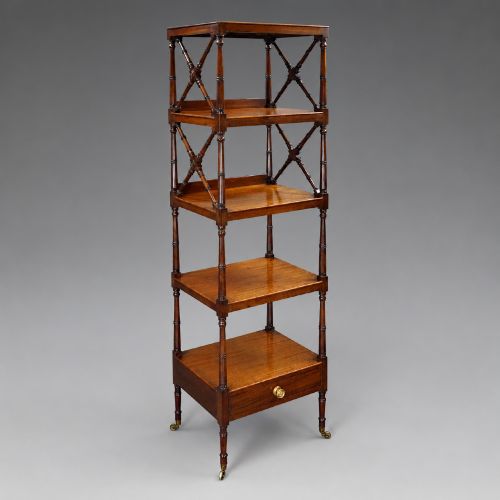
- Whatnot
- A piece of open shelving standing on legs, utilised for displaying ornaments or holding books.
Georgian Period Accent Table: Frequently Asked Questions
What is a cricket table?
A cricket table is a traditional three-legged occasional table with a circular wooden top, originally designed for stability on uneven floors.
These sturdy pieces typically feature simple oak construction and served diverse domestic functions in eighteenth-century households.
How do I use a lowboy?
A lowboy functions effectively as a compact side table, writing desk, or hallway surface for correspondence and keys.
Its shallow drawers provide convenient concealed storage while maintaining a low profile that fits narrow spaces.
How do I identify a tripod table?
A tripod table stands on a central column supported by three splayed feet, often incorporating a mechanism to tilt the top vertically.
This clever design allowed the table to be stored flat against a wall when not in active use.