
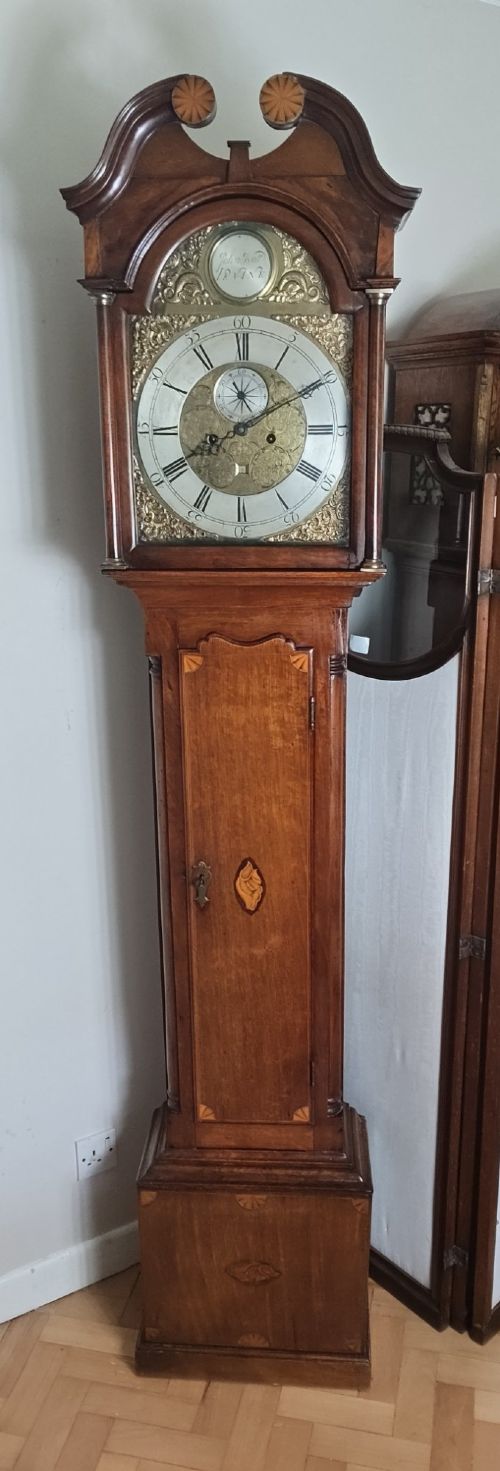
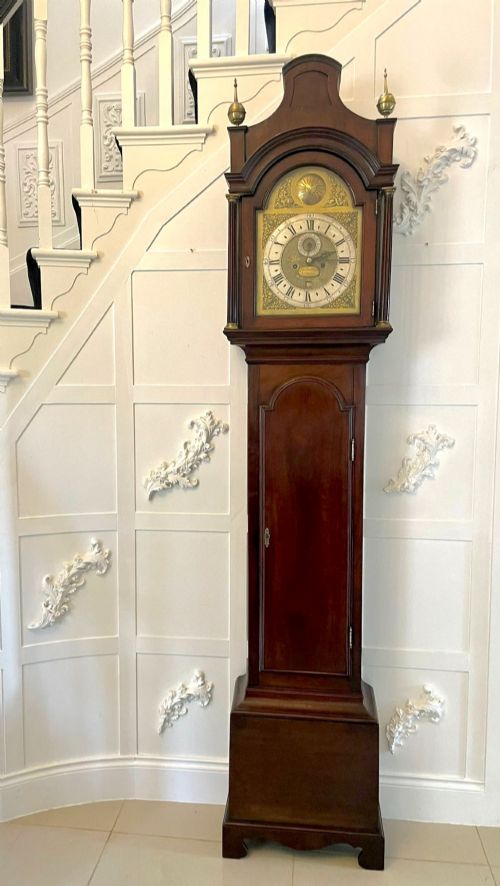
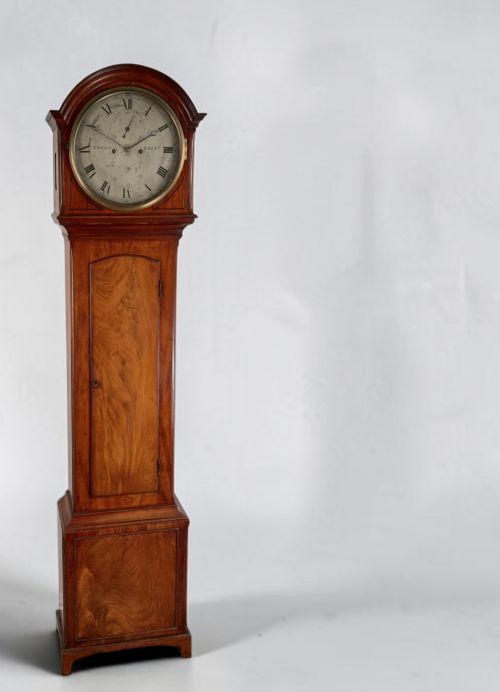
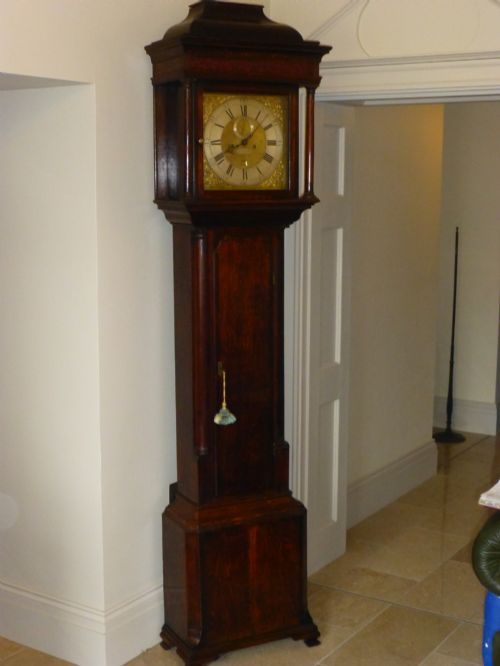
Georgian Pendulum Floor Clock
A georgian pendulum floor clock commands a room with its measured chime and steady swing, marking time through centuries of timber and brass.
Georgian Pendulum Floor Clock
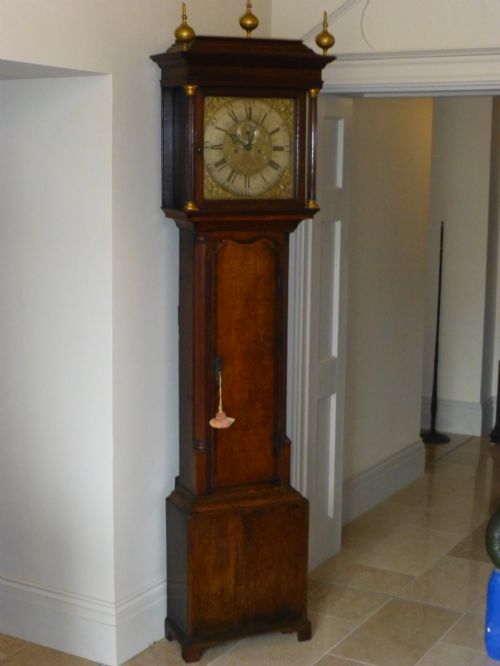
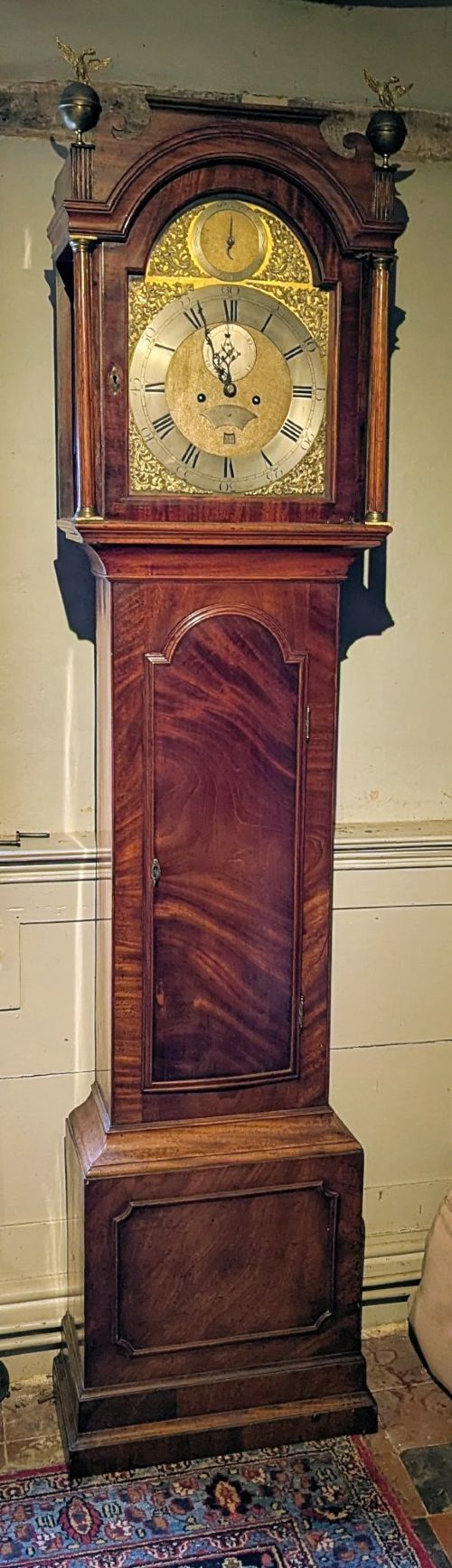
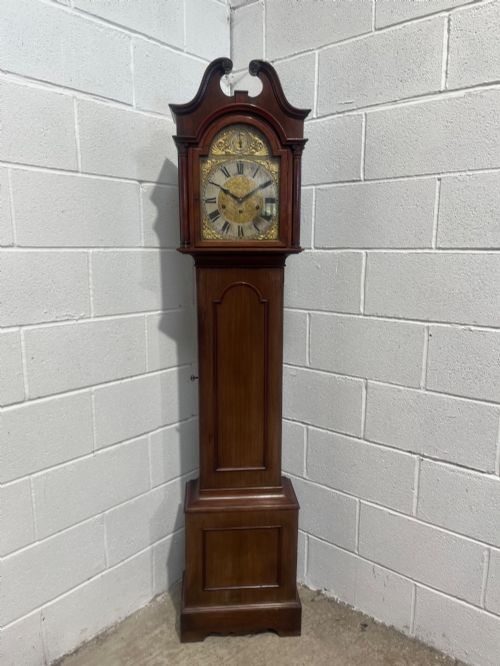
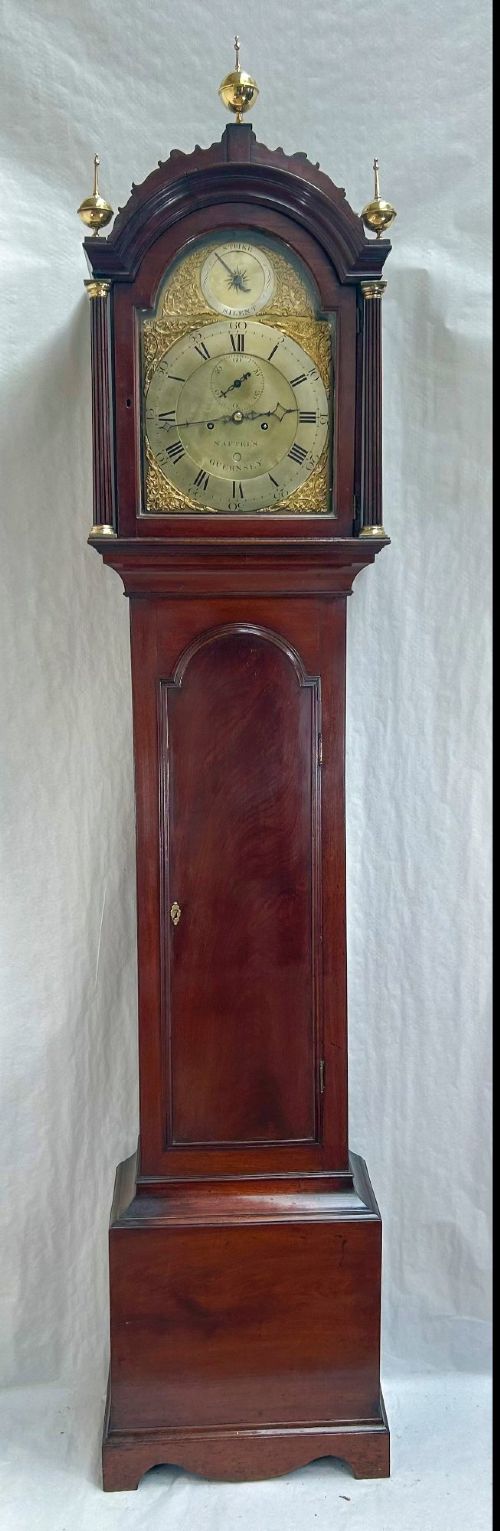
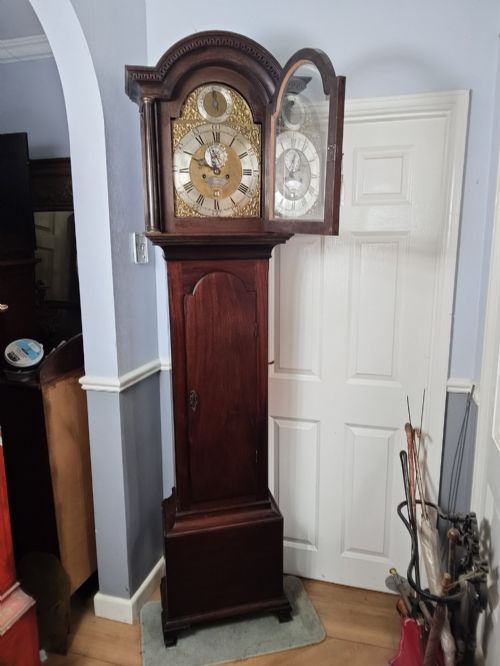
A georgian pendulum floor clock stands as a tall timber case housing a weight-driven movement and swinging pendulum. These pieces span longcase and grandfather configurations originating across English and Scottish workshops.
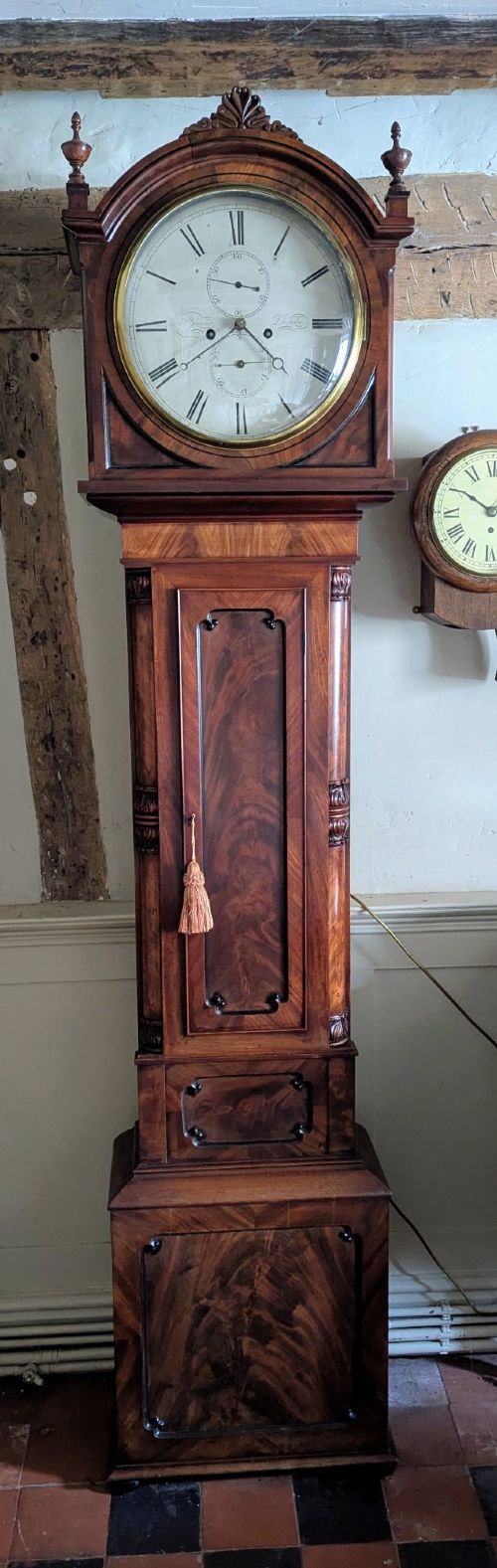
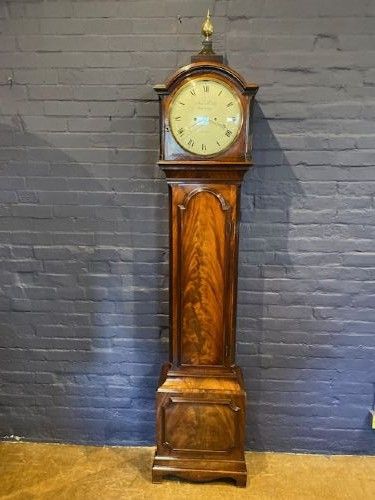
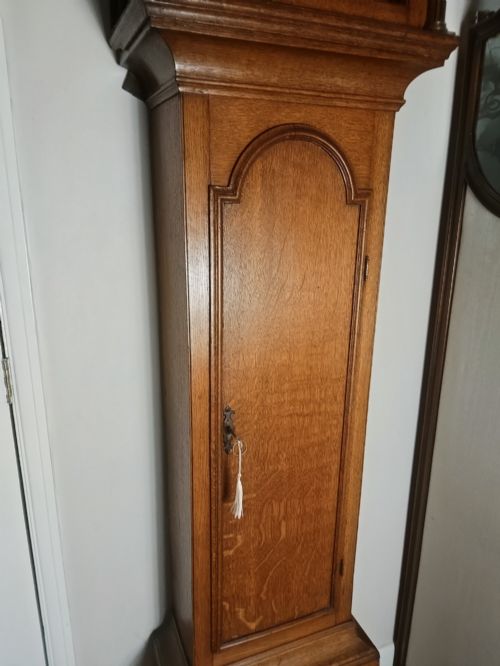
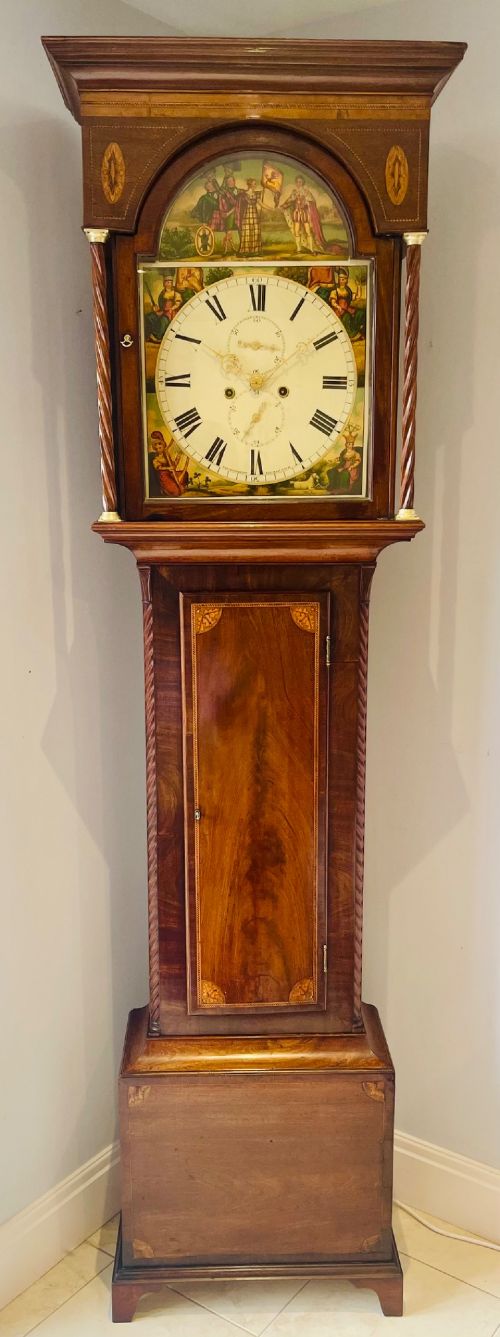
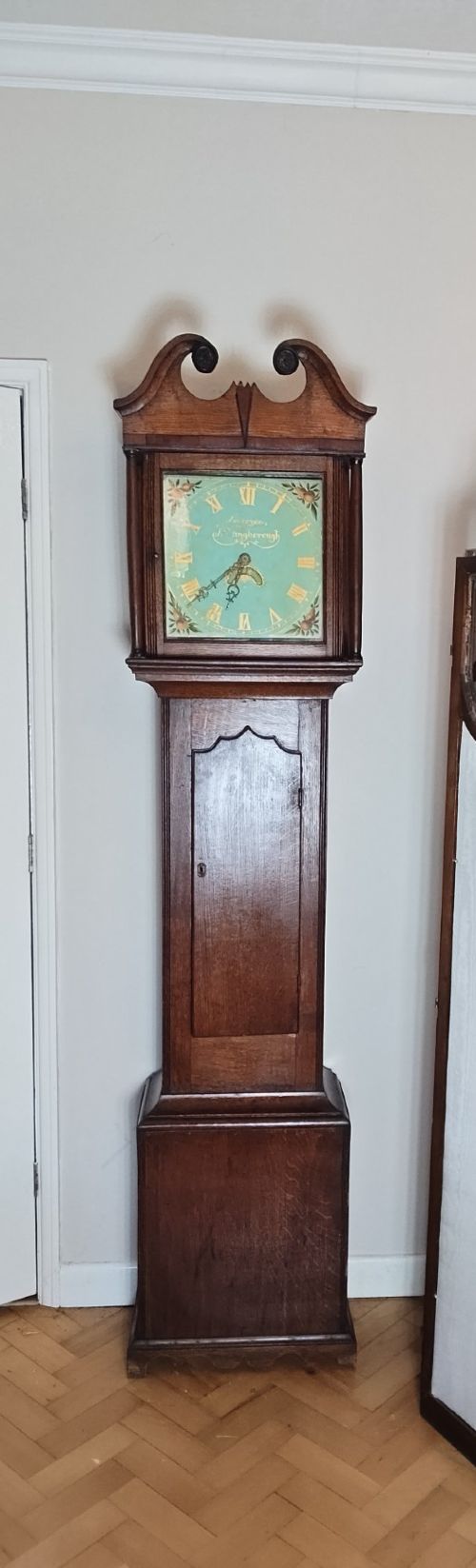
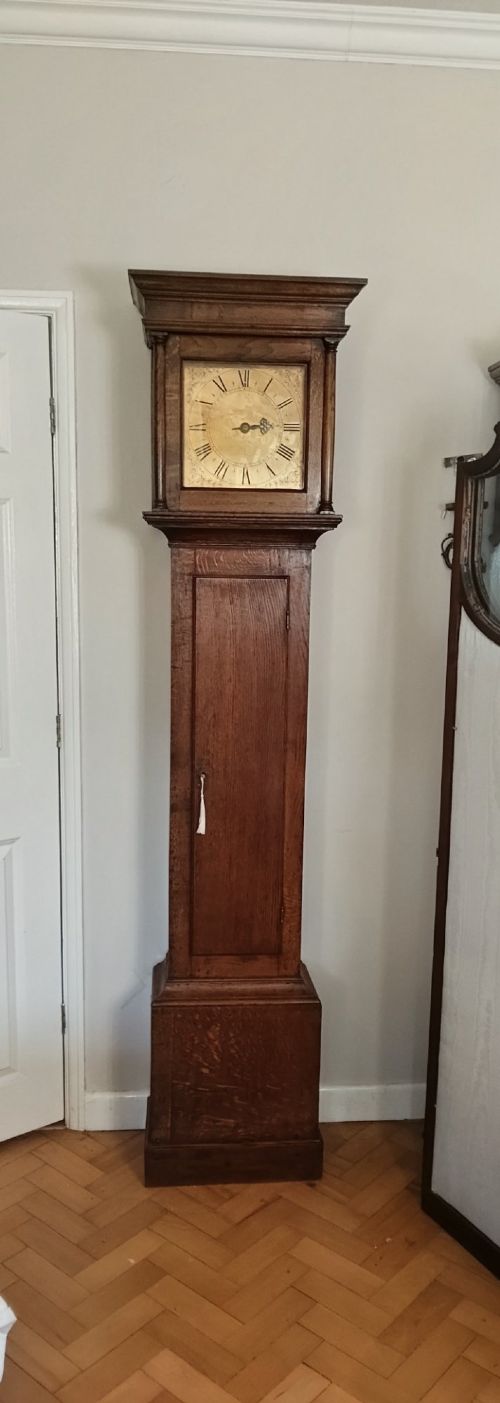
Oak and mahogany dominate the examples met here, stretching from early georgian periods through the eighteenth and nineteenth centuries. Regional variations include Scottish longcase clocks and smaller provincial editions with brass dials.
Makers integrated painted iron faces, moon phases, and strike-silent mechanisms into tall cases of varying proportions. The selection balances monumental London examples with compact country pieces.
Judging quality
Proportion and timber selection set the finer examples apart, where figured walnut or flame mahogany exhibits rich grain continuity across the door and base. Cabinet construction reveals itself in the crispness of mouldings, dial engraving, and the integration of the hood to the trunk.
Movement sophistication distinguishes standard eight-day pieces from complex musical or moon-phase mechanisms signed by notable makers. The marriage of an original dial and movement to its matching timber case determines the integrity of the piece.
Some provincial makers painted cheerful horses or domestic animals onto the iron dial arches alongside the moving moon phases.
Charles Shuckburgh·Richard Corless·Benjamin Taylor·George Hallifax·Edward Shepley
The Georgian Pendulum Floor Clock Glossary
- Longcase clock
- A tall pendulum clock housed in a wooden floor-standing case designed to protect the weights and pendulum. This term is synonymous with the grandfather clock.
- Chapter ring
- The metal ring on a clock dial that bears the hour numerals. It is often silvered and engraved.
- Moon phase
- A dial mechanism tracking the lunar cycle through a rotating painted disk showing the moon's age. This complication appears on better eighteenth and nineteenth-century dials.
- Strike-silent
- A mechanism allowing the striking train to be disengaged so the clock remains quiet at night. It is controlled by a small lever on the dial face.
- Paterae
- Small circular ornamental reliefs carved or inlaid into furniture surfaces. They frequently decorate the corners of georgian clock hoods.
Georgian Pendulum Floor Clock: Frequently Asked Questions
How do I wind an eight-day longcase clock?
Insert the winding key into the holes on the dial face and turn it gently until the weight rises near the top. Care must be taken not to overwind the movement.
Ensure the pendulum remains undisturbed during the process to keep the beat even.
What is the difference between oak and mahogany cases?
Oak cases typically reflect earlier provincial manufacture during the seventeenth and eighteenth centuries, offering a robust and rustic grain. Mahogany arrived later, favoured for urban London and Scottish pieces with polished reddish brown surfaces.
Both timbers require stable indoor humidity to prevent wood movement.
Why do some clocks have moon rollers?
Moon rollers track the phases of the lunar cycle for navigation and agricultural purposes. They feature two painted moons on a rotating disk behind an arched dial aperture.
This addition indicates a higher grade of movement commissioned by wealthy patrons.
How should I set up a floor clock?
Place the case on a level floor and anchor it securely to the wall using the bracket inside the hood to prevent tipping. Hang the weights and pendulum, then give the pendulum a gentle push to start the beat.
Adjust the regulating nut on the pendulum bob if the timekeeping runs fast or slow.