
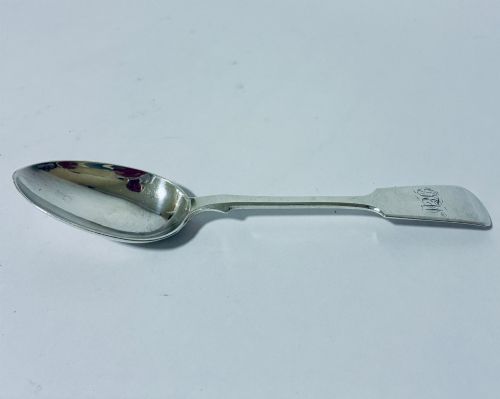
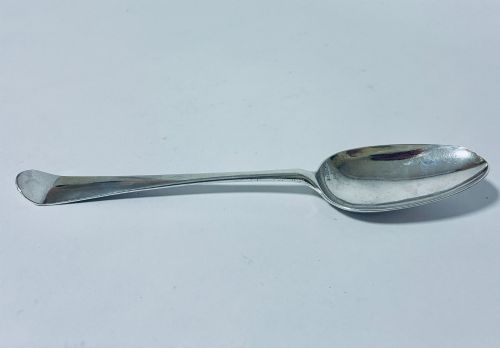
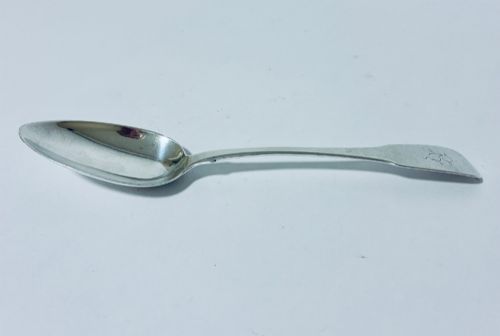
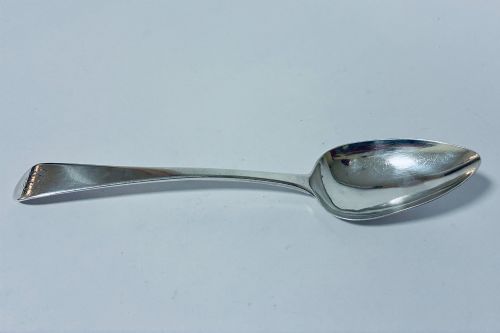
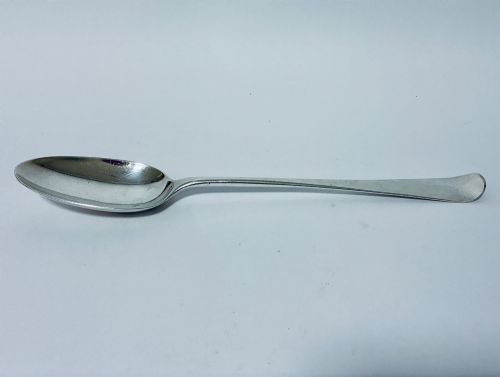
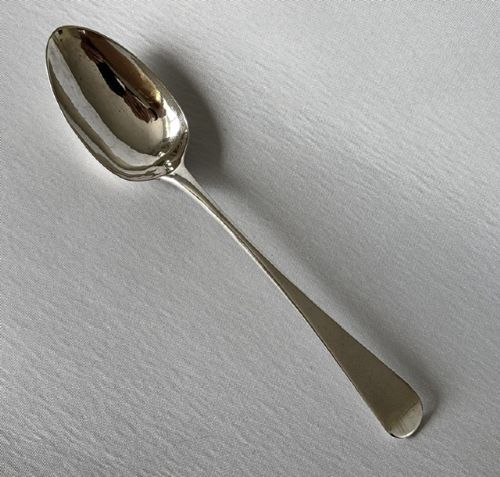
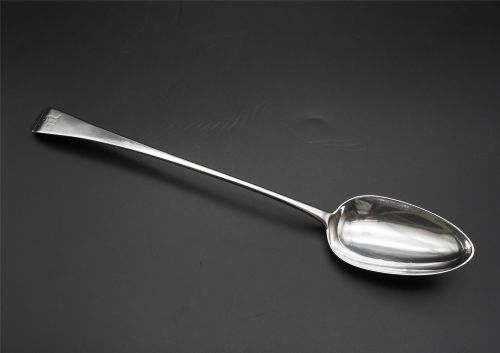
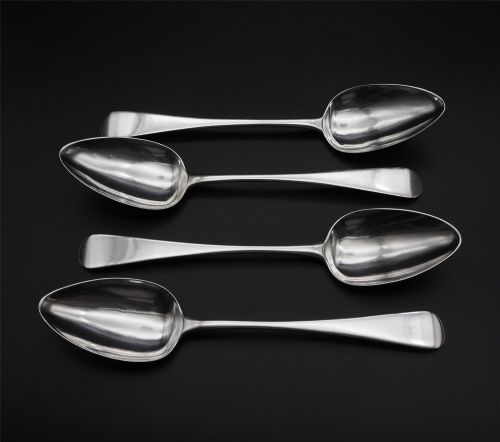

Georgian Pattern Silver Spoon
A georgian pattern silver spoon brings heft and functional design to the table, forged from solid silver across the eighteenth and nineteenth centuries.
Georgian Pattern Silver Spoon
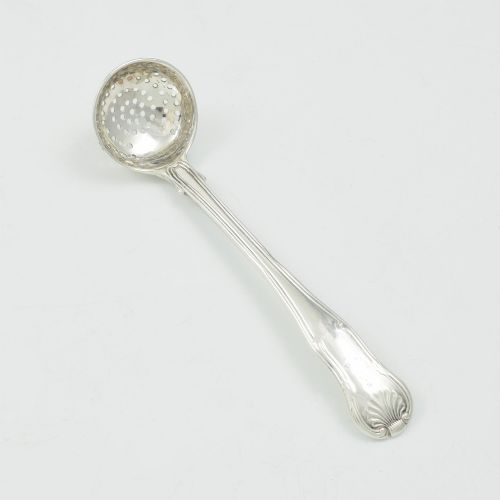
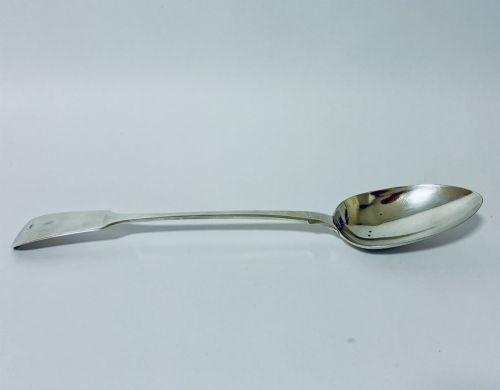
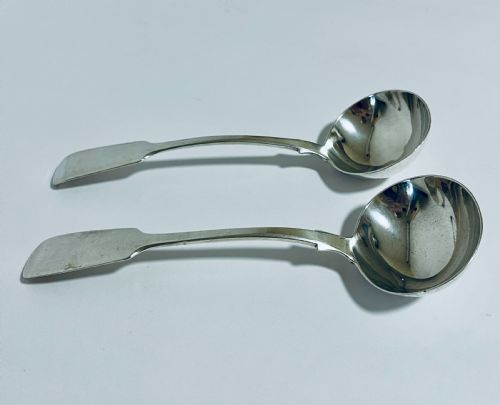
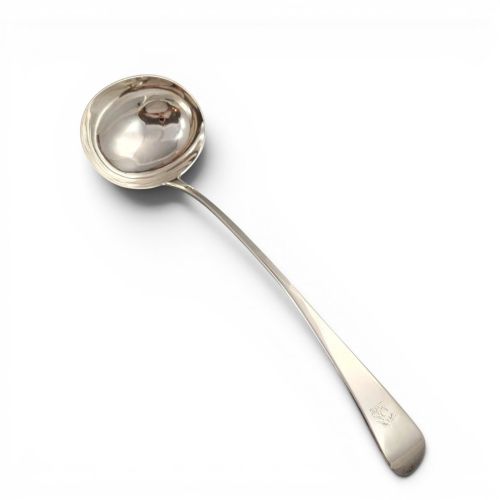
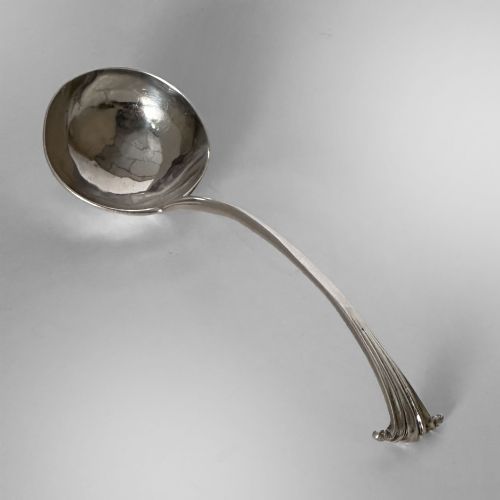
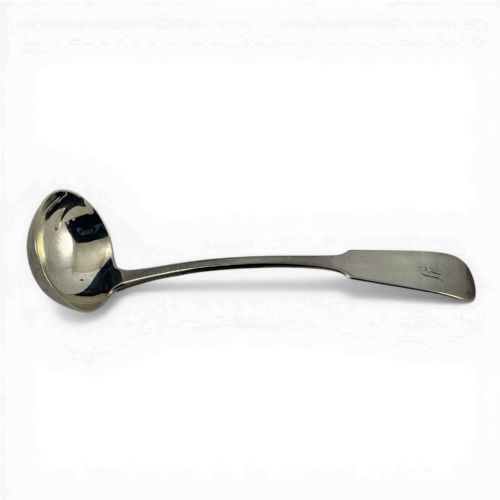
A georgian pattern silver spoon encompasses dining implements including tablespoons, serving spoons, basting spoons, ladles, and specialised caddy or sifter spoons. These items originate from periods spanning the eighteenth and nineteenth centuries, featuring styles from George I, George II, George III, and Victorian eras alongside provincial origins. Buyers will most frequently encounter serving spoons and tablespoons fashioned in solid or sterling silver.
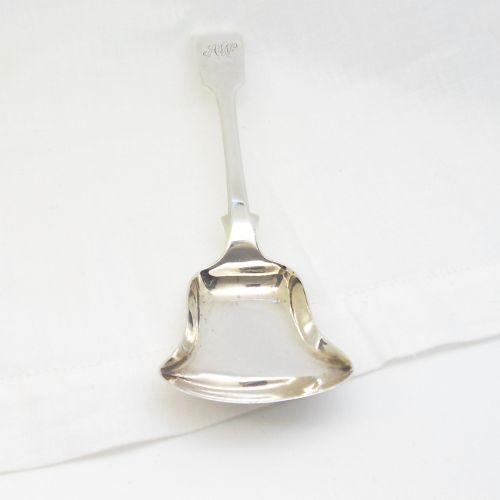
The regional variety among these implements is notable, with pieces bearing assay and provincial marks from London, Exeter, Newcastle, York, Dublin, and Scottish locations such as Inverness, Elgin, and Arbroath. Forms range from heavy hash spoons and soup ladles to delicate mustard spoons and sugar shovels. Each piece reflects the functional dining requirements of its period, from large basting utensils to personal table service.
What varies in quality
The distinction between standard examples and exceptional pieces rests upon the crispness of the maker's mark, the preservation of original bowl shape against wear, and the weight of the silver used. Heavier serving spoons, hash spoons, and soup ladles demonstrate superior initial material investment.
Maker reputation and regional origin elevate certain pieces, particularly those bearing marks from renowned silversmiths like Hester Bateman or scarce provincial makers. The survival of crisp chasing, engraved crests, and distinct pattern details like Onslow or King's Hourglass separates standard functional cutlery from notable pieces.
Some past Scottish households required massive hash spoons weighing over two hundred grams just to serve dinner.
Peter and Jonathan Bateman·John Walton·Hester Bateman·William Ferguson·James Tait·Jamieson and Naughton·Robert Gordon·Richard Rae
The Georgian Pattern Silver Spoon Glossary
- Basting spoon
- A large utensil designed for spooning juices over roasting meat. These are substantially longer than standard tablespoons.
- Rat tail
- A dorsal ridge running down the back of the spoon bowl where it joins the stem. This early structural feature reinforces the joint.
- Caddy spoon
- A small utensil specifically shaped for measuring dry tea leaves from a caddy. They often feature shovel bowls or shell motifs.
- Provincial mark
- Stamps applied by silversmiths working outside major assay offices like London. Towns such as Inverness and York used unique local symbols.
- Sifter spoon
- A pierced or perforated spoon used for dusting sugar over food. The bowl contains shaped slots or holes.
Georgian Pattern Silver Spoon: Frequently Asked Questions
What is a georgian pattern silver spoon?
A georgian pattern silver spoon is a dining or serving implement produced during the eighteenth and nineteenth centuries, encompassing styles from George I through to the Victorian era. These pieces are made from solid silver or sterling silver.
They include tablespoons, basting spoons, soup ladles, and condiment spoons, often bearing traditional patterns like Old English or Onslow alongside provincial hallmarks.
How do I identify provincial marks on spoons?
Provincial marks appear on the stem alongside maker initials, indicating manufacture outside London assay offices in towns such as York, Exeter, Newcastle, or Scottish burghs like Inverness.
These local stamps include town marks, maker marks, and regional symbols rather than standard London leopard heads, reflecting distinct regional silversmithing traditions.
What is the difference between a tablespoon and a basting spoon?
A tablespoon is a standard dining size intended for individual table use or general service. A basting spoon is significantly larger and longer, designed for kitchen or dining table meat preparation.
Basting spoons possess heavier gauge silver to withstand rigorous use in cooking and serving large joints of meat.
How should I care for antique silver spoons?
Antique silver spoons require gentle washing in warm soapy water followed by thorough drying with a soft cloth. Avoid abrasive cleaners that wear down hallmarks and fine surface detail.
Store them in tarnish-resistant linings or dry environments to preserve the natural patina developed over centuries of existence.