
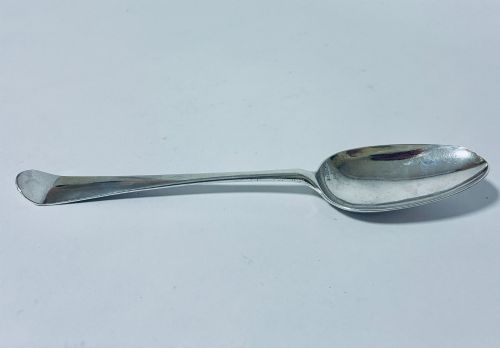
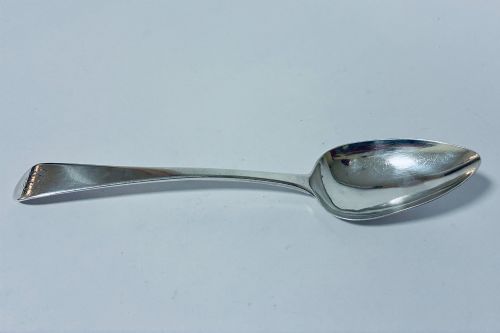
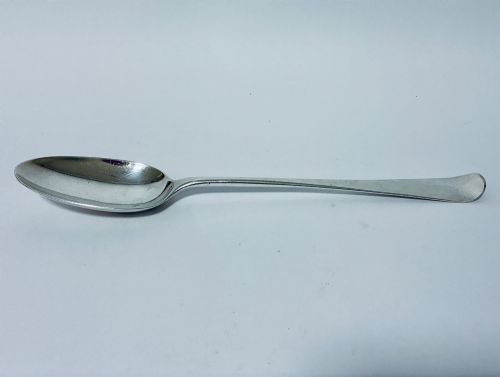
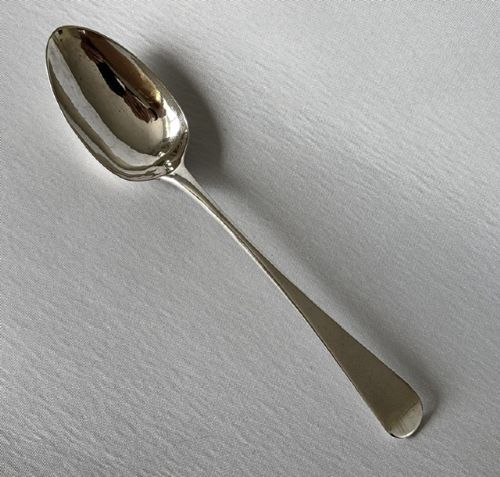


English Silver Serving Spoon
An english silver serving spoon brings heritage craftsmanship to the table, offering generous proportions and enduring metalwork for formal dining.
English Silver Serving Spoon
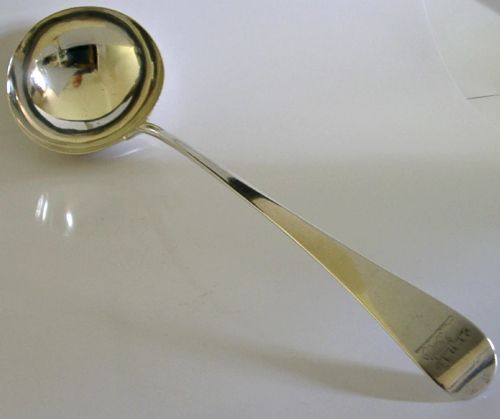
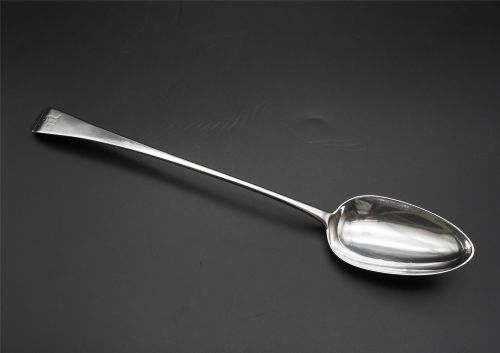
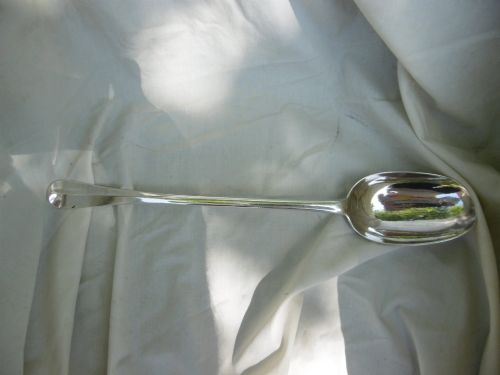
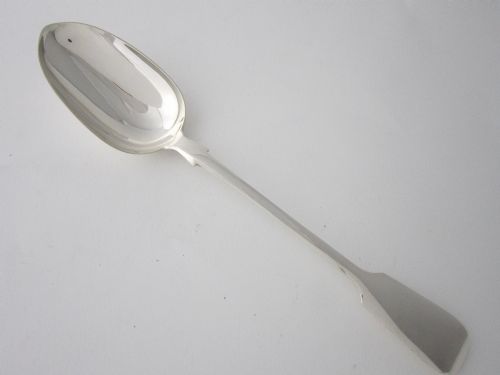
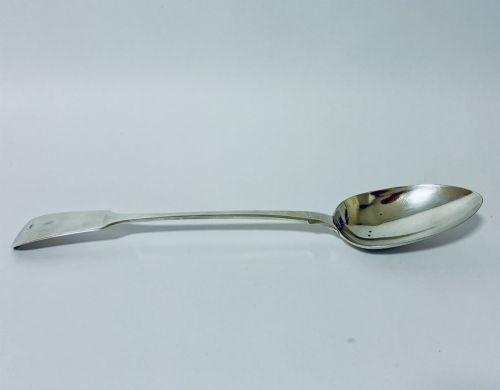
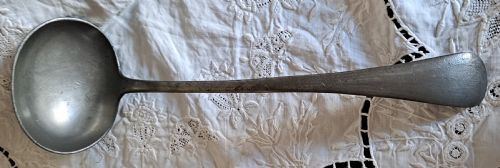
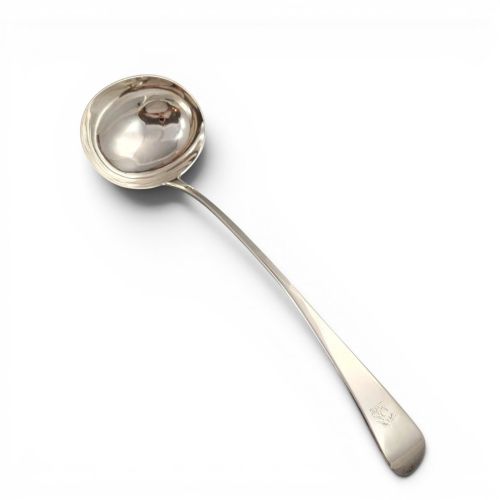
An english silver serving spoon encompasses large dining implements such as basting spoons, soup ladles, hash spoons, and gravy strainers designed for communal presentation. These pieces span centuries of British metalworking, originating from periods like the Georgian and Victorian eras.
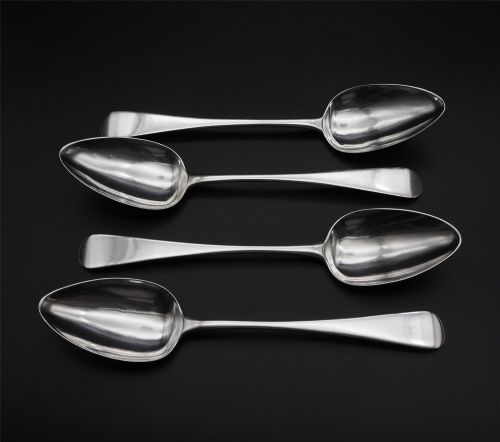
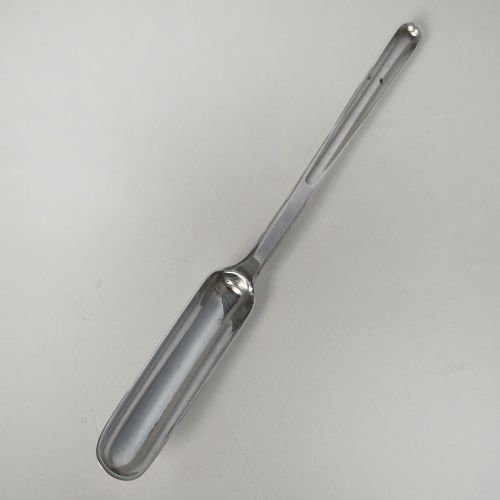
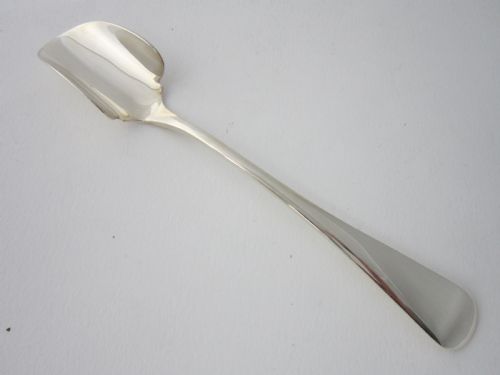
Buyers encounter various forms on this page, ranging from standard sterling silver flatware to specialised servers like marrow scoops, cheese scoops, and ice cream servers. Many examples hail from specific regional assay offices or bear distinct handle patterns such as Old English and Fiddle.
The selection reflects both domestic dining traditions and functional evolution, moving from early trefid and dognose designs to later Victorian berry spoons and cased sets. Each item serves as a tangible link to historical dining rituals.
Materials and Methods
Makers shaped these utensils primarily from sterling silver or standard silver, utilising durable metal to withstand regular use at the dining table. Some domestic alternatives appear in pewter, while specific presentation sets include wood, fabric, or leatherette components.
Silversmiths employed traditional hammering, casting, and piercing techniques to form bowls, handles, and straining mechanisms. Hallmark stamps pressed into the metal recorded the assay office, maker's mark, and date of production.
Certain spoons doubled as marrow extractors, proving that historical dining took rich foods very seriously.
Standards of Execution
Quality rests upon the crispness of hallmarks, the balance of the handle, and the preservation of original bowl dimensions against wear. Stronger examples retain their structural integrity and clear engraving without excessive thinning of the metal.
Pieces produced by notable makers or originating from provincial assay offices often display superior engraving, such as detailed crests or parcel-gilt berry work, elevating their standing among collectors.
Peter and Jonathan Bateman·Hester Bateman·Andrew Archer·John Yates·Jonathan Hayne·John Wilks·Benjamin Prosser·J Ladyman·Daniel Cary
The English Silver Serving Spoon Glossary
- Hallmark
- Official stamps struck into precious metals to indicate the standard of silver, the maker, the assay office, and the year of production.
- Basting Spoon
- A large serving spoon used historically to scoop juices over meat during roasting or to serve portions at the table.
- Old English Pattern
- A tapered, flat-stemmed flatware style with a downward-curving end that gained popularity during the Georgian period.
- Marrow Scoop
- A narrow, double-ended utensil designed for extracting marrow from bones, featuring troughs of different sizes.
English Silver Serving Spoon: Frequently Asked Questions
What is an english silver serving spoon used for today?
These large spoons serve dishes at the dining table, functioning effectively for vegetables, sauces, and roasts during dinner parties.
Their substantial size and decorative bowls also make them suitable for display in cabinets or use as decorative serving utensils.
How do I identify the age of an english silver serving spoon?
Dating relies heavily on the stamped hallmarks, which reveal the assay office and date letter corresponding to specific years of manufacture.
Stylistic elements like handle shape and engraving techniques provide additional clues to whether a piece originates from the Georgian, Victorian, or earlier periods.
What is the difference between a basting spoon and a tablespoon?
Basting spoons are significantly larger, measuring well beyond standard eating utensils to accommodate deep roasting pans and large serving bowls.
Tablespoons are scaled for individual place settings or general serving, whereas basting and hash spoons were engineered for culinary distribution.
How should I clean antique silver serving spoons?
Gentle washing with warm water and mild soap removes daily residues without harming the underlying metal or soft historic details.
Harsh abrasive dips should be avoided to preserve the natural patina and crispness of the original hallmarks and engraved crests.