



Georgian Mantel Mirror
A georgian mantel mirror brings architectural presence and reflected light to a room, framing a fireplace with period proportion and craftsmanship.
Georgian Mantel Mirror
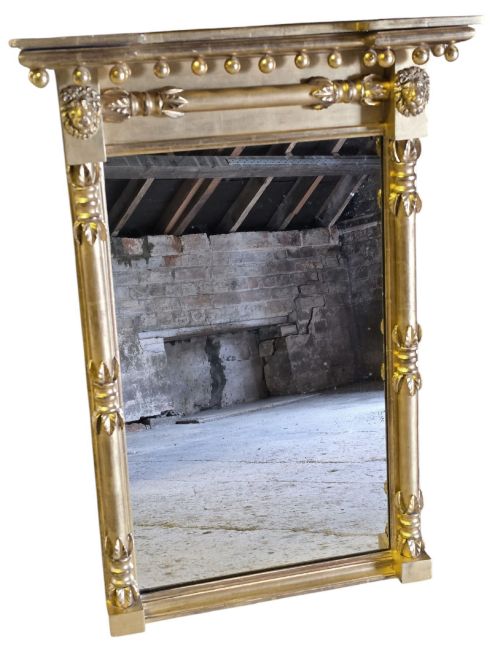
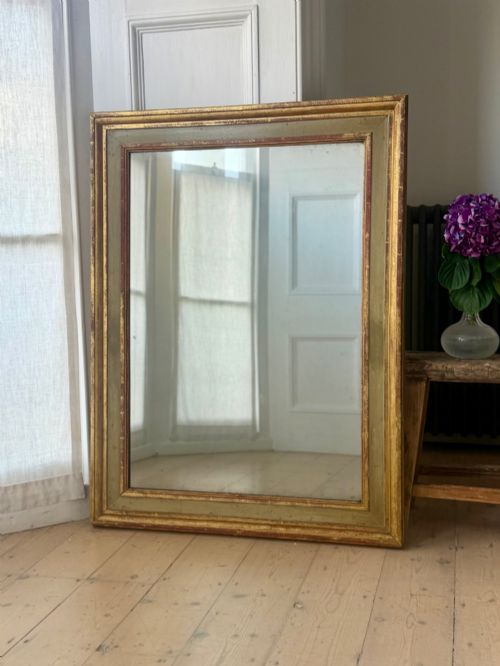
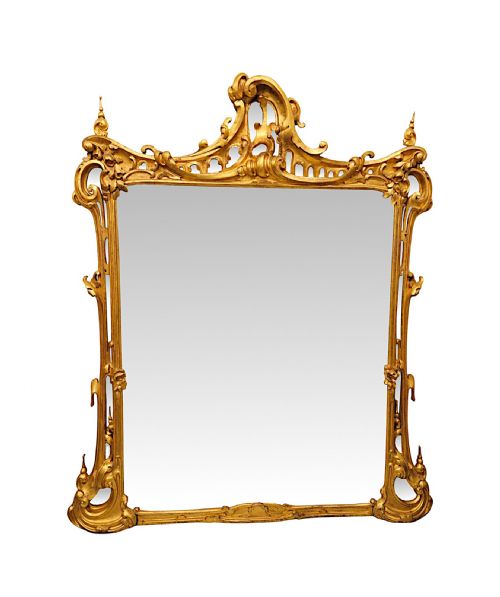
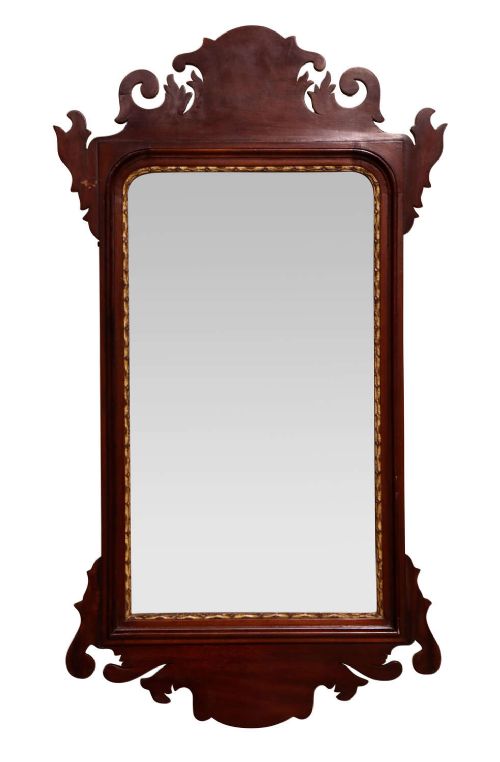
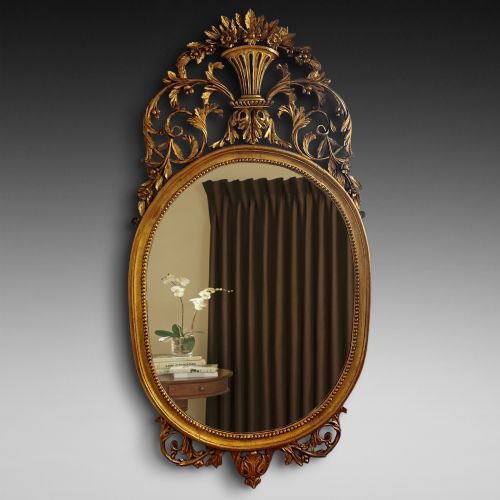
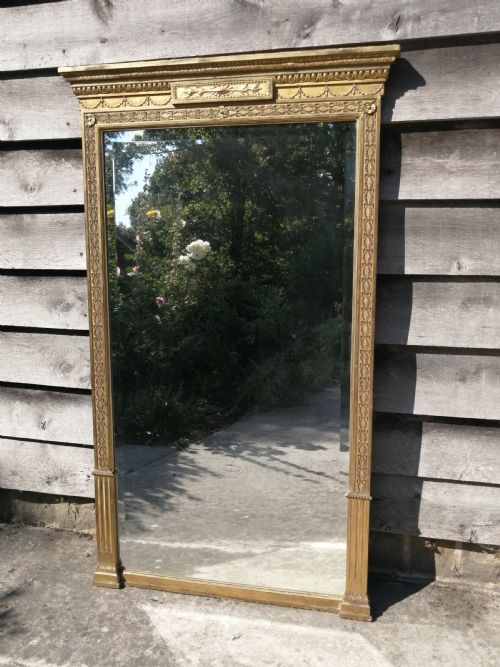
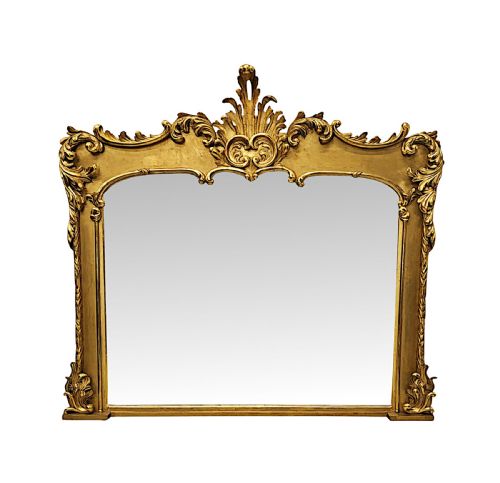
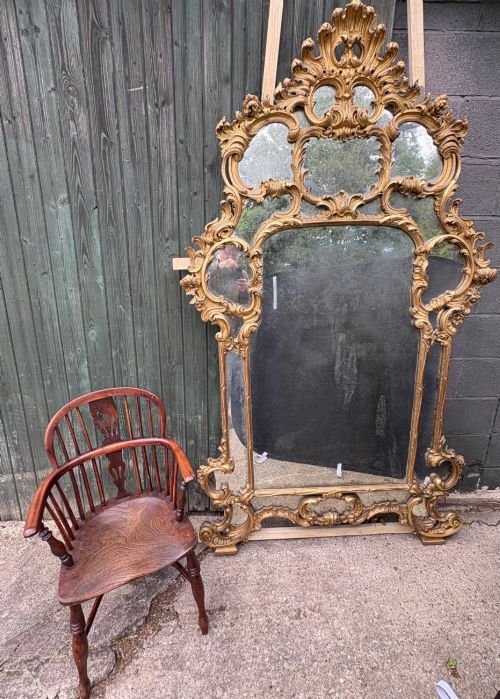
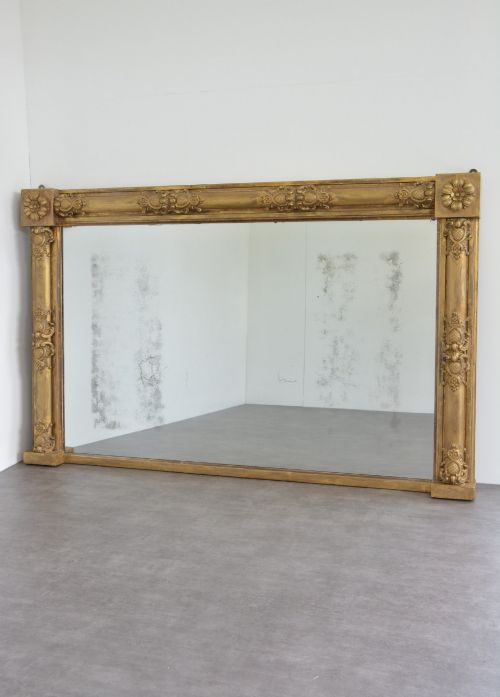
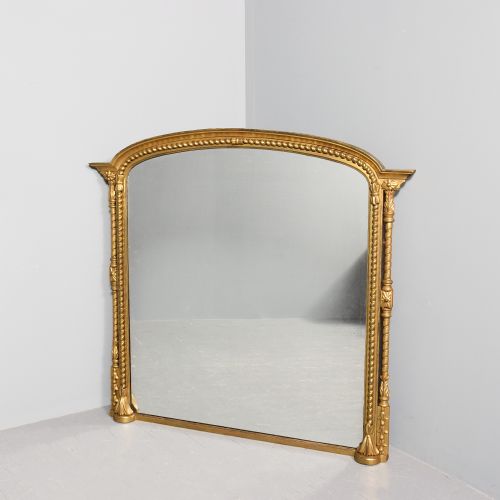
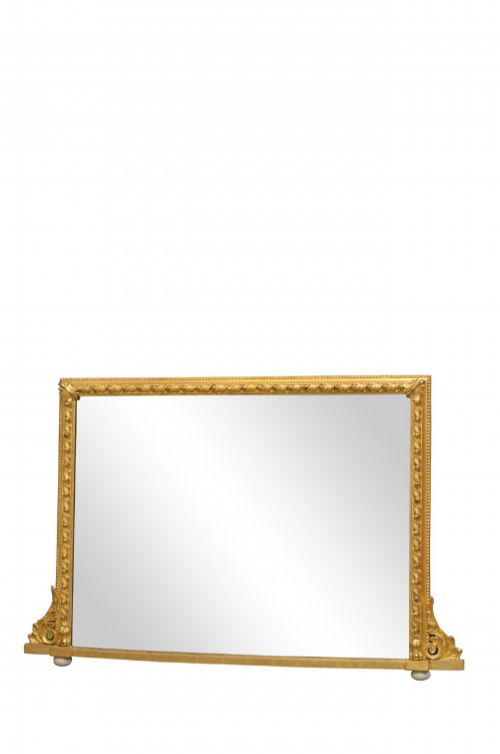
A georgian mantel mirror sits above a fireplace, anchoring the chimney breast with a substantial horizontal or vertical frame. The examples found here span the eighteenth and nineteenth centuries, taking the form of overmantel mirrors, pier mirrors, and wall mirrors.
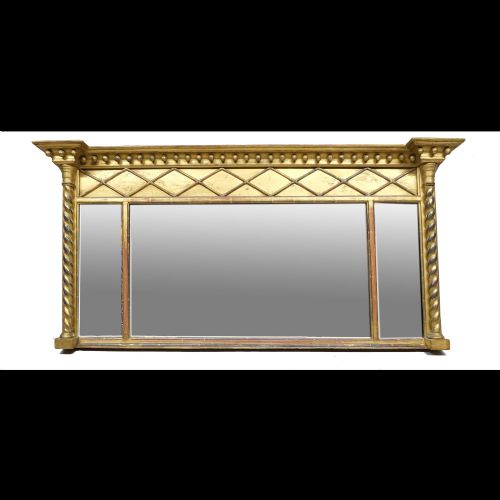
The dominant aesthetic draws on Georgian, Regency, and Neoclassical design, frequently incorporating architectural details like friezes, columns, and foliate cresting. Makers also produced distinct variants such as triptych plates and convex surfaces.
Buyers meet pieces reflecting both formal Georgian proportions and the bolder interpretations of the Regency and Victorian eras. These items served historically to amplify candlelight and daylight within reception rooms.
How They Were Made
Construction relies on timber foundations of mahogany or softer woods, built to support heavy glass plates. Craftsmen applied gesso layers over carved wood to form intricate relief decoration before gilding.
Giltwood and gold leaf provide the characteristic luminous finish, adhering to the prepared gesso surface. Many surviving plates consist of original mercury glass or early mirror glass showing natural foxing.
Listings feature periods spanning from the eighteenth century through the Victorian era, utilising materials like giltwood, gesso, mahogany, and original mercury glass.
What Varies in Quality
The depth and crispness of the carved ornament distinguish finer examples from simpler production. Carvings executed directly in solid wood demonstrate greater skill than moulded composition details.
The integrity of the original mercury glass plate and the intactness of the historic gilding heavily influence the character of the piece. Proportion, balance, and the preservation of early structural framing determine the aesthetic success of the mirror.
The Georgian Mantel Mirror Glossary
- Giltwood
- Wood covered with a thin layer of gold leaf. This finish defines the appearance of many formal period mirrors.
- Gesso
- A plaster mixture applied to wood frames and carved into relief details. It provides a smooth base for subsequent gilding.
- Mercury glass
- An early type of mirror plate made by pouring a mercury-and-tin amalgam behind glass. It produces a distinctive soft, mottled reflection.
- Overmantel mirror
- A large mirror designed specifically to hang on the wall directly above a mantelpiece. These pieces often match the width of the fireplace surround.
- Triptych mirror
- A mirror featuring a single frame divided internally into three distinct glass panels. This layout was popular during the Regency period.
- Pier mirror
- A tall, narrow mirror designed to hang on the wall space between windows. They frequently accompanied console tables in Georgian interiors.
Georgian Mantel Mirror: Frequently Asked Questions
Where should a georgian mantel mirror hang?
These mirrors traditionally hang centrally above a fireplace mantelpiece, where their proportions balance the hearth below. They also function effectively on main room walls to reflect natural light.
Ensure the wall construction supports the considerable weight of timber and glass. Securing the frame properly to wall studs is essential for safety.
How do I identify a true period mirror?
Examine the construction methods visible on the reverse, including timber shrinkage, old fixings, and hand-cut workspace markings. Early frames often utilise pine or mahogany backing boards secured with period headless nails.
The presence of original mercury glass with natural foxing spots offers a strong indicator of age. Modern replacement glass usually appears flat and uniform by comparison.
Can I clean the original mirror plate?
Clean the glass gently using a soft, dry cloth to remove dust without disturbing the delicate edges. Avoid using harsh chemical sprays that might seep behind the plate and damage the historical backing.
Great care is required around areas where the silvering has thinned or degraded with age. Preserving the fragile surface maintains the authentic appearance of the piece.
How do Georgian and Regency styles differ?
Georgian mirrors often favour restrained classical symmetry, Palladian architectural motifs, and detailed hand-carved fretwork. Mahogany and giltwood predominate in these mid-to-late eighteenth-century examples.
Regency mirrors introduce bolder classical elements, including convex plates, reeded columns, and figurative friezes depicting motifs like laurel wreaths. The aesthetic becomes heavier and more unapologetically opulent.