

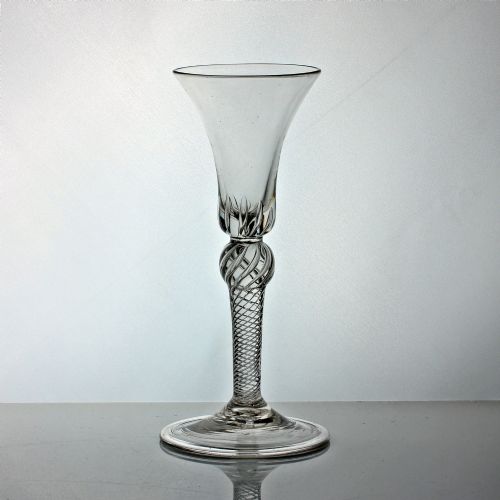

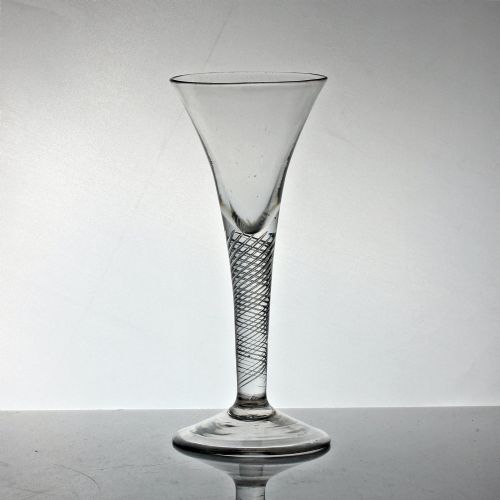
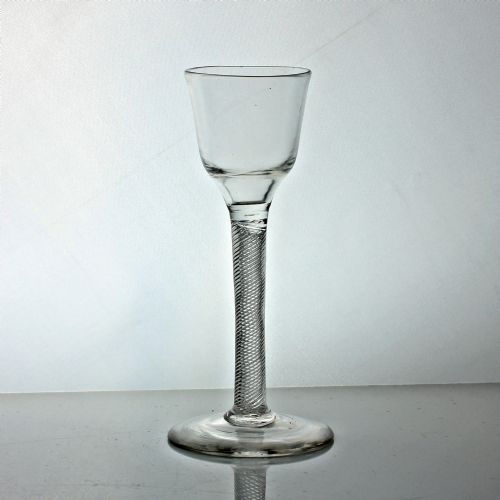


Georgian Lead Crystal Goblet
A georgian lead crystal goblet is a tactile piece of drinking history, offering weight in the hand and clarity across the table.
Georgian Lead Crystal Goblet
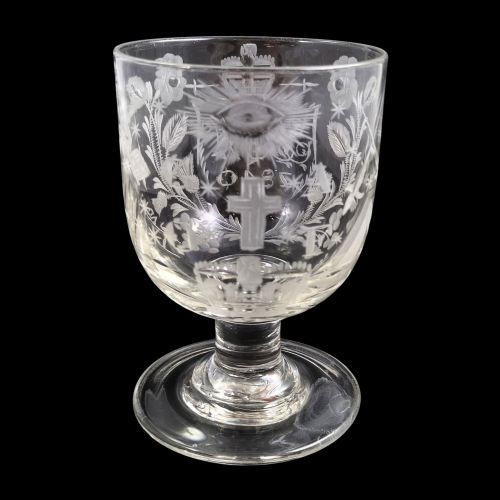
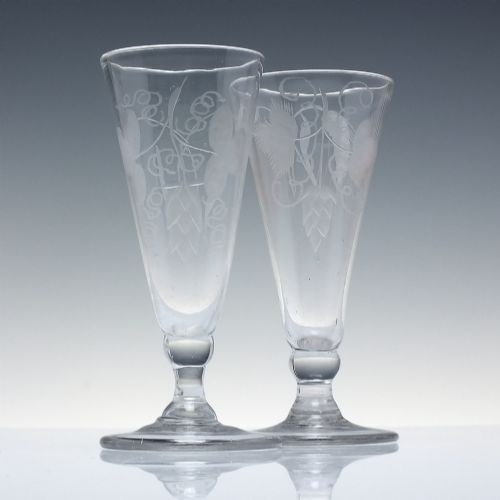
A georgian lead crystal goblet and its related drinking vessels span the eighteenth century, taking forms such as wine glasses and ale glasses. These pieces originate from England, reflecting the domestic output of the period.
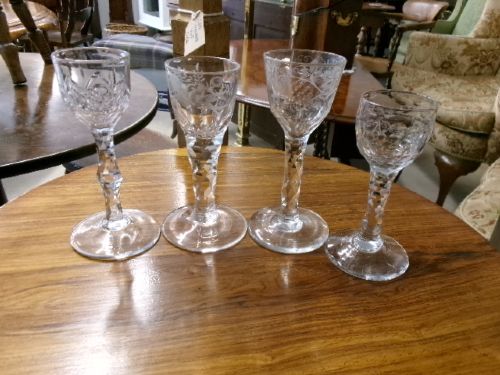
Dated examples anchor themselves in specific decades of the eighteenth century, demonstrating the stylistic shift from balustroid stems to cut glass towards the close of the era.
How they were made
Maker operations utilised hand-blown glass and heavy lead glass, incorporating lead oxide to increase brilliance and weight. Artisans shaped the molten metal by hand before applying cutting techniques to the surface.
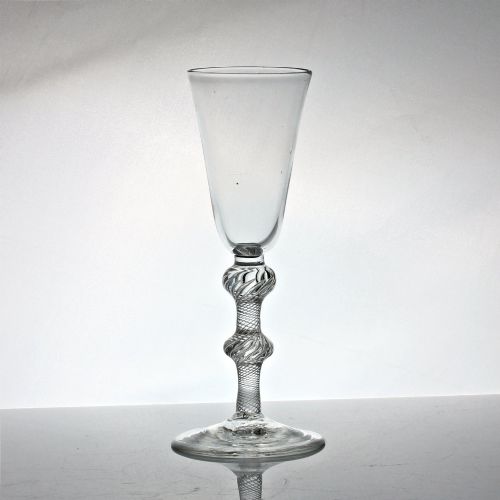
Internal optical effects were achieved by drawing and twisting threads of white enamel within the stem to form opaque twists, or by trapping air bubbles within the molten core for air twists.
Georgian Lead Crystal Goblet Retail Price Guide 2026
Typical asking prices for georgian lead crystal goblet among the pieces listed under this phrase on Sellingantiques today, from the lower quarter to the upper quarter. They describe what is for sale here now, not the wider market.
Listings span the eighteenth century and feature lead crystal, clear glass, and white enamel materials across various wine glass and ale glass forms.
What varies in quality
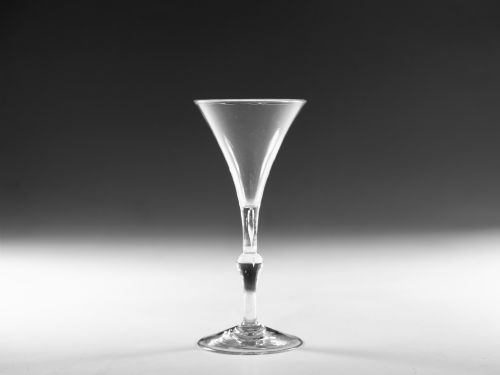
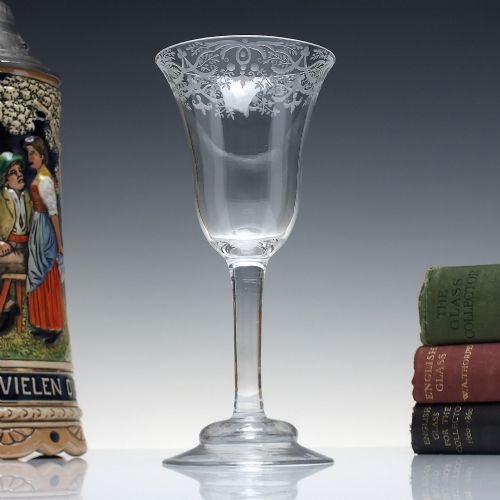
Quality rests in the precision of the glassmaker's hand, seen in the symmetry of a trumpet bowl or the uniformity of an opaque twist within the stem. Superior examples display high material clarity with minimal internal impurities.
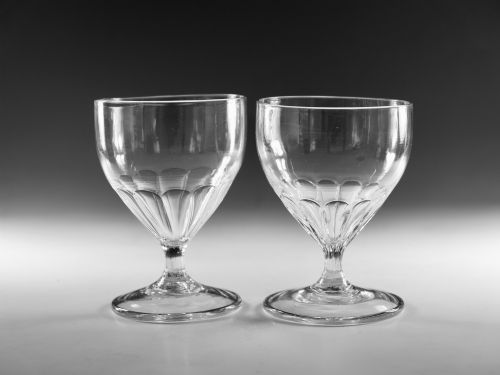
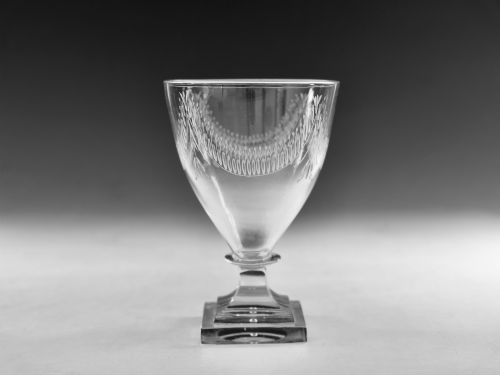
The refinement of surface cutting, such as the facets on an Anglo-Irish bucket bowl, demonstrates the artisan's control over the wheel. Heavier lead content provides a resonant ring and a more substantial feel in the hand.
The Georgian Lead Crystal Goblet Glossary
- Lead crystal
- Glass containing metallic oxides that increase the density, weight, and light refraction of the vessel. This material allowed artisans to produce heavier drinking vessels with deep brilliance.
- Double series opaque twist
- A stem decoration formed by enclosing multiple white enamel glass threads within a clear glass rod and twisting them. This technique became popular in English drinking glasses during the mid-eighteenth century.
- Air twist
- A stem containing elongated air bubbles drawn into spiral threads inside the clear glass. Makers created these by piercing hot metal and twisting the vessel as it was pulled.
- Folded foot
- A base edge turned underneath to create a thickened rim for added durability and stability. This feature appears on earlier drinking vessels of the eighteenth century.
- Balustroid
- A stem style echoing the heavy, swelling architectural baluster shape popular in the seventeenth and early eighteenth centuries. These stems often incorporate intermediate nodes known as knops.
Georgian Lead Crystal Goblet: Frequently Asked Questions
How do I date a Georgian glass?
Dating relies on observing changes in manufacturing techniques, stem formations, and bowl shapes across the eighteenth century. Earlier pieces often feature balustroid stems and folded feet, while later decades introduced facet cutting and Anglo-Irish styles.
Evidence in the listings points to specific periods such as the mid-eighteenth century for air twists and the closing decades for cut glass variations.
What is an opaque twist?
An opaque twist is a decorative stem feature where fine white enamel threads are spun inside the clear glass rod. Makers manipulated the molten metal to create regular spiral patterns.
This technique distinguishes many English wine glasses produced during the eighteenth century.
Are these glasses safe to use?
These eighteenth-century drinking vessels are primarily collected for display and study rather than daily dining. Hand-blown lead glass requires careful handling to preserve its historical surface.
Gentle hand washing in lukewarm water is necessary if owners choose to use them occasionally.
Why is lead glass heavy?
Lead glass incorporates lead oxide into the batch, which increases the density and weight of the material compared to standard soda-lime glass. This composition also raises the refractive index, giving the crystal its characteristic sparkle.
Makers utilised this weight to create balanced vessels with solid feet and substantial stems.