



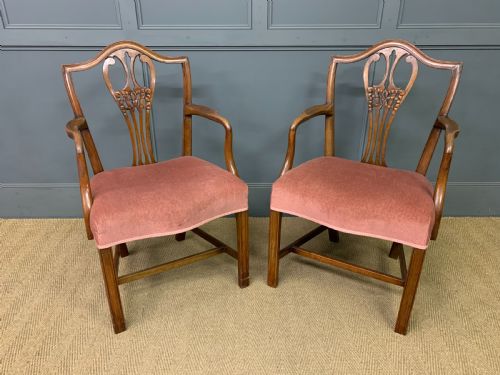
Georgian Desk Armchair
A georgian desk armchair combines functional seating with period cabinet-making, offering generous proportions and sturdy wooden frames suited to daily study.
Georgian Desk Armchair
A georgian desk armchair serves as a sturdy seat designed for writing tables, libraries, and offices, drawing on forms from the eighteenth and early nineteenth centuries.
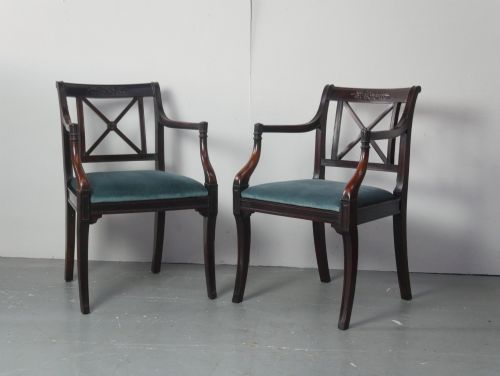
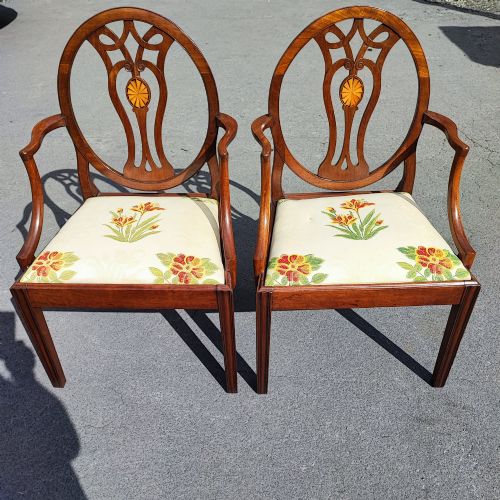
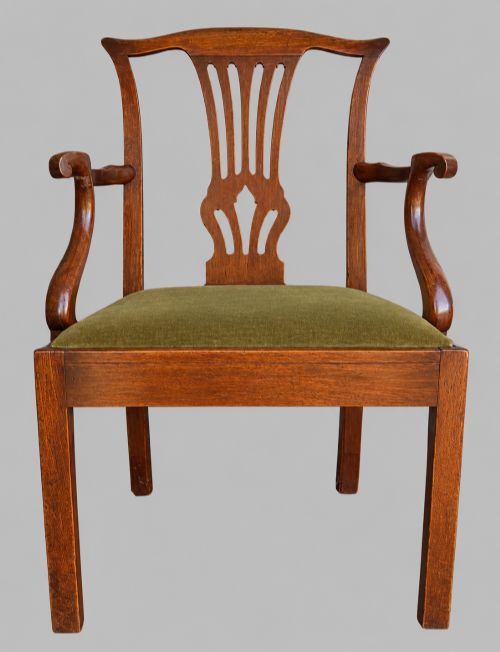
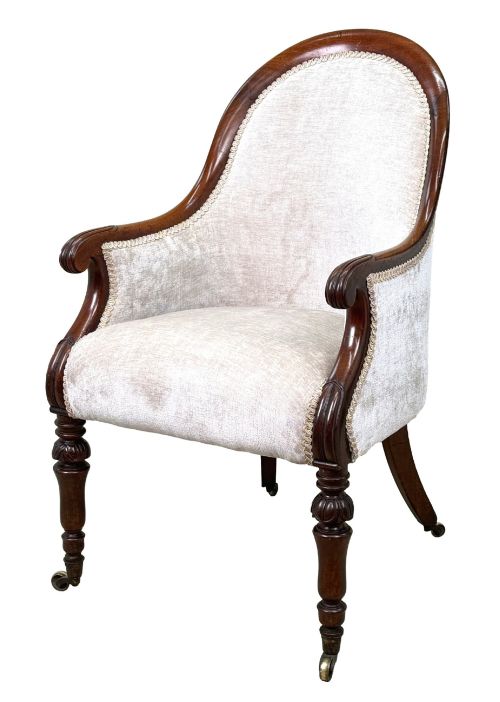
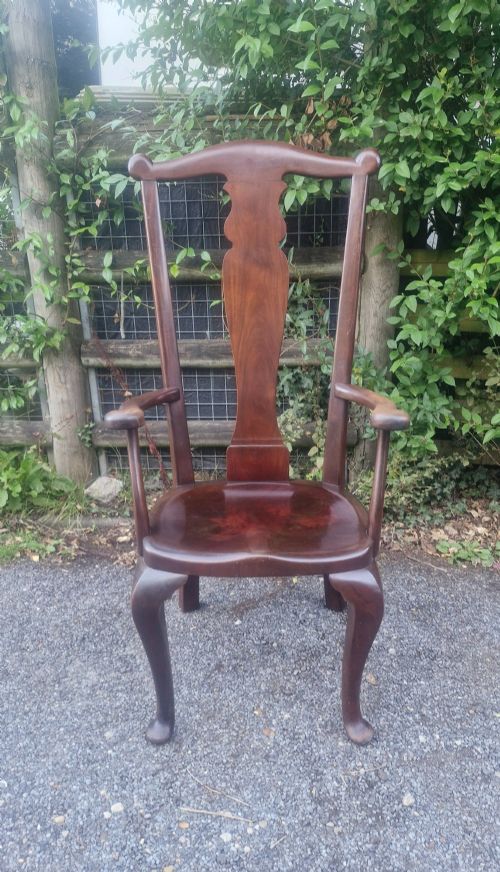
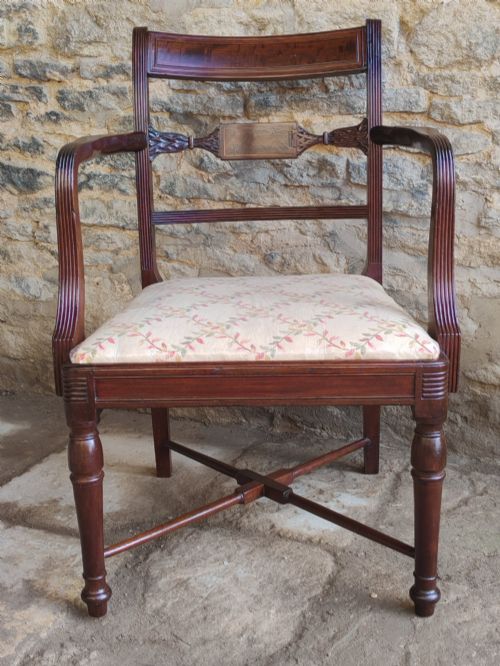
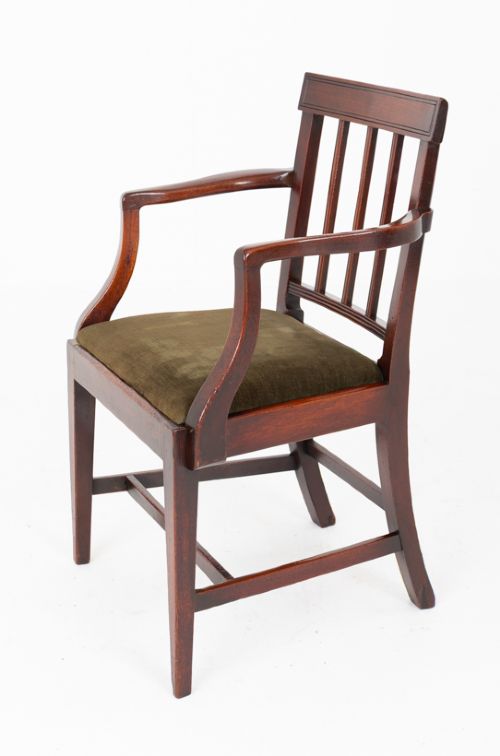
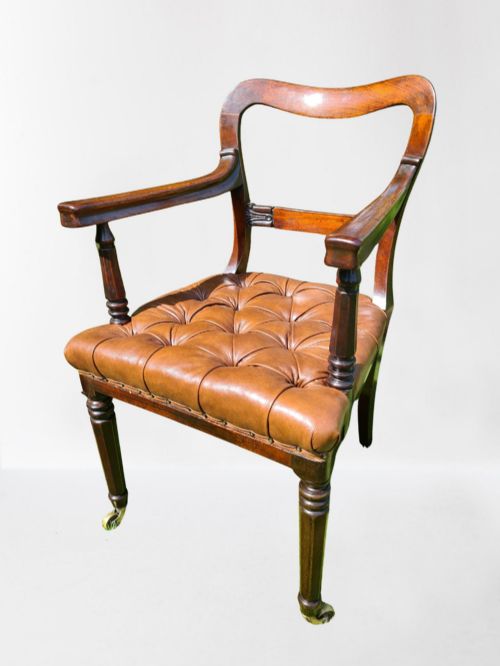
Buyers most frequently encounter mahogany frames featuring open arms, curved back rails, and upholstered seats in leather, fabric, or tapestry.
Many examples span the broader Georgian and Regency periods, alongside later nineteenth-century revivals that echo Chippendale or Sheraton proportions.
How they were made
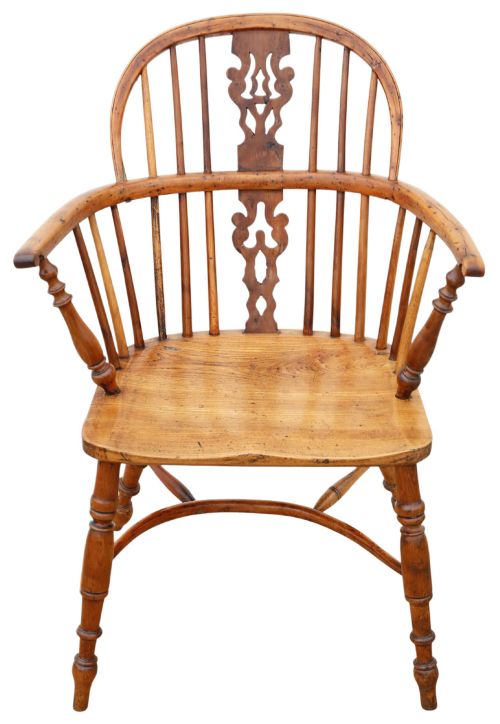
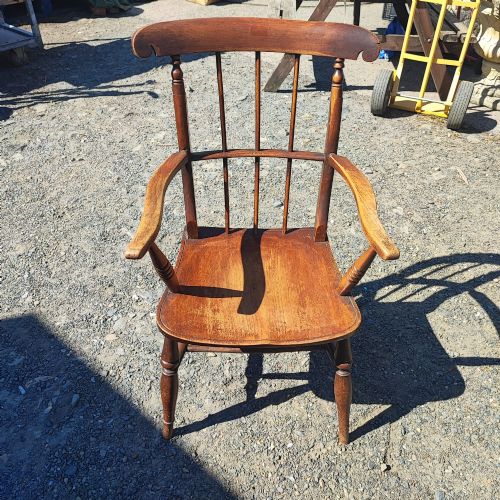
Cabinet-makers relied primarily on dense mahogany, alongside regional timbers such as yew, elm, ash, and fruitwood used in country Windsor and ladder-back variations.
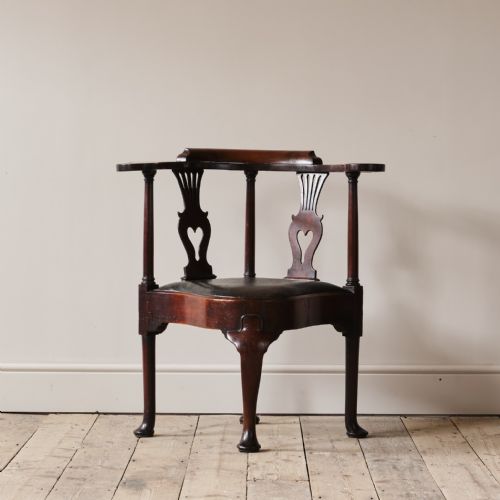
Joinery involved mortise and tenon construction for the frames, complemented by brass inlay, carved splats, and hand-stitched leather or fabric upholstery.
Listings feature mahogany predominantly, alongside alternative regional woods like elm, ash, and fruitwood.
What varies in quality
The standard of carving and timber selection dictates the distinction between standard production chairs and top-tier workshop pieces.
Original structural integrity, crispness of carved details on the arms and back rails, and the retention of period leather or fabric surfaces elevate the desirability of individual chairs.
Gillows
The Georgian Desk Armchair Glossary
- Carver
- An armchair, often matching a set of smaller dining chairs, featuring open arms designed to accommodate clothing.
- Splat
- The vertical wooden strip down the centre of a chair back, frequently carved in vase or ladder patterns.
- Gainsborough chair
- A wide, upholstered armchair with open padded arms, low seat, and mahogany legs popular in the mid-eighteenth century.
- Tub chair
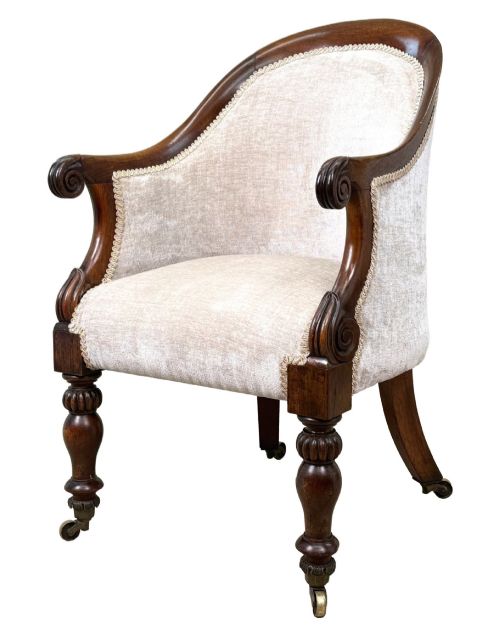
- An armchair with a continuous curved back and arms forming a single circular enclosure.
- Bar back
- A horizontal wooden top rail resembling the curved shape of a tavern settle or coaching bar.
Georgian Desk Armchair: Frequently Asked Questions
How do I use a georgian desk armchair today?
These chairs fit well at modern writing tables or library desks, providing sturdy support and generous proportions for daily sitting.
Their classic wooden frames also allow them to function comfortably as occasional seating in studies or living rooms.
Were these chairs originally meant for desks?
Many were built as multi-purpose carvers or library chairs rather than strictly for writing, adapting easily to dining or office use.
Cabinet-makers designed them with wider arms and sturdy frames to suit various domestic and professional tasks.
How do I tell an original period chair from a revival?
Examine the timber shrinkage, joinery methods, and wear patterns on the feet and armrests to gauge the actual age of the wood.
Nineteenth-century revival pieces often display machine-tooled elements or wood types that differ from eighteenth-century workshop standards.
What maintenance do leather seats require?
Keep leather upholstery conditioned with traditional balms to prevent drying and cracking over years of regular use.
Avoid placing the chair in direct sunlight to protect both the leather finish and the underlying mahogany frame.