


Mahogany Writing Chair
These mahogany writing chair examples bring solid timber and supportive desk-side seating together for daily use in any study.
Mahogany Writing Chair
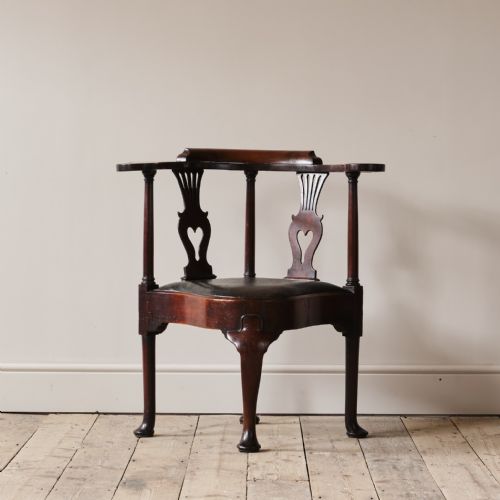
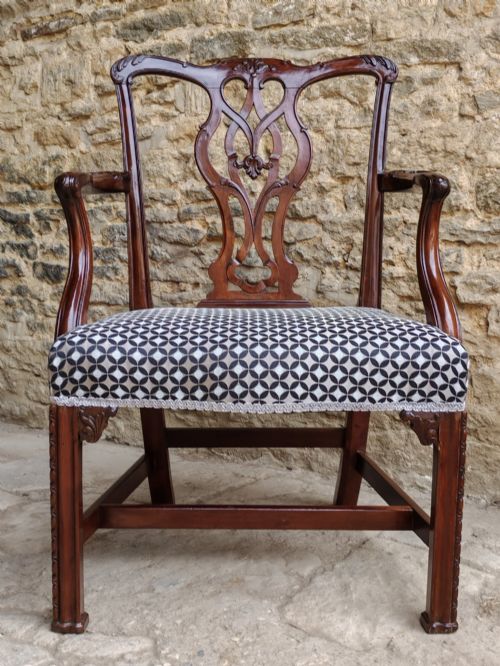
A mahogany writing chair serves as a practical seat for a desk, library table or bureau, providing a sturdy place to sit while working. When you search for a mahogany writing chair, you encounter forms that span the Georgian, Regency and William IV periods, alongside later revival styles.
The selections on this page appear as armchairs, desk chairs and corner chairs constructed primarily from dark timber. Many incorporate writing slopes or specific library functions, linking them directly to historic study spaces and parlours.
Makers designed these seats with varied backs, including oval, corner and carved library configurations, reflecting the aesthetic preferences of the eighteenth and nineteenth centuries. Buyers frequently discover examples featuring caned panels or upholstered pads intended for extended periods of sitting.
How they were made
Cabinet makers utilised dense timber to build the frames, turning legs and carving arms from solid stock. Satinwood inlay frequently provides subtle contrast against the dark grain of the primary wood.
Upholstered elements rely on fabric, leather or velvet stretched over traditional stuffing materials, secured with brass tacks where appropriate. Caned seating surfaces appear on specific library chair variants to offer flexible support.
Mahogany Writing Chair Retail Price Guide 2026
Typical asking prices for mahogany writing chair among the pieces listed under this phrase on Sellingantiques today, from the lower quarter to the upper quarter. They describe what is for sale here now, not the wider market.
Certain library models snuck fold-out writing slopes into the arms, ensuring no scholar ever lacked a flat surface for a stray letter.
What varies in quality
The depth of carving on the timber frame and the crispness of applied details separate standard production from superior pieces. Strong joinery and well-figured timber indicate an elevated standard of cabinet making.
The choice of covering materials, from plain fabric to fitted leather or velvet, alters the tactile appeal and historical correctness of the seat. Original hardware and carefully preserved patination add substantial character to surviving examples.
The Mahogany Writing Chair Glossary
- Corner chair
- A seat designed to fit into the corner of a room, featuring a diagonal orientation with a semicircular back rail supported by turned columns. This form gained popularity during the Georgian period for domestic use.
- Bergère
- An enclosed upholstered armchair with wooden framing exposed around the sides and back. Examples often incorporate cane panels alongside fitted cushions.
- Carver
- An armchair intended to match a set of dining or desk chairs, typically featuring more substantial arms. These pieces offer wider proportions than standard side chairs.
- Satinwood inlay
- A decorative technique involving contrasting light wood inserted into recesses cut into the darker mahogany surface. This method creates geometric or floral patterns across the backrests and legs.
- Writing slope
- A sloping desk surface incorporated into or associated with specific chairs and library furniture. It provides an angled plane for reading and correspondence.
Mahogany Writing Chair: Frequently Asked Questions
Where were these chairs used?
These seats served primarily in studies, libraries and private parlours where correspondence and reading took place. Their stable frames supported users working at desks and bureaus.
Corner variants also functioned as occasional seating in reception rooms where space efficiency mattered.
What is a library chair?
A library chair is a sturdy seat built for comfort during extended periods of reading or research among bookshelves. They frequently feature padded arms and leather or fabric upholstery.
Some variants include built-in writing surfaces or swiveling mechanisms to assist scholars.
How do I care for leather upholstery?
Leather surfaces benefit from regular cleaning with soft cloths and specialised conditioners to prevent drying and cracking. Avoiding direct sunlight helps preserve the natural tone of oxblood and brown hides.
Gentle maintenance ensures the material retains its suppleness over years of daily use.
Can I use these at a modern desk?
These historical seats fit well beneath standard desk heights while adding traditional character to contemporary workspaces. Their ergonomic designs were originally calculated for practical writing tasks.
Verifying the seat height and leg clearance ensures comfortable alignment with modern furniture.