
Georgian Country Bench
A georgian country bench brings solid vernacular character into a room, offering practical seating shaped by centuries of everyday use.
Georgian Country Bench
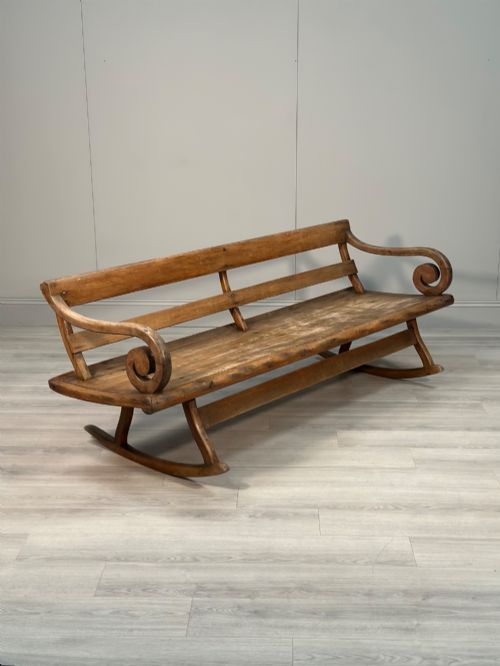
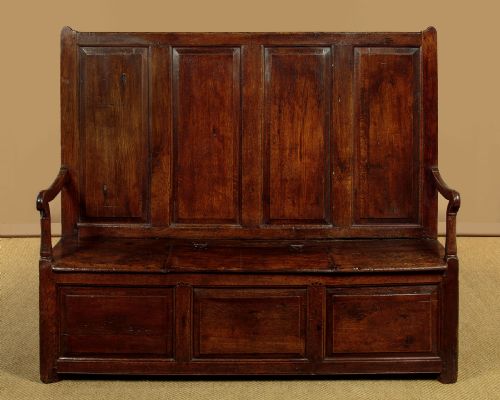
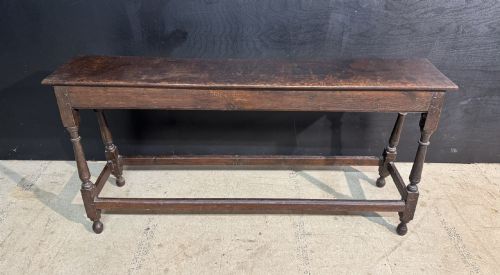
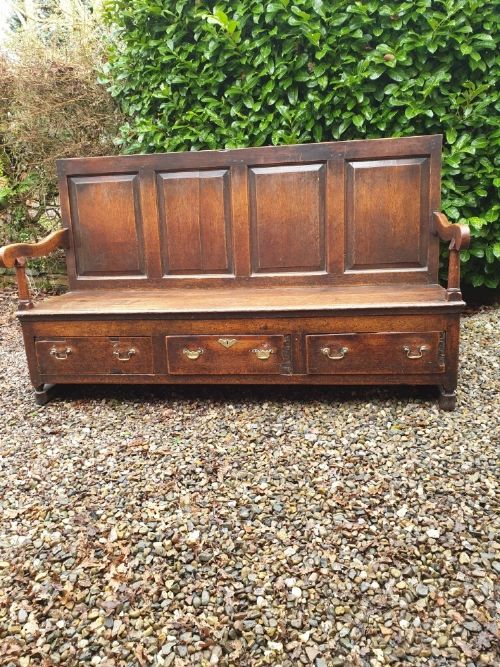
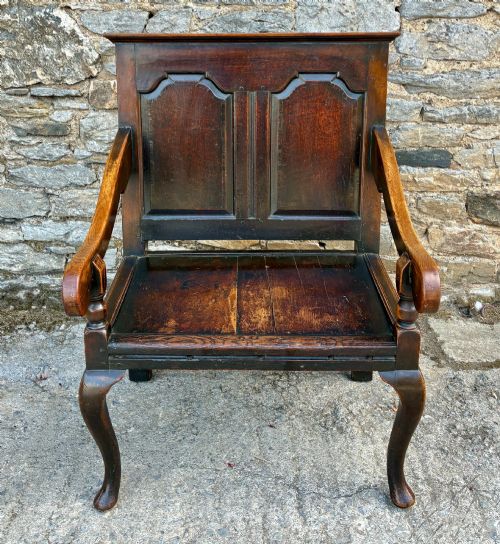
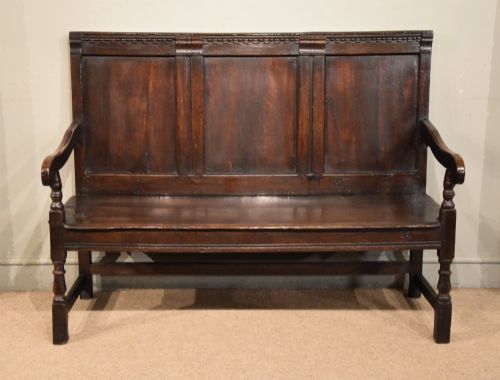
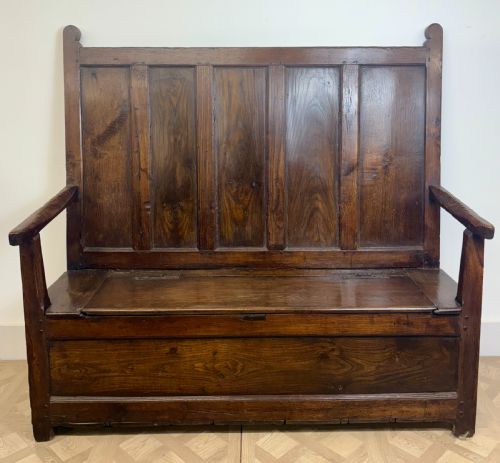
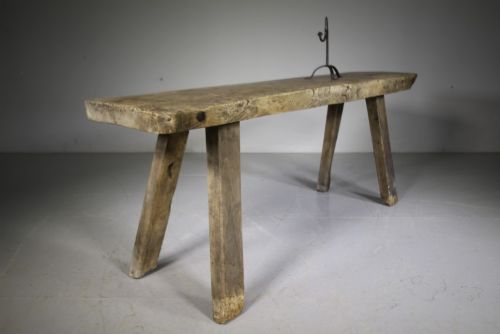
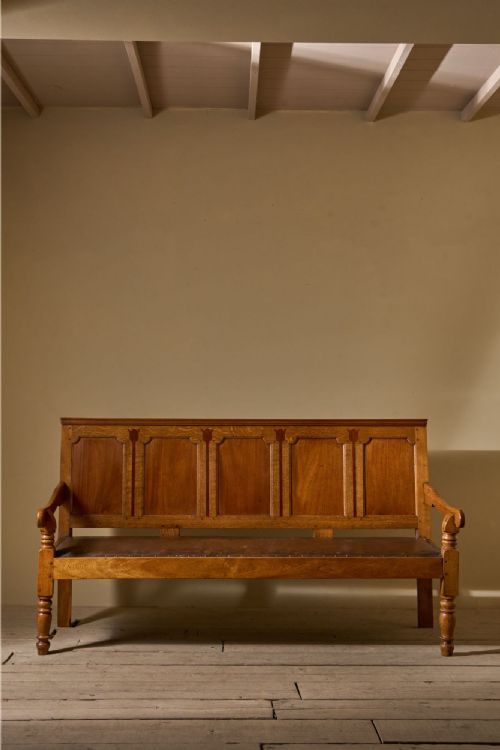
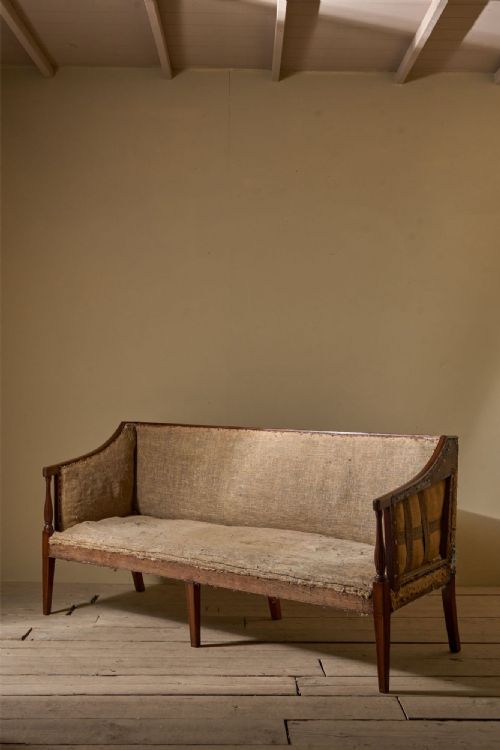
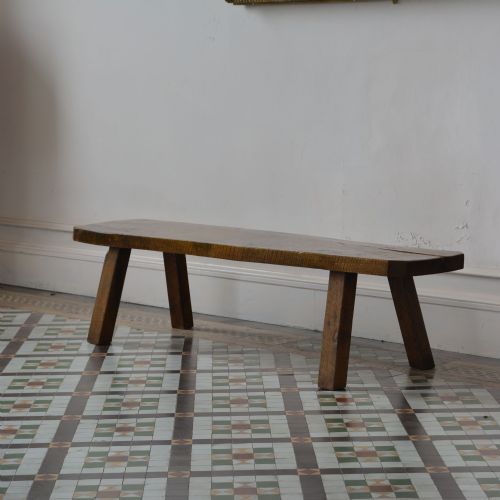
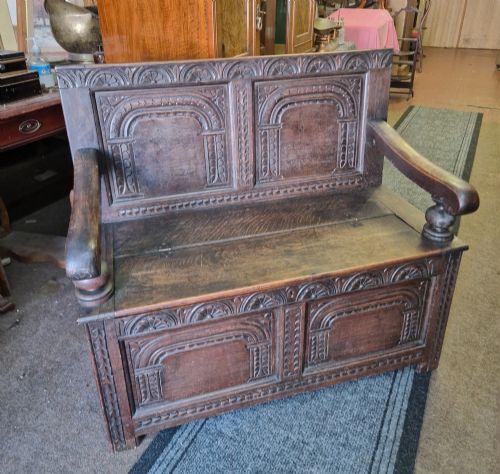
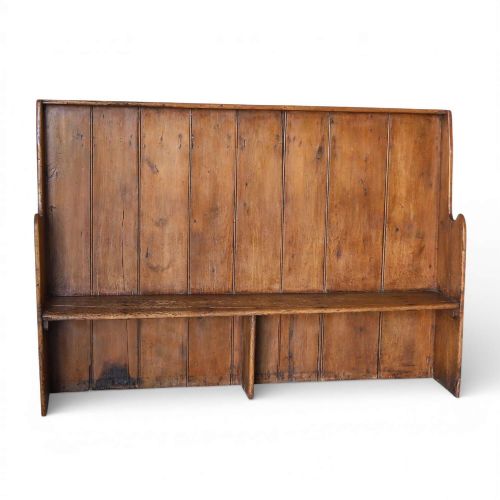
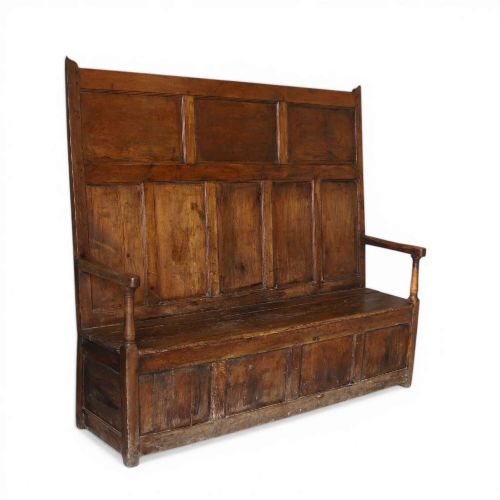
When you search for a georgian country bench, you encounter robust domestic seating designed for domestic spaces, estate halls and farmhouses. The selection spans sturdy settles with high backs, settles incorporating storage boxes beneath the seat, and long benches forged from durable timbers. These forms reflect vernacular traditions across English and regional workshops.
The version you are most likely to meet on this page is the oak settle, frequently dating from the eighteenth century, alongside pine variants displaying original paint or waxed surfaces. Pieces range from panel-backed designs offering draught protection by the hearth to simpler forms intended for hallways and communal rooms.
Materials and construction
Carpenters relied principally on native timbers, predominantly oak and pine, supplemented by ash, elm, and sycamore for specific structural demands. Boards were joined using traditional methods such as pegging and panel construction, ensuring the furniture withstood rigorous daily life in busy kitchens and halls.
Surface treatments play an intrinsic role in the construction history of these pieces, varying from simple beeswax applications to layers of original paint in black or blue. Iron and brass hardware, including hinges and brackets, frequently secure box seats and hinged components.
Listings feature eighteenth and nineteenth century periods, utilising native timbers such as oak, pine, elm, and ash alongside painted finishes.
Distinctions in quality
The caliber of a georgian country bench rests upon the integrity of its timber and the retention of its original structural elements. Pieces retaining their early wax finishes or original painted surfaces command greater interest from collectors than those stripped down or heavily altered over subsequent generations.
Proportion and the sophistication of vernacular details, such as panel carving, tulip decoration, or barrel-backed forms, set exceptional examples apart from utilitarian workshop output. The harmony between structural joinery and surviving surface patina dictates the standing of each piece.
The Georgian Country Bench Glossary
- Settle
- A wooden bench with a high back, solid arms, and often a closed base or box compartment beneath the seat. It provided shelter from draughts in open halls and farmhouses.
- Box settle
- A variation featuring a built-in storage compartment accessed by lifting the seat lid. This dual-purpose furniture kept household items secure near the hearth.
- Vernacular
- Everyday furniture made by local cabinet makers and carpenters using regional materials and traditional styles rather than high-fashion metropolitan designs.
- Patina
- The surface sheen and colour developed by wood through decades of handling, exposure to light, and polishing with wax.
- Joint stool
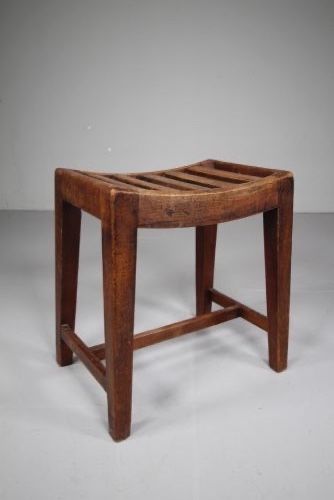
- A low wooden seat constructed with mortise and tenon joints, predating simpler nailed forms and serving multiple domestic functions.
Georgian Country Bench: Frequently Asked Questions
How do I care for antique pine furniture?
Maintain antique pine surfaces by applying natural beeswax sparingly and buffing with a soft cloth to preserve the finish. Avoid placing timber pieces near direct heat sources or strong sunlight, which cause drying and splitting.
Allow the wood to breathe and clean only with dry or barely damp cloths. Protecting the original patina ensures the surface continues to age gracefully.
Where were settles placed?
Settles traditionally stood close to the fireplace in farmhouses and cottages where high backs deflected cold air. They also occupied large entrance halls for visitors and household staff.
The solid construction made them versatile seating arrangements for communal gathering spaces. Their placement dictated the social flow of domestic interiors.
How do I identify eighteenth century oak?
Eighteenth century oak exhibits deep colour tones, visible medullary rays, and hand-planed surfaces bearing the marks of traditional tools. Joinery relies on pegged mortise and tenon construction rather than modern fasteners.
Individual boards display irregular widths reflecting the yield of the tree. Wear patterns concentrate around footrests and arm terminals where hands and feet made contact.