
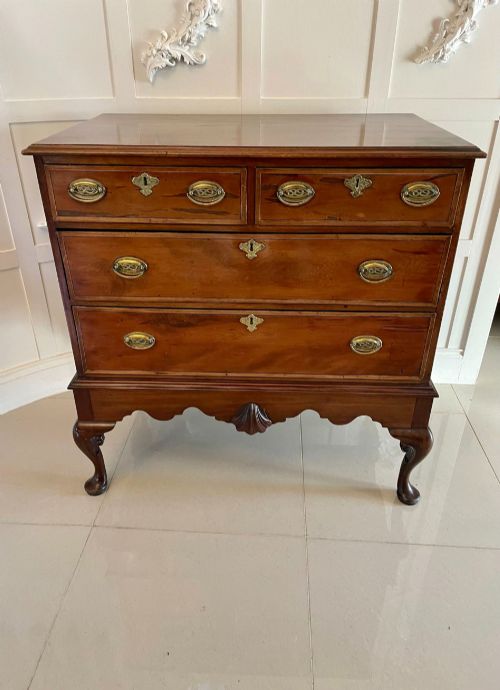

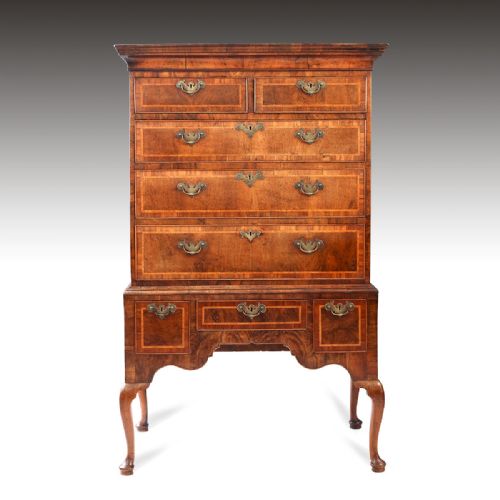
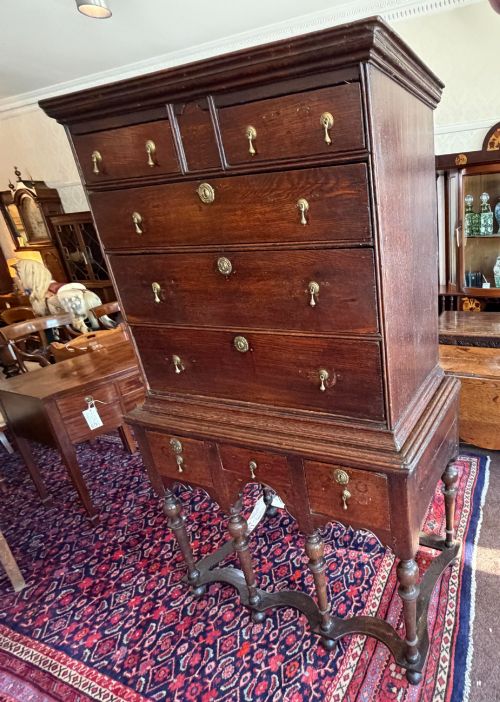
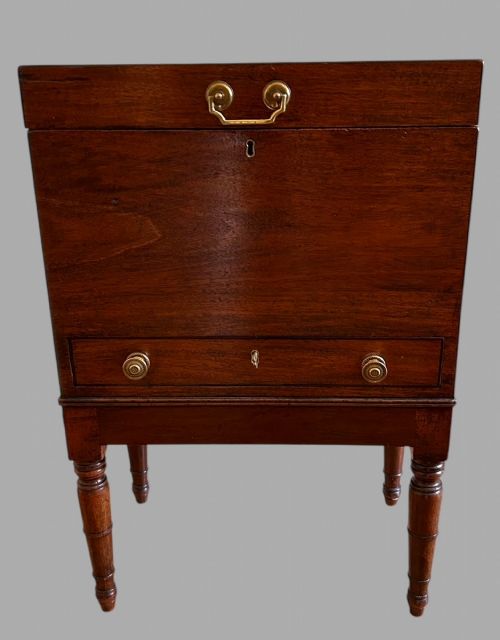
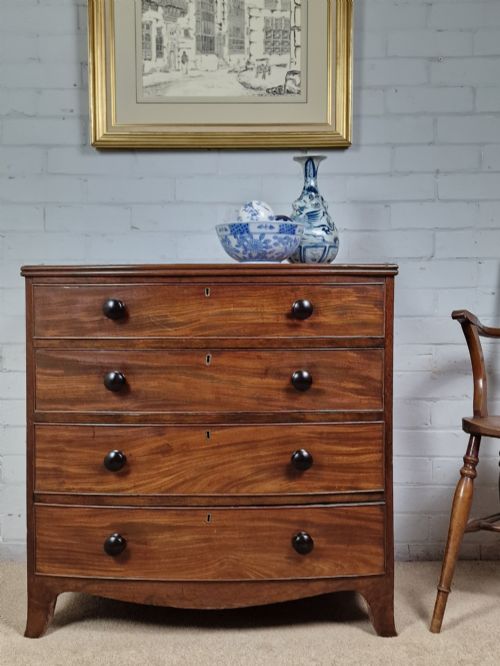
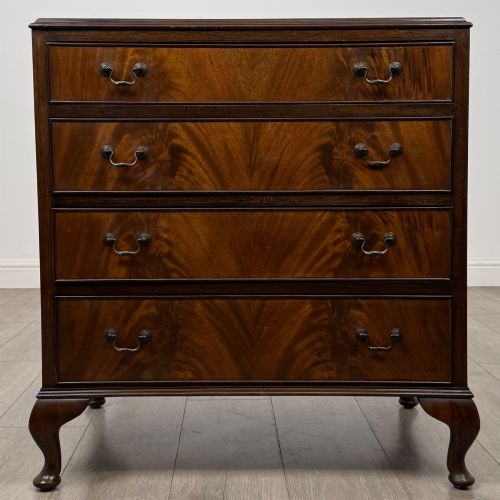
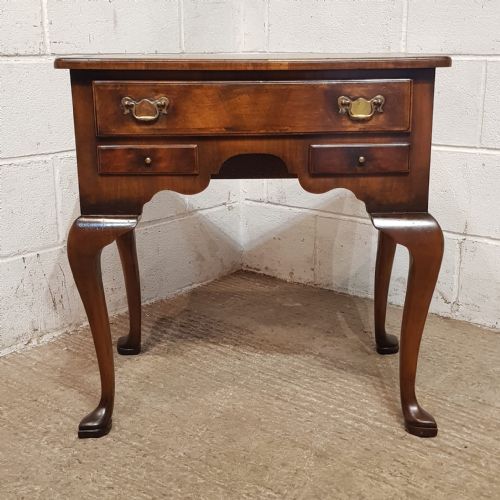
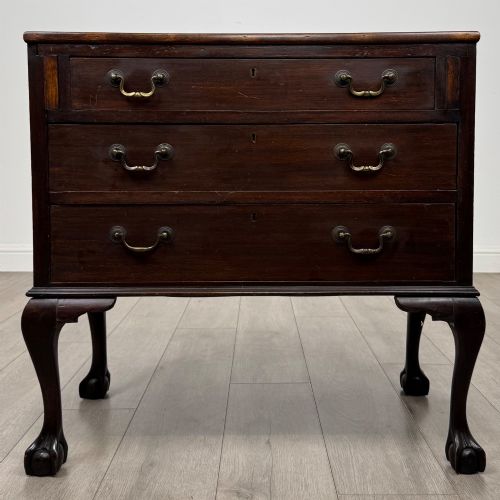
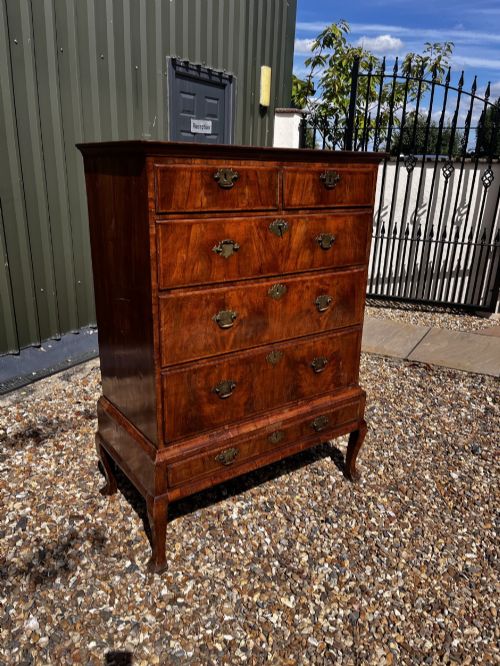
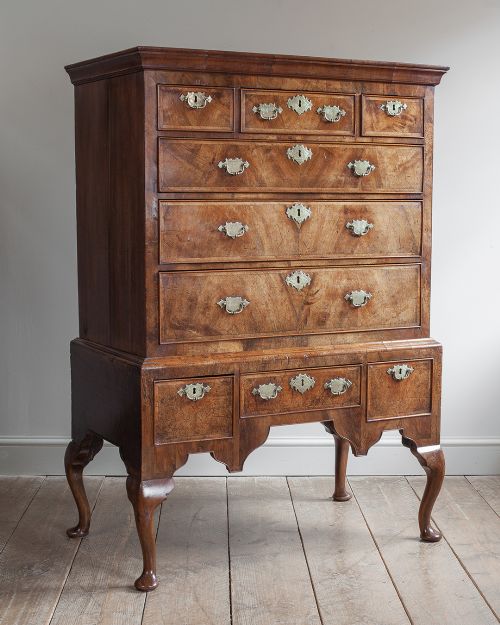
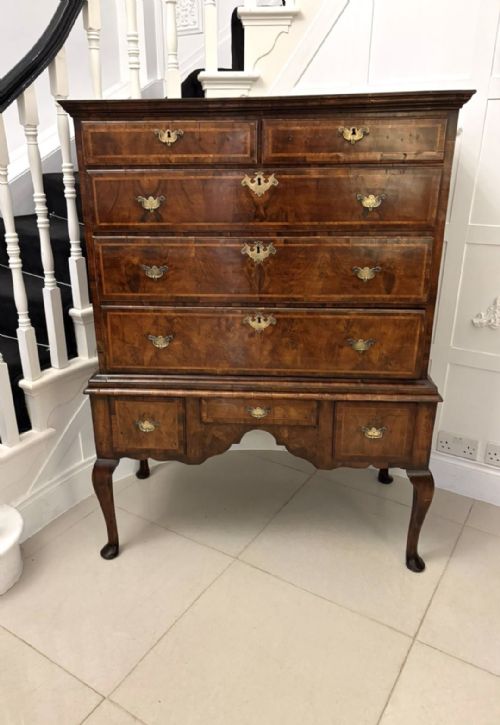
Georgian Chest on Legs
These georgian chest on legs pieces combine upper drawer storage with elevated frames, offering practical height and period presence for the home.
Georgian Chest on Legs
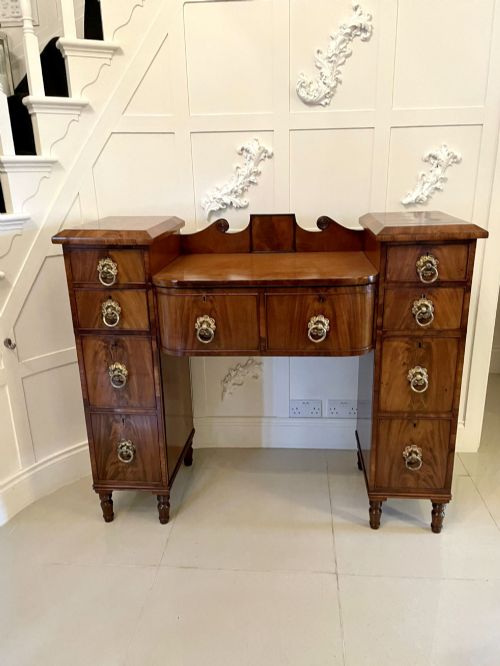
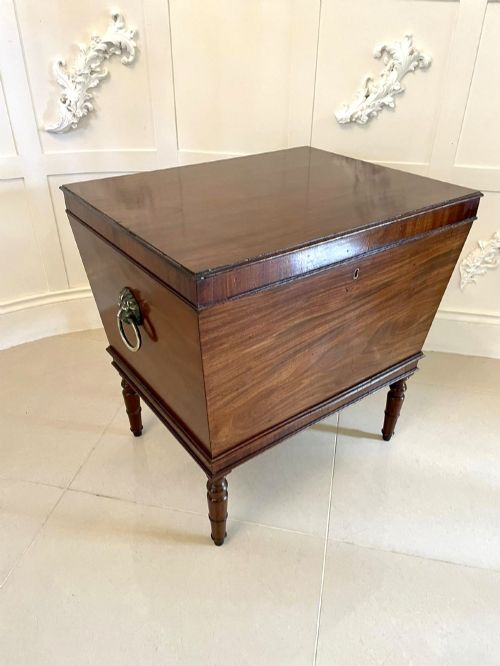
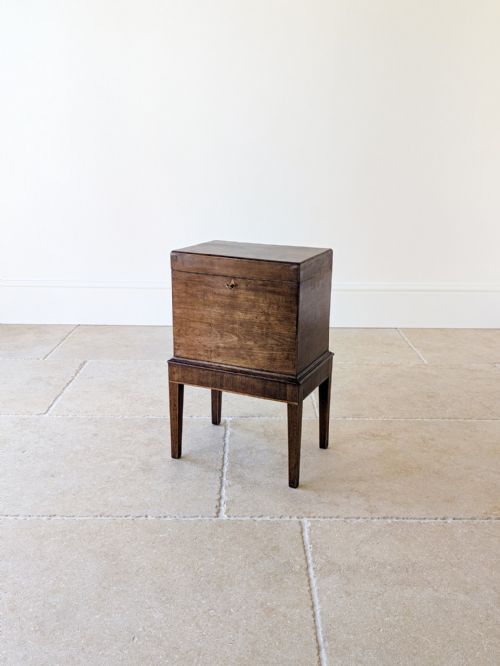
A georgian chest on legs brings together the partitioned storage of traditional cabinetry and the raised stance of a separate stand or integral support. The form appears most frequently in 18th century examples fashioned from walnut, oak, and mahogany, though later revivals from the 20th century also emerge in the listings.
Makers produced these storage items in various configurations, ranging from compact lowboys to taller two-piece cabinets and cellarettes designed for specific household uses. The proportion of the upper section to the supporting legs dictates the visual balance, with early walnut and oak variations displaying distinct period joinery.
How they were made
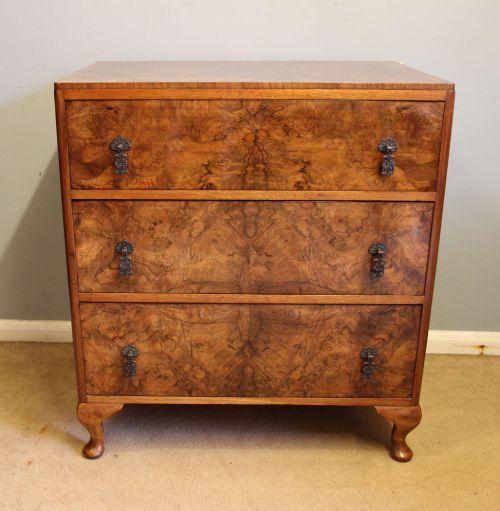
Cabinetmakers utilised dense timbers such as mahogany, walnut, and oak, often applying figured veneers to the primary surfaces of the upper chest. Brass hardware, including drop handles and escutcheons, secures the drawer fronts while providing functional contrast to the dark wood.
Construction methods involve traditional frame and panel techniques, dovetail joints on the drawers, and sturdy timber stands that elevate the main body. Grain alignment and geometric mouldings demonstrate the precision applied during the 18th century and subsequent revival periods.
Listings feature walnut, mahogany, and oak across 18th century and revival periods.
What varies in quality
The sophistication of the timber figure and the integrity of the veneer surfaces separate standard examples from finer works. Richness in the underlying patina indicates how well a wooden surface has aged and been maintained over centuries.
Proportion and execution of the supporting stand determine the overall elegance of the piece. Subtle details in the drawer linings, original brass fittings, and clean joinery distinguish superior craft from later alterations or reproductions.
Druce & Co
The Georgian Chest on Legs Glossary
- Chest on stand
- A two-part storage furniture type consisting of a drawer section raised upon a separate or integrated leg frame. This form provides elevated access to stored items while lightening the visual weight in a room.
- Lowboy
- A small table with drawers, often functioning as a dressing table or side table during the 18th century. The form shares similar proportions and leg structures with smaller drawer stands.
- Veneer
- A thin layer of figured wood, such as walnut or mahogany, applied over a secondary timber substrate. This technique allows cabinetmakers to display striking grain patterns across large drawer fronts.
- Cellarette
- A fitted cabinet or box designed to hold bottles of wine and spirits, sometimes raised on legs or stands. These containers preserve beverages within domestic living spaces.
- Patina
- The deep surface sheen and coloration developed by timber over long periods of exposure and handling. A deep finish indicates age and consistent upkeep.
Georgian Chest on Legs: Frequently Asked Questions
What is a georgian chest on legs?
A georgian chest on legs is a storage unit featuring multiple drawers positioned atop an elevated wooden frame or stand. These items emerged during the 18th century to provide household storage with a lighter visual footprint than floor-standing alternatives.
The design spans compact lowboys and taller cabinetry, incorporating materials like mahogany, walnut, and oak. Surviving examples reflect the evolving stylistic preferences of the Georgian era and later revival periods.
How do I date a chest on stand?
Dating relies on examining the timber species, construction joinery, and hardware details visible on the cabinet and support frame. Early 18th century pieces frequently employ walnut or oak with hand-cut dovetails and geometric mouldings.
Later 19th and 20th century revivals often use mahogany or burr walnut veneers applied over different core structures. Comparing the secondary woods inside the drawers provides further confirmation of the manufacturing period.
Where should I place one at home?
These items fit well in hallways, living rooms, and bedrooms where floor storage is needed without overwhelming the room's proportions. The raised legs create open space beneath the body, keeping smaller interiors feeling airy.
They serve effectively as side tables or dedicated storage points for linens, documents, and tableware. Placing them away from direct sunlight protects the timber surface and original veneer.
Are walnut and mahogany pieces different?
Walnut predominates in earlier 18th century examples, often featuring figured grain patterns and crossbanded borders. Mahogany became widely adopted later in the century, offering a heavier density and a deep reddish-brown tone.
Both materials respond well to traditional maintenance methods that preserve the natural sheen of the wood. The choice of timber usually corresponds to the specific decade of production and the prevailing style.