


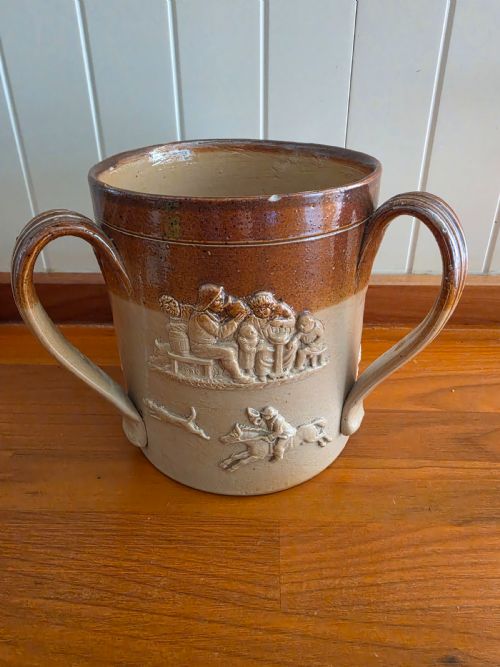

Georgian Ceramic Vessel
A georgian ceramic vessel brings the practical artistry of the eighteenth and early nineteenth centuries directly to the table or mantelpiece.
Georgian Ceramic Vessel
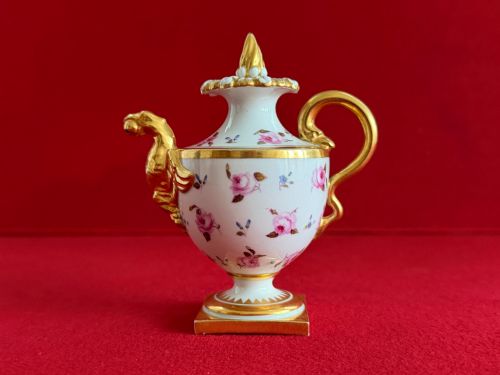
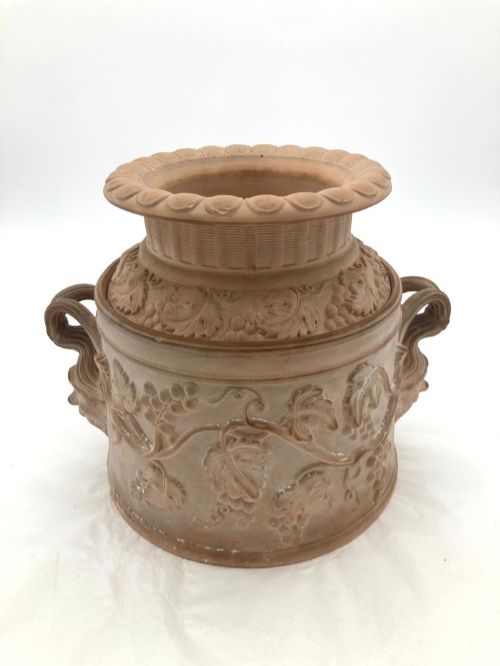
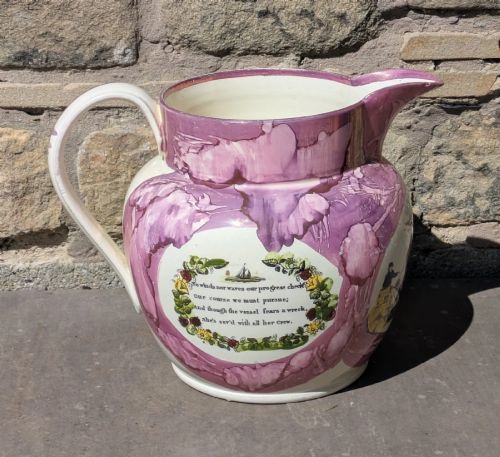
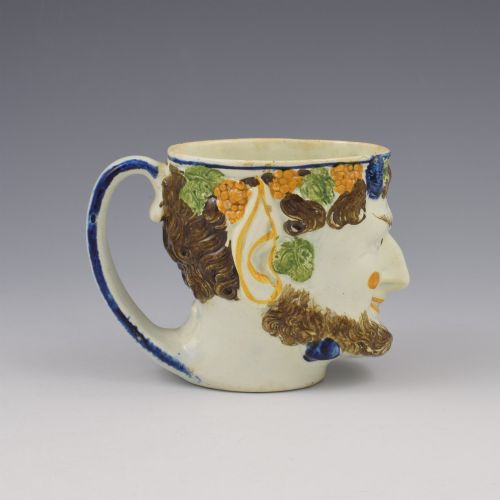
When searching for a georgian ceramic vessel, collectors encounter a diverse group of objects spanning utilitarian items and fine cabinet pieces. The selection includes drinking vessels like mugs, tankards, and loving cups alongside display items such as wine coolers, apothecary jars, and vases.
Most examples originate from English potteries and porcelain factories operating during the eighteenth and nineteenth centuries, with notable pieces arriving from continental Europe and China. Forms range from rustic country pottery to refined porcelain decorated with hand-painted motifs.
How They Were Made
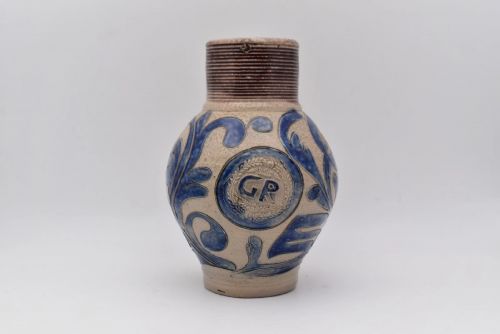
Potters shaped these works using earthenware, stoneware, creamware, pearlware, and porcelain, often applying rich glazes or salt-glazing techniques to seal the clay. Earthenware and stoneware forms supplied daily utility, while porcelain accommodated delicate tea wares and decorative sprinklers.
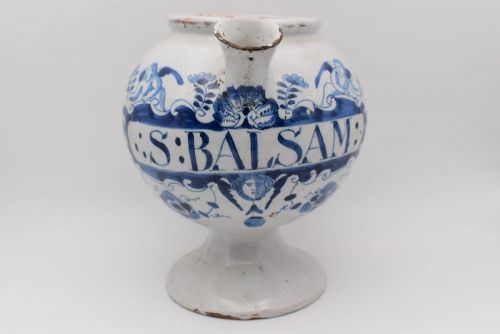
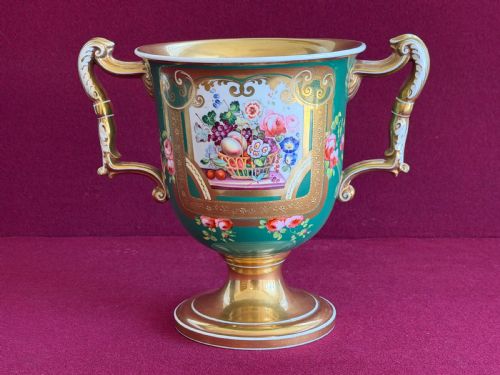
Decoration relied on hand-painting, transfer printing, and polychrome enamels, sometimes enhanced with gold leaf. Salt-glazing produced characteristic pitted surfaces on stoneware jugs, whereas delftware relied on an opaque tin glaze to receive blue painted designs.
Several pieces feature lively frogs and newts peering up from the interior base to surprise the drinker.
What Varies in Quality
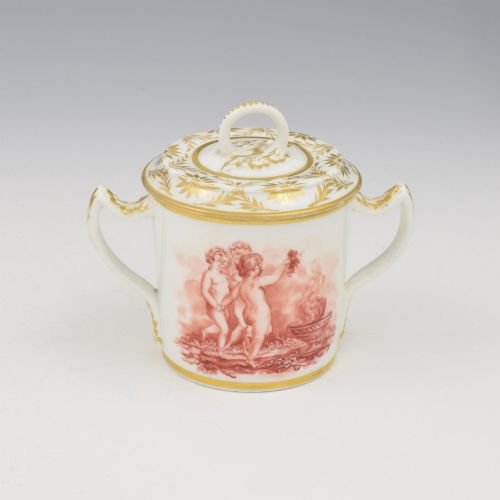
The refinement of the body and the execution of the painted or printed decoration determine the standing of an individual piece. Factory-produced porcelain with finely detailed hand-painted sepia putti or botanical scenes sits at the higher end of the scale.
Utilitarian earthenware and slipware items rely on robust throwing and simple decorative slips rather than delicate brushwork. The crispness of moulded relief work, such as satyr masks or armorial ciphers, also distinguishes standard production from exceptional examples.
Flight, Barr & Barr·Davenport·Bloor Derby·Duesbury & Kean·H & R Daniel·Chamberlain Worcester·Miles Mason·Herculaneum
The Georgian Ceramic Vessel Glossary
- Creamware
- A refined light-coloured earthenware developed in Yorkshire during the eighteenth century. Its warm hue made it a popular alternative to porcelain for dining and serving pieces.
- Pearlware
- An earthenware body developed to imitate Chinese porcelain by adding a small amount of cobalt to the white glaze, which pooled with a slight blue tint.
- Salt-glaze
- A stoneware finish created by throwing common salt into the kiln during high-temperature firing. This process produces a durable, slightly textured surface resembling orange peel.
- Tyg
- A large drinking vessel featuring three or more handles designed for communal passing around a table. These pieces frequently appear in sturdy stoneware or earthenware bodies.
Georgian Ceramic Vessel: Frequently Asked Questions
What are georgian ceramic vessels?
These items encompass functional and decorative containers produced by potteries and porcelain manufactories during the eighteenth and early nineteenth centuries. They range from everyday tavern mugs to ornamental wine coolers and apothecary jars.
The category bridges domestic utility and artistic display, capturing the shifting tastes of British households across several decades of ceramic innovation.
How were apothecary jars used?
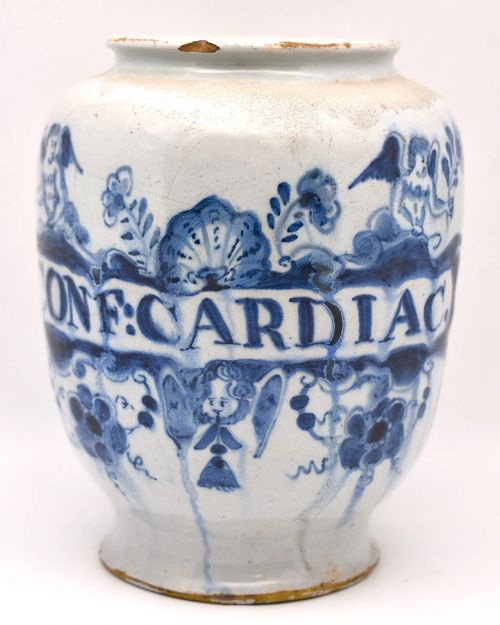
Pharmacies and dispensaries utilised these lidded containers to store dried drugs, wet balsams, and medicinal preparations. Hand-painted labels identified the contents for the apothecary.
Over time, these utilitarian containers found their way into decorative collections due to their striking blue and white painted inscriptions and heraldic marks.
Where should I display large vessels?
Substantial pieces like footbaths, wine coolers, and large bowls demand stable surfaces with adequate depth, such as sideboards or large display tables. Their scale makes them natural focal points in a room.
Placing them away from high-traffic edges protects their historical glazes and handles from accidental knocks while allowing proper appreciation of their decorative panels.