





Antique Earthenware Cup
An antique earthenware cup brings centuries of daily drinking and commemorative tradition to a table, shaped by potters across the Georgian and Victorian eras.
Antique Earthenware Cup
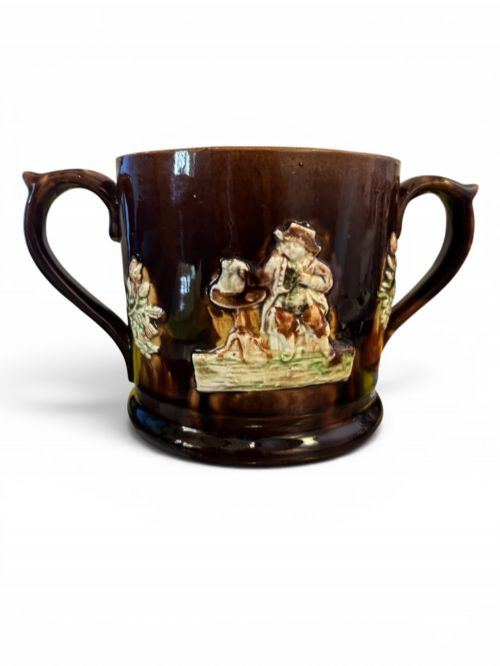
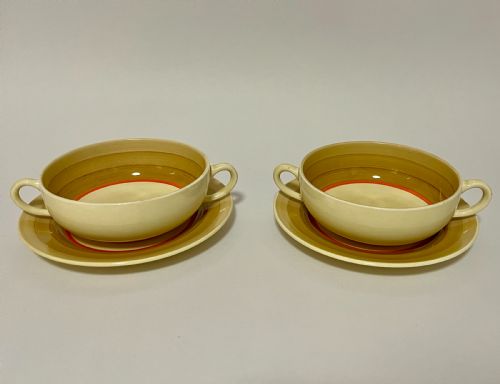
When you search for an antique earthenware cup, you encounter an array of mugs, tankards, and loving cups that span the eighteenth and nineteenth centuries, alongside twentieth-century Art Deco forms. These vessels include utilitarian drinking mugs, commemorative pieces bearing royal jubilees, and domestic ceramic sets intended for tea or coffee.
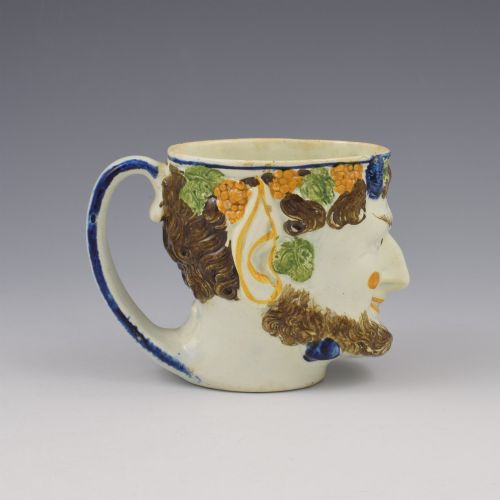
The selection on this page leans heavily toward English Staffordshire production, English Country Pottery, and pearlware ceramics. You will find handled ale tankards with internal surprises, transfer-printed nursery mugs, and hand-painted cups bearing traditional motifs from the Georgian period onward.
How they were made
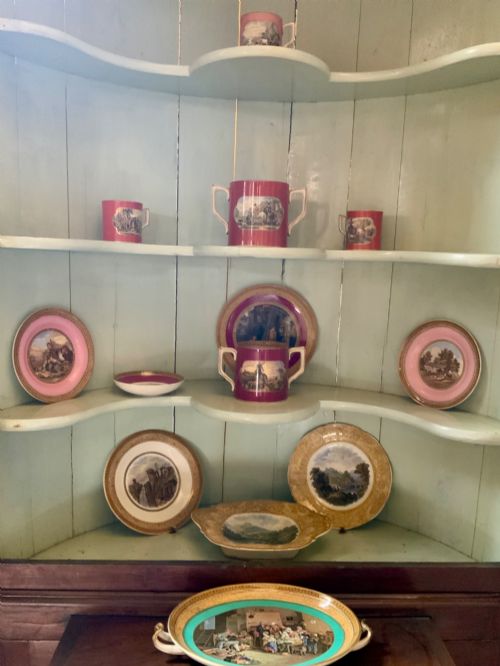
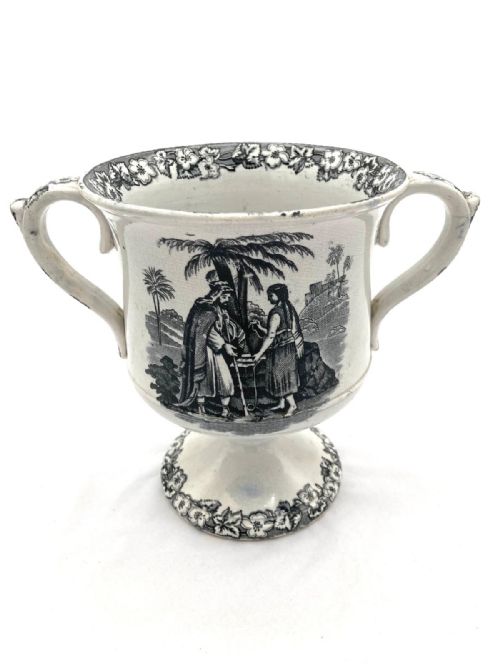
Potters shaped these vessels from earthenware, terracotta, and pearlware ceramic bodies, applying glazes and tin glazes to seal the porous clay. Many pieces utilise black or blue and white transfer printing to apply detailed hunting scenes, poetry, and patterns.
Others display hand-painted polychrome decoration, multicoloured mulberry finishes, or applied figures. Firing techniques across the eighteenth and nineteenth centuries produced the distinct creamware and tin-glazed surfaces seen on posset pots and mugs.
Listings span the eighteenth, nineteenth, and twentieth centuries, incorporating Georgian, Victorian, and Art Deco styles alongside Japanese Meiji period ceramics.
What varies in quality
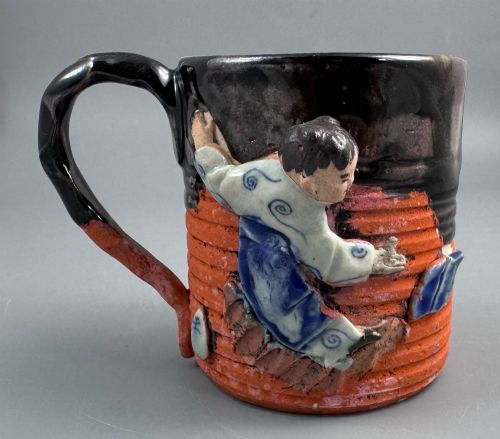
The distinction between standard domestic ware and top-tier examples lies in the crispness of the transfer printing and the skill of the hand-painting. Superior pieces maintain vibrant polychrome glazes and well-defined applied figures, such as the satyrs and karako figures found on specific mugs.
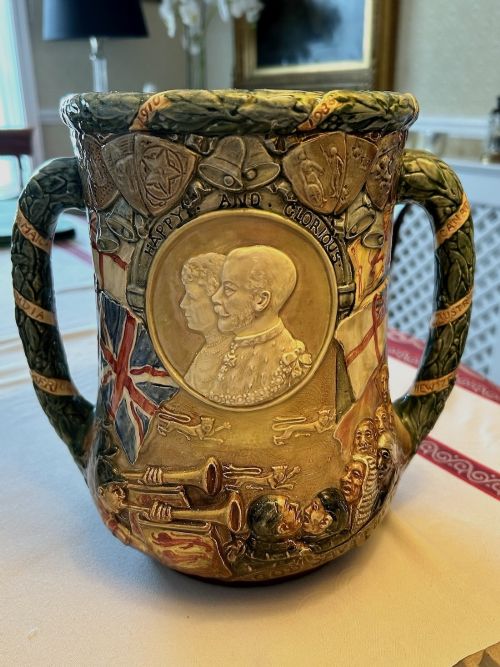
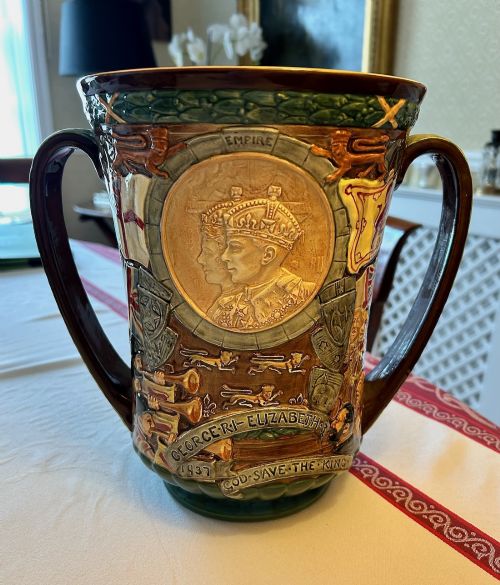
Historical significance and scarce commemorative subjects also separate ordinary drinking vessels from masterworks. Coronation cups, institutional pieces bearing specific school marks, and named potters' output represent the upper tier of the range.
Royal Doulton·Clarice Cliff·Sarreguemines·Wemyss
The Antique Earthenware Cup Glossary
- Pearlware
- A refined earthenware developed in the late eighteenth century with a bluish glaze that pooled in recesses, designed to resemble Chinese porcelain. It forms the body of many early mugs.
- Tin Glaze
- An opaque white glaze containing tin oxide, providing a smooth surface for painted decoration on delft pottery. It was widely utilised before creamware gained popularity.
- Loving Cup
- A large two-handled drinking vessel passed among guests at celebrations and communal gatherings. These often featured commemorative transfer prints or interior surprises.
- Frog Mug
- A drinking mug featuring a ceramic frog or newt modelled inside the bottom, designed to startle the drinker as the liquid drained. They are typical of nineteenth-century English pottery.
- Creamware
- A fine earthenware with a pale yellowish-cream glaze, perfected by Staffordshire potters in the eighteenth century. It offers a warm background for hand-painted patterns.
Antique Earthenware Cup: Frequently Asked Questions
What is a frog mug?
A frog mug is a drinking vessel featuring a small ceramic frog modelled on the interior base, positioned to emerge as the user finishes their drink. These were common in nineteenth-century English pubs and celebrations.
Potters often added painted details or poems around the rim to enhance the surprise. They served as humorous presentation pieces rather than standard tableware.
How do I date an earthenware cup?
Dating relies on the ceramic body type, glaze characteristics, and decorative style, such as transfer printing versus hand painting. Early pieces often utilise creamware or pearlware bodies with tin glazes.
Commemorative inscriptions naming monarchs or specific historical events provide a precise baseline for manufacture. Stylistic shifts from Georgian hand-painted motifs to Victorian transfers and Art Deco forms further clarify age.
Were these cups used daily?
Many earthenware mugs and tankards saw active service in homes and taverns for ale, tea, or milk. Sturdier pieces endured decades of handling before entering collections.
Commemorative pieces and nursery mugs were often kept as keepsakes rather than utilised for everyday drinking. Wear patterns and institutional markings indicate whether a vessel served a school, a regiment, or a domestic table.
What is a posset pot?
A posset pot is a two-handled lidded vessel used for serving posset, a historical hot drink made of curdled milk mixed with wine or ale and spices. They date back to the eighteenth century and earlier.
The spouts and multiple handles allowed guests to drink the mixture comfortably during communal gatherings and celebrations. Their survival rate makes them notable examples of early ceramic history.