


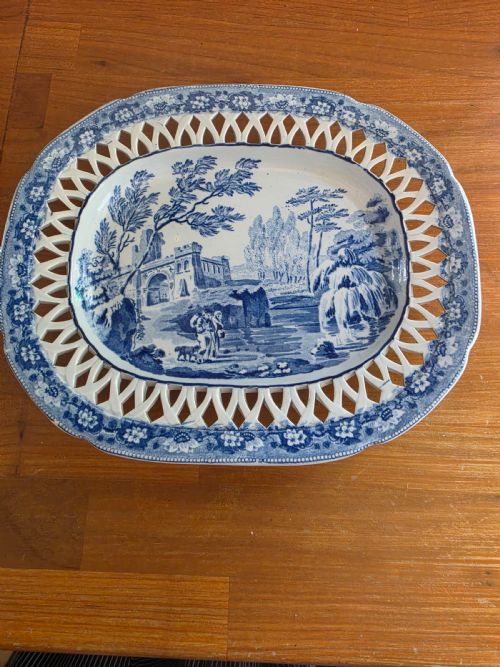
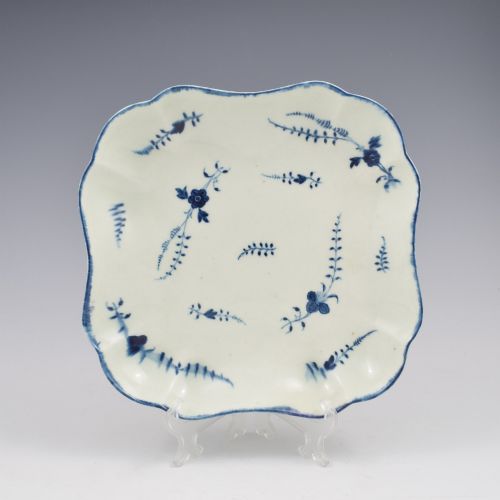
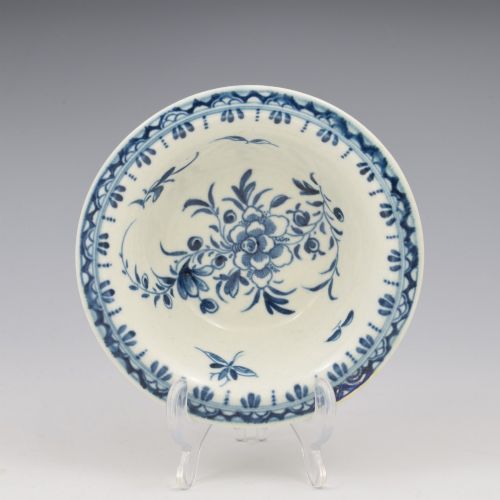
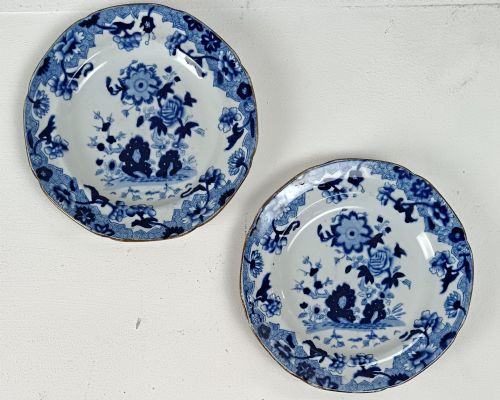

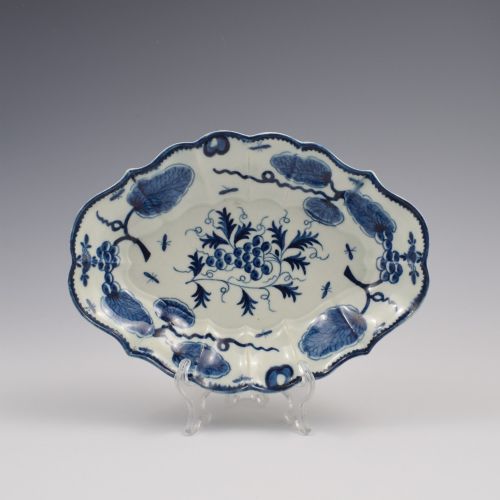
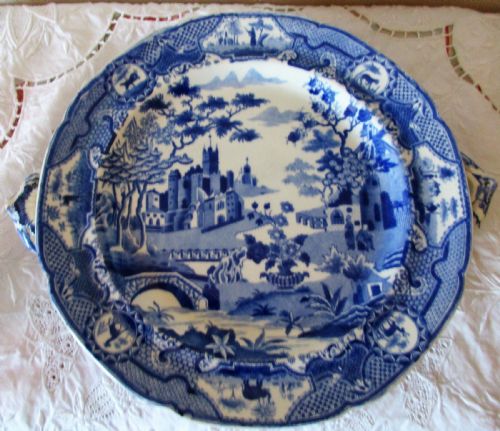
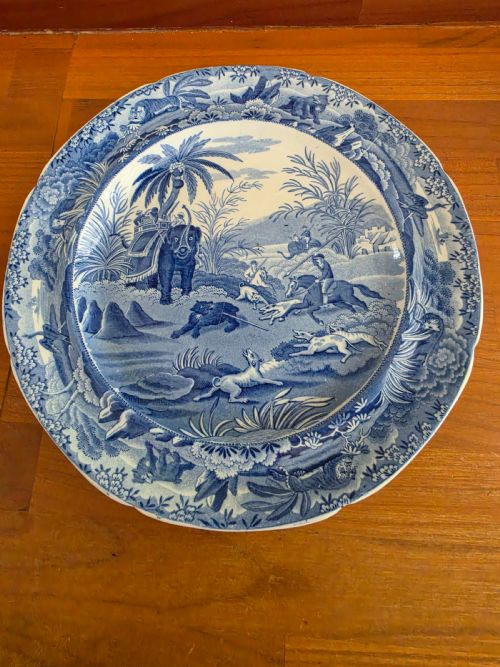
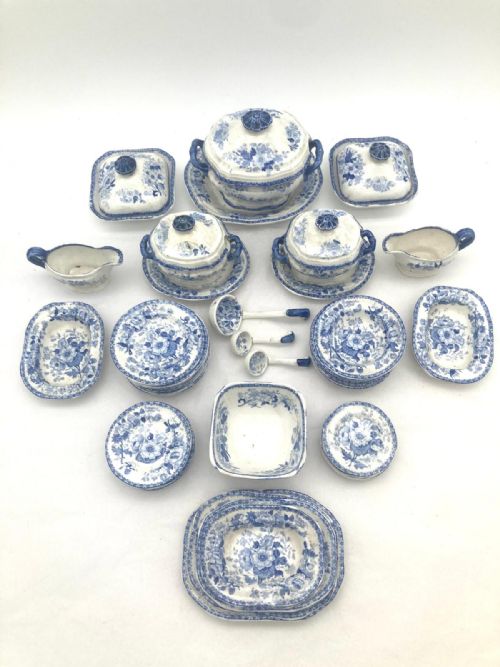
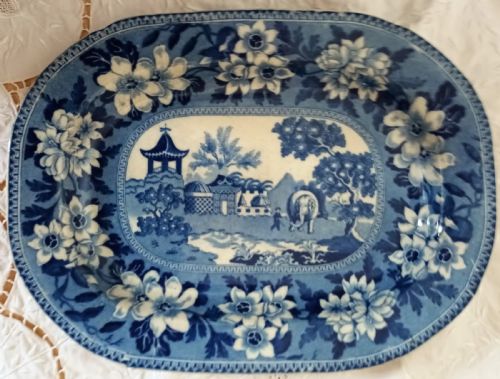
Georgian Blue White Plate
A georgian blue white plate brings cobalt scenes and tin-glazed earthenware to the table, offering a tangible link to eighteenth-century commerce and domestic life.
Georgian Blue White Plate
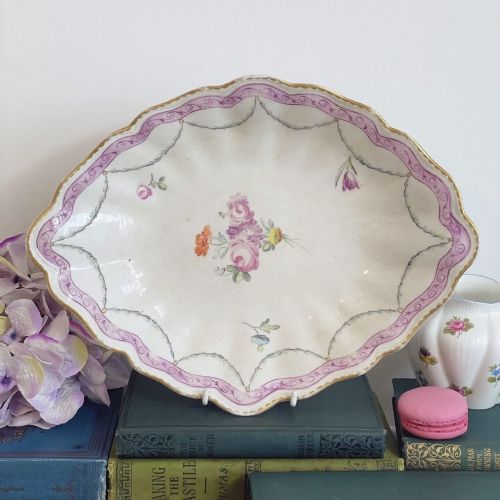
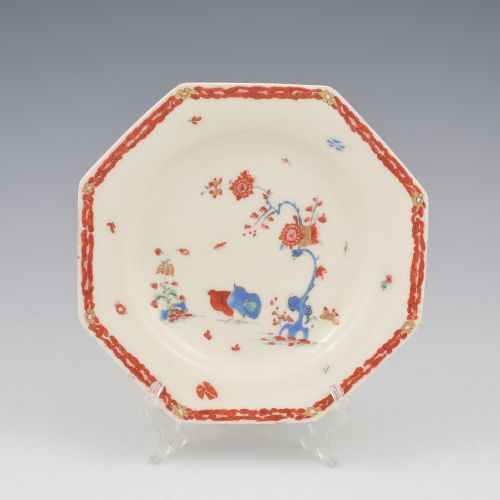
A georgian blue white plate encompasses an array of table wares produced across the eighteenth and early nineteenth centuries, ranging from utilitarian earthenware to porcelain dishes. Buyers encounter tin-glazed chargers alongside transfer-printed pearlware and ironstone serving pieces.
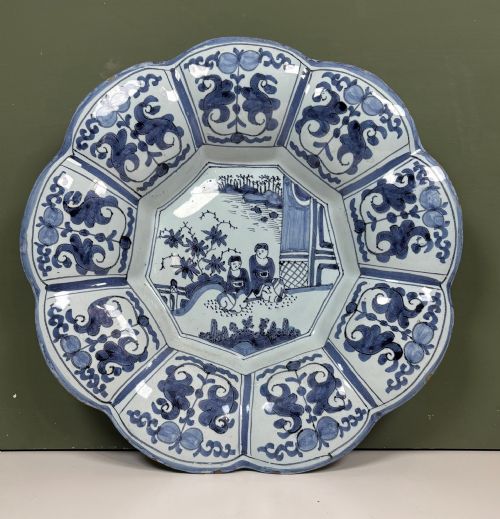
The category spans decorative chargers, meat plates, and dessert dishes originating from English factories and delftware potteries. Forms vary from octagonal platters to standard round plates intended for both display and dining.
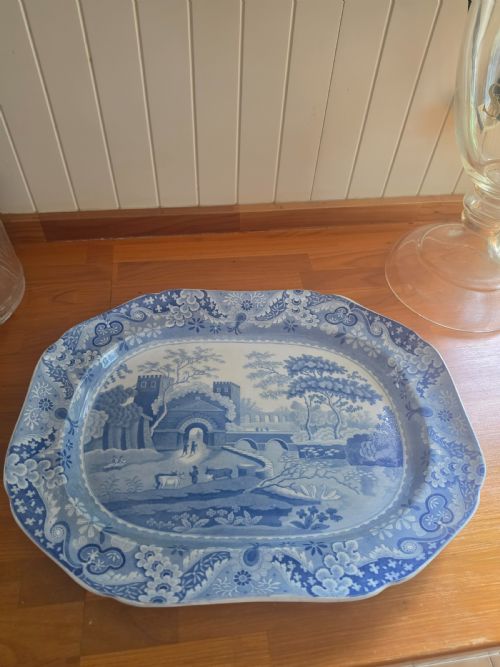
Makers such as Spode, Davenport, and Wedgwood dominate the production seen in this selection, applying cobalt pigment to landscapes, historical views, and oriental scenes. Pieces bridge the gap between functional kitchenware and collected display items.
How They Were Made
Potters utilised earthenware, soft-paste porcelain, and pearlware as the base bodies for these ceramics, applying tin glazes or clear lead glazes over the clay. Cobalt pigment provided the deep blue coloration, painted by hand on earlier pieces or transferred via copper plates on later pearlware.
Firing took place in traditional kilns where temperature control dictated the depth of the glaze and the sharpness of the cobalt transfer. Ironstone and New Stone bodies emerged towards the end of the period to offer greater durability for heavy serving dishes.
What Varies in Quality
The clarity and registration of the cobalt transfer dictate visual success, with superior examples showing crisp outlines without blurring or pooling of the pigment. Hand-painted delftware and porcelain rely on the brushwork and depth of tone achieved by the individual decorator.
The refinement of the clay body and the smoothness of the glaze surface separate everyday utility wares from fine cabinet specimens. Edge wear, warping from the kiln, and the stability of the foot rim influence the overall preservation of each dish.
Spode·Davenport·Wedgwood·Minton·Caughley·Bow·Worcester·Mason·John Rogers and Son·James and Ralph Clews
The Georgian Blue White Plate Glossary
- Pearlware
- A refined earthenware developed in the late eighteenth century featuring a bluish-white glaze that made the underlying ceramic appear whiter. It served as the primary canvas for transfer-printed topographical views.
- Tin Glaze
- An opaque white glaze containing tin oxide, applied to earthenware bodies before painting. It formed the smooth surface characteristic of delftware chargers.
- Transfer Printing
- A technique where an engraved copper plate transferred a design onto tissue paper, which was then pressed onto the unglazed or bisque ceramic. This method allowed intricate patterns to be reproduced consistently across multiple plates.
- Chinoiserie
- A decorative style reflecting European interpretations of Chinese art, frequently rendered in cobalt blue on porcelain and earthenware plates. It often featured imaginary pavilions, bridges, and figures.
- Charger
- A large ornamental or serving plate, typically measuring over twelve inches in diameter, designed for display on dresser walls or central placement on dining tables.
Georgian Blue White Plate: Frequently Asked Questions
How do I date a blue and white plate?
Dating relies on body composition, manufacturing marks, and the printing technique applied to the ceramic surface. Pearlware and transfer printing typically point toward the late eighteenth or early nineteenth century, while tin glaze suggests an earlier eighteenth-century origin.
Factory marks stamped or painted on the reverse offer precise attribution when available. Stylistic clues within the cobalt landscape also help narrow the manufacturing window.
Can I use these plates for dining?
Most antique ceramics of this age are better suited for display or careful handling rather than daily meals. Historic glazes and softer earthenware bodies can be vulnerable to modern detergents and cutlery scratching.
Serving cold foods occasionally is acceptable for sturdier ironstone platters, provided they are washed by hand immediately afterward. Harsh dishwashers must be avoided entirely to preserve the glaze.
How should I hang a antique plate?
Displaying plates on walls requires coated wire hangers that distribute pressure evenly across the rim without causing friction chips. Spring-loaded brass clips must be adjusted carefully to avoid stressing the fragile ceramic body.
Alternatively, dedicated shallow plate grooves on wooden display rails offer a secure mounting option without direct hardware contact. Wall placement should avoid areas prone to direct sunlight and extreme temperature fluctuations.