



Antique Staffordshire Plate
An antique staffordshire plate brings historical transferware and earthenware into a home, offering collectors patterned ceramic scenes from the eighteenth and nineteenth centuries.
Antique Staffordshire Plate
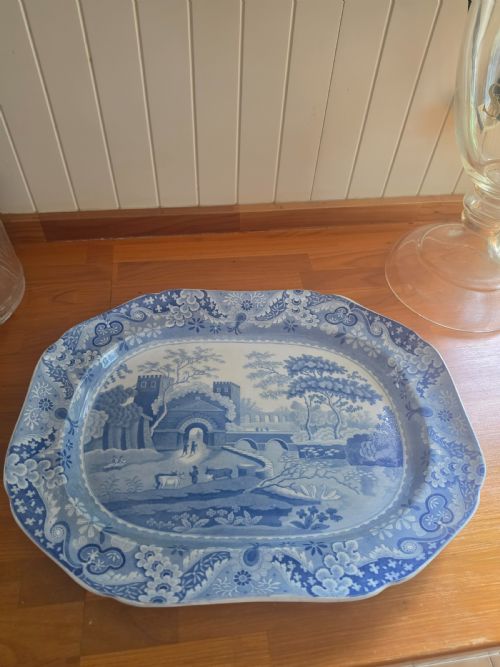
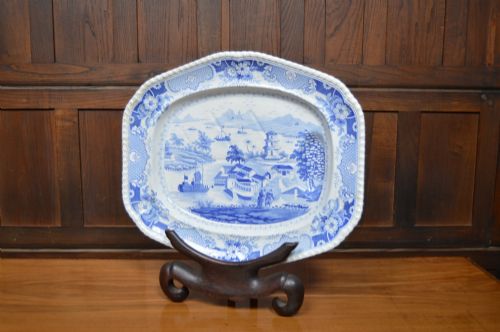
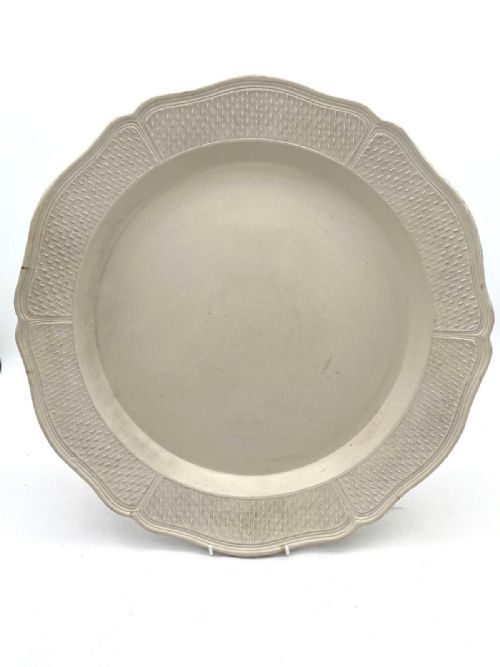
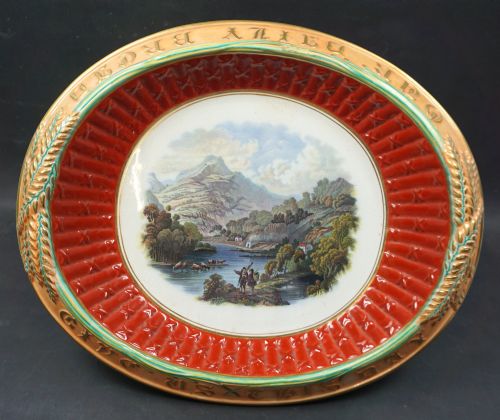
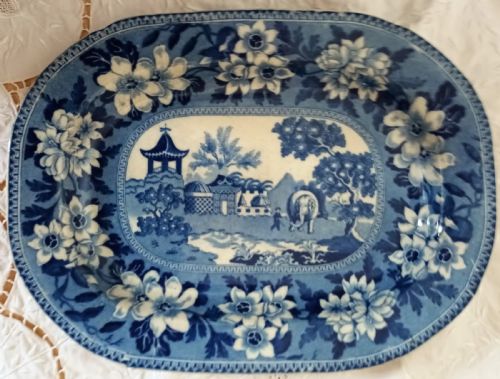
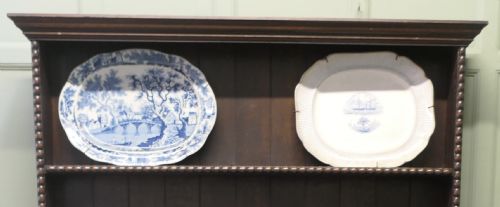
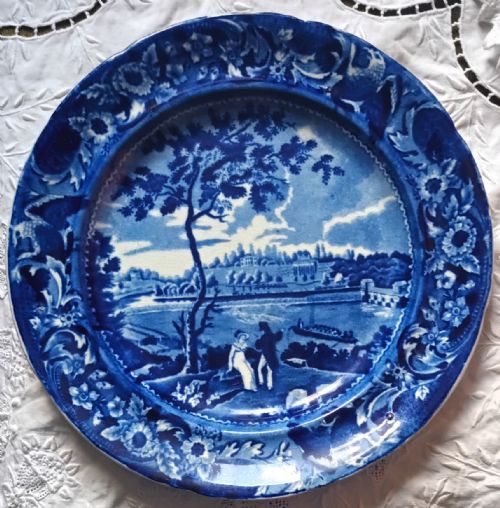
An antique staffordshire plate encompasses a broad range of ceramic tablewares produced in the Staffordshire potteries during the Georgian and Victorian eras. These items include blue and white transfer-printed dishes, large chargers, serving platters, and soup bowls decorated with topographical scenes, animal motifs, and Oriental patterns. Buyers searching this phrase most frequently encounter nineteenth-century blue and white transferware and pearlware examples featuring distinct printed borders.
The forms vary from small dessert plates to large meat platters and heavy ironstone dishes designed for formal dining tables. Production spans several periods, moving from early pearlware bodies decorated with shell-edge or Chinoiserie designs to mid-nineteenth-century historical views and botanical series. Collectors select these pieces for their narrative transfer prints, which often depict specific topographical landmarks, literary subjects, or architectural fantasies.
Materials and production techniques
Potters utilised earthenware, pearlware, ironstone, and porcelain as the ceramic base for these dishes, applying an opaque tin glaze or a clear lead glaze over the clay body. Many pieces rely on earthenware and refined pearlware to achieve a smooth surface suited to fine underglaze printing.
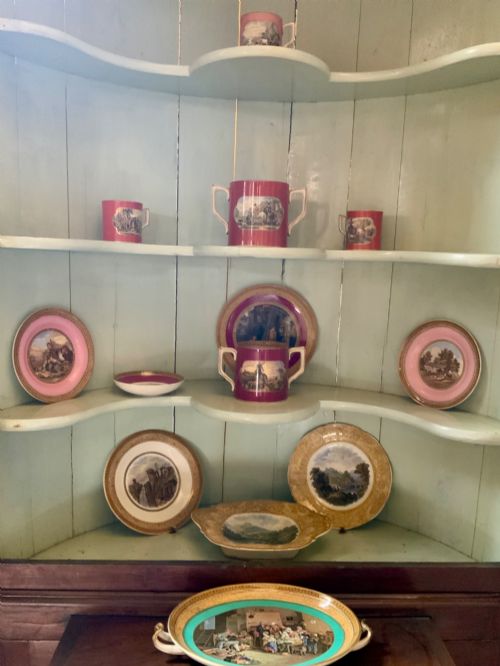
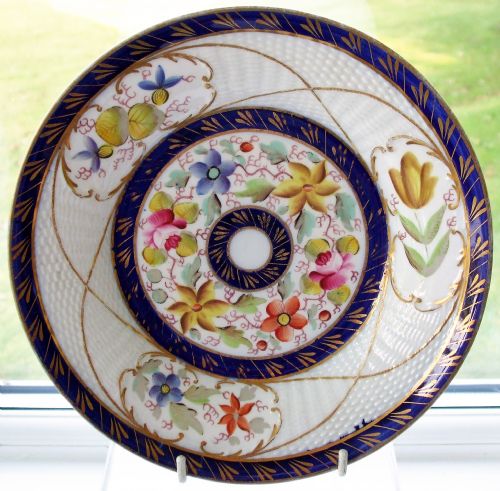
Makers applied decoration primarily through copperplate transfer printing, transferring engraved ink patterns onto the biscuit or glazed ceramic before firing. Additional hand-painting in enamels, Imari palettes, or gold leaf occasionally complemented the printed outlines on finer earthenware and porcelain wares.
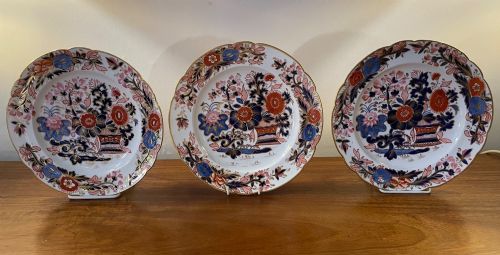
Listings feature eighteenth and nineteenth-century earthenware, pearlware, and ironstone plates decorated with blue and white transfer prints, Imari palettes, and botanical designs.
Evaluating quality in ceramics
Quality rests upon the crispness of the transfer print, the clarity of the underlying glaze, and the absence of heavy manufacturing warping in the kiln. Superior examples display sharp lines in complex pictorial scenes without blurring or ink pooling in the recessed areas.
The refinement of the ceramic body and the ambition of the pattern also distinguish finer plates from standard utilitarian wares. Richness in the cobalt blue tones, coupled with well-balanced composition and skilled hand-applied enamel highlights, separates standard production from exceptional factory outputs.
John Rogers And Son·Stubbs·John Ridgway·William Adams·Brameld And Co
The Antique Staffordshire Plate Glossary
- Pearlware
- A refined earthenware developed in the late eighteenth century featuring a subtle bluish tinge in the glaze designed to mimic Chinese porcelain.
- Transferware
- Pottery decorated by pressing a paper design inked from an engraved copper plate onto the ceramic surface before firing.
- Ironstone
- A durable, heavy ceramic body patented in the early nineteenth century that combined earthenware clay with slag and feldspar for strength.
- Charger
- A large decorative plate or platter typically displayed on a wall or sideboard rather than used for direct dining service.
- Imari palette
- A decorative colour scheme utilising underglaze cobalt blue, iron red, and gilt highlights inspired by Japanese export porcelain.
Antique Staffordshire Plate: Frequently Asked Questions
How do I date an old Staffordshire plate?
Dating relies heavily on the ceramic body type, such as early pearlware versus later ironstone, alongside the style of the transfer-printed mark on the reverse. Backstamps, registry diamonds, and specific historical event commemorations help narrow the production decade.
Changes in glaze chemistry and the depth of the blue transfer print also provide reliable chronological indicators for pieces lacking a direct factory mark.
Are these plates safe for daily use?
Most antique plates feature soft earthenware bodies and historical glazes that are susceptible to staining, crazing, and chemical interaction from modern dishwashing detergents. Collectors generally reserve them for display or gentle decorative use.
Hand washing in tepid water without harsh abrasives preserves the integrity of the fragile glaze and prevents further deterioration of the ceramic body.
What caused the blue colour in transferware?
Potters used refined cobalt oxide mixed with oil as the primary pigment for the engraved copper plates during the underglaze printing process. This compound withstood the extreme heat of the kiln without burning away.
Firing temperatures dictated the exact depth and tone of the cobalt, ranging from pale grey-blue to deep, vibrant indigo.