
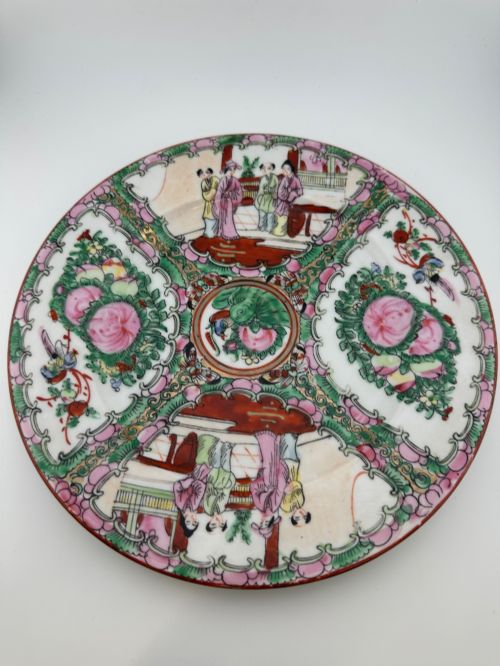

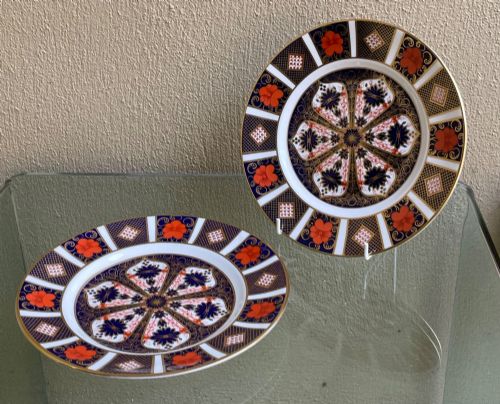

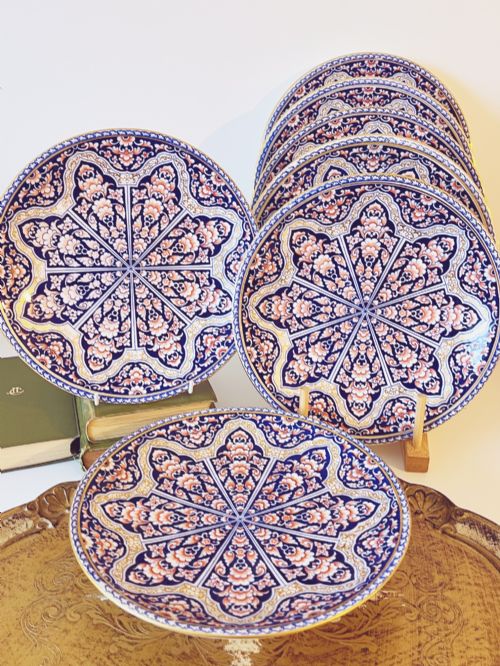
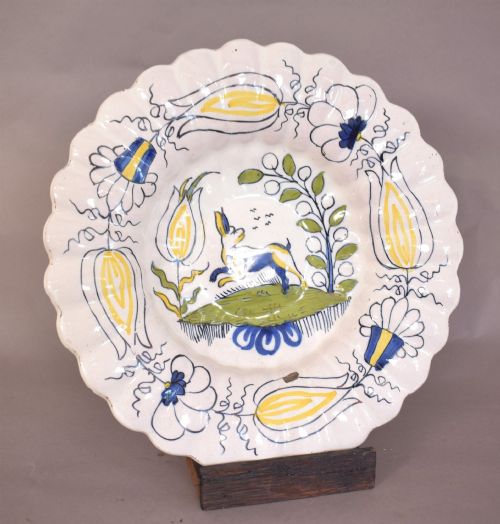


Vintage Decorative Wall Plate
A vintage decorative wall plate brings rich colour and pattern directly to a plain surface, drawing the eye with painted porcelain, metal inlay, or tin-glazed earthenware.
Vintage Decorative Wall Plate
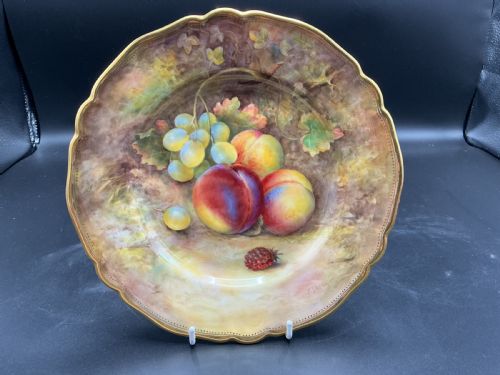
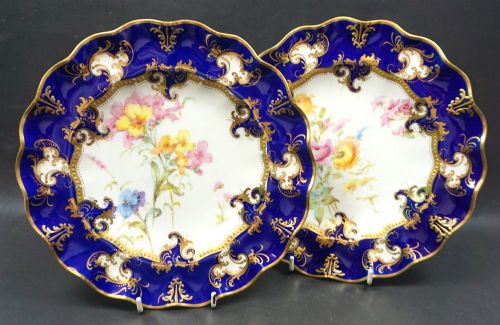
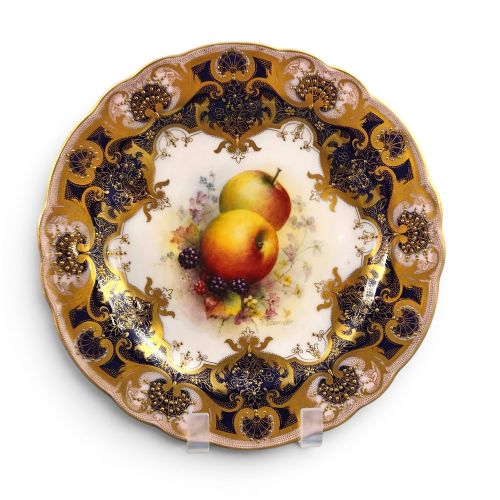
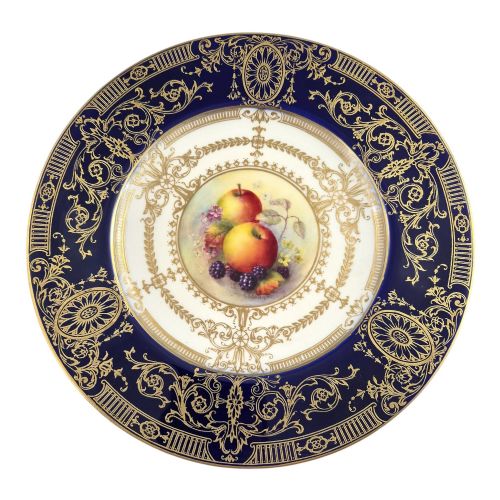
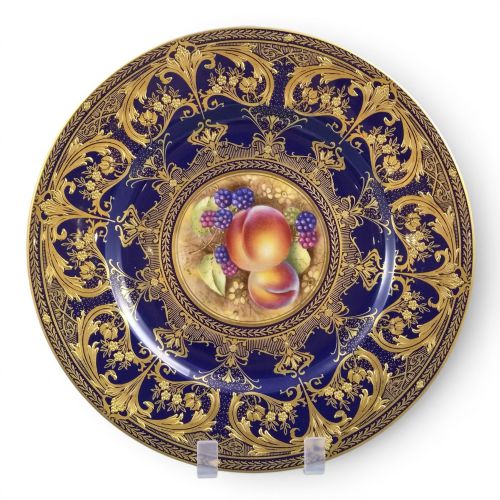
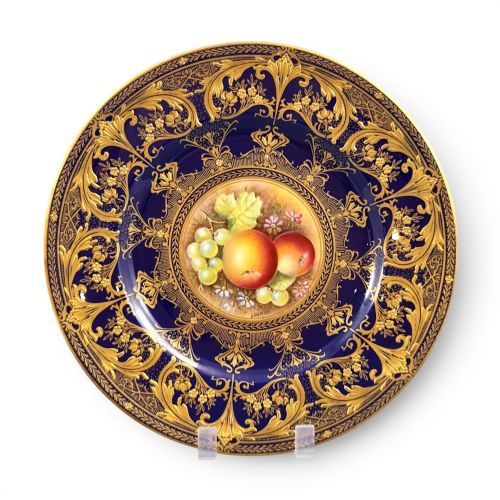
When searching for a vintage decorative wall plate, buyers encounter a diverse selection of ceramic and metal vessels originally intended for display rather than dining. These pieces span centuries of craftsmanship, from Japanese Imari porcelain and Dutch Delft tin-glazed earthenware to intricate cloisonné enamel and Royal Worcester bone china.
The selection frequently includes large charger plates, cabinet plates, and metal plaques originating from periods ranging from the late Victorian and Edwardian eras up through the mid-twentieth century. Many items arrive with hanging fixtures or broad rims designed specifically to showcase detailed hand-painted scenes, botanical studies, and traditional motifs.
Makers represented across the inventory include renowned potteries and studios such as Royal Crown Derby, Royal Worcester, and various Meiji period Japanese workshops. Buyers select these items to anchor a room's decorative scheme, utilising their varied diameters and distinct regional aesthetics to create striking focal points.
How they were made
Porcelain and ceramic pieces rely on traditional throwing and moulding techniques followed by multiple firings to set cobalt blue underglazes or polychrome overglazes. Artisans often applied fine gold leaf or hand-painted botanical studies directly onto bone china surfaces before a final glaze firing fixed the pigments.
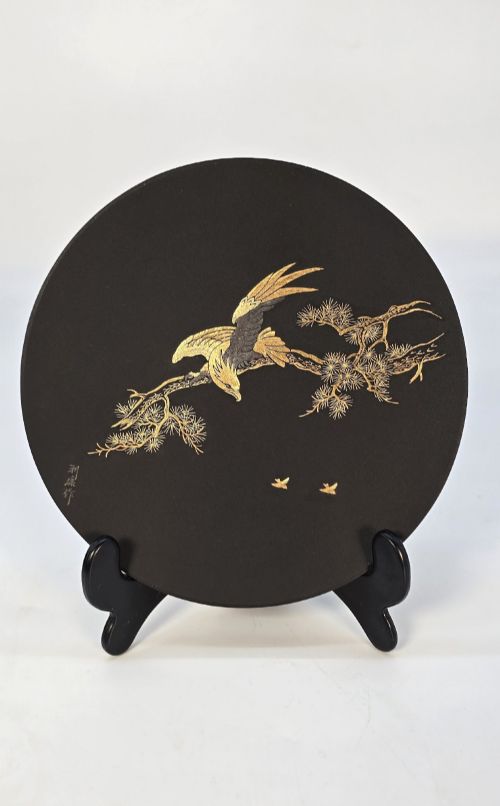
Metal vessels utilise hammering, patination, and repoussé techniques on copper, brass, or iron bases. Craftsmen then inlaid silver and gold into the etched metal surfaces, or applied vitreous enamel within wire cloisonné cells to build complex pictorial compositions.
Listings feature porcelain, copper, brass, and bone china across Victorian, Edwardian, and twentieth-century periods.
What varies in quality
The distinction between standard production items and masterworks rests upon the precision and complexity of the hand application. Finely painted fruit plates and intricate cloisonné enamel panels demonstrate superior brushwork, depth of tone, and meticulous detail in every motif.
Material preparation and finishing also dictate standard, where smooth glazes, crisp metal inlays, and balanced weight elevate the piece. The distinction shows in how faithfully a studio executed traditional designs, maintaining sharp lines and vibrant, stable pigments across the entire surface.
Royal Crown Derby·Royal Worcester·Koshida·John Ford
The Vintage Decorative Wall Plate Glossary
- Charger
- A large ornamental plate traditionally displayed on a wall or sideboard rather than used at the dining table. These substantial vessels often measure over thirty centimetres across and carry the heaviest painted or enamelled decoration.
- Cloisonné
- An enamelling technique where metal wire is soldered to a metal base to form compartments, which are then filled with coloured glass paste and fired. This method creates intricate cells of vibrant colour across plaques and plates.
- Imari
- A style of Japanese porcelain featuring a distinct palette of underglaze blue, iron red, and added gold highlights. Originating from the Hizen province, these pieces display dense geometric and floral patterns.
- Delftware
- Tin-glazed earthenware produced in the Netherlands and England, known for its opaque white surface and blue painted decoration. Artisans often drew inspiration from Chinese porcelain motifs imported during the seventeenth century.
- Repoussé
- A metalworking method in which a design is hammered into relief from the reverse side of a copper, silver, or brass sheet. This technique creates tactile, three-dimensional surface patterns on trays and wall dishes.
Vintage Decorative Wall Plate: Frequently Asked Questions
How do I hang a heavy charger safely?
Large plates and metal chargers require a coated wire spring hanger that distributes the weight evenly across the rim. Ensure the wall fixing is secured directly into a stud or utilises an appropriate anchor for the wall type.
Avoid adhesives or clips that apply concentrated pressure to a single point on the ceramic or enamel body. Periodically check the tension of the spring to maintain a secure grip.
Can these plates be used for serving food?
Most antique decorative wall plates and cabinet pieces are intended purely for display rather than culinary use. Older glazes and metallic finishes, particularly on historic earthenware or inlaid metalware, may contain materials unsuited for contact with food.
Furthermore, delicate overglaze enamels and gold leaf can wear away or scratch easily with cutlery. Enjoy these items as visual art on the wall rather than tableware.
How do I clean an antique enamelled plate?
Dust enamel and porcelain surfaces gently with a soft, dry microfibre cloth to remove everyday particles. Avoid using chemical cleaners, abrasive pads, or running water on items with delicate metal inlay or historic glazes.
If deeper cleaning is necessary, consult a professional restorer to prevent moisture from damaging vulnerable backing materials or older adhesives.
How do I tell Japanese Imari from European copies?
Examine the body of the plate and the characteristics of the glaze under a strong light. Japanese Imari from the Meiji period typically exhibits a slightly gritty unglazed foot rim, subtle iron-spotting in the paste, and hand-mixed pigments that sit slightly raised on the surface.
European reproductions often feature crisp, bright white porcelain bodies with perfectly uniform printed outlines beneath a smooth, modern glaze.