
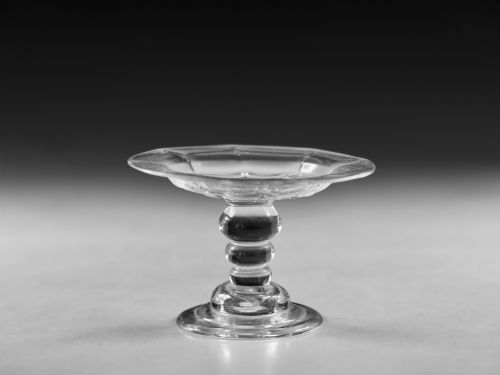


Georgian Baluster Stem Glass
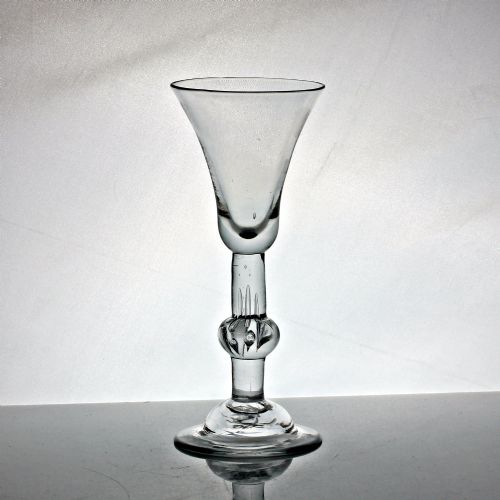
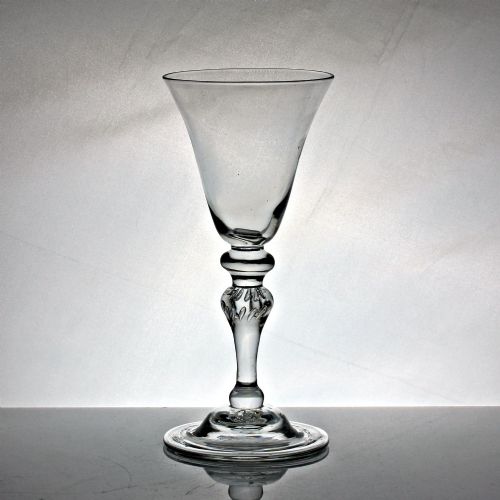
Georgian baluster stem glass examples are substantial drinking vessels defined by hefty knopped stems, prized for their bright handle and pleasing heft.
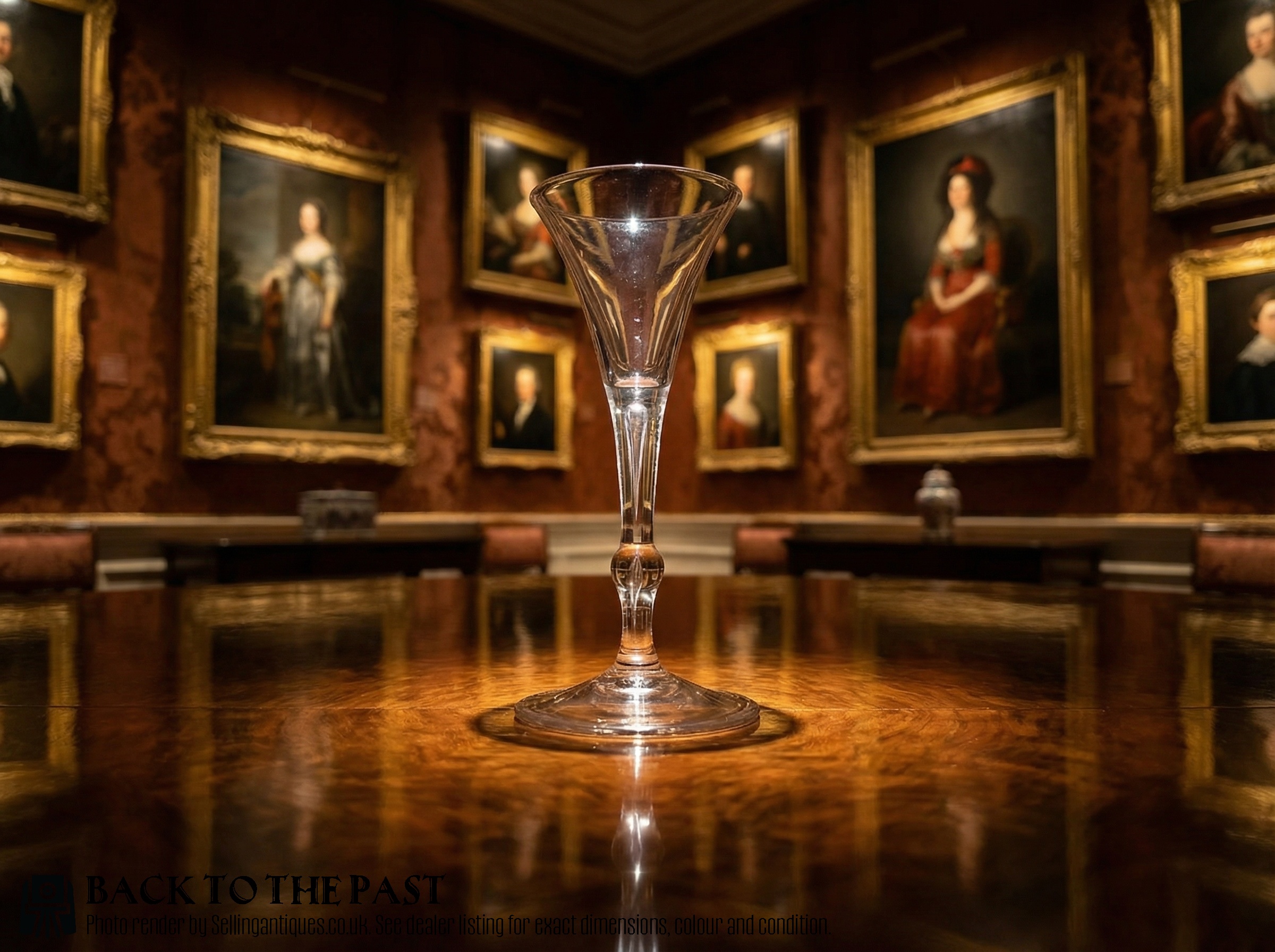
Georgian Baluster Stem Glass
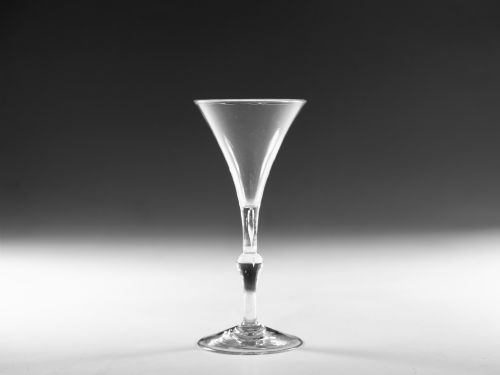
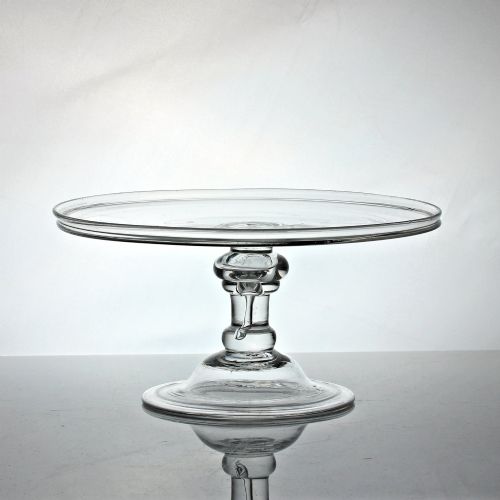
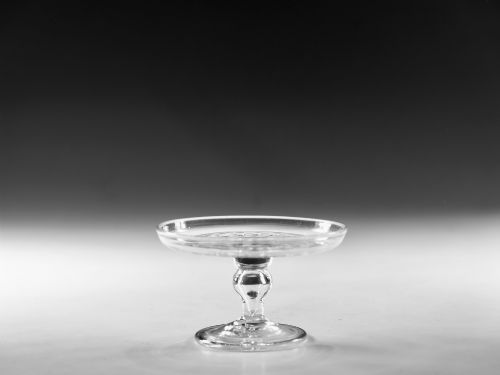
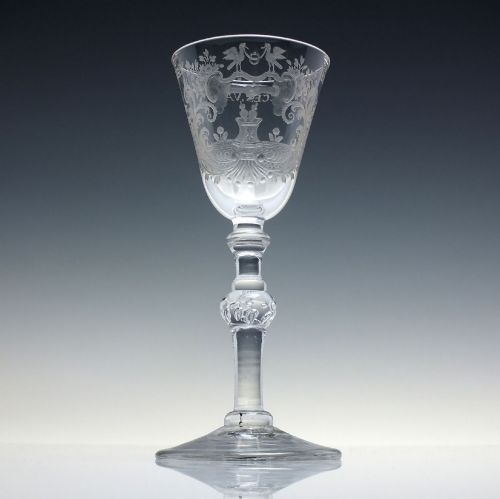
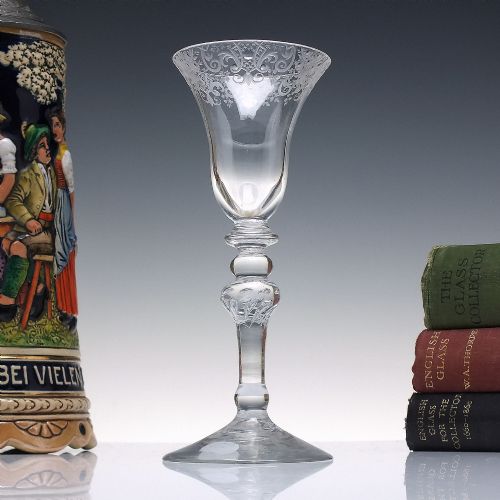
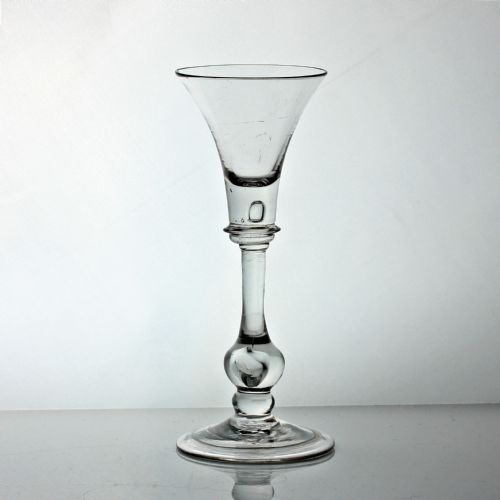
A georgian baluster stem glass is a heavy drinking vessel primarily emerging from the eighteenth century, including the Georgian and George II periods. Buyers searching this phrase encounter wine glasses, wine goblets, dram glasses, sweetmeat glasses, and tazzas featuring distinctive knopped supports.
Most pieces date between seventeen-fifteen and seventeen-sixty, showcasing clear lead glass or flint glass compositions. The forms vary from heavy balusters and light balusters to balustroids, often carrying engraved decoration or teardrop inclusions within the stem.
Materials and Construction
These items were produced using blown glass techniques, utilising lead glass, clear lead glass, flint glass, and crystal. The molten material was shaped by hand, forming distinctive domed feet and substantial stems.
Makers incorporated air bubbles, known as teardrops, directly into the knopped stems during the blowing process. Engraving was frequently applied to the bowls using wheel-cutting methods.
Judging Quality in Baluster Stem Glassware
Quality rests upon the proportion and weight of the metal, alongside the crispness of the stem knops. Superior examples display brilliant clarity in the lead glass and balanced form between foot, stem, and bowl.
The Georgian Baluster Stem Glass Glossary
- Baluster
- A thick, swelling stem form derived in architecture, adapted for drinking vessels with prominent knops.
- Balustroid
- A slender variation of the baluster stem, popular in the mid-eighteenth century.
- Tazza
- A shallow stemmed plate or dish used for serving sweetmeats or desserts.
- Dram glass
- A small drinking vessel designed for consuming spirits or liqueurs.
- Teardrop
- An elongated air bubble intentionally trapped within the stem of a glass during manufacture.
Georgian Baluster Stem Glass: Frequently Asked Questions
What is a baluster stem glass?
A baluster stem glass is an eighteenth-century drinking vessel featuring a heavy, knopped stem derived from architectural balusters. These pieces are typically formed from lead glass and exhibit substantial weight.
They encompass wine glasses, goblets, and dram glasses produced predominantly during the Georgian era.
How do I date a Georgian glass?
Dating relies on examining the metal composition, form, and stem construction. Eighteenth-century pieces often display lead crystal properties, air teardrops, and folded or domed feet.
Changes in silhouette from heavy balusters to slender balustroids help narrow the decade of production.
What is a balustroid stem?
A balustroid stem is a lighter, more slender version of the traditional heavy baluster. It retains the knopped profile while using less glass material.
This form became widespread around the middle of the eighteenth century.
Can I use antique wine glasses?
Using these items depends on personal preference regarding care and handling. Many collectors prefer to display them as decorative art or serve dry items from sweetmeat glasses and tazzas.
Hand washing in warm water is required if used for dining.