


Antique Lead Glass Stemware
Antique lead glass stemware brings tactile weight and historic clarity to the table, spanning robust eighteenth-century balusters and delicate twentieth-century coupes.
Antique Lead Glass Stemware
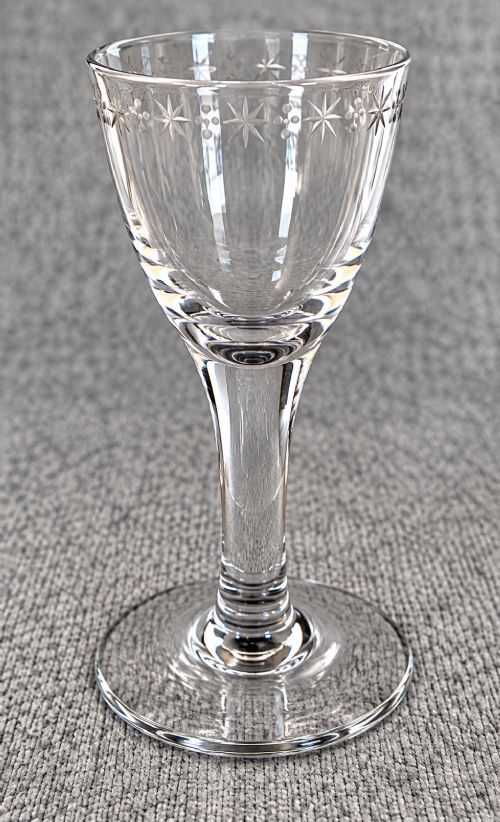
Antique lead glass stemware encompasses drinking vessels designed for wine, ale, rum, and champagne across the Georgian, Victorian, and later periods.
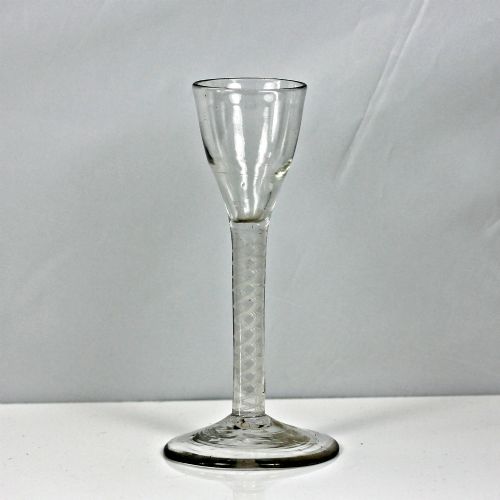
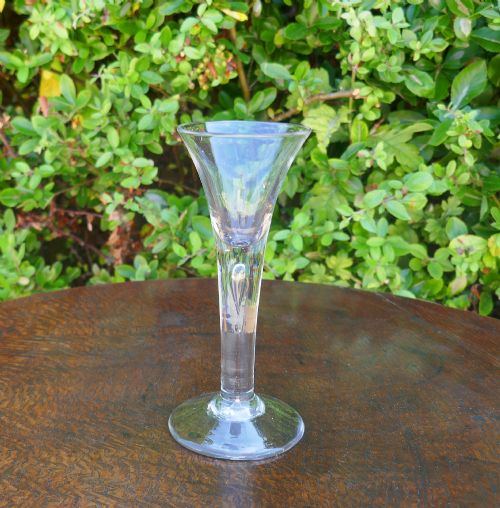
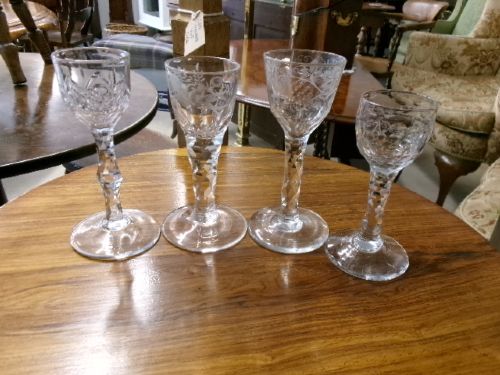
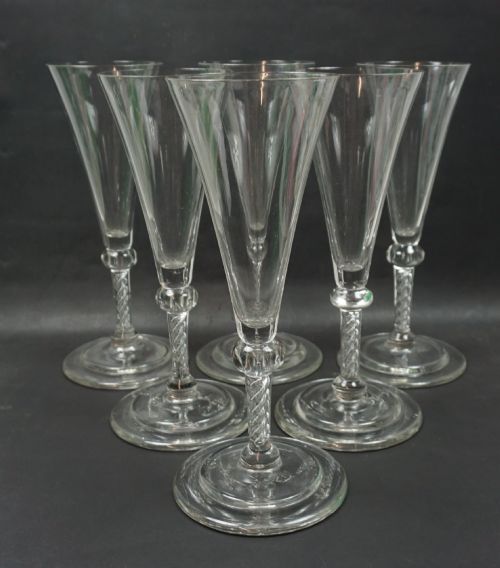
The pieces appearing most frequently on this page are eighteenth-century wine glasses displaying distinctive stem formations such as air twists, opaque twists, and heavy balusters.
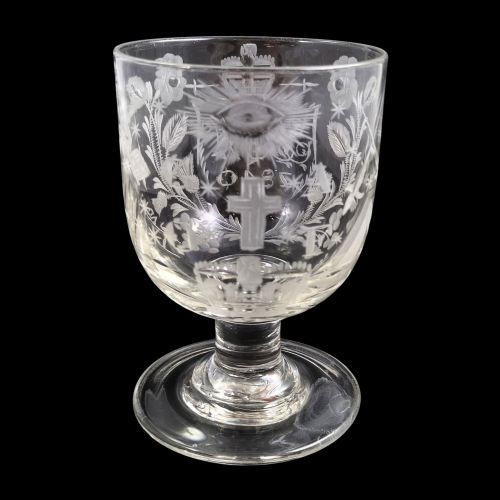
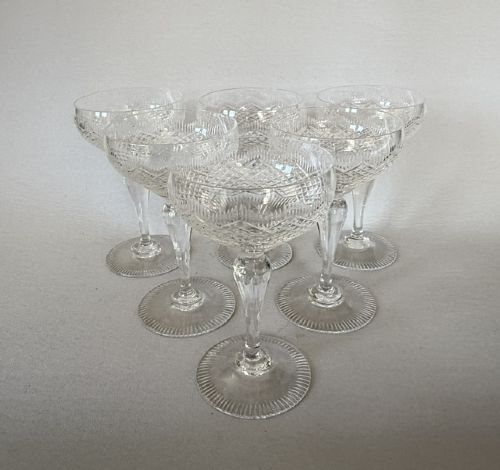
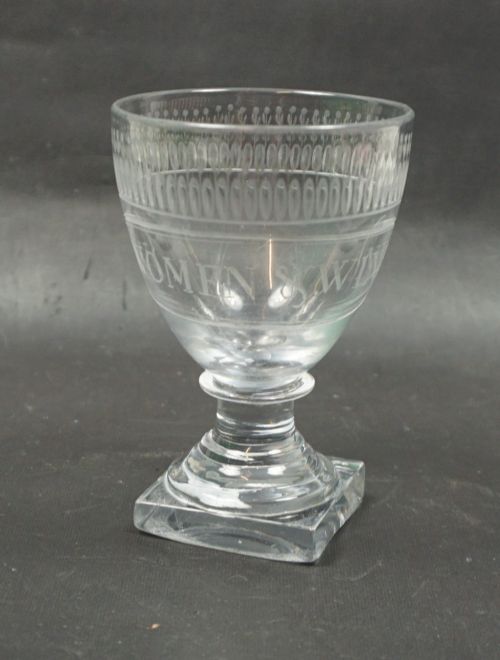
Forms extend beyond standard wine glasses to include dram glasses, rummers, ale glasses, and champagne coupes spanning the 1750s through to the 1920s.
Materials and construction methods
The primary material is lead glass or flint glass, noted for its refractive index and substantial feel in the hand.
Makers shaped bowls by blowing molten metal, often joining them to separately formed stems and folded or domed feet.
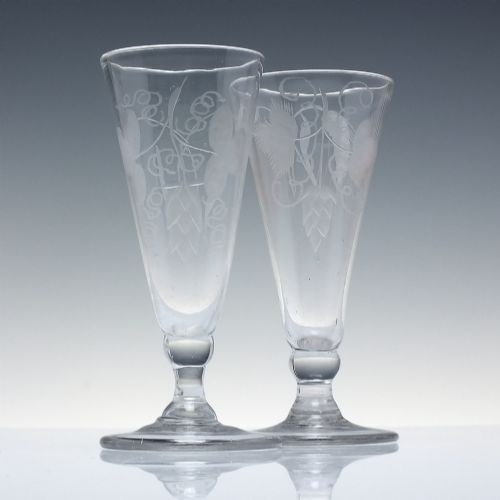
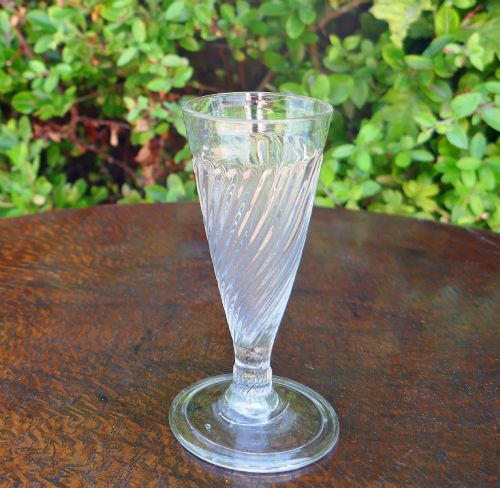
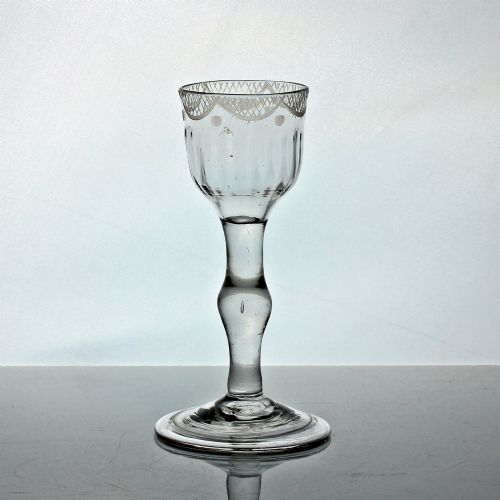
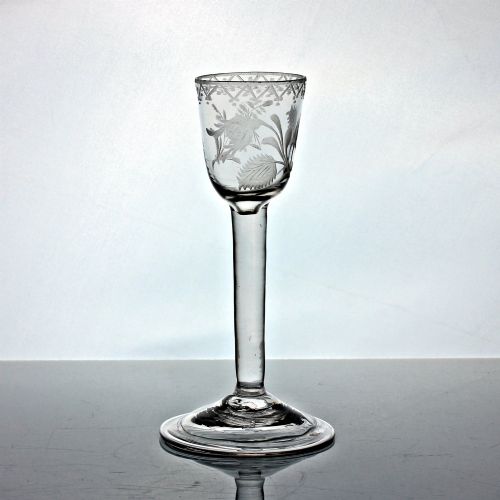
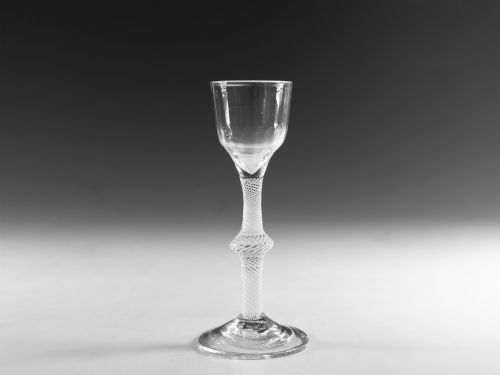
Decoration relied on wheel engraving, facet cutting, and internal optical phenomena such as air bubbles, wrythen ribbing, and twisted threads of white enamel.
Antique Lead Glass Stemware Retail Price Guide 2026
Typical asking prices for lead glass stemware among the pieces listed under this phrase on Sellingantiques today, from the lower quarter to the upper quarter. They describe what is for sale here now, not the wider market.
Distinctions in quality
Quality rests in the optical clarity of the metal, the crispness of wheel engraving, and the proportion between bowl, stem, and foot.
Sophistication of the stem formation, such as complex mixed twists or heavy baluster knops, distinguishes standard production from more ambitious workshop output.
The Antique Lead Glass Stemware Glossary
- Air twist
- A stem containing elongated internal air bubbles drawn into spirals during manufacture. This technique creates a luminous thread pattern within the glass rod.
- Baluster
- A heavy, thick stem form inspired by architecture, featuring knops and swelling profiles. These sturdy stems dominate early eighteenth-century pieces.
- Opaque twist
- A stem enclosing one or more white enamel rods twisted into spirals. It represents a refined development in Georgian glasshouse design.
- Folded foot
- A base edge turned underneath to create a thickened rim for extra strength. This detail appears frequently on mid-eighteenth-century drinking vessels.
- Rummer
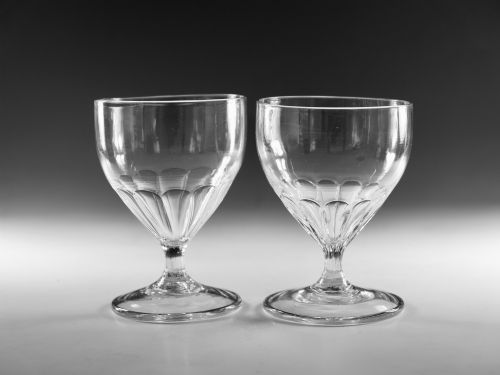
- A capacious, heavy-stemmed glass used for serving rum or ale during the Georgian and Regency eras. These vessels often feature facet cutting or engraved decoration.
Antique Lead Glass Stemware: Frequently Asked Questions
How do I date an 18th-century wine glass?
Dating relies on observing the combination of bowl shape, foot construction, and stem type. Early examples often feature heavy baluster profiles or folded feet.
Later decades introduced air twists and opaque enamel threads within slender stems, followed by nineteenth-century facet cutting.
What is an opaque twist stem?
An opaque twist stem contains white enamel threads enclosed within the clear glass rod. Makers manipulated these threads into single or double spiral formations during pulling.
This decorative method flourished across the mid-to-late Georgian period.
Can I use antique stemware for dining?
These drinking vessels were made for daily or celebratory consumption and remain functional today. Hand washing in warm water preserves the historic glass safely.
Avoiding sudden temperature changes protects the material from thermal shock.
Why do some glasses have folded feet?
A folded foot provides structural reinforcement to the base of the vessel. Glassmakers tucked the rim underneath while the metal remained hot to prevent chipping during use.
This feature occurs frequently on mid-eighteenth-century ale and wine glasses.