
Clear Lead Glass
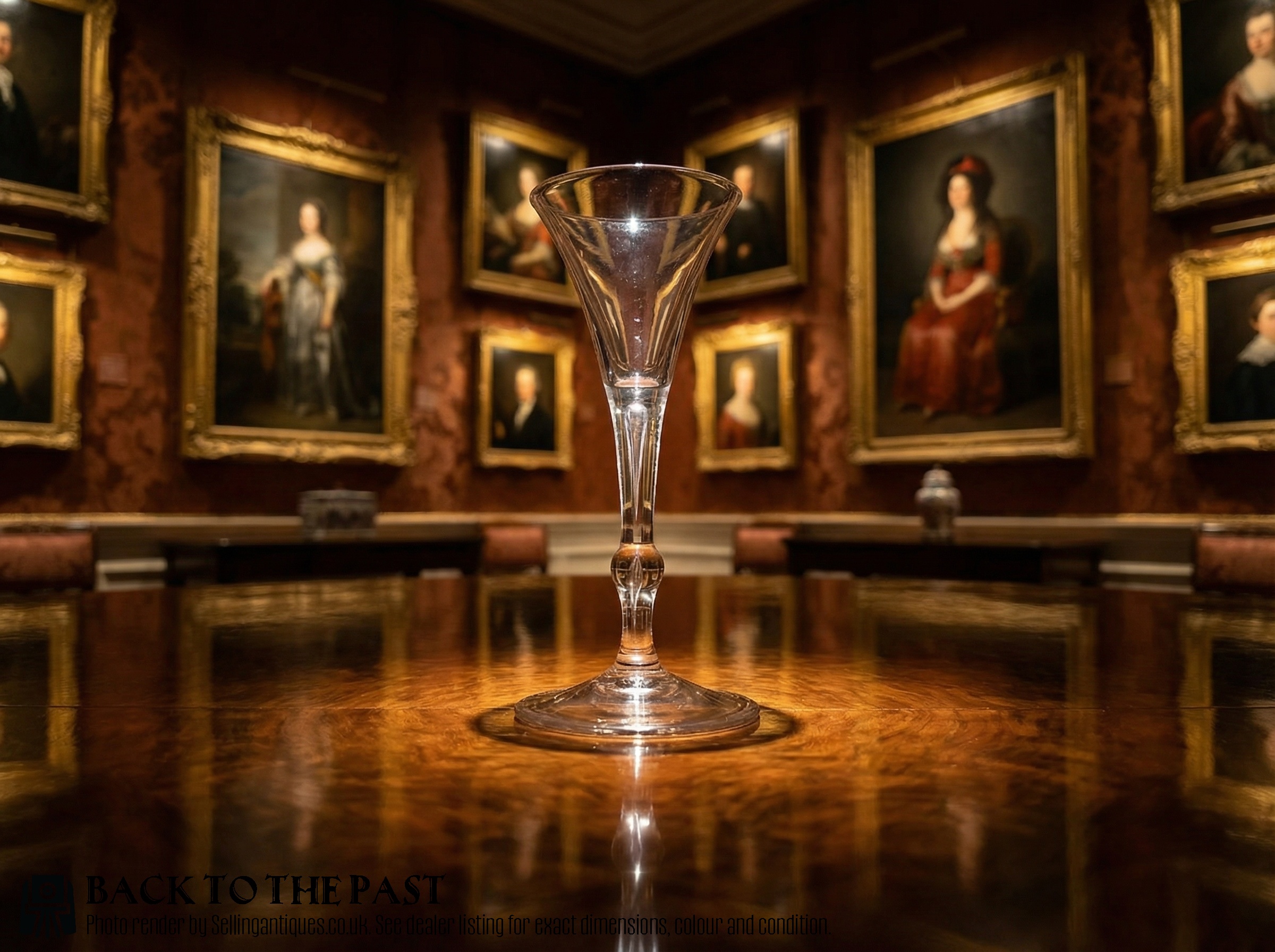
Clear lead glass vessels span centuries of drinking culture, offering brilliant refraction and satisfying weight to anyone setting a traditional table.
Clear Lead Glass
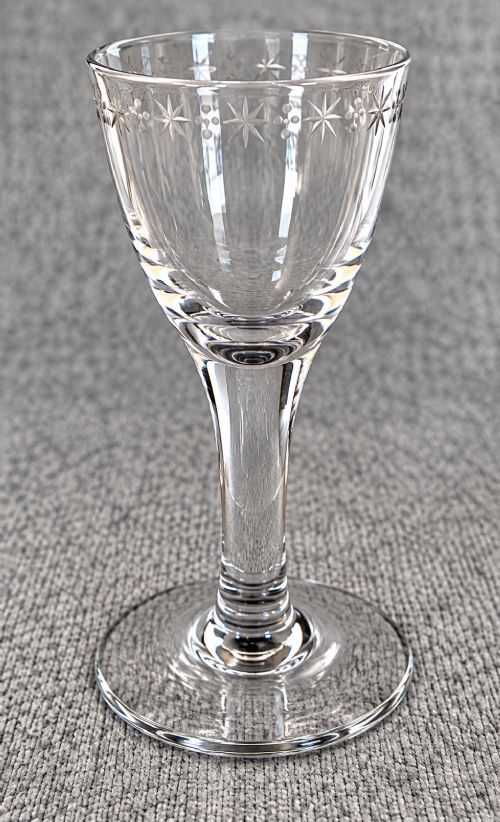
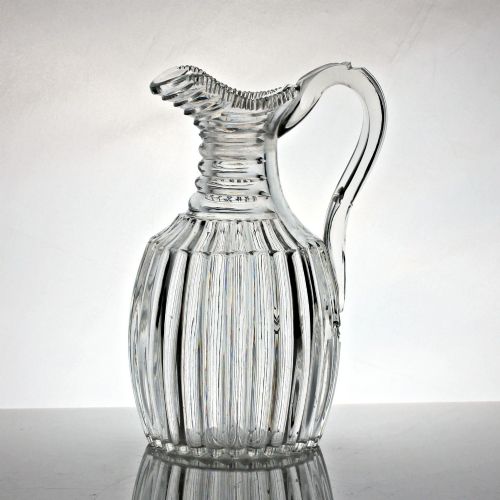
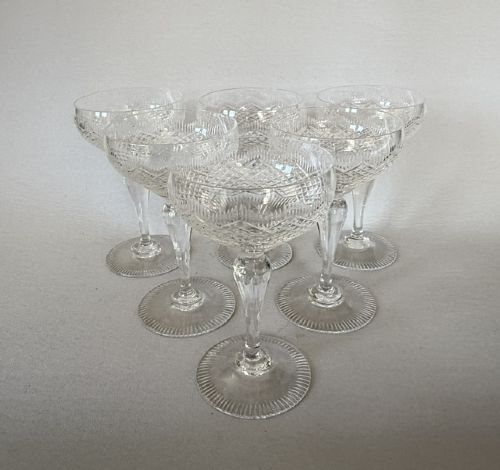
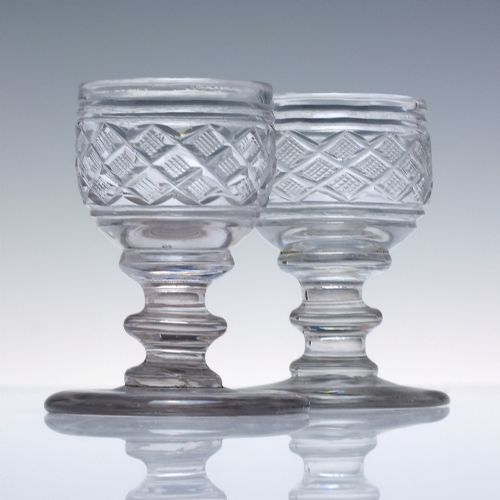
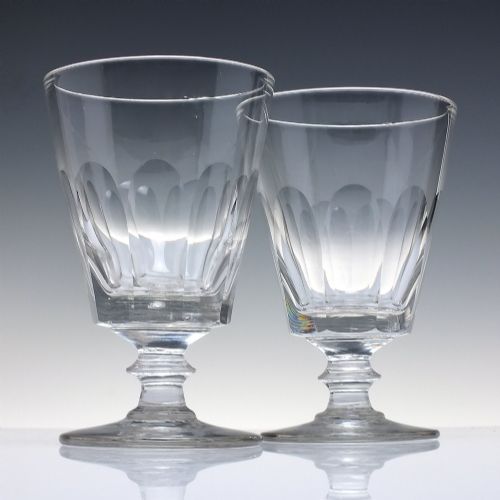
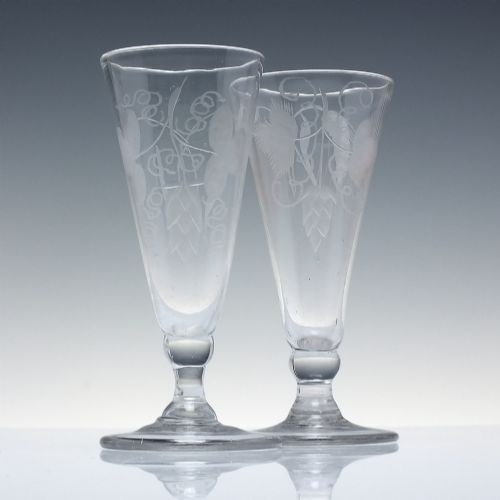
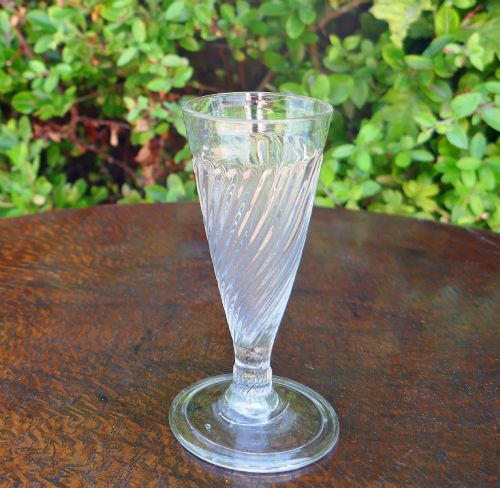
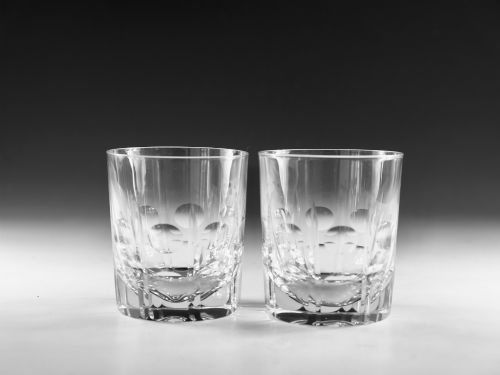
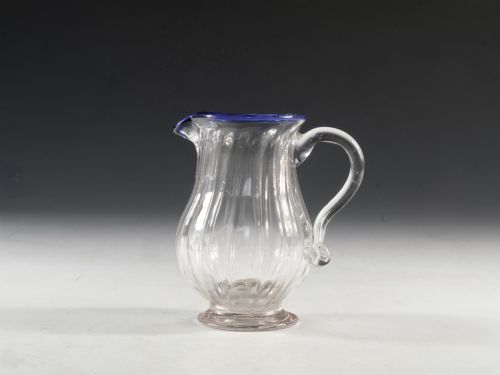
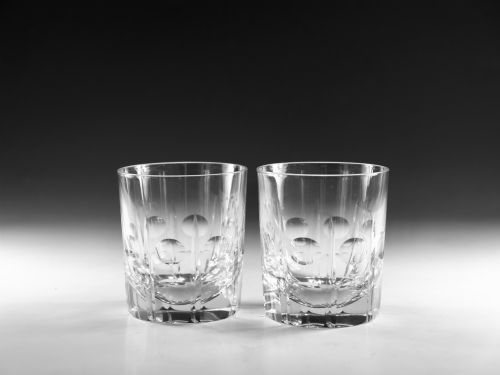
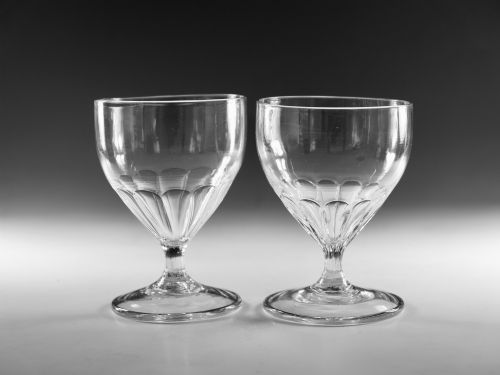
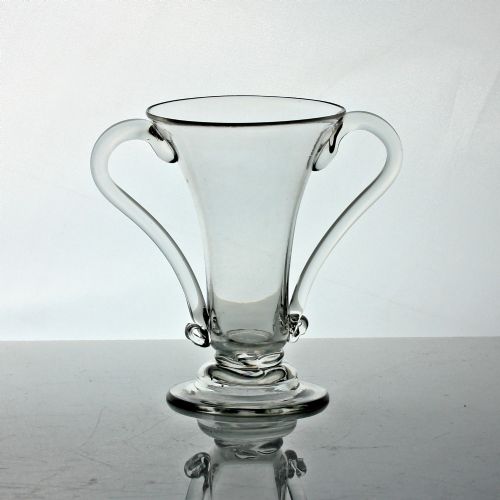
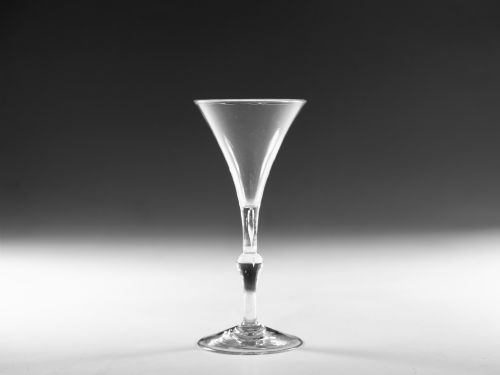
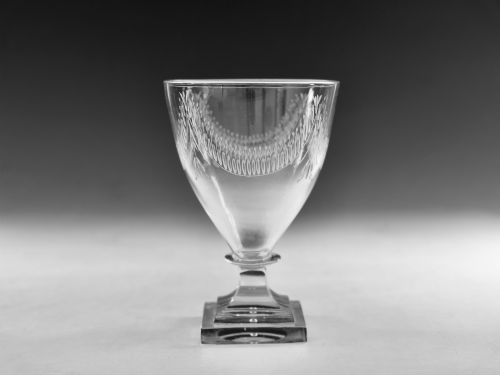
When searching for clear lead glass, you encounter functional vessels from the eighteenth, nineteenth, and early twentieth centuries, including wine glasses, rummers, decanters, and jugs. Georgian examples dominate the selection, featuring characteristic heavy bases, faceted stems, and engraved bowls alongside later Victorian and Edwardian drinking sets.
Forms range from intimate tavern firing glasses and jelly glasses to large water jugs and champagne bowls. These pieces survive from periods spanning the Georgian era through the Edwardian years and into the 1930s, reflecting changing domestic habits in dining and entertaining.
Materials and construction
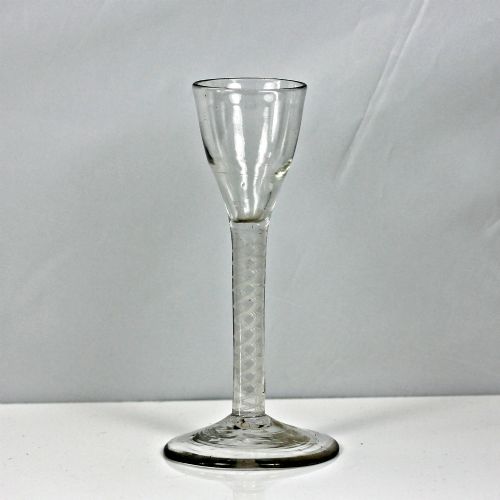
Maker operations utilised heavy lead crystal, flint glass, and clear glass formulas, shaped by blowing into moulds or free-blowing by hand. Artisans incorporated air twists and opaque twists inside stems during the eighteenth century, later turning to deep mechanical and wheel cutting.
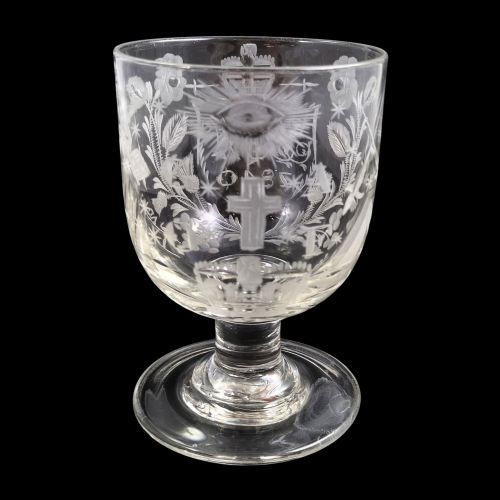
Surface ornamentation involved diamond faceting, pillar and prism cutting, and delicate wheel engraving with floral or commemorative motifs. Foot rims were frequently folded for extra strength, while handles and spouts on jugs and oil lamps were applied while hot.
A singular eighteenth-century rummer survives engraved with the defiant toast 'Women & Wine'.
Assessing quality
Clarity and metal weight distinguish superior examples from standard utilitarian wares, with higher lead content producing a resonant ring and deep refractive brilliance. The crispness of wheel cutting and the absence of surface ripples mark the boundary between careful workshop production and hurried output.
Proportion and balance dictate the appeal of stemware, where slender air twists or heavy baluster knobs must integrate harmoniously with the bowl and foot. Engraved decoration ranges from shallow, hasty scratching to deeply articulated swags, panels, and portraits executed by skilled hands.
The Clear Lead Glass Glossary
- Baluster
- A heavy, swelling stem form reminiscent of architectural pillars, popular on eighteenth-century drinking vessels. This stout profile gives the glass considerable weight in the hand.
- Rummer
- A large, sturdy drinking glass introduced in the late eighteenth century for ale, wine, or punch. These capacious vessels typically rest on a short stem and a wide foot.
- Air twist
- An internal stem decoration formed by elongating tiny bubbles trapped within the molten metal during manipulation. The resulting spiral threads catch the light as the glass turns.
- Firing glass
- A small, heavy-based drinking glass designed to be thumped onto a wooden table in approval during toasts. The thickened foot absorbs the shock without shattering.
- Tazza
- An elevated shallow dish or bowl on a central foot, used historically for serving sweetmeats or fruit. These display decorative knops and turned rims.
Clear Lead Glass: Frequently Asked Questions
Why are some old wine glasses so small?
Eighteenth-century drinking vessels held smaller volumetric measures because wine and spirits were consumed differently than they are today. Stronger fortified wines and expensive imports were sipped slowly from modest bowls.
These compact dimensions reflect the social rituals of Georgian dining tables, where multiple courses and toasts required numerous specialised glasses.
What is the difference between flint glass and lead crystal?
Flint glass originally described high-purity English glass made with calcined flints, which evolved into formulations containing substantial lead oxide. This heavy metal content increased both density and optical dispersion.
Objects described as lead glass or lead crystal share this heavy, refractive quality that distinguishes them from ordinary soda-lime vessels.
How can I tell a Georgian glass from a Victorian one?
Georgian pieces often display hand-finished pontil marks on the base, thinner bowl walls with baluster or twisted stems, and softer, hand-engraved details. They feel lighter yet substantial due to high lead content.
Victorian and later items generally feature sharper machine cutting, heavier press-moulded elements, and brighter, more uniform surfaces typical of industrial expansion.