
Antique Glass Drinking Goblet
An antique glass drinking goblet carries the weight of eighteenth and nineteenth-century toasts, offering tactile history for the modern table.
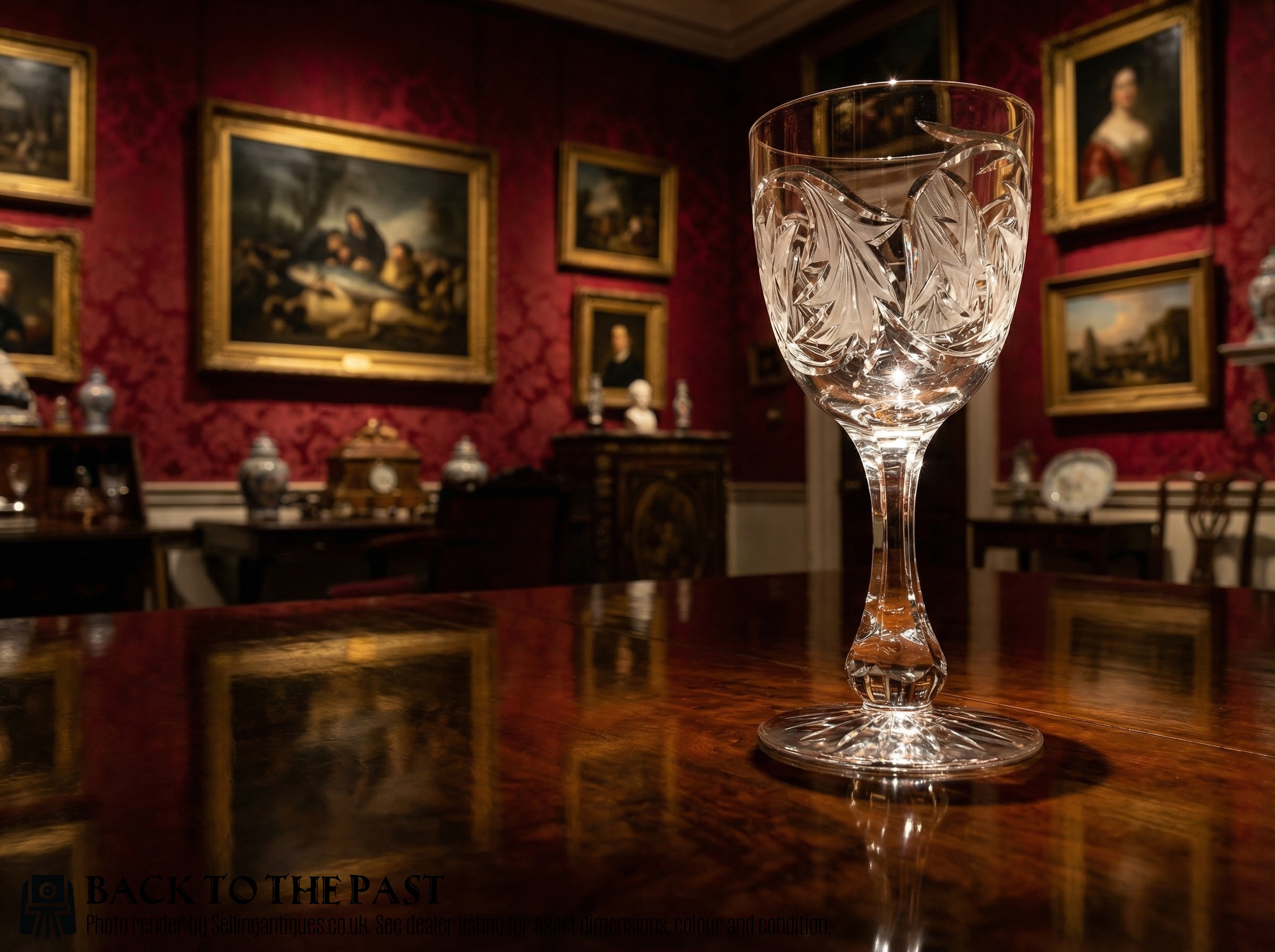
Antique Glass Drinking Goblet
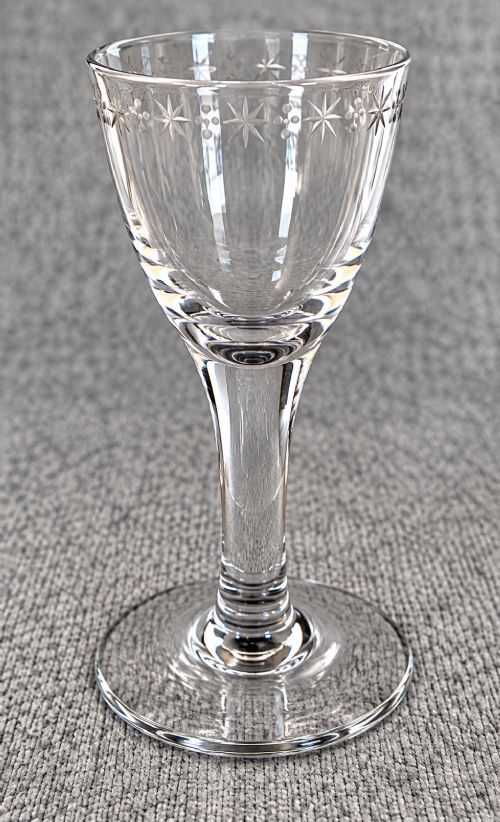
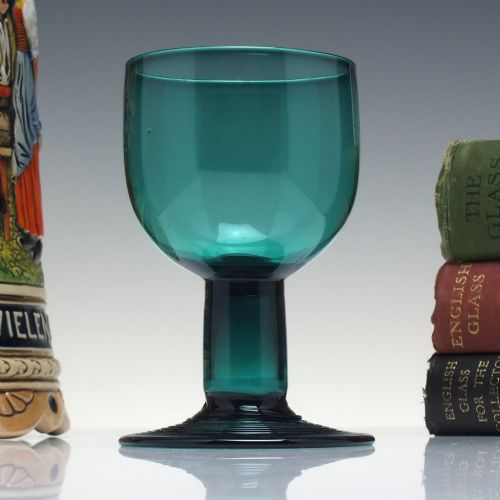
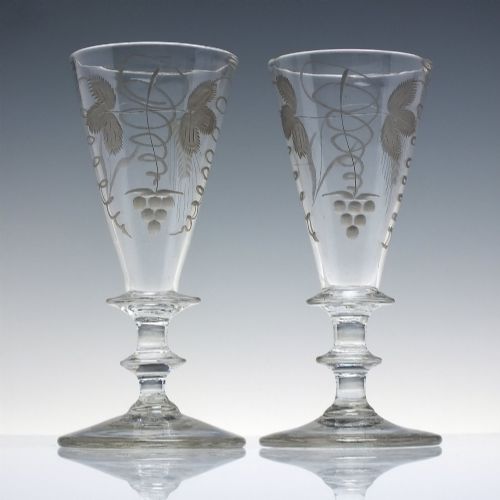
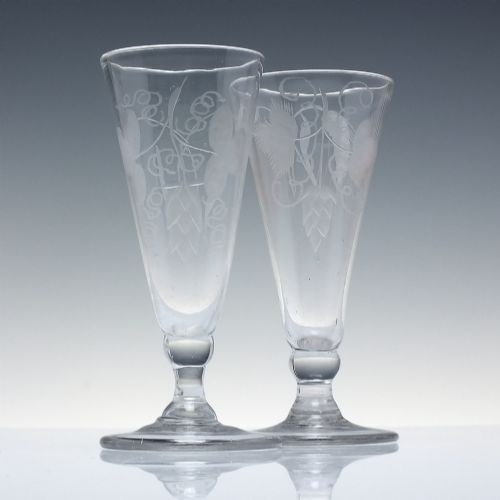
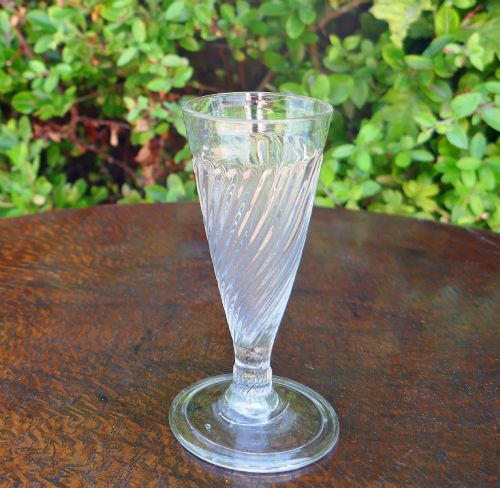
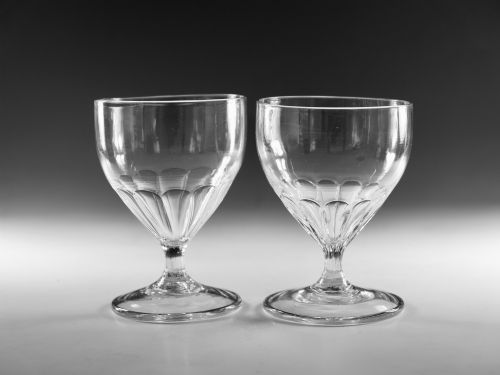
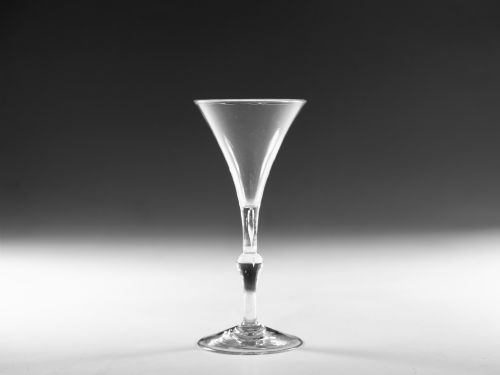
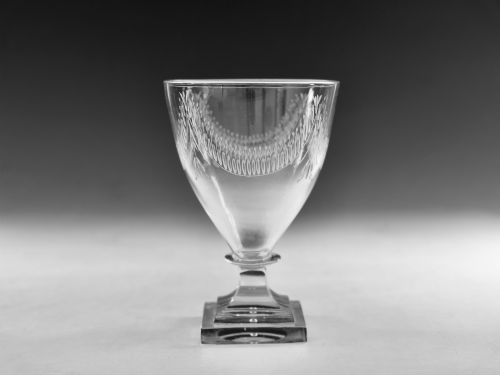
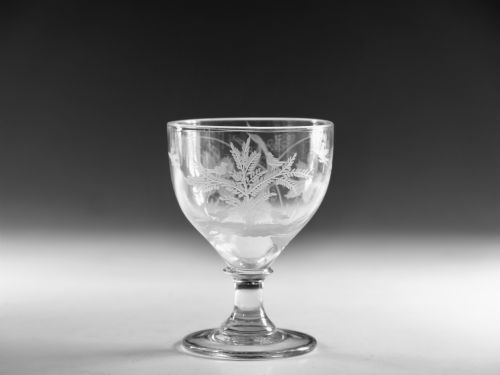
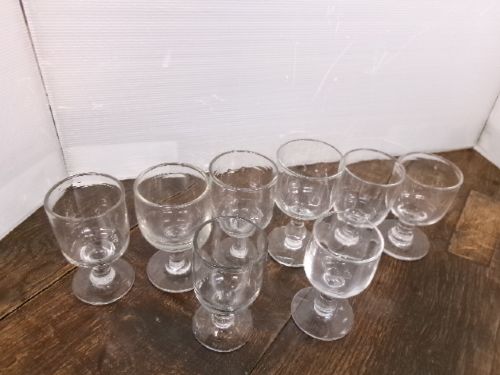
When you search for an antique glass drinking goblet, you encounter heavy rummers, slender wine glasses, and celebratory ale vessels from the eighteenth and nineteenth centuries. The Georgian period dominates this selection, yielding diverse stem forms and engraved bowls designed for social gatherings and toasts. Alongside these formal wine and beer glasses appear later Victorian and Art Deco drinking vessels in clear lead glass.
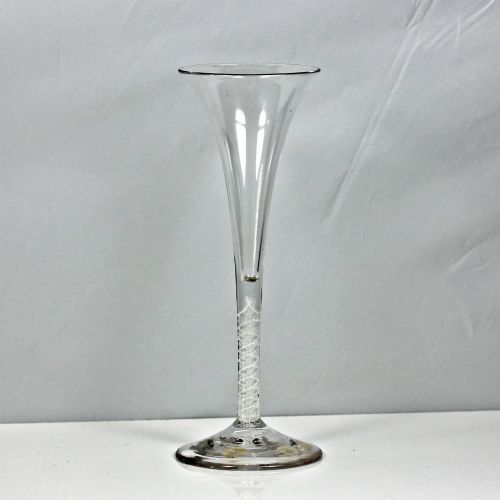
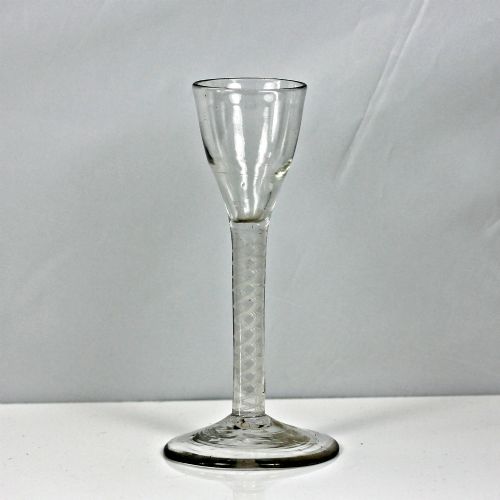
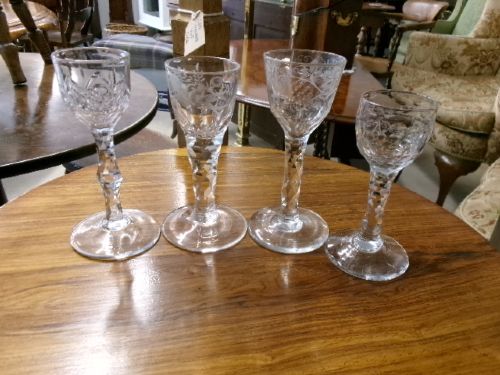
Most pieces date from the seventeen-hundreds through the Victorian era, showing varied bowl shapes like ogee, trumpet, pan top, and flared bucket configurations. You find stems ranging from simple plain forms to complex air twists, opaque twists, and multi-spiral configurations. Feet include folded, domed, and wide configurations that anchor the vessel securely on the wood.
Materials and construction
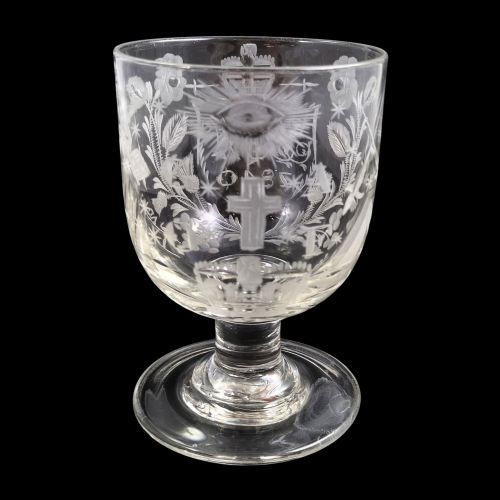
Makers utilised lead glass, lead crystal, and flint glass to achieve brilliant clarity and substantial weight in these drinking vessels. The addition of lead oxide allowed artisans to draw stems thinner, cut facets sharper, and engrave surfaces with intricate floral or symbolic details like the rose and oak leaf motifs found on Jacobite glasses.
Techniques such as mould-blowing, air-twist drawing, and opaque-twist rod insertion created internal optical effects within the stems. Workers applied molten glass to form folded feet and applied collars or knops for structural reinforcement and visual balance.
Some eighteenth-century glasses carry personal toasts and political whispers, including secret Jacobite symbols etched quietly into the glass bowl.
Distinctions in execution
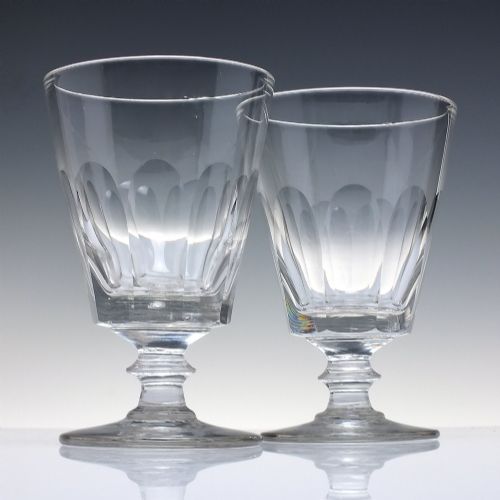
Quality rests in the crispness of the glass manipulation, from the regularity of an air twist to the symmetry of a faceted stem and bowl. Superior examples display high material clarity with minimal internal striae or bubbles, alongside balanced proportions between the foot, stem, and bowl.
Engraving quality separates standard utility vessels from exhibition pieces, where deep wheel-cut or diamond-point work depicts flora, heraldry, or inscriptions with precision. The tactile feel of a heavy lead metal body and the resonance of the rim complete the distinction between ordinary tavern ware and fine collection pieces.
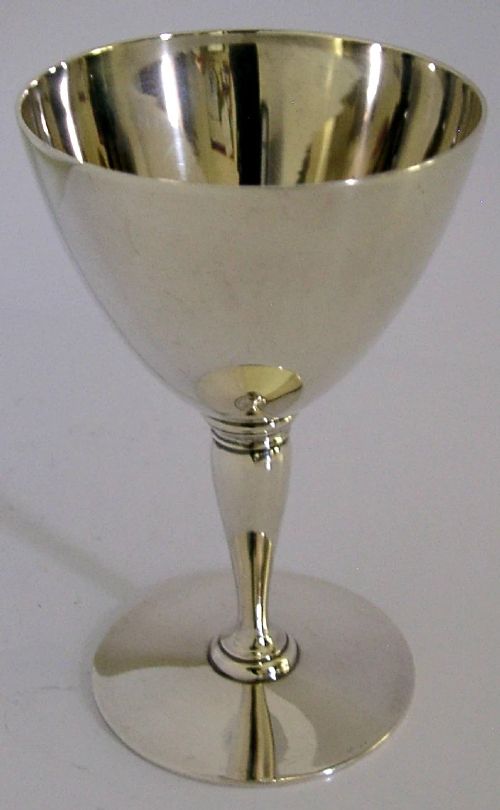
TIFFANY & Co
The Antique Glass Drinking Goblet Glossary
- Air twist
- A stem containing spiral threads of enclosed air created by drawing and twisting heated glass rods. This technique adds optical movement within the stem without adding external weight.
- Opaque twist
- A stem featuring white or coloured enamel rods twisted inside clear glass to form intricate opaque patterns. These threads create a stark visual contrast against the surrounding clear metal.
- Baluster
- A heavy, thick stem form featuring knops reminiscent of architectural balusters, popular in early eighteenth-century drinking vessels. This stout form provides a reassuring heft in the hand.
- Rummer
- A large, capacious drinking glass used for beer, ale, or punch during the Georgian and Victorian periods. Their sturdy proportions suit robust communal toasts.
- Folded foot
- A base edge folded underneath during manufacture to create a thickened, rounded rim that resists chipping. This feature appears frequently on eighteenth-century tavern and wine glasses.
Antique Glass Drinking Goblet: Frequently Asked Questions
How do I spot an air twist?
Look closely inside the transparent stem for spiralling threads of air captured within the glass matrix. These threads catch the light and run in distinct corkscrew paths from the bowl to the foot.
Tilt the glass toward a window to make the internal channels stand out clearly against the background. The complexity of these air paths helps define the style of the stem.
What is a rummer used for?
A rummer serves as a generous drinking glass designed for ale, beer, or punch rather than delicate table wines. Their robust capacities accommodated larger volumes during nineteenth-century social gatherings.
Many examples feature sturdy stems and broad feet to maintain stability on wooden dining surfaces. They represent the more utilitarian side of Georgian and Victorian glassware.
Are these glasses safe to use?
Most antique lead glass drinking vessels remain physically stable for occasional use, though hand washing is essential. Older lead crystal can be susceptible to mineral hazing if exposed to modern dishwashers.
Assess the rim and base for structural soundness before pouring any liquid. Many collectors prefer displaying them or reserving them for special toasts.
What does folded foot mean?
A folded foot is a base where the outer edge of the glass was turned underneath itself while hot. This technique doubled the thickness at the rim, protecting the vulnerable edge from everyday knocks.
Run a finger gently beneath the edge of the foot to feel the characteristic rounded fold. This construction detail helps indicate eighteenth-century origin.