
George III Tilt Top
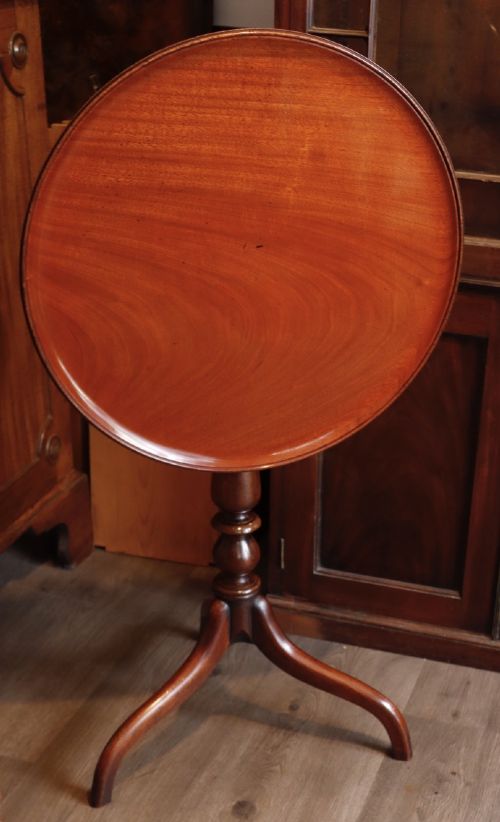
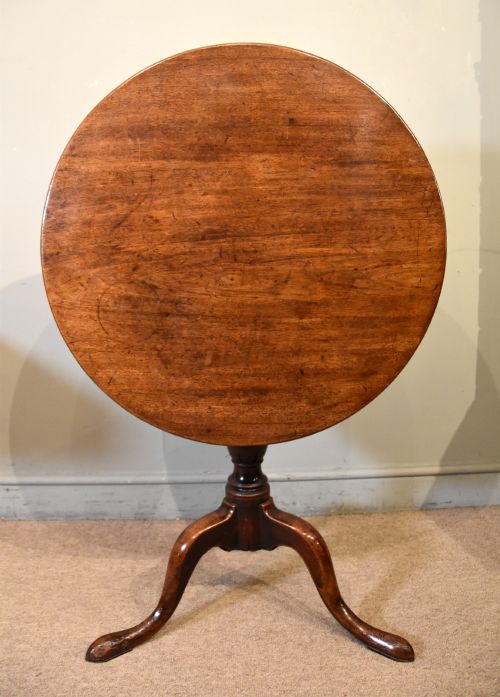
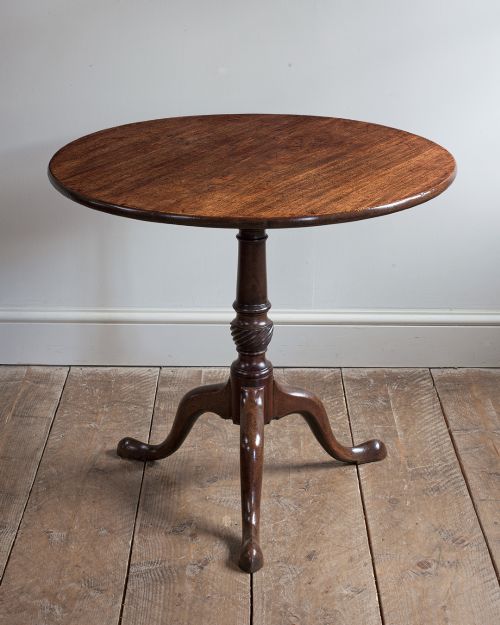
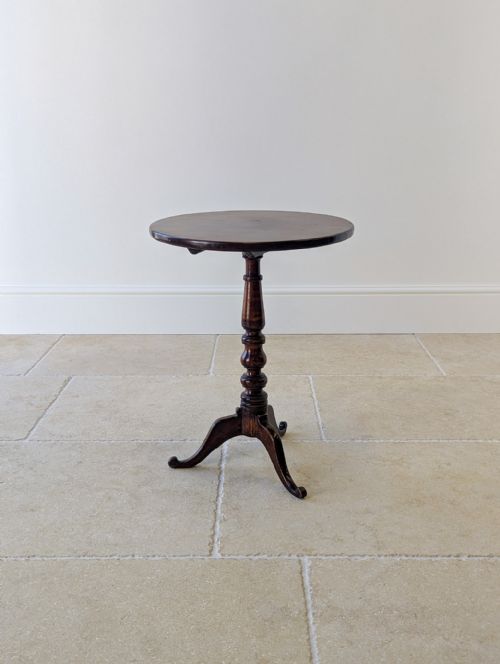
A george iii tilt top table offers practical ingenuity combined with refined eighteenth-century cabinet-making.

George III Tilt Top
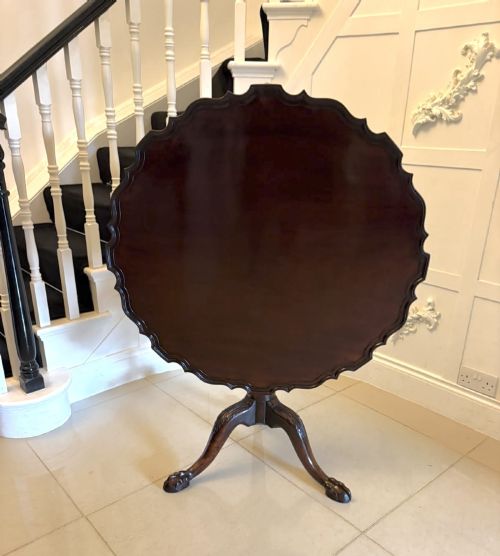
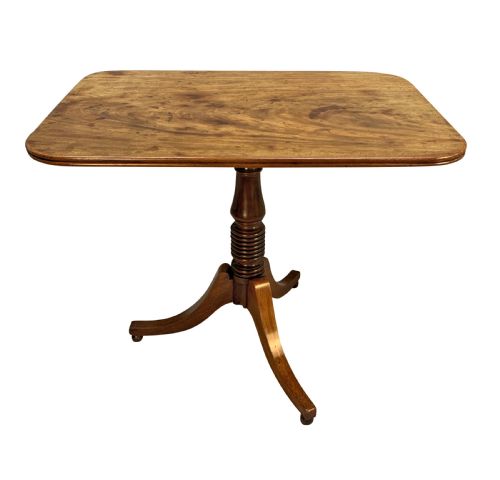
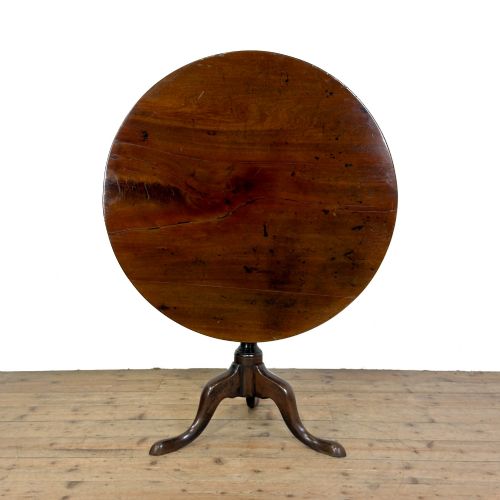
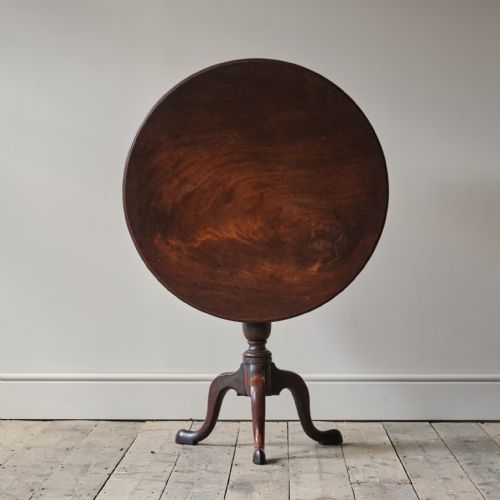
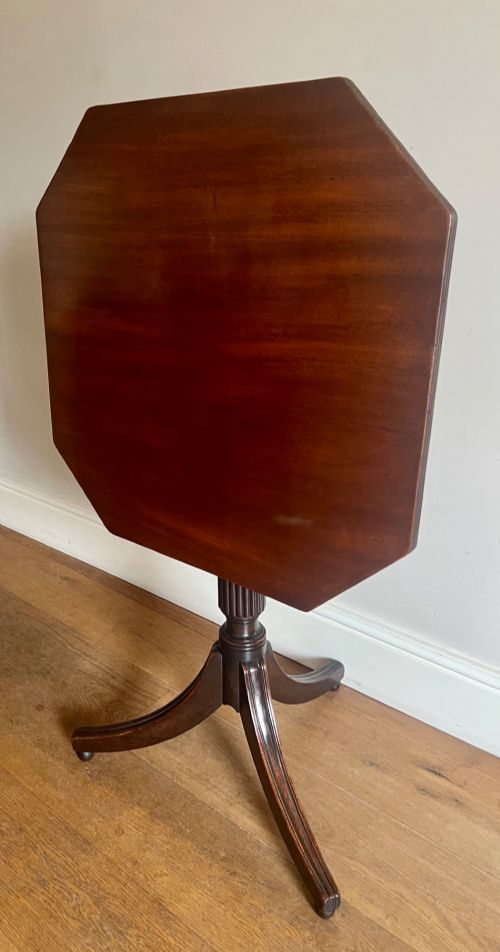
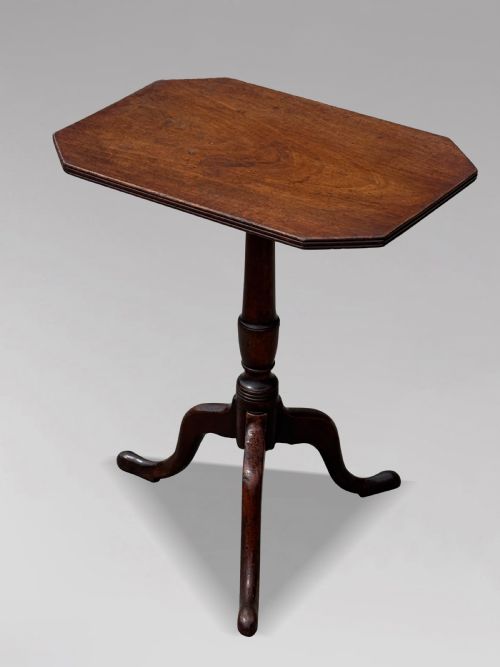
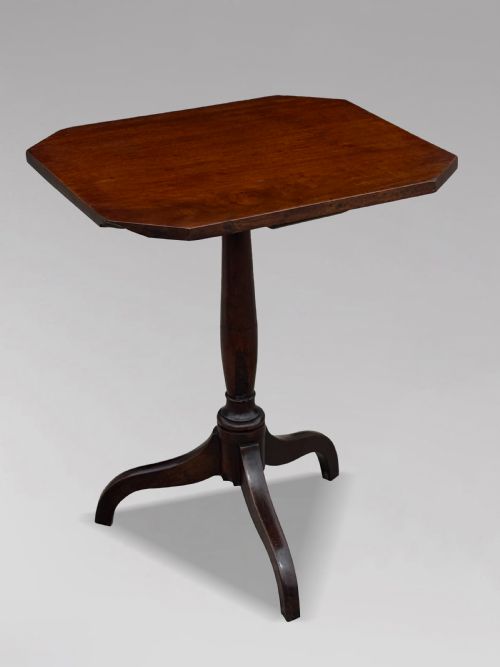
The search for a george iii tilt top brings you to versatile tables engineered with folding mechanisms designed to save space against a wall when not in use. You will most frequently encounter tripod wine tables, tea tables, and larger dining or breakfast pieces originating from the eighteenth century and the Georgian period.
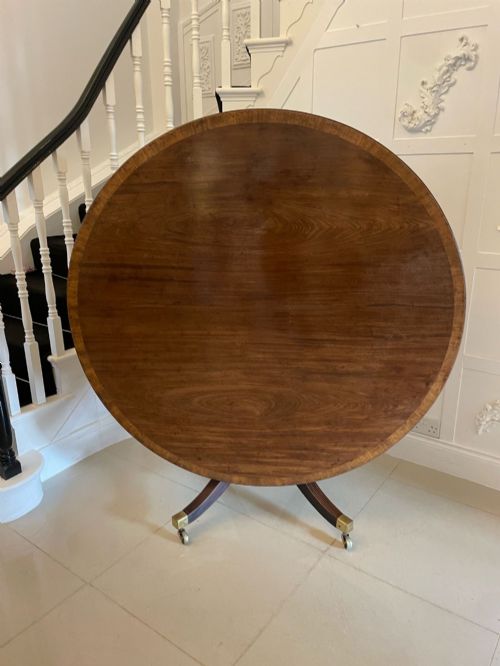
These pieces range from compact occasional and lamp tables to substantial circular dining formats seating multiple people. Oak and burr elm examples appear alongside the dominant mahogany constructions, reflecting both refined metropolitan workshops and simpler country traditions.
The form adapts to various domestic settings, serving as a centre table, side table, or occasional surface. Many retain their original tilting mechanisms, including revolving birdcage mounts and snap-top catches.
Materials and Technique
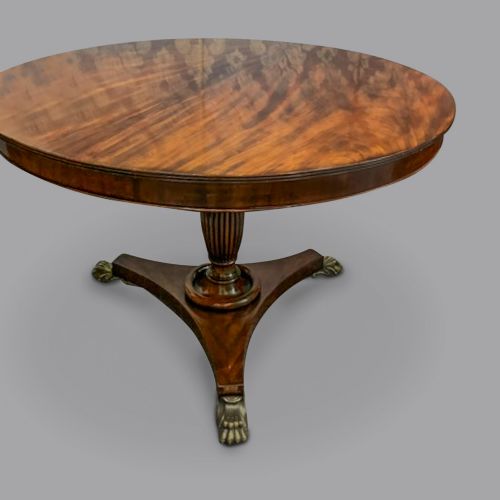
Makers relied heavily on solid and figured mahogany, frequently selecting single-piece timber tops for smaller tripod tables and matched veneers for larger breakfast formats. Secondary timbers such as oak support the internal framing, while brass and satinwood appear in occasional inlay work and hinge hardware.
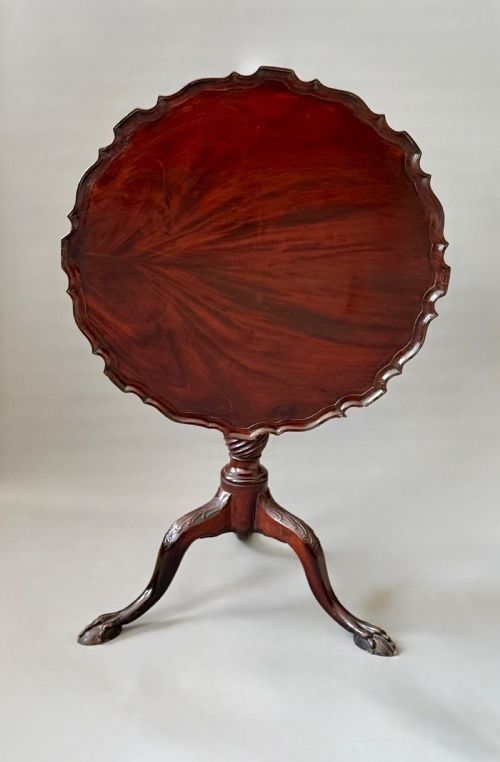
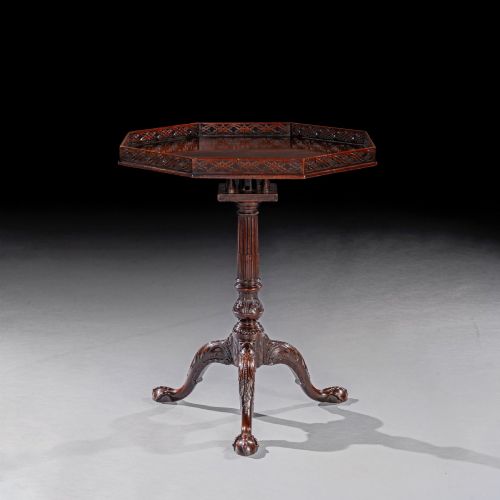
Tripod bases feature turned columns flowing into three-way cabriole legs, often terminating in pad, spade, or claw-and-ball feet. Joinery relies on traditional pegging, dovetailing, and the pivotal birdcage mechanism that allows the surface to rotate and fold vertically.
Listings feature mahogany predominantly, alongside oak, satinwood, and burr elm across tripod, pedestal, and occasional table forms.
Standards of Execution
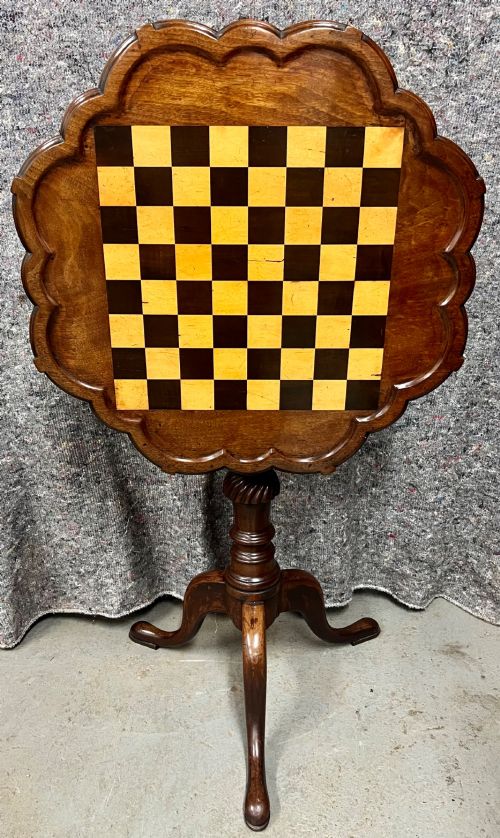
Quality rests upon the selection of timber, particularly the presence of rich grain figures in the mahogany or burr elm top. Superior examples demonstrate crisp carving on the tripod knees and edges, such as piecrust moulding, rather than flat or purely utilitarian turning.
The integrity of the tilting mechanism dictates structural success, where tighter tolerances in the birdcage or snap-top action ensure the top locks firmly horizontal without wobble. Proportional balance between the diameter of the top and the spread of the tripod legs distinguishes master workshops from standard production.
Gillows
The George III Tilt Top Glossary
- Tilt-top
- A table mechanism allowing the horizontal surface to pivot vertically against the central column for storage. This clever engineering saved valuable floor space in period drawing rooms.
- Birdcage
- A revolving wooden box frame beneath the table top that permits both rotation and tilting actions. It represents a more complex and desirable engineering solution than simple block hinges.
- Piecrust
- A raised, carved decorative rim shaped around the perimeter of a circular table top. This ornate edge is typically associated with high-style Chippendale-influenced pieces.
- Snap-top
- A spring-loaded catch mechanism that secures the table top in its flat, horizontal position. It prevents accidental tipping during daily use.
- Tripod base
- A central pedestal support dividing into three radiating legs. This configuration ensured stability on uneven historical floorboards.
George III Tilt Top: Frequently Asked Questions
What is a george iii tilt top table?
A george iii tilt top table is an eighteenth-century or Georgian small table featuring a hinged mechanism that allows the top to fold vertically.
These pieces were built primarily as wine, tea, or occasional tables, designed to stand flat against a perimeter wall when the surface was not in active use.
How do you use a tilt top table?
You release the under-table catch or pivot mechanism to swing the circular or octagonal surface into a vertical position. This function allowed eighteenth-century households to clear floor space quickly in smaller parlours and dining rooms.
In modern rooms, they serve effectively as lamp tables or side surfaces while retaining their original folding capability.
How do I identify a george iii period table?
Dating relies on timber choice, construction methods, and stylistic cues such as tripod base profiles and leg shapes. Mahogany remains predominant, often showing dense grain patterns and patination consistent with late eighteenth-century cabinet-making.
Hardware details like brass catches and wooden pegging provide additional chronological markers when examining the underside.
What is the difference between a birdcage and a snap top?
A birdcage mechanism incorporates a small rotating wooden cage structure beneath the top that allows the surface to both spin horizontally and tilt. A snap top relies on a direct hinge and latch arrangement attached straight to the central pedestal column.
Both systems achieved the same space-saving result but represent different tiers of period mechanical complexity.