


Rich Brown Dining Table
A rich brown dining table brings deep timber warmth and period character to a room, offering sturdy utility for family meals and gatherings.
What a rich brown dining table is
When you search for a rich brown dining table, you find a selection of antique wooden furniture spanning several centuries. These pieces encompass forms designed specifically for dining and entertaining.
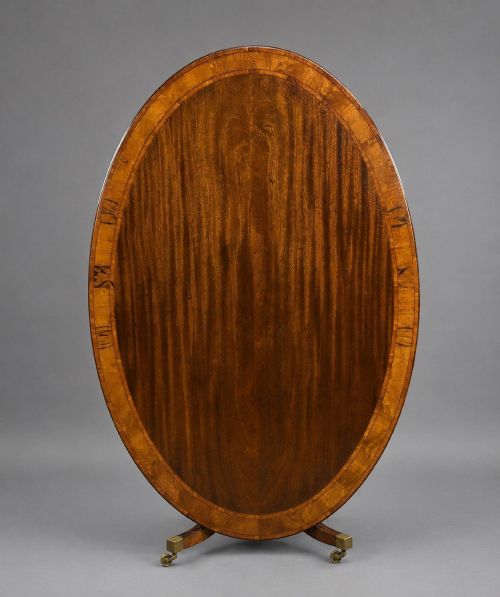
The most common examples on this page are mahogany breakfast tables and wind-out extending tables from the Georgian, Regency, and Victorian periods. You also encounter oak gateleg tables dating back to the seventeenth century.
Many of these tables feature clever mechanical extensions or tilt-top designs intended to save space when not in use. They range from grand twelve-foot proportions down to smaller Pembroke formats.
How they were made
Cabinet makers relied heavily on mahogany as the primary timber, often selecting flame mahogany veneer for decorative top surfaces. Oak and satinwood also appear in construction, providing contrasting tones and robust internal framing.
Metal components such as brass fittings facilitate mechanisms like wind-out extension screws and table castors. Joinery techniques varied by century, from heavy seventeenth-century oak gateleg framing to refined nineteenth-century dining mechanics.
Retail Price Guide 2026
Typical UK retail prices for rich brown dining table, calculated from the Sellingantiques database of over a million retail prices indexed since 2003. This retail price guide relies exclusively on Sellingantiques data; no external sources or auction records are used, so the figures do not describe the wider market.
Some tables tilt up so thoroughly they double as unexpected room dividers when you need extra floor space.
What varies in quality
Quality in a rich brown dining table rests upon the selection of timber figures and the integrity of the original mechanism. Tables featuring well-matched flame veneer and smooth winding actions stand apart from simpler utilitarian pieces.
The refinement of leg turning, base carving, and brass castor details indicates the workshop's original standard. Surviving extension winders and stable tilt-top catches preserve the utility and long-term value of the table.
The Rich Brown Dining Table Glossary
- Wind-out table
- A dining table equipped with an internal screw mechanism that expands to accommodate extra leaves. This system became popular during the nineteenth century for large gatherings.
- Gateleg table
- A drop-leaf table where the leaves are supported by hinged legs that swing out like a gate. This form dates back to the seventeenth century and earlier.
- Flame mahogany veneer
- A thin slice of mahogany timber cut from fork joints to produce a fiery, rippling grain pattern. Cabinet makers applied this to table tops for visual impact.
- Tilt-top table
- A table with a mechanism allowing the top to pivot to a vertical position against the pedestal base. This allowed tables to be stored against walls when dining finished.
- Pembroke table
- A small rectangular table with hinged drop leaves on either side and often a single drawer. These versatile pieces served multiple domestic functions.
Frequently Asked Questions
How do I measure for a wind-out table?
Measure your dining space carefully, allowing ample room for chairs to pull out comfortably when the table is fully extended. Remember to account for any additional leaves stored separately.
Check the maximum extended length against your room dimensions to ensure smooth traffic flow around the perimeter during dinner parties.
How do I care for a mahogany surface?
Dust regularly with a soft, dry cloth and avoid placing antique timber in direct sunlight or near heat sources. Excessive temperature changes cause the wood to dry out and split.
Use coasters and mats to protect the polish from moisture and heat rings. A quality beeswax applied occasionally helps maintain the rich lustre of the grain.
Can I use a tilt-top table daily?
A tilt-top table functions well for everyday use provided you operate the catch mechanism gently. The pivot design originally allowed for convenient storage against the wall.
Ensure the brass or wooden catch locks securely into place before placing heavy items on the surface. Daily dining causes no harm if the pedestal block remains stable.
What is the difference between oak and mahogany tables?
Oak tables generally date from earlier periods like the seventeenth century, displaying a heavy, coarse grain and robust structural pegs. They suited vernacular domestic interiors.
Mahogany became dominant during the Georgian and Victorian eras, offering a denser timber capable of finer carved details and high-polish finishes.