


Solid Oak Drop Leaf Table
A solid oak drop leaf table is a sturdy timber furnishing with hinged flaps, designed to save space when folded and seat guests when extended.
Understanding the forms
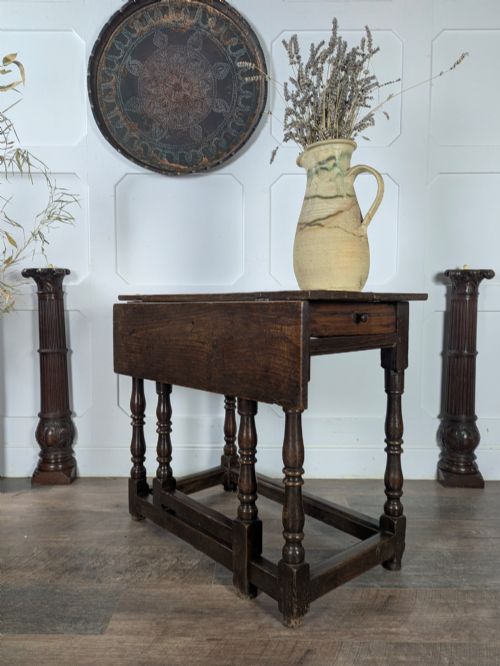
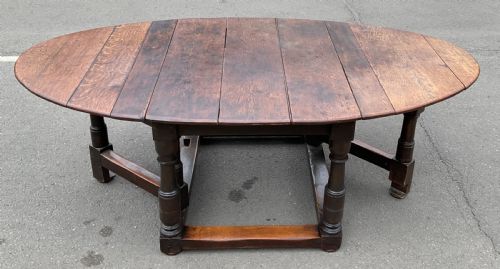
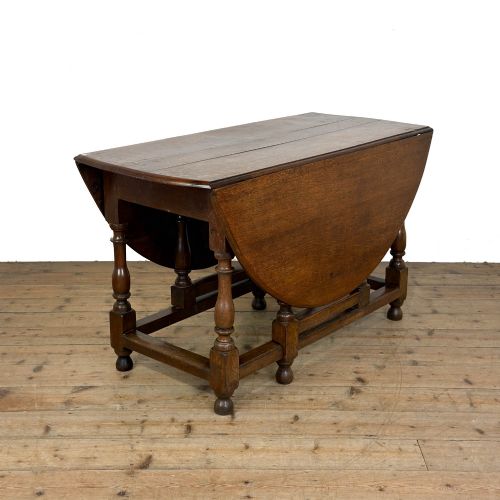
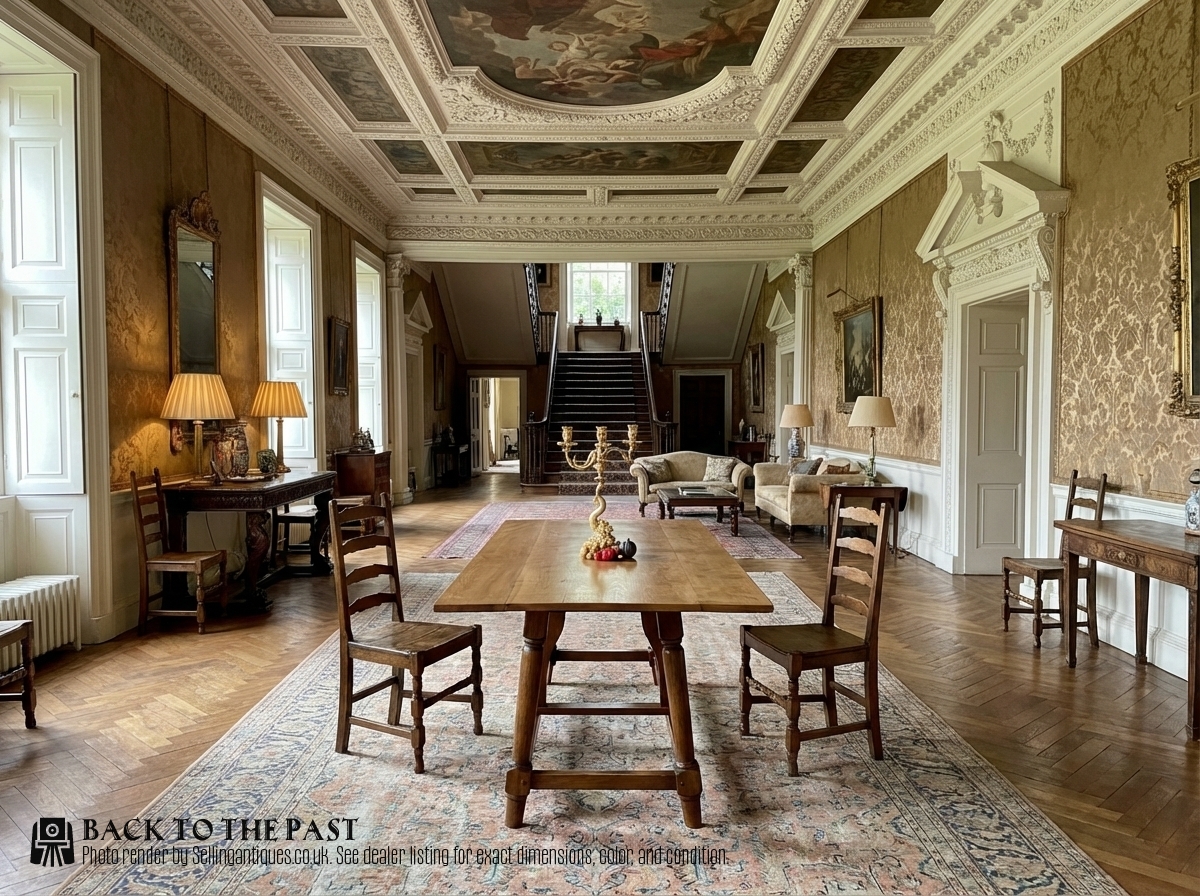
A solid oak drop leaf table combines heavy native timber with functional folding flaps to adjust the surface area according to need. When searching for a solid oak drop leaf table, a buyer typically encounters gateleg tables and refectory dining designs originating from the seventeenth, eighteenth, and early twentieth centuries.
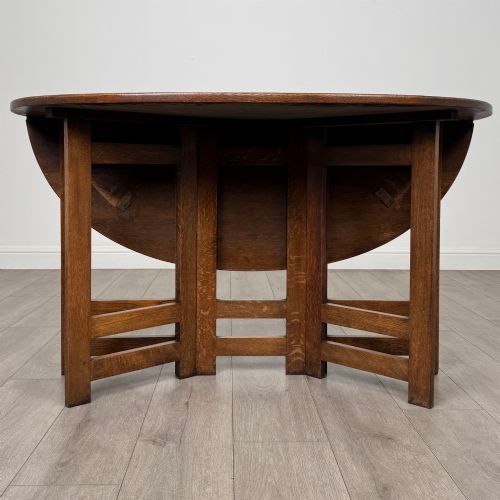
The material inventory shows robust pieces constructed from solid oak, often featuring brass or iron fittings, with Georgian, Jacobean, and Arts and Crafts stylistic influences. Gateleg frames dominate the selection, supported by pivoting legs that swing out to hold the drop leaves securely in place.
Earlier examples from the seventeenth and eighteenth centuries display plank tops and traditional joinery, whilst later interpretations from around nineteen twenty reflect Arts and Crafts or vintage ideals. Dining variants seating six to eight people sit alongside smaller occasional and Sutherland tables.
Materials and construction
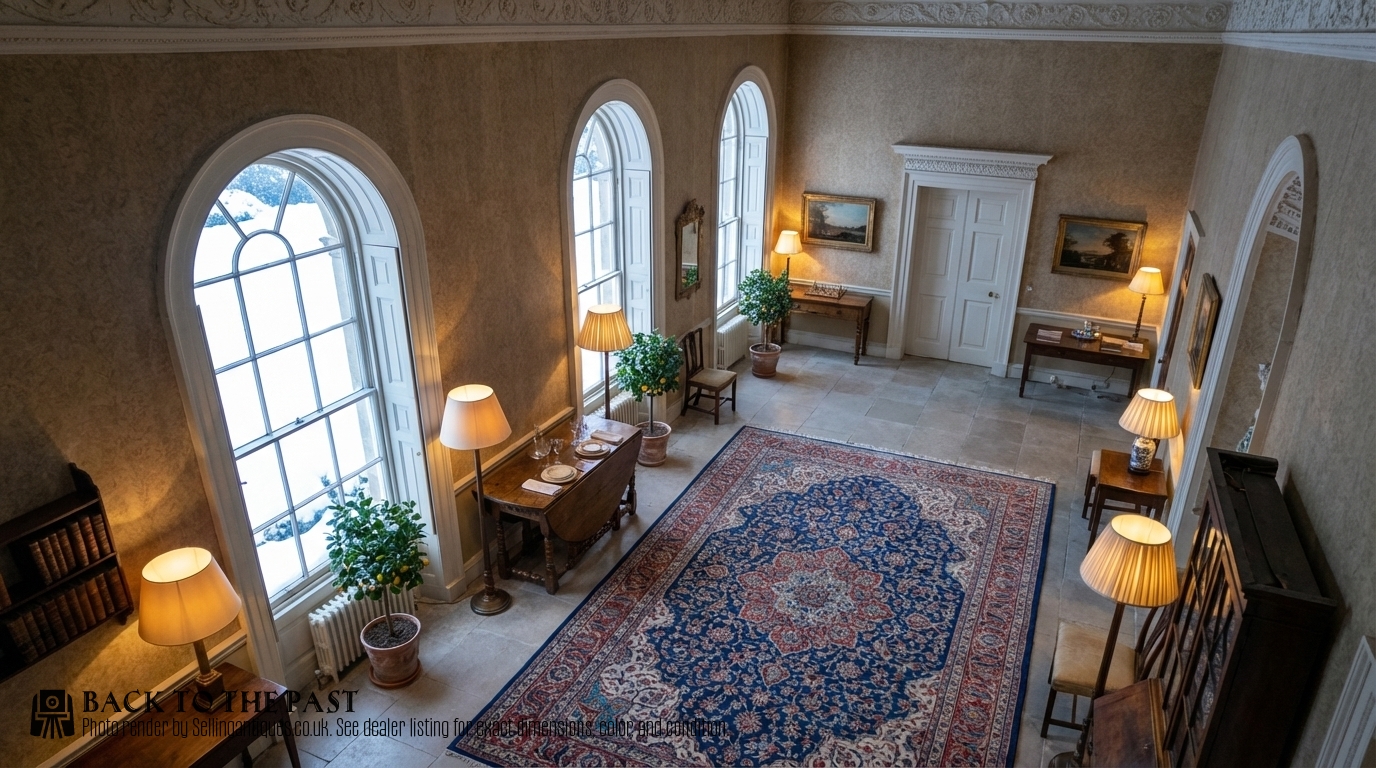
Constructed primarily from solid oak, these pieces utilise heavy native timber selected for durability and pronounced grain patterns. Iron and brass components appear in hinges, catches, and occasional structural braces that support the moving leaf sections.
Joinery techniques rely on traditional framing methods suited to heavy hardwood, allowing the folding leaves to operate smoothly alongside fixed centre sections. Surfaces often exhibit carved detailing or plain plank construction, finished to highlight the natural character of the wood.
Retail Price Guide 2026
Typical UK retail prices for solid oak drop leaf table, calculated from the Sellingantiques database of over a million retail prices indexed since 2003. This retail price guide relies exclusively on Sellingantiques data; no external sources or auction records are used, so the figures do not describe the wider market.
Some tables double as sneaky dining hubs, transforming from slim side consoles into giants capable of feeding eight hungry guests.
Markers of distinction
Quality separates through the selection of the timber planks and the integrity of the hinge mechanism supporting the leaves. Superior pieces maintain alignment across the top boards when fully extended, avoiding sag in the drop flaps.
Proportion and the execution of period details, such as hand-carved motifs or clean gateleg action, distinguish workshop standards across centuries of production. The weight and grade of the solid oak determine the enduring stability of the frame under daily use.
The Solid Oak Drop Leaf Table Glossary
- Gateleg table
- A table with hinged leaves supported by legs that swing outward like gates. This clever design provides substantial surface space while folding flat for storage.
- Drop leaf
- A hinged section of a table top that can be raised and supported or lowered when not in use. It allows the overall footprint of the furniture to change rapidly.
- Refectory table
- A long, narrow dining table historically used for communal meals. Later adaptations incorporate folding leaves to merge communal scale with space-saving flexibility.
- Sutherland table
- A narrow-bodied drop leaf table with particularly slender leaves and legs placed close together. This form appeared in later periods for occasional use in compact spaces.
Frequently Asked Questions
How do I seat six people?
Extend both hinged leaves on a large dining variant to reveal the full surface area supported by the swinging gatelegs.
Position chairs along the long sides and ends, ensuring the underframe allows adequate legroom for diners.
Are these tables heavy to move?
Solid oak construction imparts considerable weight to seventeenth and eighteenth-century examples, making them stable but demanding during relocation.
Smaller occasional and Sutherland versions offer lighter frames that are easier to reposition within a room.
How do I care for the oak top?
Wipe surfaces clean with a dry or slightly damp cloth, avoiding harsh chemical cleaners that strip the finish.
Apply natural waxes periodically to nourish the solid timber and maintain a soft lustre across the grain.
What is the difference between a gateleg and a drop leaf?
A drop leaf is simply any table top with hinged flaps, whilst a gateleg specifically uses pivoting leg assemblies to support those flaps.
Most gateleg tables are a subcategory of drop leaf designs built for heavy dining use.