


George I Bureau
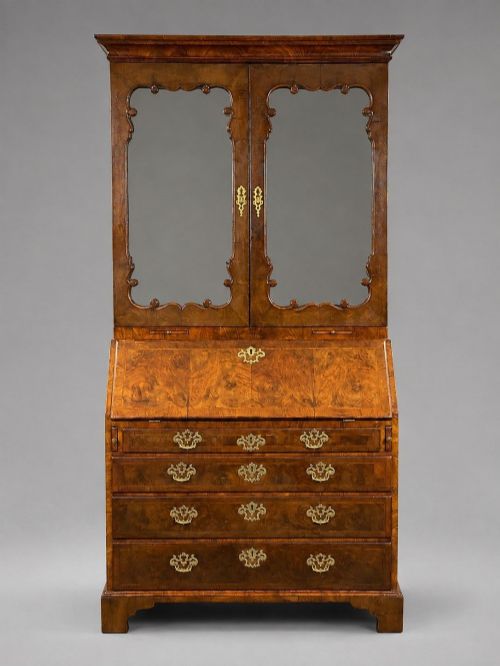
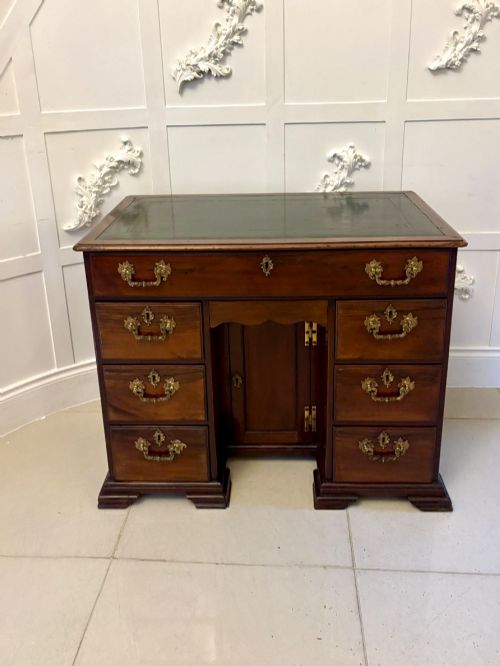
A george i bureau offers a sturdy workspace with hidden compartments, combining early eighteenth-century proportion with practical domestic design.
What a George I Bureau Is
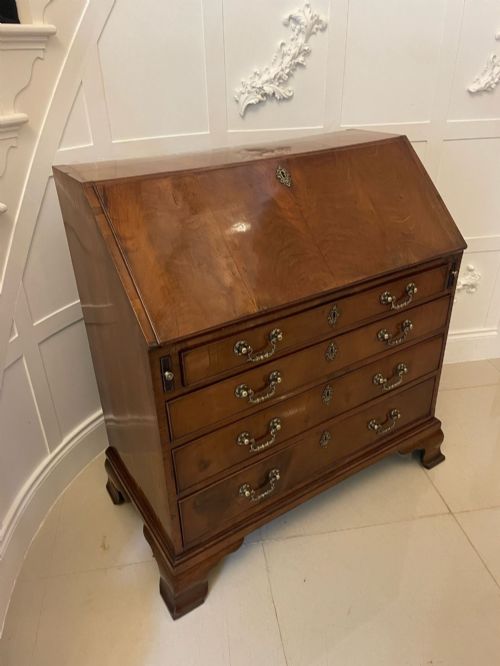
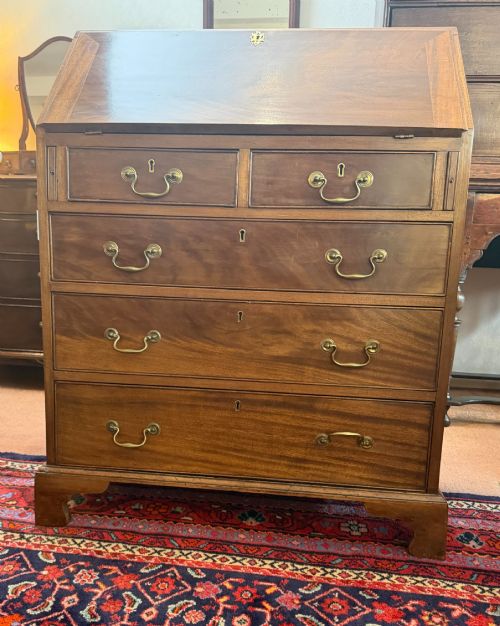
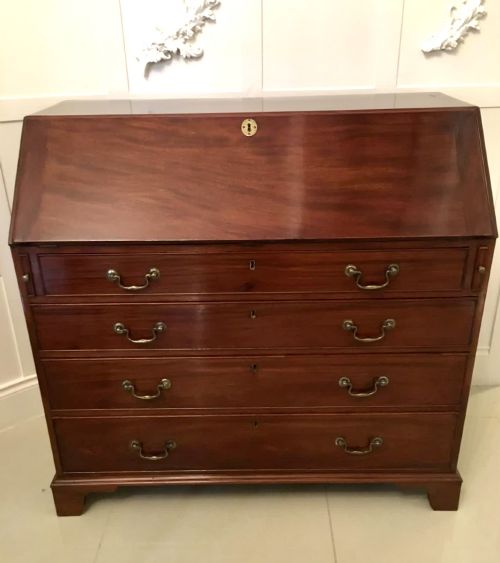
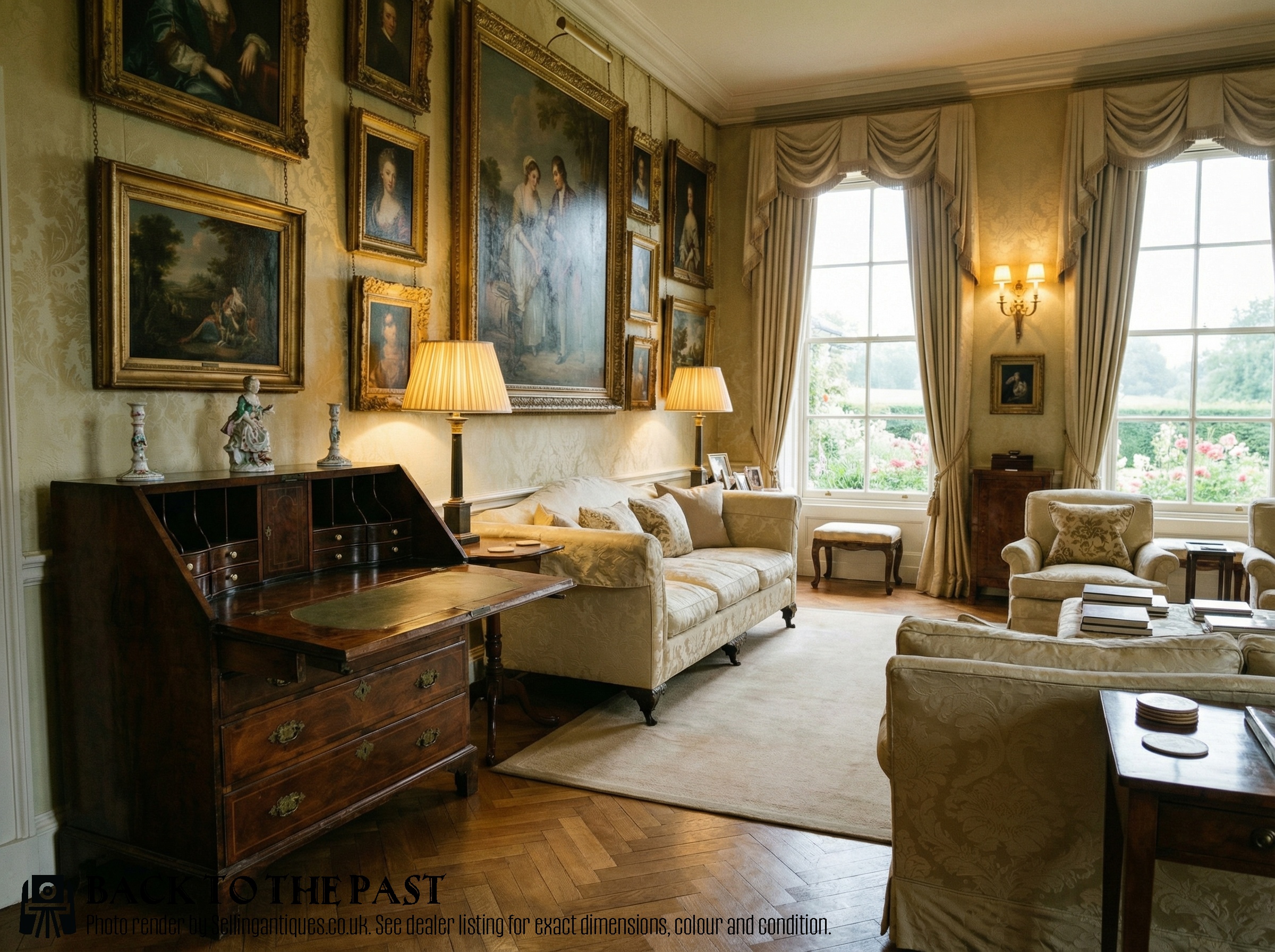
A george i bureau provides a sloping fall-front writing surface that opens to reveal fitted drawers and pigeonholes for correspondence. These desks originate from the early eighteenth century and embody the solid architecture typical of the period.
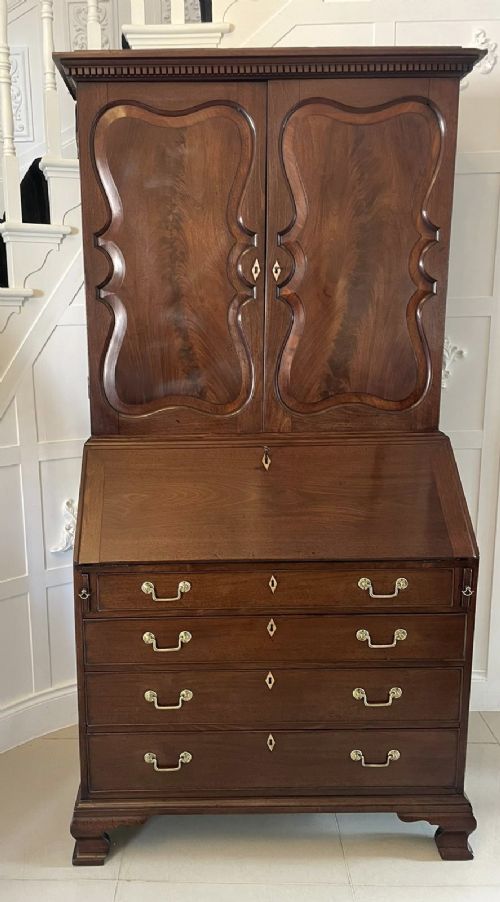
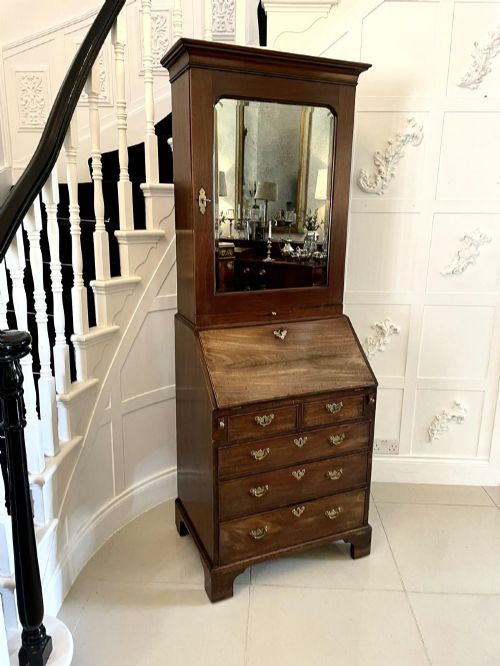
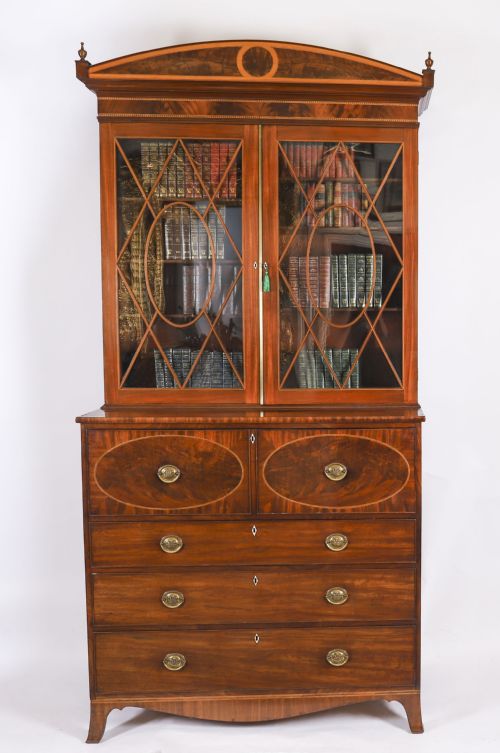
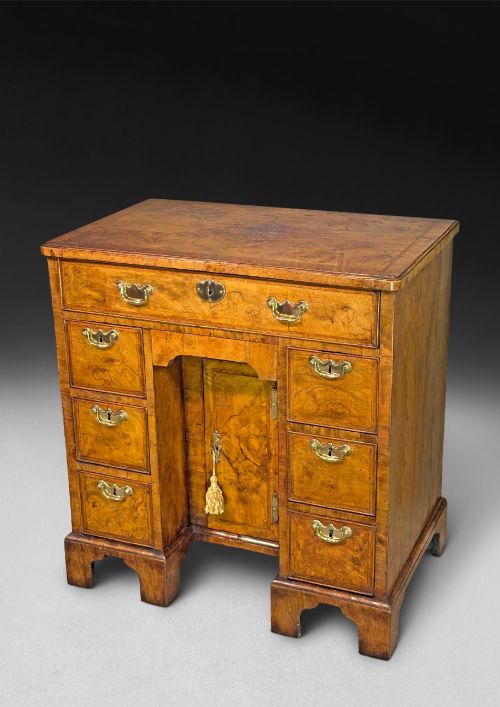
The standard form appears most frequently in walnut, often featuring feather banding or burr grain patterns across the exterior surfaces. Collectors also encounter grander bureau bookcases featuring double-door upper sections, alongside occasional examples executed in oak or mahogany.
Materials and Construction
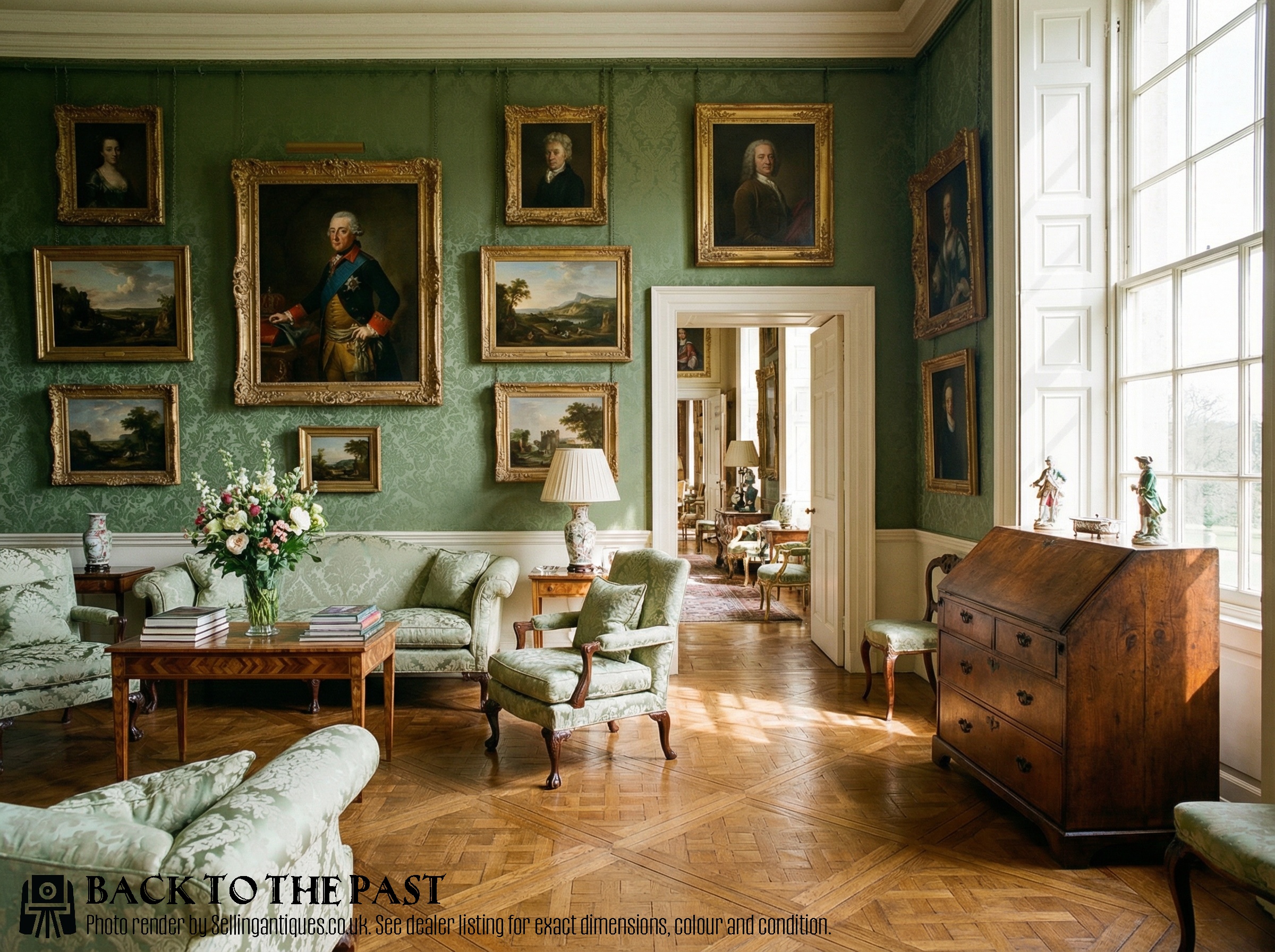
Cabinetmakers constructed the primary carcase of a george i bureau using dense timbers such as walnut, oak, and mahogany. Finer pieces employ figured veneers and delicate feather banding laid over solid foundations.
Makers integrated brass hardware, including key escutcheons and drop handles, alongside fitted interiors built from secondary woods. The fall-front mechanism relies on sturdy hinges and internal support lopers to bear the weight of writing.
Retail Price Guide 2026
Typical UK retail prices for george i bureau, calculated from the Sellingantiques database of over a million retail prices indexed since 2003. This retail price guide relies exclusively on Sellingantiques data; no external sources or auction records are used, so the figures do not describe the wider market.
Early cabinetmakers tucked secret compartments behind miniature drawers inside these desks, hiding private stashes from curious household staff.
Distinctions in Quality
The distinction between standard pieces and the finest examples rests upon the choice of timber and the complexity of the interior joinery. Highly figured burr walnut and meticulous feather banding elevate the visual presence of a desk considerably.
Survival of original brass handles and fitted stepped interiors with secret compartments separate superior pieces from those altered over time. The crispness of the exterior mouldings and the depth of colour in the polish dictate overall standing.
Gillows
The George I Bureau Glossary
- Feather banding
- A decorative inlay technique using thin strips of veneer cut diagonally to form a herringbone pattern around the drawer fronts. This detail requires immense precision from the cabinetmaker.
- Fall-front
- The hinged writing flap that drops down to a horizontal position when unlocked. It serves as both the lid and the writing surface.
- Loper
- A pull-out wooden support rail fitted beneath the fall-front of a desk. These arms extend to bear the weight of the writing flap.
- Escutcheon
- A protective metal plate surrounding a keyhole. Brass examples often feature pierced designs characteristic of the early eighteenth century.
Frequently Asked Questions
What is a george i bureau?
A george i bureau is an early eighteenth-century writing desk featuring a sloping fall-front lid that opens to reveal internal compartments and drawers.
These pieces typically stand on bracket feet and appear in walnut, oak, or mahogany surfaces.
How do I use a bureau daily?
You pull out the wooden lopers to support the lowered writing flap, creating a stable surface for correspondence or laptop use.
Lowering the fall-front grants immediate access to the fitted pigeonholes and small drawers inside.
How do I date an eighteenth-century bureau?
Dating relies on examining the timber species, construction methods of the internal drawers, and the profile of the bracket feet. Early pieces frequently utilise walnut with feather banding and oak secondary woods.
Cabinet hardware style and the presence of original brass handles also provide reliable chronological markers for the 1700s.
Where should I place a bureau?
A bureau suits a study, hallway, or living room wall where its compact footprint and vertical storage capacity prove useful. Position the piece away from direct sunlight and heat sources to protect walnut and mahogany veneers.
Allow sufficient clearance in front of the desk for the fall-front to open completely.