


French Walnut Furniture
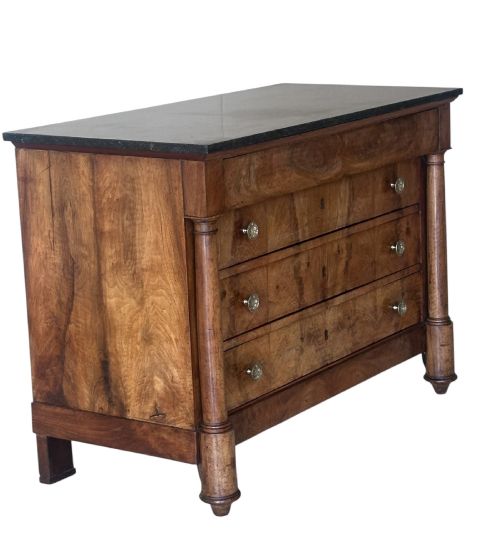
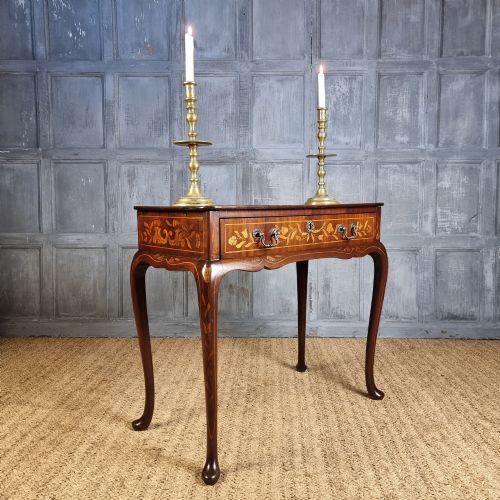
French walnut furniture brings warmth and distinct regional character to a room, spanning grand parquetry commodes and intimate bedside tables.
French Walnut Furniture
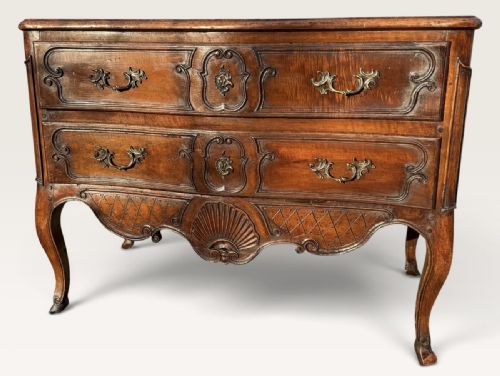
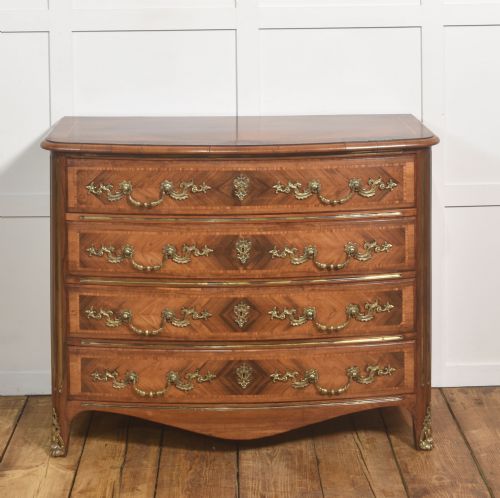
When searching for french walnut furniture, buyers encounter a diverse selection ranging from eighteenth-century serpentine commodes to twentieth-century art deco writing desks and sideboards.
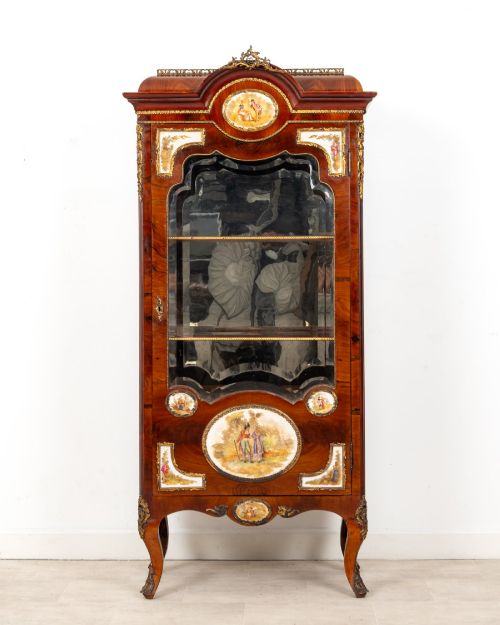
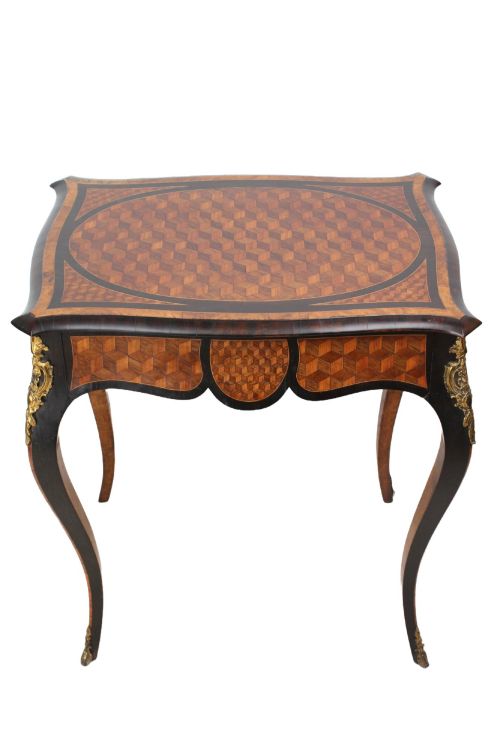
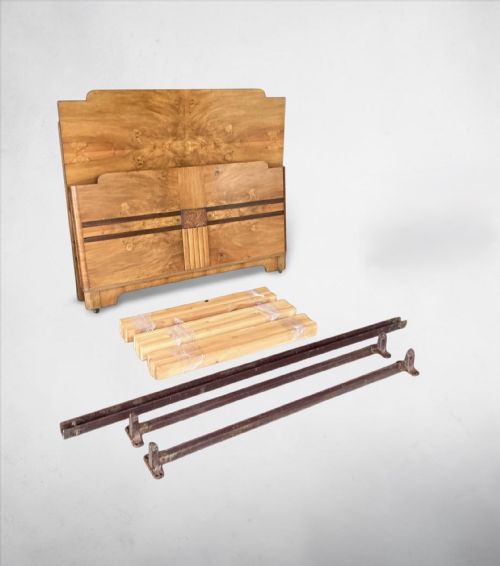
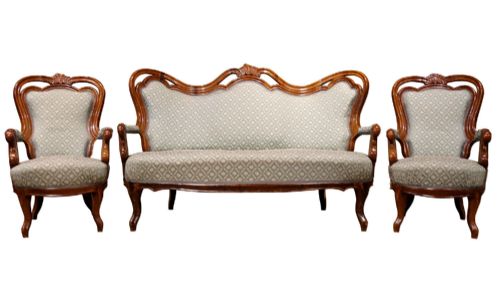
The pieces listed on this page appear in various practical forms, including chests of drawers, display cabinets, centre tables, salon suites, and double beds.
Originating across different eras, these items reflect specific stylistic revivals such as Louis XV, Louis XVI, and French provincial designs executed in rich timber.
How they were made
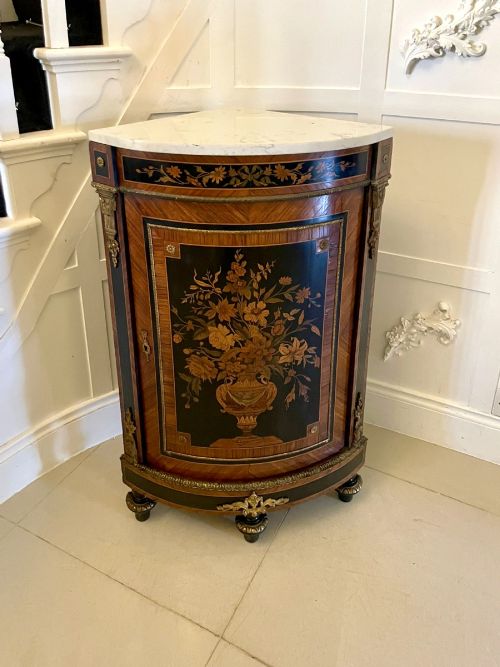
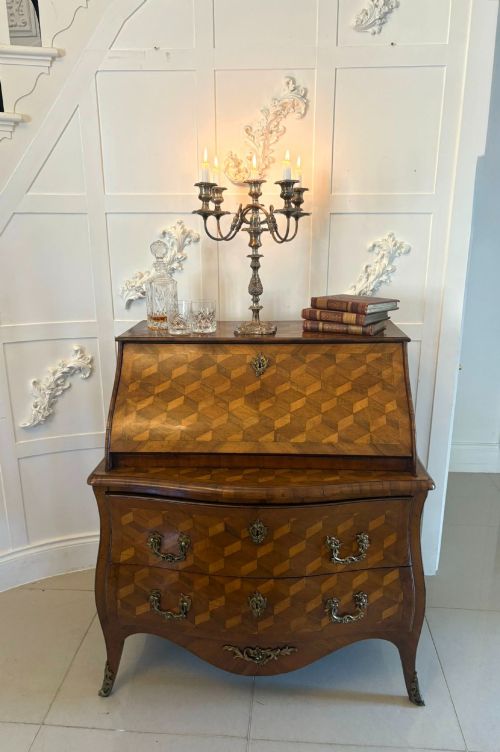
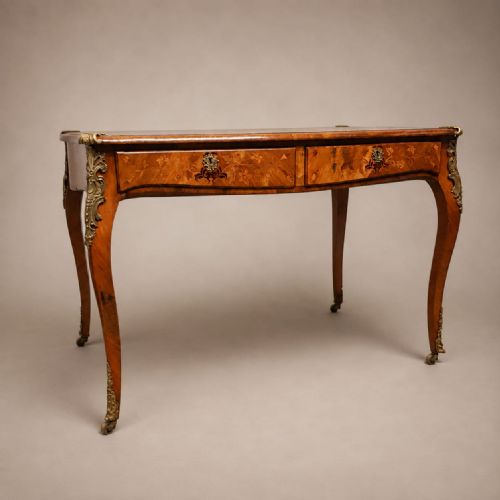
Cabinet makers utilised solid walnut and burr walnut veneers, often laying intricate parquetry and marquetry geometric or floral patterns across surfaces.
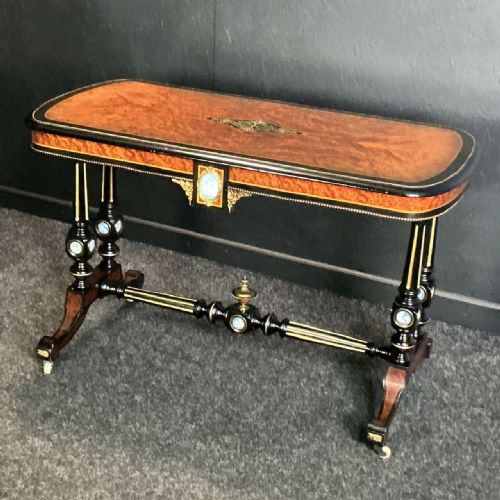
Constructive details frequently incorporate brass, ormolu, gilt metal, marble tops, and glass panels to complement the timber figures.
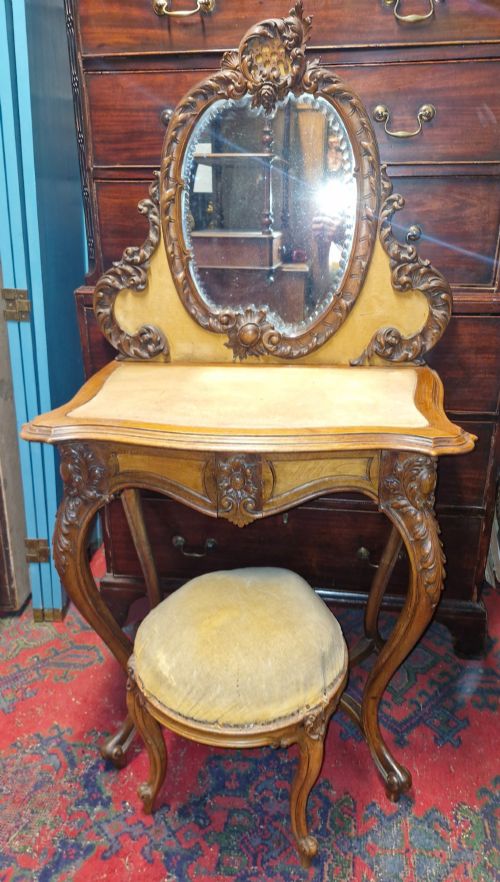
Frames and mounts combine carved walnut timber with applied gilt bronze or brass hardware, particularly on revival commodes and vitrines.
Listings span multiple eras from the eighteenth century through to art deco pieces produced around 1930.
What varies in quality
Quality rests in the crispness of the carved walnut details and the precision of the parquetry inlay across drawer fronts and table tops.
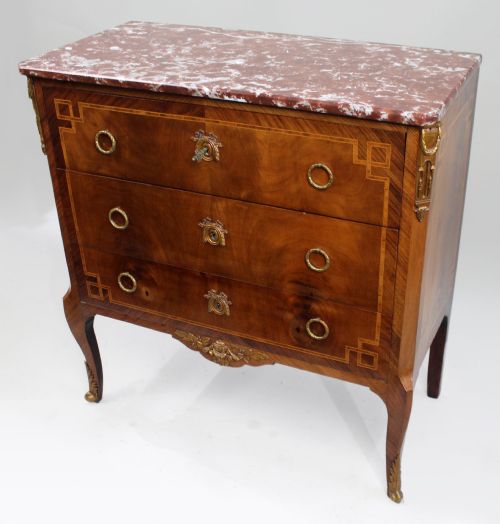
Finer examples integrate superior marble slabs, such as rouge marble, alongside heavier ormolu mounts and well-figured burr walnut veneers.
JAS Shoolbred·Gabriel Viardot·L Martin of Paris
The French Walnut Furniture Glossary
- Commode
- A low chest of drawers or cabinet. These often feature serpentine fronts and marble tops.
- Marquetry
- Decorative veneer work forming pictures or patterns. Artisans arrange thin pieces of wood like walnut to create intricate surface designs.
- Parquetry
- Geometric wood mosaic work used for floors and furniture tops. It creates repeating patterns using contrasting wood grains.
- Ormolu
- Gilded bronze mounts applied to furniture. This technique adds metallic highlights to nineteenth-century revival pieces.
- Vitrine
- A glass-fronted display cabinet. These showcase porcelain plaques and collectibles.
- Etagere
- A set of open shelves for displaying small objects. These tiered tables stand on turned legs.
French Walnut Furniture: Frequently Asked Questions
How do I identify Louis XV style pieces?
Louis XV style furniture displays characteristic curved lines, cabriole legs, and naturalistic carved floral motifs. These pieces often feature serpentine fronts and subtle marquetry.
Makers working in the nineteenth and twentieth centuries adopted these organic shapes to evoke eighteenth-century court aesthetics without strictly copying earlier construction methods.
Are marble tops original to these commodes?
Many nineteenth-century commodes and corner cabinets were designed with fitted marble tops, including rouge varieties. These stone slabs provided durable surfaces for daily use.
Inspect the edges and underside to check that the marble sits flush against the walnut moulding without modern alterations.
What is the difference between walnut and burr walnut?
Standard walnut timber offers a straight, rich grain with deep brown tones suitable for solid framing and turned legs. Burr walnut comes from tree growths that produce swirling, highly figured patterns.
Cabinet makers used burr walnut veneers on prominent surfaces like drawer fronts and tabletop centres to create striking visual contrast.
How do I care for antique walnut surfaces?
Keep walnut furniture away from direct sunlight and heat sources to prevent the wood and delicate veneers from drying out or splitting. Gentle dusting with a dry cloth maintains the finish.
Avoid commercial silicone sprays and excess moisture, applying traditional beeswax sparingly only when the timber appears dull.