
French Painted Porcelain
French painted porcelain brings together delicate hand-brushwork and rich ceramic bodies spanning the eighteenth and nineteenth centuries.
French Painted Porcelain
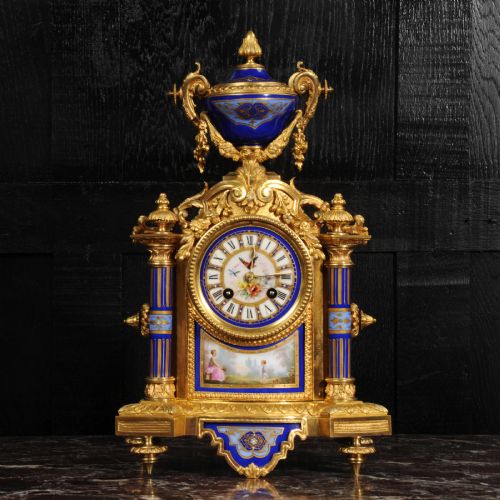
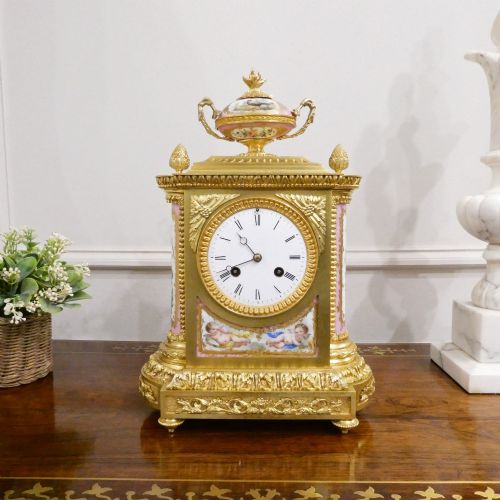
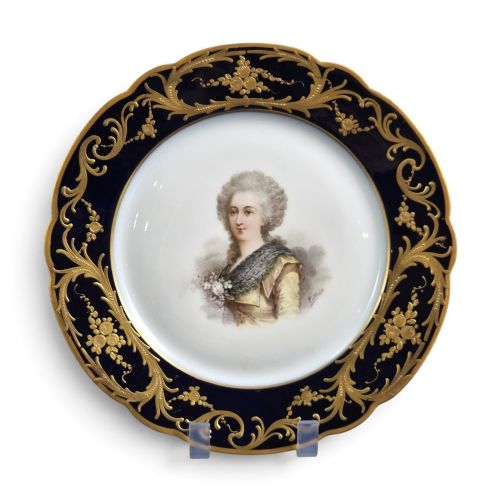
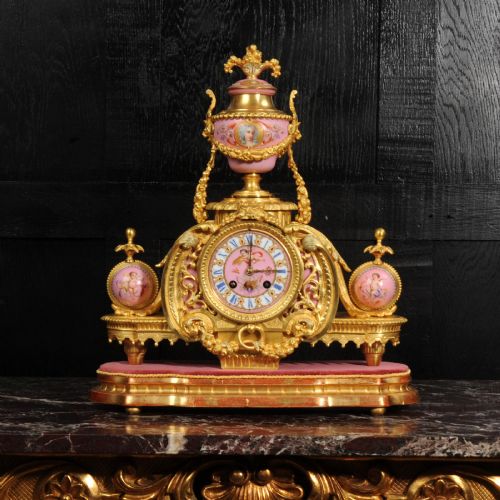
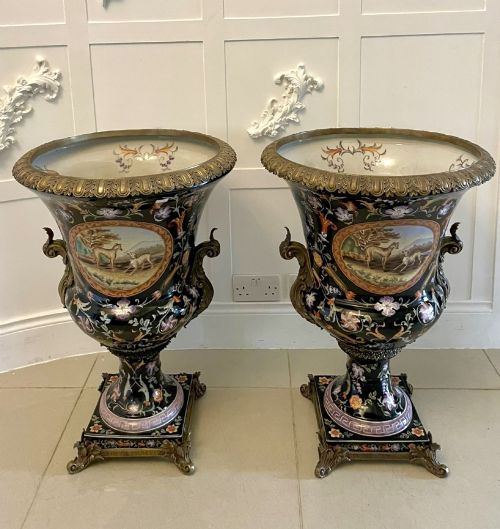
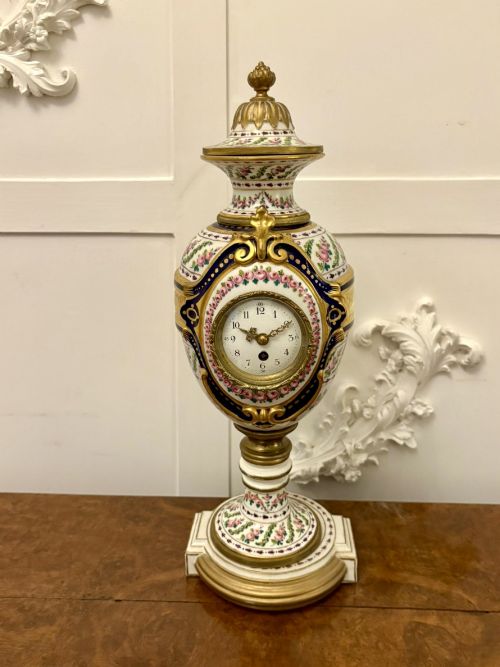
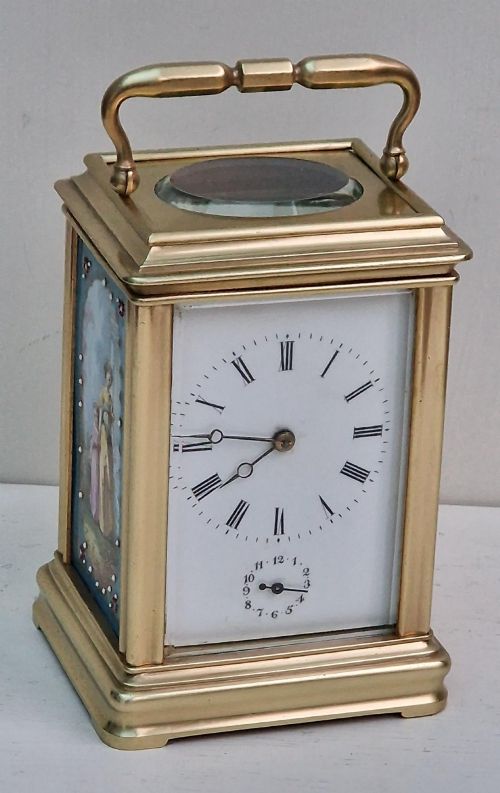
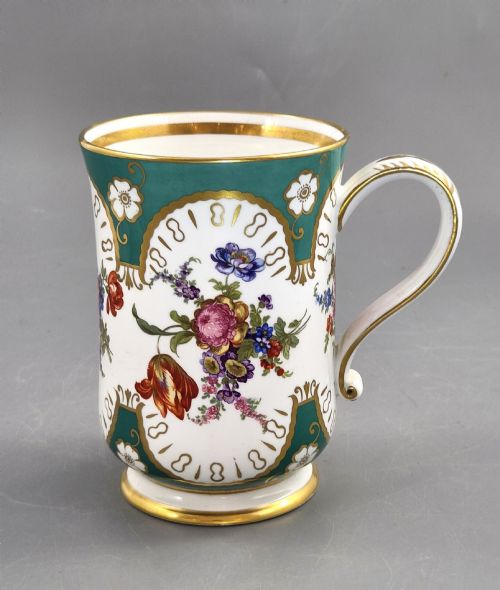
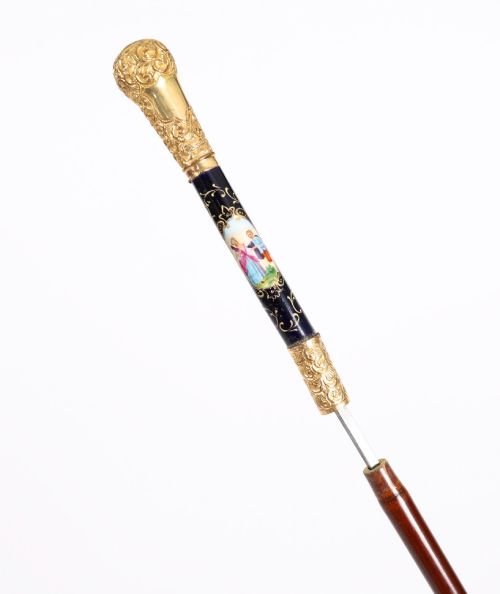
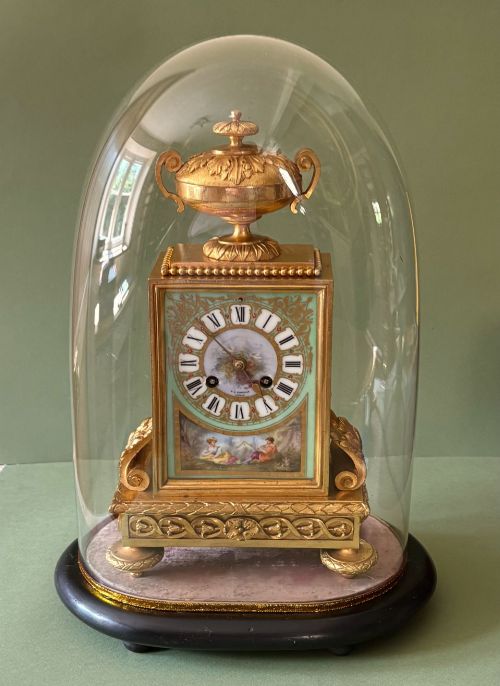
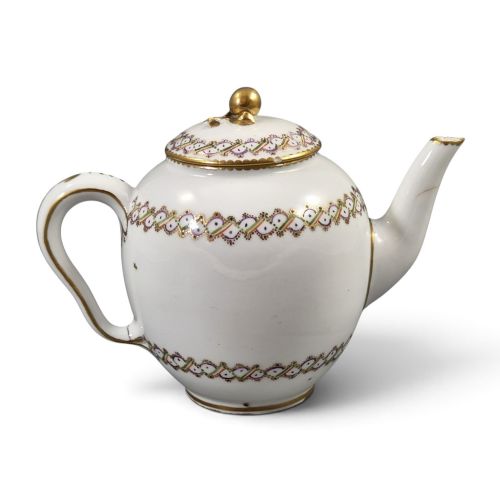
When you search for french painted porcelain, you encounter items ranging from eighteenth-century soft-paste teapots to nineteenth-century mantel clocks, cabinet plates, and large decorative urns.
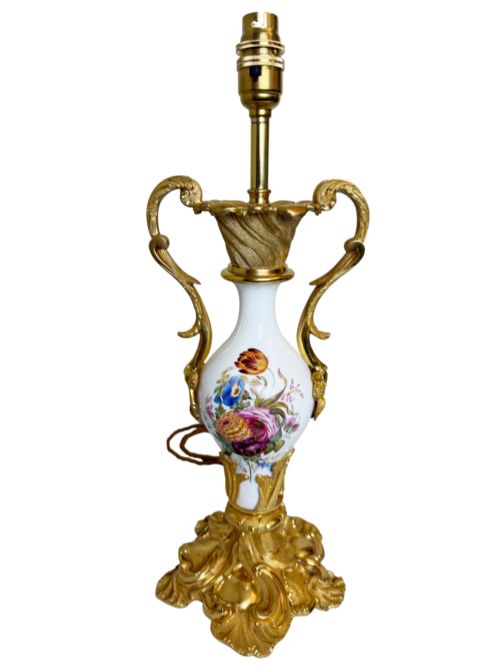
The objects frequently combine ceramic plaques or bodies with cast bronze, ormolu, and brass mounts, reflecting revival styles such as Rococo and Louis XVI.
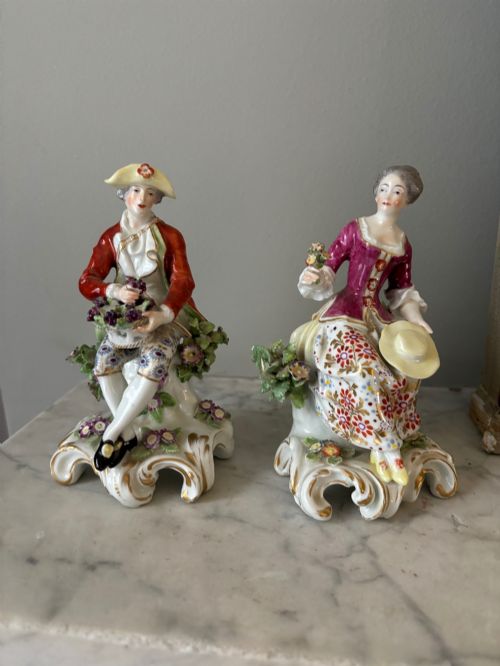
Most examples date from the nineteenth century, including Old Paris wares, Sèvres-style decorative items, and pieces produced by makers like Samson.
How they were made
Potters shaped hard-paste and soft-paste porcelain, sometimes utilising moulded elements before firing the ceramic body.
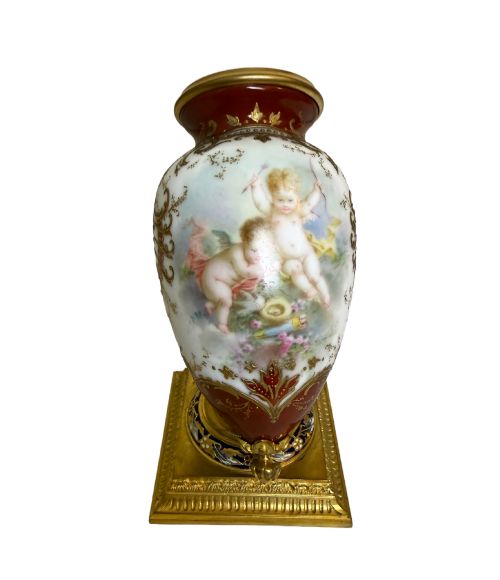
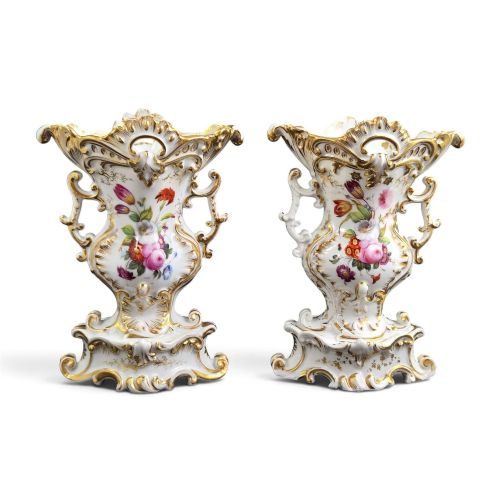
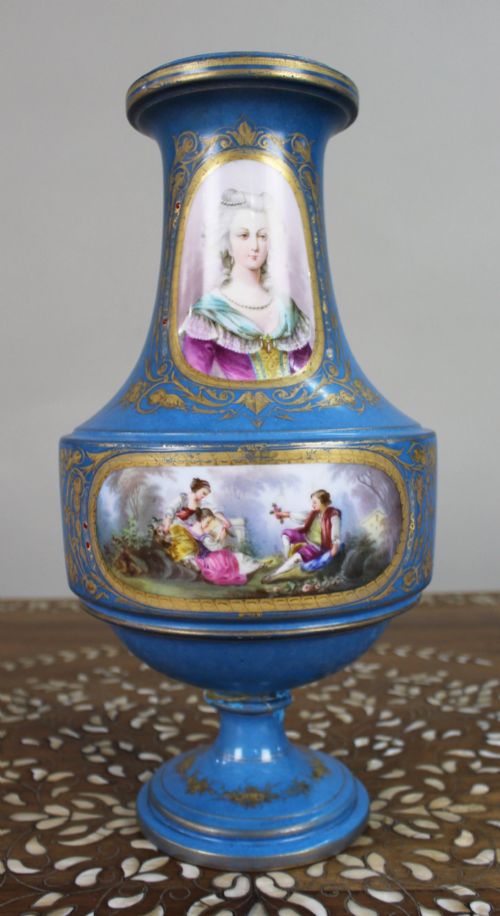
Artisans applied hand-painted enamel scenes and floral motifs, often incorporating gold leaf and gilt detailing across the surface.
Metalworkers framed the ceramic components with cast gilt bronze, ormolu, and brass mounts for clocks, cassolettes, and boxes.
Listings feature eighteenth-century soft-paste porcelain alongside nineteenth-century hard-paste wares, incorporating brass, cut crystal, and gilt bronze.
What varies in quality
The refinement of the hand-painted brushwork dictates visual success, distinguishing finely detailed portraits and narrative scenes from simpler floral decoration.
The execution of the cast bronze or ormolu mounts determines overall craftsmanship, where crisp chasing and secure fit elevate the piece.
The integrity of the porcelain body and the preservation of the original gilding complete the evaluation.
Achille Brocot·Jacob Petit·Edme Samson·Joseph Gaspard Robert·Ambroise Michel
The French Painted Porcelain Glossary
- Ormolu
- Gilded bronze used widely for mounts on clocks, vases, and decorative boxes. This technique gives metal a rich gold appearance.
- Soft-paste
- An artificial porcelain composition fired at lower temperatures during the eighteenth century. It has a warm, slightly creamy appearance under the glaze.
- Bleu céleste
- A bright turquoise or sky-blue ground colour frequently utilised on Sèvres-style porcelain. It provides a vivid backdrop for painted reserves.
- Cassolette
- A decorative vessel designed to serve as a vase or a perfume burner. These often feature reversible lids or mounts.
- Veilleuse
- A ceramic night-light consisting of a teapot-like warmer placed over a small lamp. They were used in bedrooms during the nineteenth century.
French Painted Porcelain: Frequently Asked Questions
What is french painted porcelain?
These items encompass decorative and functional objects produced in France featuring hand-painted ceramic surfaces. They range from cabinet plates and teapots to monumental clocks and vases.
Many pieces incorporate metal mounts and rich ground colours, reflecting shifts in taste from the eighteenth century through the nineteenth century.
How were these items used?
The objects served both practical and decorative purposes in period interiors. Tableware and tea services were used for dining, while clocks and cache-pots adorned drawing rooms.
Smaller items like pill boxes, scent bottles, and jewellery caskets functioned as personal accessories or tabletop ornaments.
How do I live with french painted porcelain?
Display these pieces away from direct sunlight to protect the hand-painted enamels and delicate gilding. Stable room temperatures help preserve the integrity of the ceramic and metal mounts.
Dust gently with a soft dry cloth and avoid harsh cleaning agents that might damage the surface decoration.
How do I tell periods apart?
Eighteenth-century examples often display soft-paste bodies and specific royal marks associated with French manufactories. Nineteenth-century pieces frequently employ revival styles and bolder ground colours like bleu céleste.
Examining the style of the metal mounts, factory marks, and painting techniques provides clear indicators of age and origin.