
French Metal Figurines
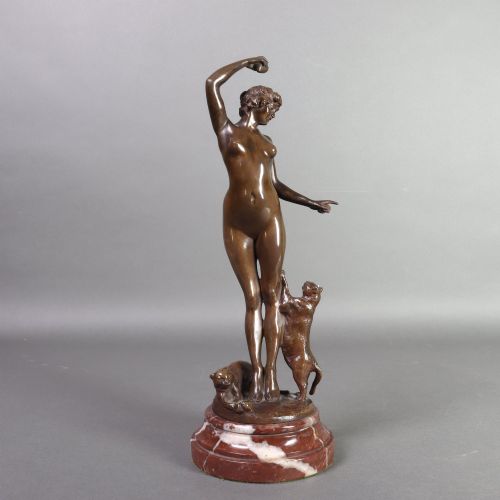
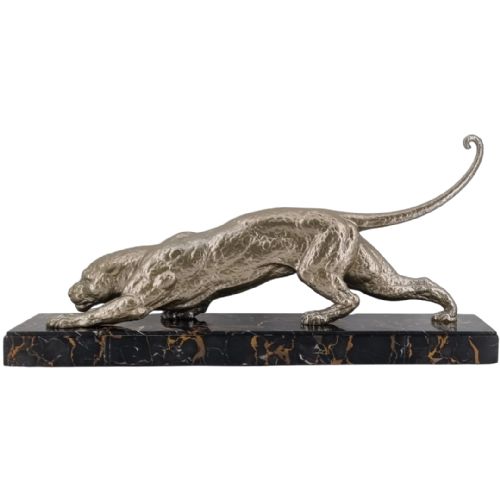
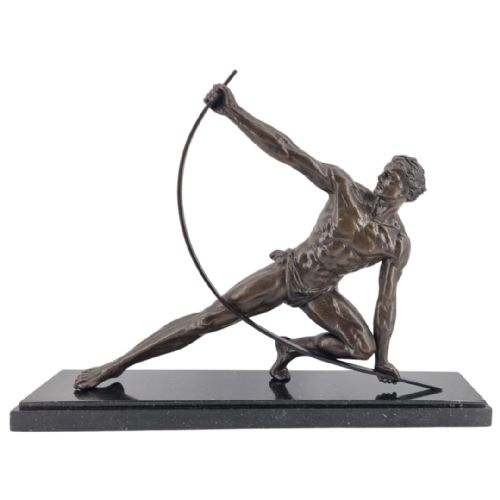
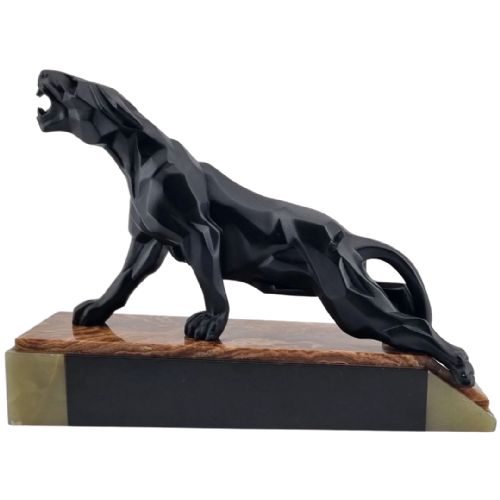
French metal figurines bring home the substantial weight and character of nineteenth and twentieth-century European foundry work.
French Metal Figurines
French metal figurines encompass a wide variety of cast sculptures, statues, and decorative objects spanning the nineteenth and twentieth centuries.
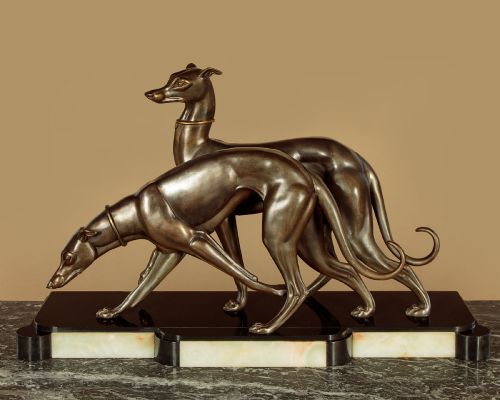
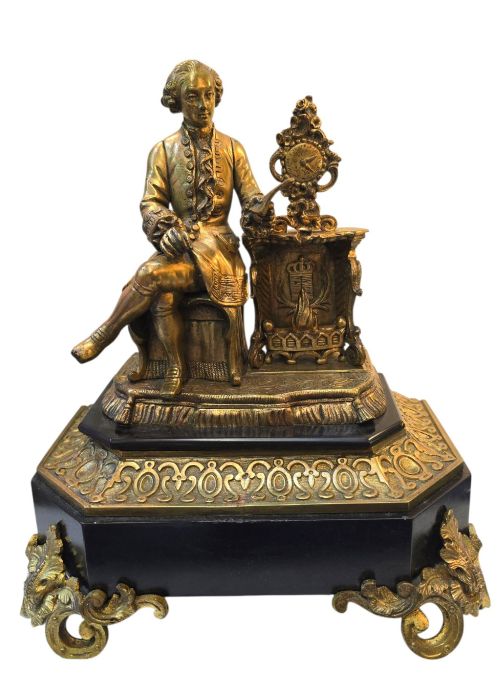
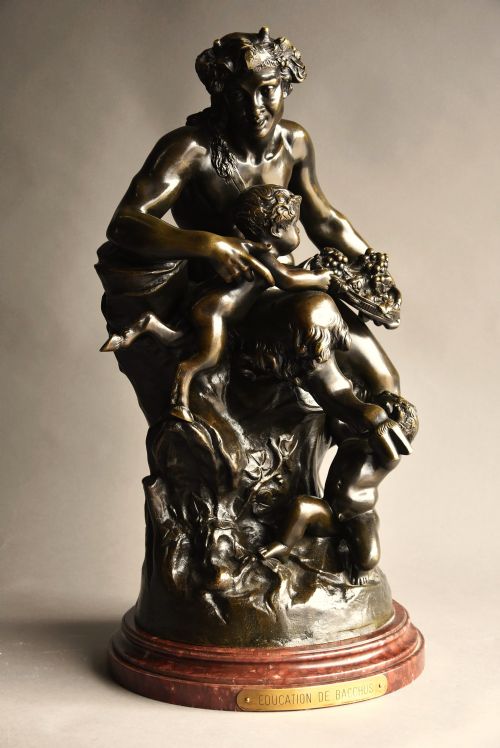
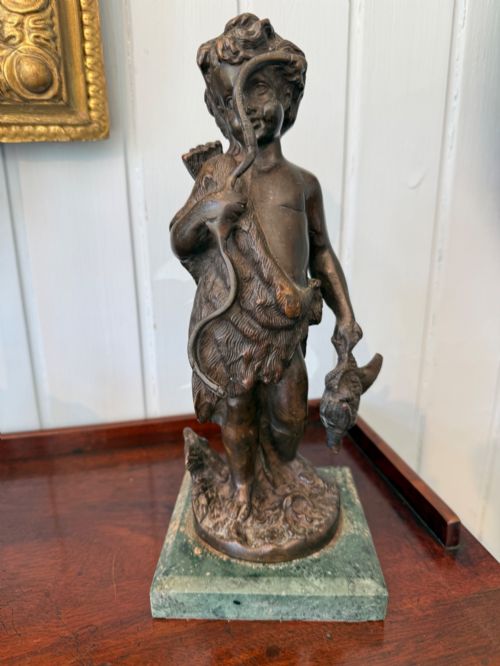
Buyers searching for French metal figurines will frequently encounter works cast in bronze, spelter, and gilt bronze, often mounted on marble or onyx plinths.
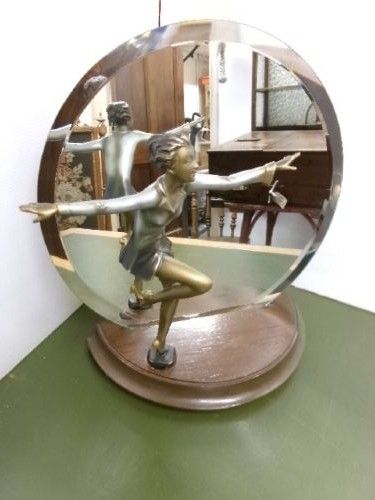
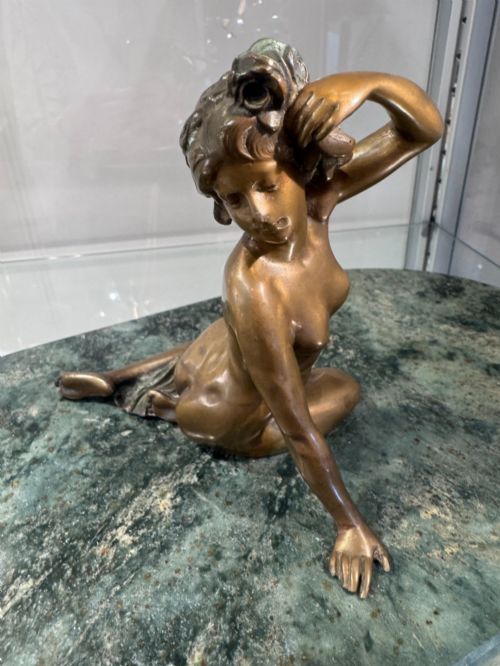
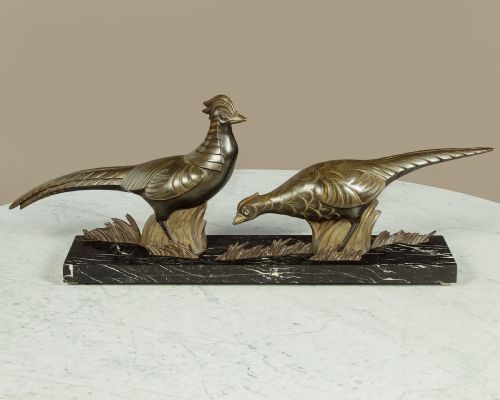
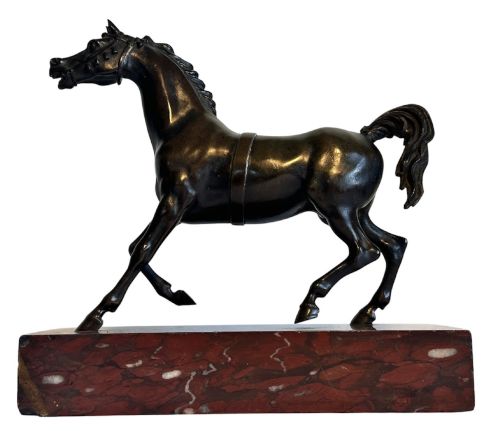
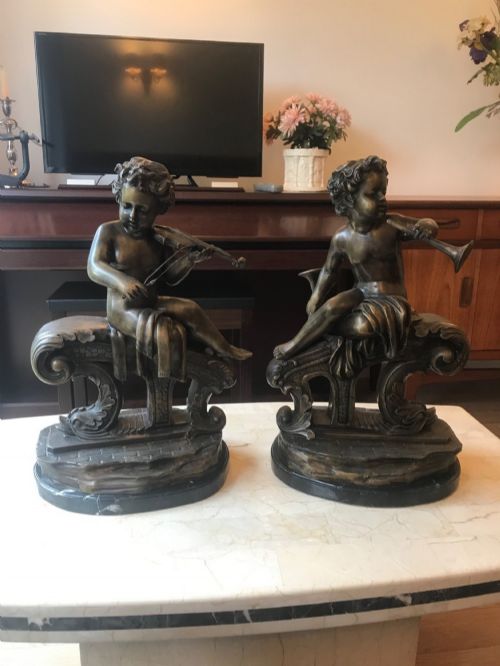
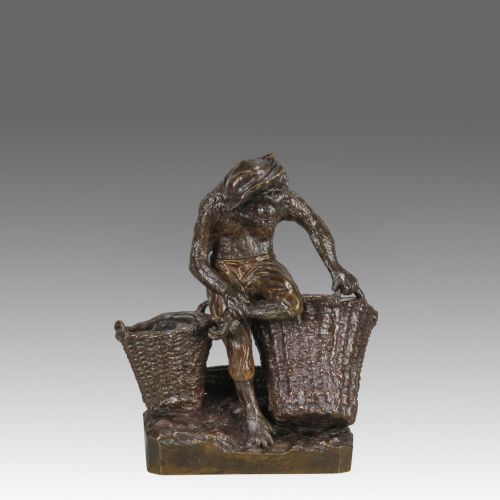
The selections range from classical cherubs and animalier studies to dynamic Art Deco dancers and sporting figures.
How they were made
Foundries utilised traditional metalcasting techniques, pouring molten bronze or spelter into moulds to capture fine anatomical and decorative details.
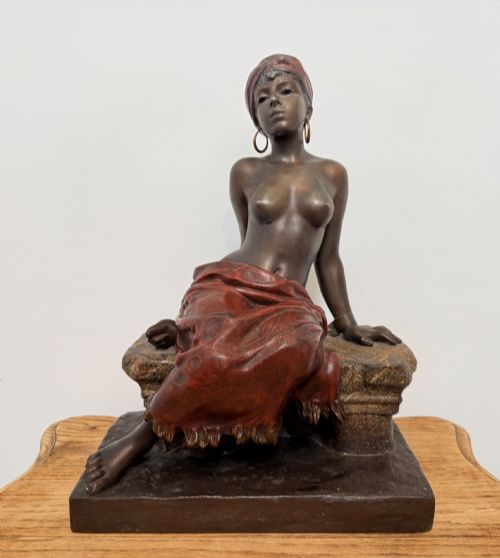
Many pieces received hand-applied patination, cold-painted highlights, or gilding to enhance the texture of garments, feathers, and skin.
Sculptures were frequently secured to heavy stone bases made of marble or onyx to provide stability and visual contrast.
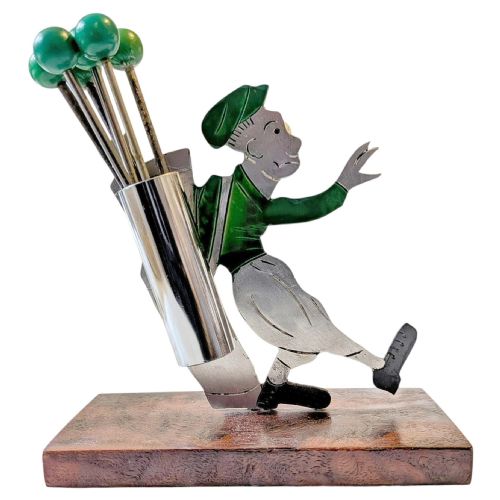
A golfer accompanied by a caddy holding cocktail sticks proves that French metalworkers found room for humour right alongside classical dancers.
What varies in quality
The crispness of the casting defines the standard, with superior examples retaining sharp facial expressions, distinct drapery folds, and clean chiselling.
The choice of material creates a distinct tier, as heavy cast bronze and patinated bronze finishes demand greater skill than softer spelter alternatives.
The integration of the figure with its mounting, whether a polished marble base or a bespoke onyx plinth, contributes to the overall presence of the work.
Pierre le Faguays·Sudre·Claude Michel Clodian·E Villanis·Christophe Fratin·Henri Godet·Emile-Coriolan Guillemin·Jean Jules Salmson·Lucien Madrassi·Eurotrope Bouret·H. Bal·Claire Colinet
The French Metal Figurines Glossary
- Spelter
- A zinc alloy commonly utilised as a less expensive alternative to bronze for decorative figures, particularly during the Art Deco period.
- Patination
- The chemical treatment or natural ageing process applied to the metal surface to produce coloured tones ranging from deep brown to golden hues.
- Animalier
- A nineteenth-century artistic style focusing on the realistic depiction of animals, especially in motion or repose.
- Cold painted
- A technique where oil paint is applied to a cold metal surface after casting, often seen on bronze works.
French Metal Figurines: Frequently Asked Questions
What metals were used for these figurines?
Foundries primarily cast these works in bronze, patinated bronze, gilt bronze, and silvered bronze.
Spelter also appears frequently, particularly among figures produced during the Art Deco era.
How do I tell bronze from spelter?
Bronze is heavier, colder to the touch, and rings with a clear tone when tapped gently.
Spelter is softer, lighter, and often reveals a greyish or silvery metal underneath worn areas of paint.
Where should I display a heavy sculpture?
These figures require a sturdy surface such as a sideboard, mantelpiece, or dedicated pedestal.
Because many pieces feature marble or onyx bases, ensure the furniture can support the combined weight of the metal and stone.
What periods do these pieces represent?
The selection spans from the mid-nineteenth century through the 1960s, capturing distinct stylistic shifts.
Victorian and Rococo Revival works sit alongside Neoclassical subjects and streamlined Art Deco dancers.