

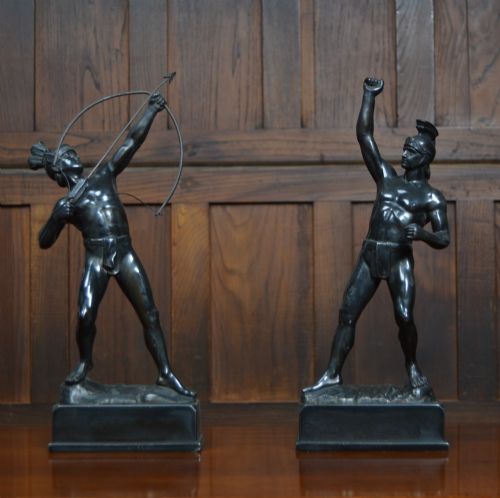
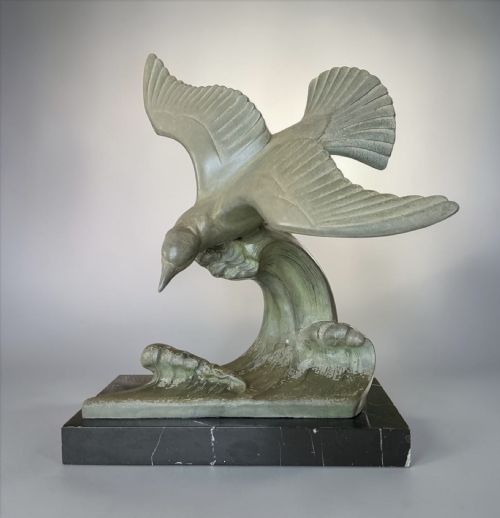


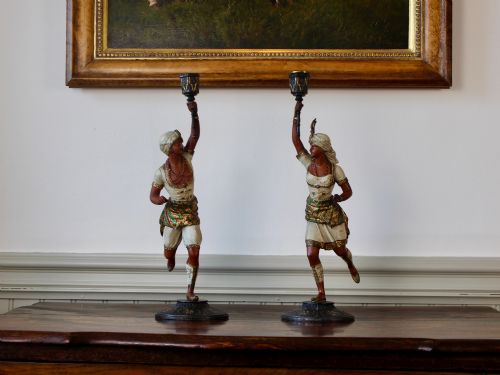


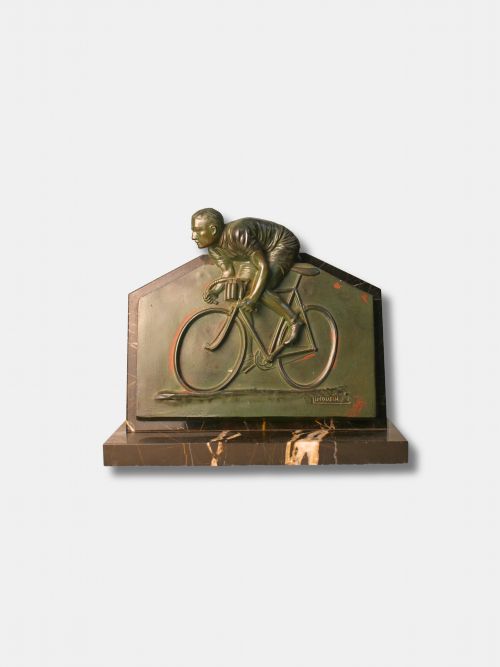


Bronzed Spelter Statues
These bronzed spelter statues bring sculptural presence and period character into a room without the heavier cost of solid bronze.
Bronzed Spelter Statues
When you search for bronzed spelter statues, you encounter figurative sculptures and decorative objects produced primarily across the nineteenth and twentieth centuries. These pieces translate classical, romantic and modern subjects into accessible metalwork designed for domestic display.
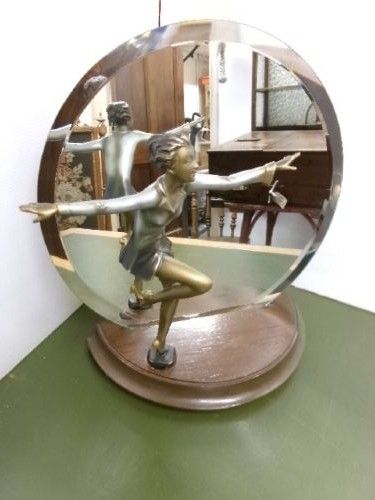
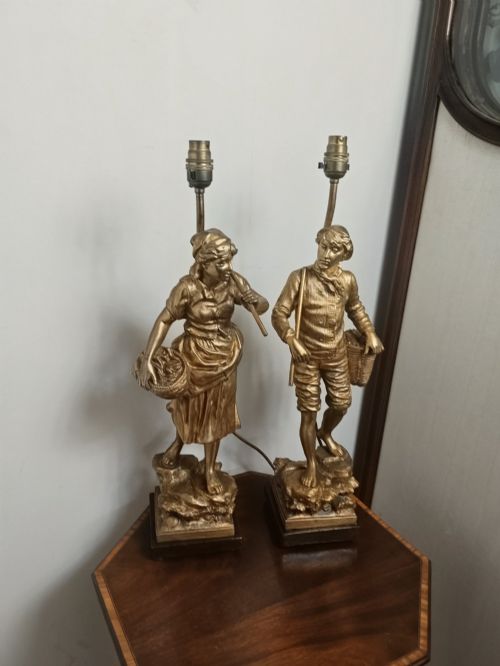
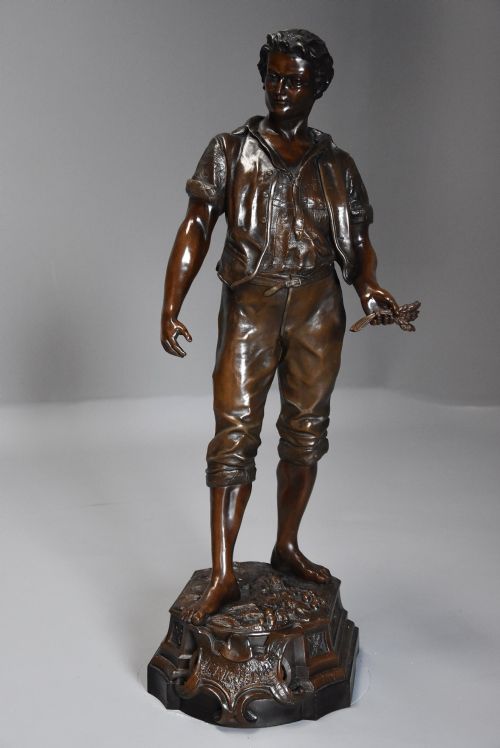
The selections available here lean heavily towards French manufacture, ranging from Victorian soldier figures and farm labourers to dynamic Art Deco dancers and athletic figures. Alongside standalone sculptures, the forms extend to table lamps, bookends and candlesticks.
Makers utilised this zinc alloy to capture fine details in human and animal subjects, coating the surface with a metallic bronze finish to imitate traditional cast bronze. They serve as historical decorative elements that reflect changing artistic tastes from the late Victorian era through the Art Deco period.
How they were made
Spelter, essentially a zinc-based alloy, was cast into moulds to form the core body of the sculptures. Because the metal is softer and melts at lower temperatures than bronze, it permitted rapid casting of intricate decorative items.
Manufacturers applied surface treatments, notably chemical patination or bronzing paints, to simulate the appearance of aged bronze or brass. Many figures were then mounted onto heavy bases made of marble, onyx or wood to provide stability and visual contrast.
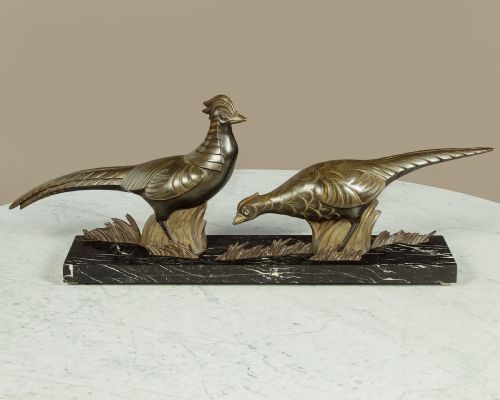
Cyclists, spaniels and Shakespearean characters share shelf space with dynamic Art Deco panthers and dancers.
What varies in quality
The integrity of the surface finish and the quality of the base materials also determine the standing of a piece. Original patination combined with substantial marble or onyx plinths elevates the physical presence of the object.
E Rousseau·F.Milliot·Josef Lorenzl·P. Sega·C Masson·Geo Maxim·H. Bal·Chiparus
The Bronzed Spelter Statues Glossary
- Spelter
- A zinc alloy commonly utilised as a substitute for bronze in nineteenth and twentieth-century decorative metalwork. It provides a lighter and more malleable medium for figurative casting.
- Patination
- The surface coloration achieved through chemical application or paint to simulate aged metal. This finish gives the spelter its characteristic bronzed appearance.
- Plinth
- A heavy base, frequently composed of black marble or onyx, supporting the main metal figure. It anchors the sculpture and adds structural balance.
- Garniture
- A set of ornamental objects, such as a clock accompanied by matching candlesticks or urns, designed for display on a mantelpiece.
Bronzed Spelter Statues: Frequently Asked Questions
What is spelter metal?
Spelter is a zinc-based alloy commonly used in the nineteenth and twentieth centuries to create affordable decorative sculptures and household items. It allowed manufacturers to produce detailed figures that resembled traditional cast bronze.
While softer than bronze, the metal took patination well, giving it a convincing metallic finish that suited domestic interiors.
How do I identify Art Deco pieces?
Art Deco pieces typically date from the 1920s and 1930s, featuring streamlined forms, geometric bases and dynamic subjects like dancers, athletes and animals. The styling moves away from Victorian ornamentation towards sleek modernity.
Signatures from known sculptors of the period often appear directly on the metal body or on the marble plinth.
Why are they mounted on marble?
Spelter is a relatively light and soft metal, so heavy bases made of marble or onyx provide necessary structural stability. These stone plinths also enhance the visual contrast against the dark bronzed finish of the figure.
Many bases are shaped specifically to complement the stance of the sculpture, such as sweeping curves for dancers or long rectangles for animal groups.
Are these figures solid bronze?
These pieces are cast from spelter rather than bronze, though they received a surface treatment to mimic bronze coloration. Tapping the metal or checking weight helps distinguish zinc alloy from heavier copper-based bronzes.
Despite not being solid bronze, these statues achieved wide popularity for their intricate detailing and accessible price point during the Victorian and Art Deco eras.