
Vintage Bronzed Metal Statues
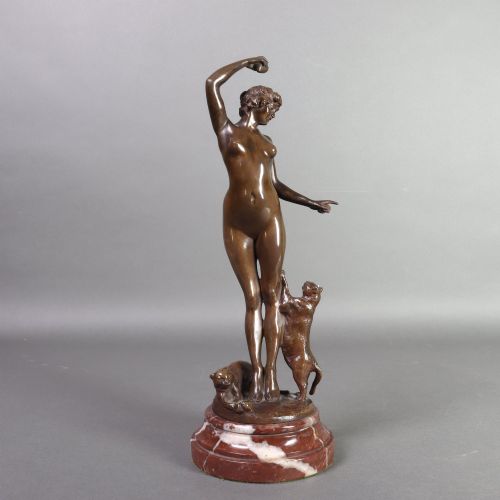
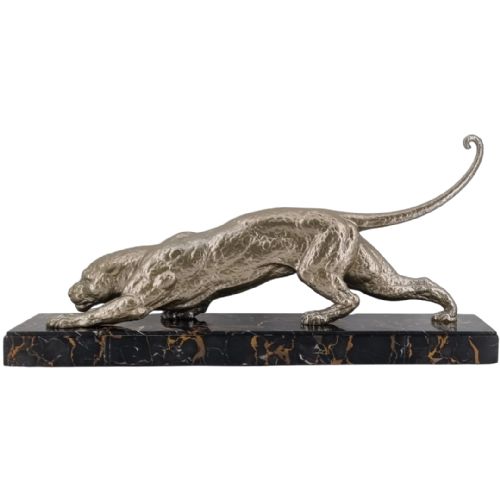
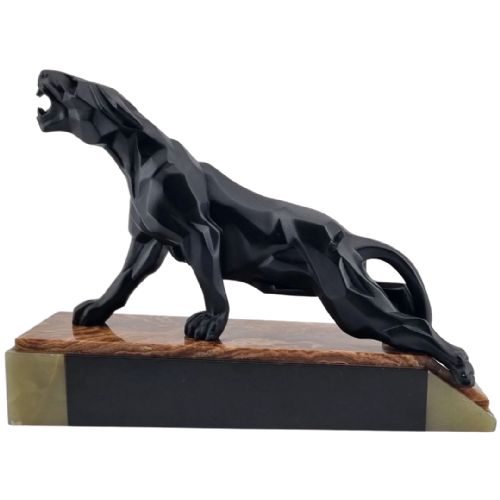
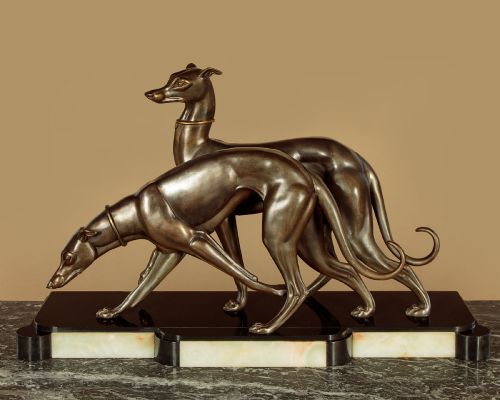
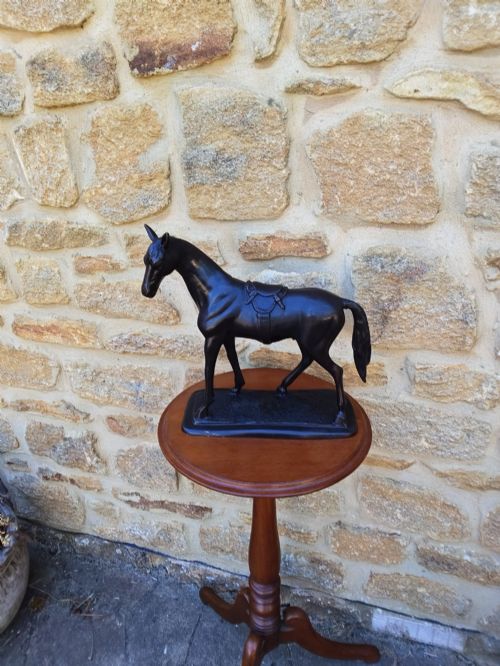
Vintage bronzed metal statues bring character to a room through cast figures, animals and dancers from the nineteenth and twentieth centuries.
Vintage Bronzed Metal Statues
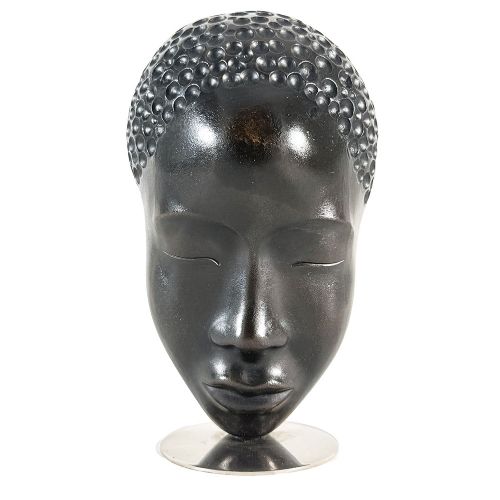
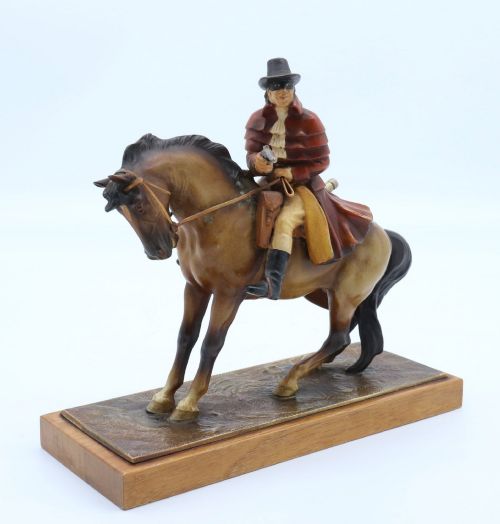
Vintage bronzed metal statues span a wide assortment of sculptural forms, ranging from animalier figures to figural lamps, bookends and desk ornaments. Buyers seeking this aesthetic encounter diverse examples originating from nineteenth-century foundries alongside twentieth-century workshops.
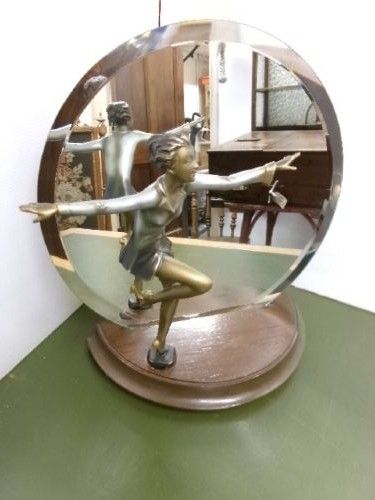
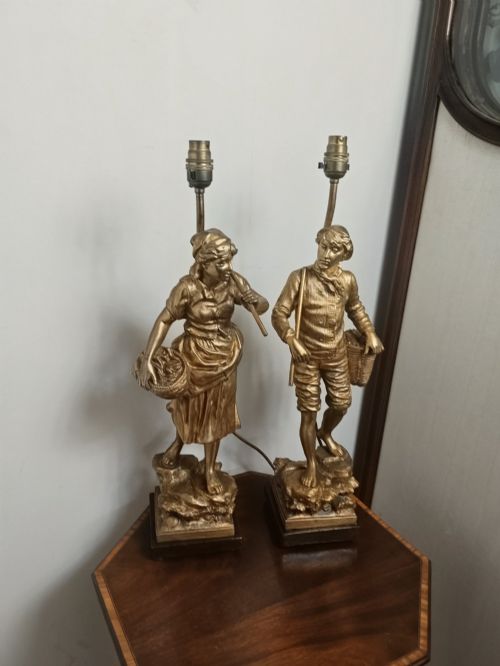
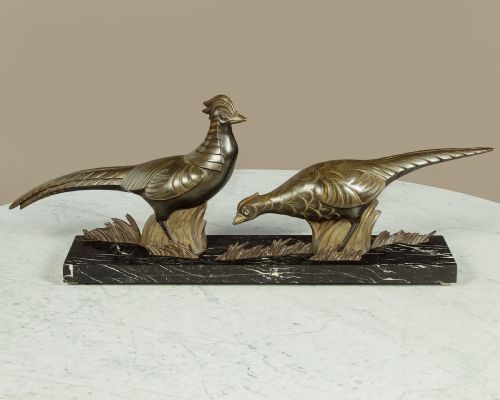
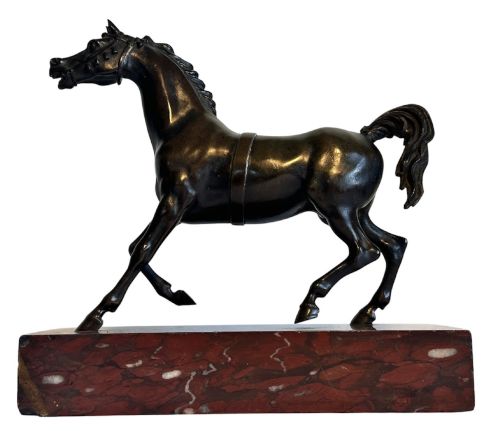
The material palette extends beyond solid metal to include patinated metal, spelter, and gilt finishes mounted on marble or onyx bases. Many pieces capture distinct movements, such as dancing ladies, leaping panthers, and standing animals.
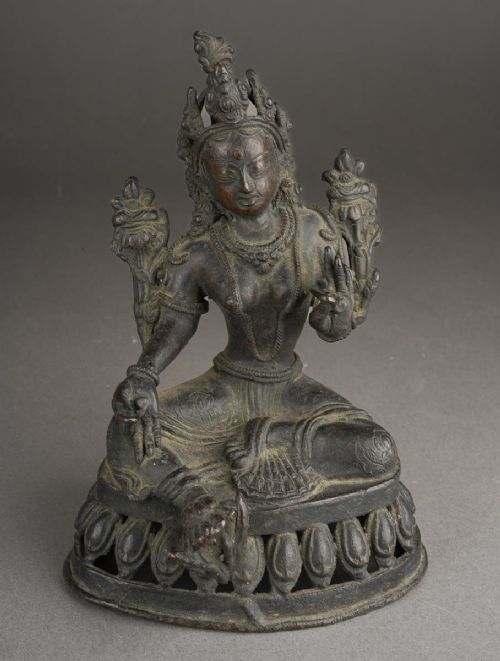
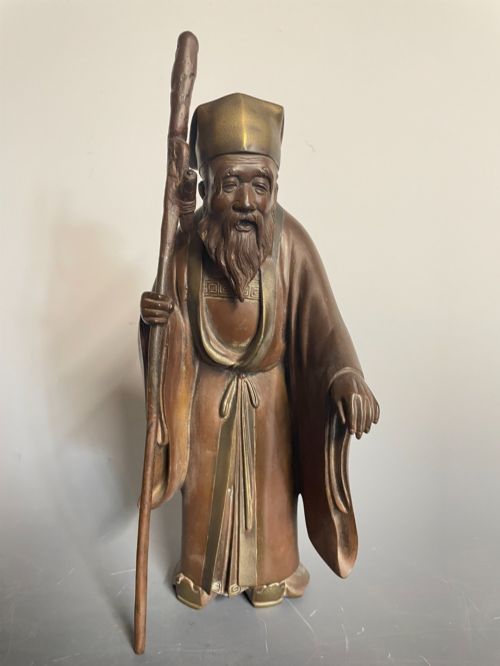
Stylistic influences vary significantly, taking in Art Deco curves, Japanese Meiji period casting, Austrian cold-painted novelties, and Himalayan Buddhist shrines. Selecting a piece involves weighing these diverse cultural origins and functional types against one another.
Distinctions in craftsmanship and finish
The refinement of the casting determines how sharply defined facial expressions, feathers, and musculature appear to the eye. Superior examples demonstrate crisp chiselling and careful surface chasing after the piece leaves the mould.
The preservation of original cold-painted surfaces or patination marks the difference between a tired piece and a well-preserved survivor. Heavy bases of genuine marble or onyx also elevate the substantial feel of the finished work.
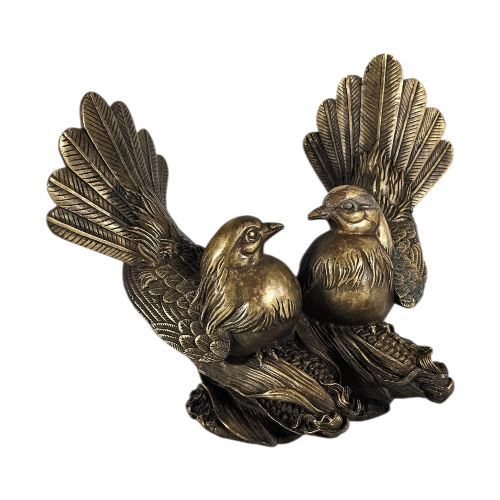
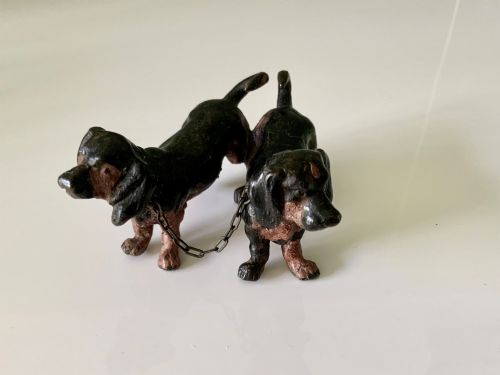
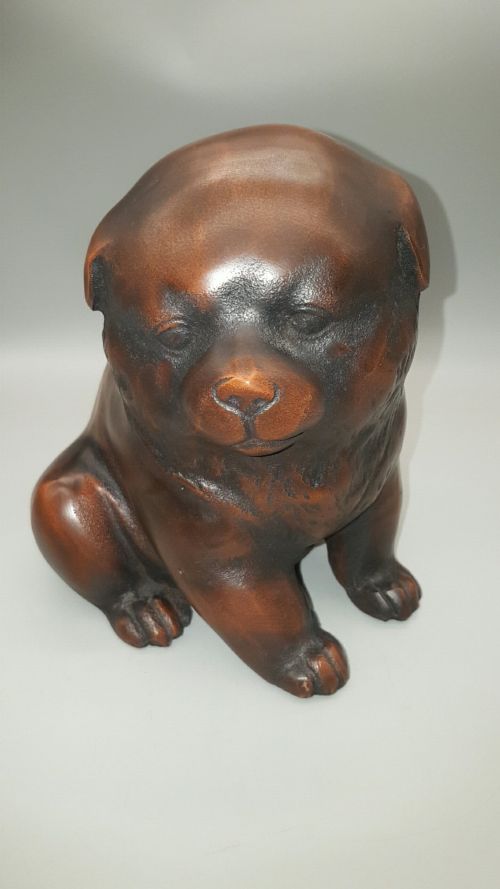
Geese, dachshunds, panthers, and golden pheasants share the spotlight with dancing humans.
Pierre le Faguays·Josef Lorenzl·E Rousseau·Tsunemitsu·Christophe Fratin·P. Sega·C Masson
The Vintage Bronzed Metal Statues Glossary
- Spelter
- A zinc alloy commonly utilised as a less expensive alternative to bronze during the nineteenth and twentieth centuries. It accepts patination and metallic paint finishes readily.
- Animalier
- A nineteenth-century artistic movement focused on the realistic depiction of animals, particularly predators, horses, and birds in motion. Sculptors in this genre studied animal anatomy closely.
- Cold-painted
- A method of applying non-fired paint to a metal sculpture after casting. This technique was widely practiced in Austrian workshops to create vibrantly coloured figures.
- Patinated metal
- Metal treated with chemicals, heat, or acids to produce a coloured surface layer. This process mimics the natural ageing of bronze over decades.
- Okimono
- Japanese decorative objects designed for display on a shelf or tabletop. They frequently depict birds, animals, or human figures cast in bronze.
Vintage Bronzed Metal Statues: Frequently Asked Questions
What is spelter?
Spelter is a zinc-based alloy commonly used for sculptural figures, lamps, and decorative objects. It served as a cost-effective alternative to solid bronze.
Objects cast in spelter typically feature a patinated or painted finish to simulate heavier metals. They require gentle cleaning to protect the surface coating.
What is cold-painted bronze?
Cold-painted bronze refers to metal sculptures decorated with un-fired oil or enamel paints applied by hand. This technique gained popularity in Austrian workshops.
Because the paint is not baked on, these pieces require careful handling and protection from direct sunlight. Moisture can cause the delicate pigments to flake.
Are marble bases original?
Many nineteenth and twentieth-century figures were mounted on marble or onyx plinths by the maker to provide stability. The stone type often corresponds to the period of the sculpture.
Inspect the join where the metal meets the stone to check for secure fixings. Replacement bases appear on restored items.