



French Child Statues
French child statues capture youthful innocence in enduring materials like bronze, marble and terracotta across the nineteenth and early twentieth centuries.
French Child Statues
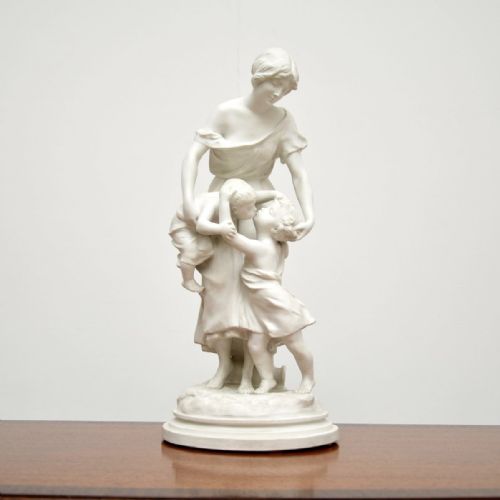
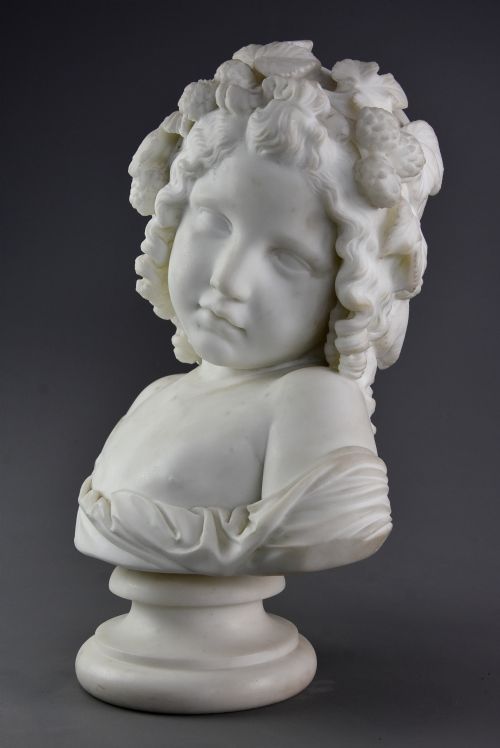
French child statues encompass sculptural works depicting youngsters, ranging from single busts of young girls to large bronze groups of mothers and children. These figures appear frequently in nineteenth century realist and academic traditions, capturing domestic scenes and classical motifs.
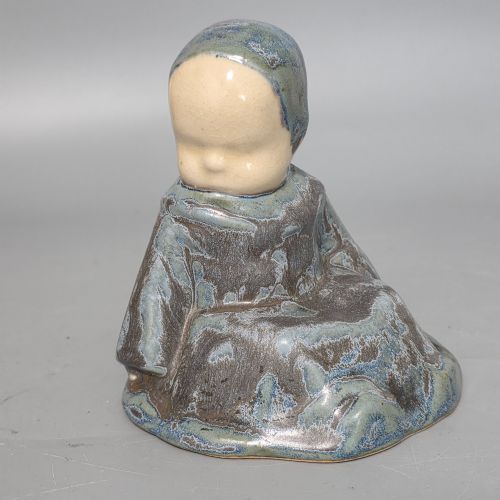
Buyers encounter diverse formats on this page, including patinated and gilded bronze figures, carved wood, and painted stoneware. Table lamps and decorative figurines also emerge within the selection.
Origins span from the early nineteenth century through the Art Deco period of the 1930s. Pieces frequently reflect stylistic shifts from neoclassical academicism to modernist interpretations.
Materials and methods
Foundry bronze stands as a primary medium, often finished with rich patinas or gilding to accentuate sculptural detail. Spelter and terracotta offer alternative metallic and ceramic textures across nineteenth and twentieth-century works.
Carved marble and wood demonstrate traditional sculptural dexterity, while stoneware provides a glazed ceramic finish. Applied paint and natural patina add surface character to these figures.
Assessing quality
Quality rests upon the crispness of the casting and the sensitivity of the carving, distinguishing master sculptors from standard workshop production. Details in facial expression and drapery separate the finest pieces from simpler decorative items.
The sophistication of the surface finish, whether patinated bronze, carved carrara marble, or hand-painted stoneware, dictates the aesthetic standing of each piece.
Berthe Savigny·Luca Madrassi·P. Sega·H. Chiparus·Auguste Moreau·Lucien Madrassi·Alexandre Kelety·Dumond·J Camus·Xavier Raphanel·Carrier·Pigale·Antoine Bofill
The French Child Statues Glossary
- Patina
- The surface sheen or coloration developed by age or chemical treatment on bronze and metal sculptures. This finish enhances the visual depth of the underlying material.
- Spelter
- A zinc alloy commonly utilised as a less costly alternative to bronze for decorative figures. It accepts patination readily to mimic heavier metals.
- Carrara marble
- A type of white or blue-grey marble quarried in Italy and favoured for neoclassical busts. Sculptors value it for its fine grain and luminous quality.
- Terracotta
- Baked unglazed clay used for sculptural busts and figures. It provides a warm, earthy texture suited to figurative work.
- Bisque
- Porous, unglazed porcelain that offers a matte white surface resembling carved marble. It appears frequently in nineteenth-century decorative figures.
French Child Statues: Frequently Asked Questions
How do I identify bronze from spelter?
Bronze exhibits greater weight, a resonant ring when struck lightly, and a finer grain beneath the patina. Spelter feels lighter and softer, sometimes revealing a greyish metal beneath worn spots.
Inspect the underside or recessed areas where patination is thin to observe the base metal. Bronze holds crisp detail far better than the softer spelter alloy.
Where were these statues displayed originally?
These pieces traditionally adorned nineteenth-century salons, drawing rooms, and studies as focal points of domestic refinement. Smaller figures and busts often sat upon mantelpieces, pedestals, or specialised occasional tables.
Table lamp conversions also served functional illumination roles while retaining sculptural presence in period interiors.
How do I date a nineteenth century bronze?
Dating relies upon foundry marks, signature styles, the quality of the chasing work, and the depth of the patina. Nineteenth-century pieces frequently display cast signatures and foundry stamps associated with Parisian workshops.
Stylistic cues such as neoclassical drapery or Art Deco geometric bases further narrow the production era.
How do I care for marble and bronze?
Dust bronze gently with a soft dry cloth and avoid chemical cleaners that strip the original patina. Occasional light waxing can protect metallic surfaces from atmospheric moisture.
Marble requires simple dusting with a damp cloth, avoiding acidic substances that etch the polished stone surface.