
French Gilt Bronze Centrepiece
A french gilt bronze centrepiece brings nineteenth-century dining tables alive with chased metal, cut crystal and hand-painted porcelain.
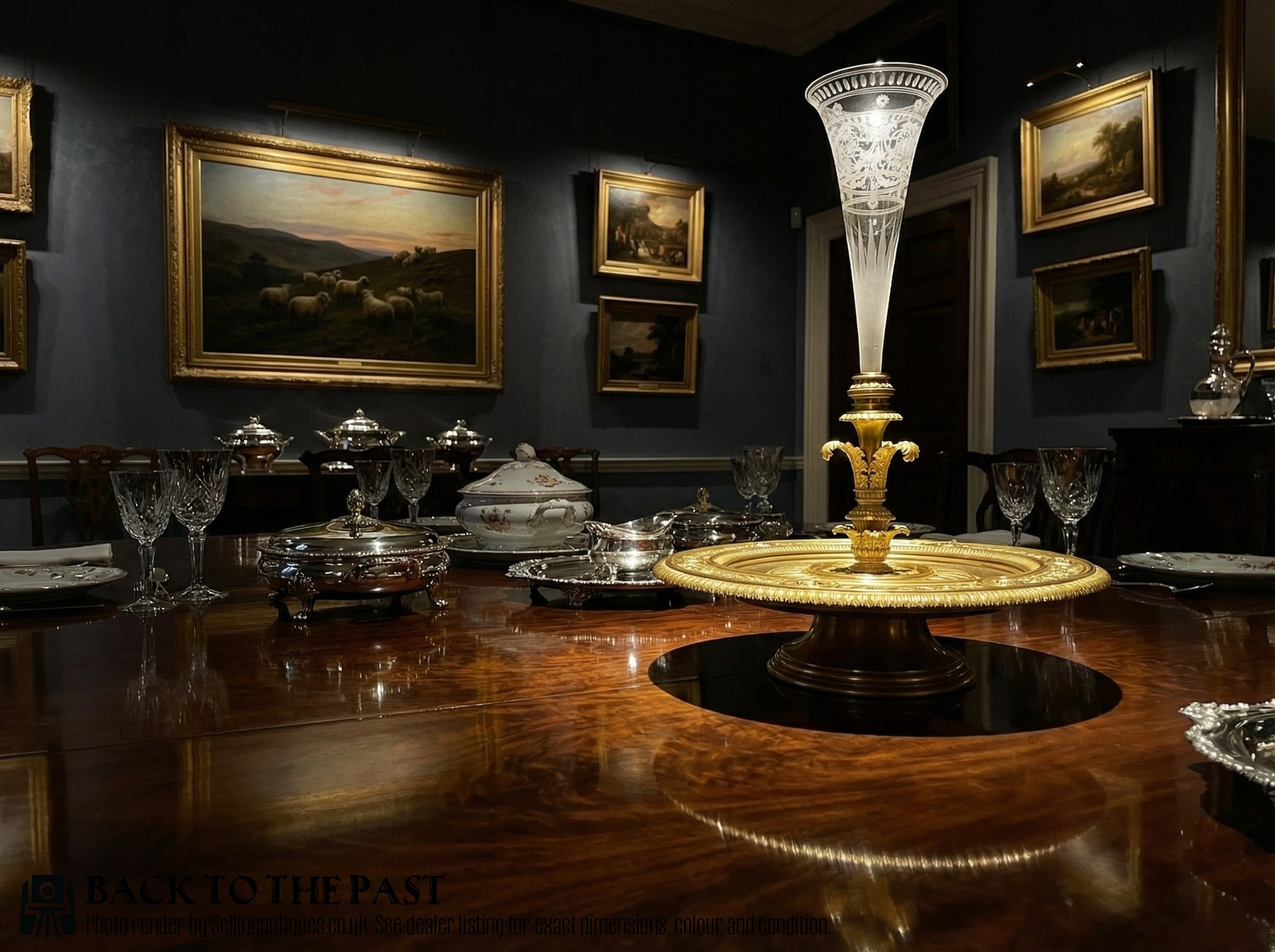
French Gilt Bronze Centrepiece
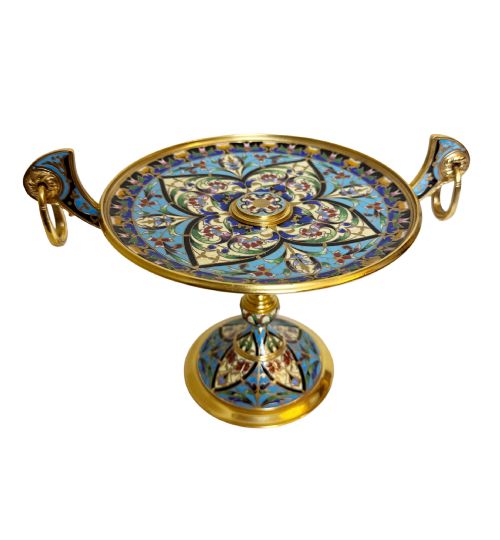
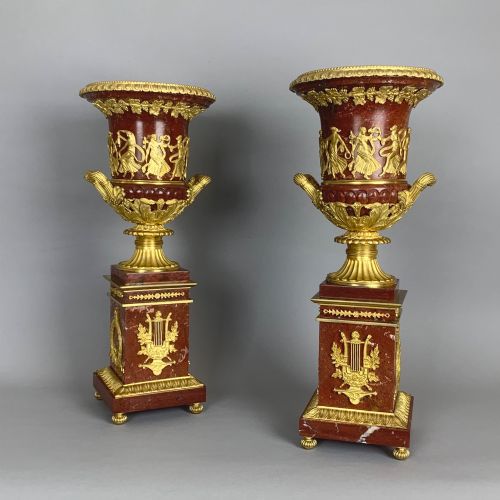
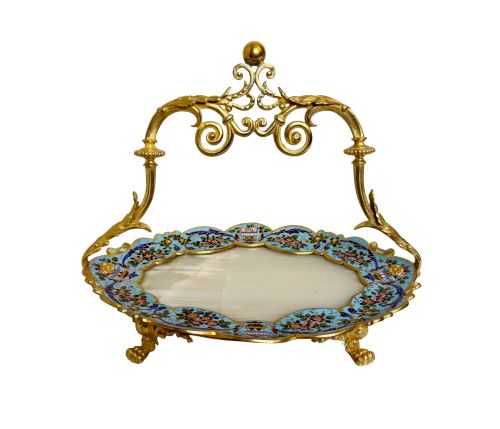
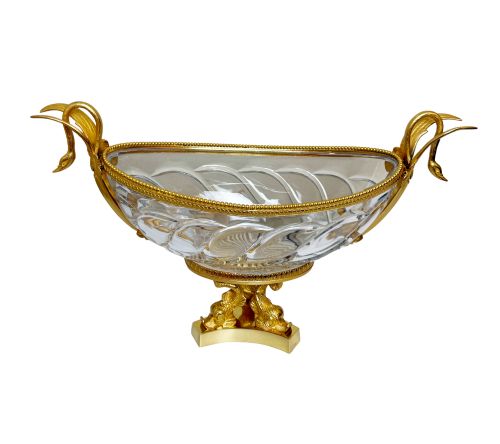
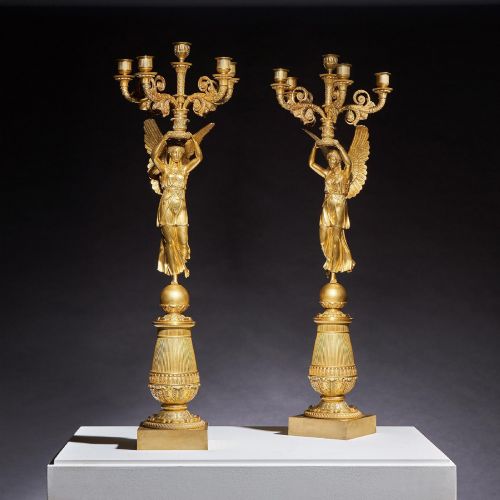
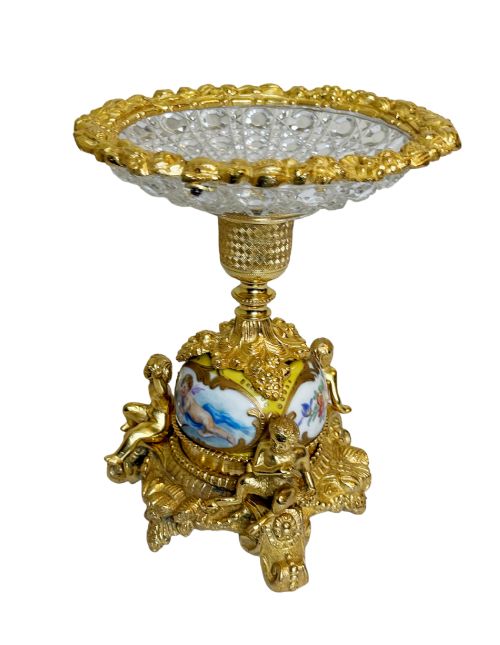
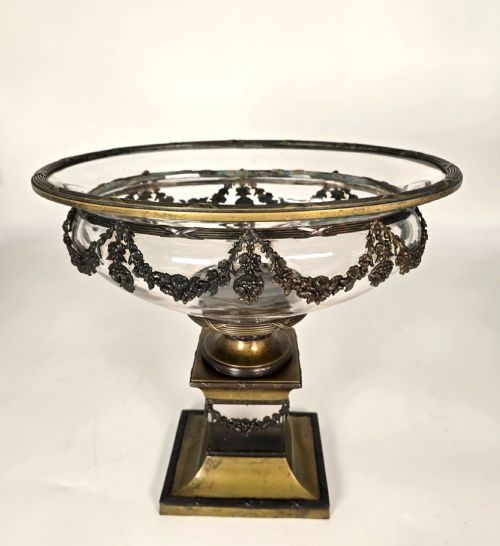
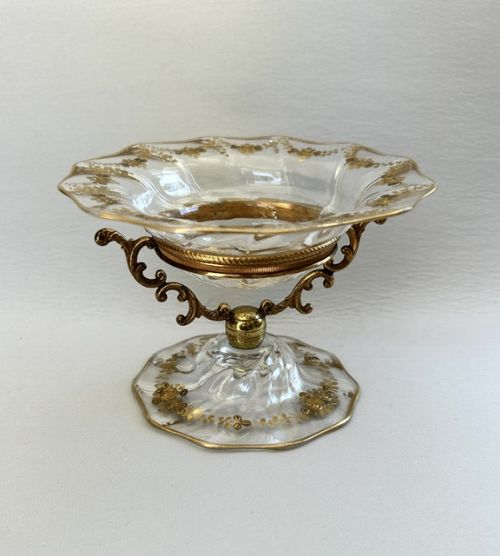
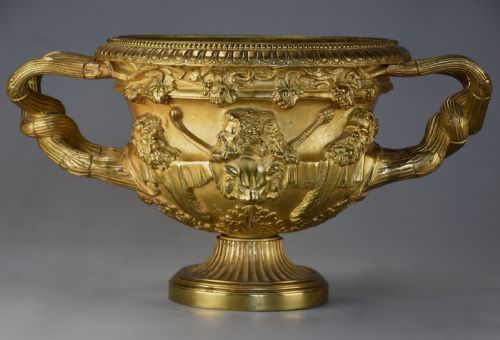
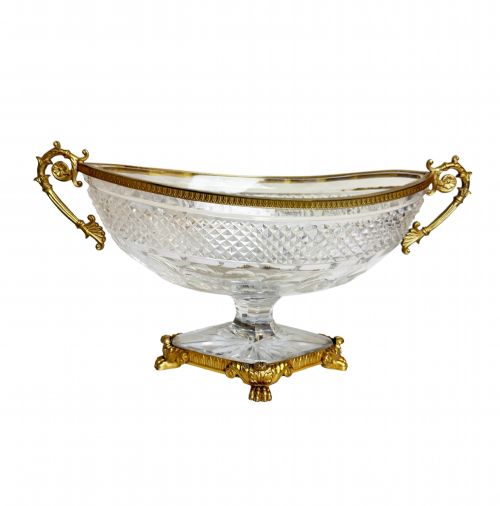
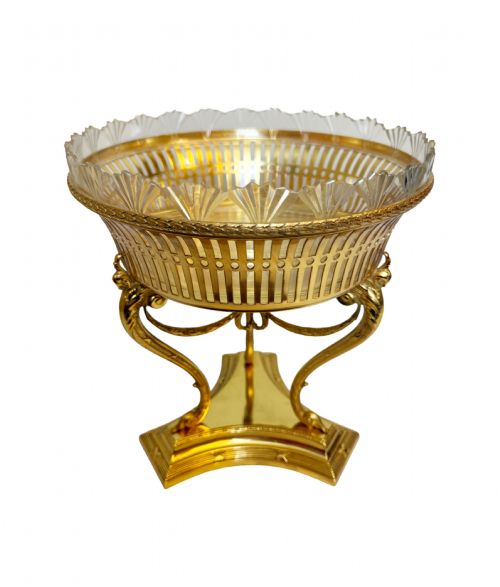
A french gilt bronze centrepiece serves as a dramatic focal point for a dining table or sideboard, taking the form of tazzas, bowls, trays and urns. These pieces emerge chiefly from nineteenth-century workshops, spanning periods from Regency to Victorian and incorporating styles such as French Rococo Revival and Empire.
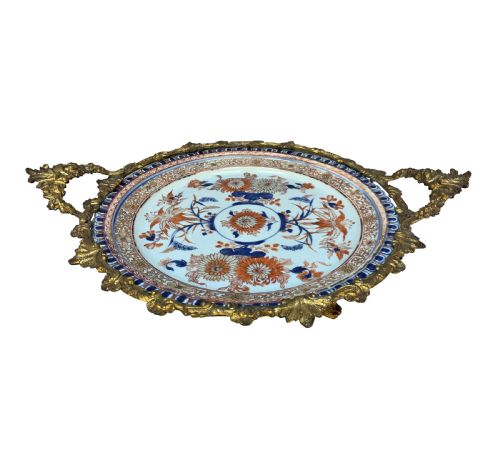
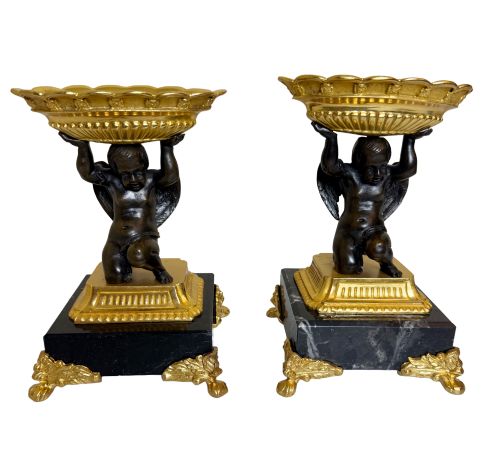
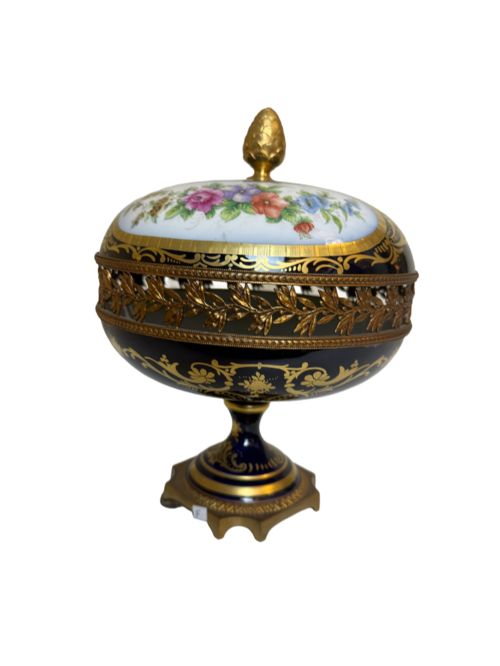
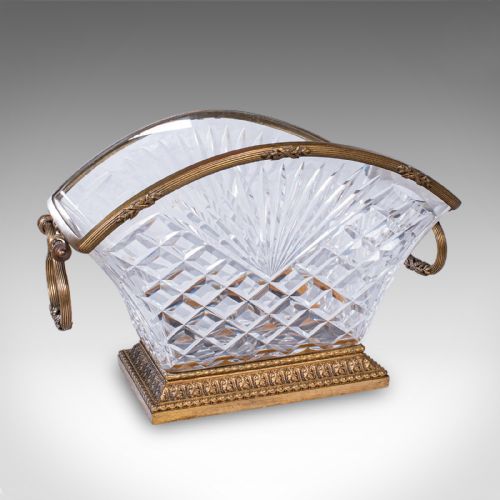
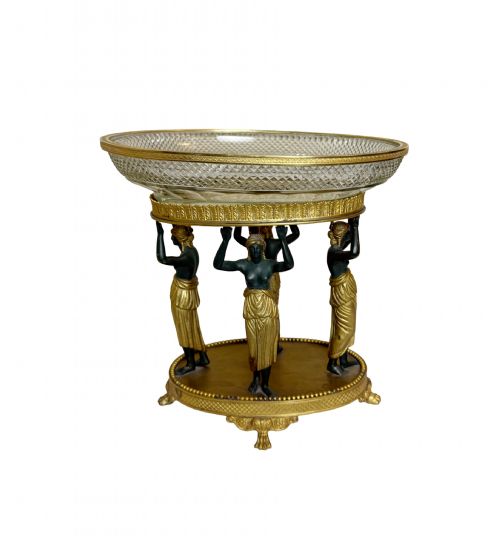
The most common versions encountered here combine gilded metal frames with glass inserts, porcelain bowls or carved marble bases. Many incorporate figural elements like cherubs and mermen or function alongside matching candelabra.
The category also embraces Grand Tour reductions of ancient monuments and mounted oriental porcelain dishes. Each variation reflects the nineteenth-century passion for eclectic historical revivals in domestic display.
How they were made
Casting forms molten bronze into intricate shapes that are subsequently chased by hand to sharpen details like foliage, figures and scrollwork. The metal then receives a layer of gold amalgamation through fire gilding or electroplating, producing the characteristic bright ormolu surface.
Artisans combine this metalwork with diverse secondary materials including cut crystal glass, champleve enamel, onyx, marble and Sevres style porcelain. Mechanical fixings such as threaded bolts and nuts secure the porcelain bowls and glass inserts within their bronze mounts.
Look closely for mischievous cherubs and scaly mermen casually holding up heavy fruit bowls.
What varies in quality
Quality reveals itself in the crispness of the bronze chasing and the depth of the gilding, where hand-chiselling after casting separates superior work from softer, mass-produced casts. The weight and thickness of the cast bronze elements also dictate stability and presence.
The choice of secondary materials marks another tier of distinction, moving from standard moulded glass to heavy hand-cut crystal, or from plain ceramic to fine hand-painted Sevres porcelain and champleve enamel.
Pierre Philippe Thomire
The French Gilt Bronze Centrepiece Glossary
- Ormolu
- Gilt bronze produced by applying a mercury and gold amalgam to a bronze base and heating it until the mercury vaporises. This technique leaves a durable, rich golden finish characteristic of nineteenth-century decorative arts.
- Tazza
- A shallow saucer-like dish mounted on a stem and foot, designed for display on a table. Nineteenth-century examples often combine bronze mounts with marble or glass.
- Champleve
- An enamelling technique where troughs or cells are hollowed out of the metal surface and filled with coloured glass paste before firing. The piece is then polished flat to create a smooth, patterned decoration.
- Jardiniere
- A decorative container intended to hold growing plants or floral arrangements, frequently fashioned from bronze and cut glass. These vessels anchor nineteenth-century table settings.
- Grand Tour
- A cultural journey undertaken by wealthy young Europeans to study classical antiquities, inspiring miniature bronzes and architectural models. These souvenirs often formed the centrepiece of a room's decor.
- Comport
- A raised dish or stand used for serving fruit or sweets at dessert. They typically feature porcelain or glass bowls supported by elaborate metal pedestals.
French Gilt Bronze Centrepiece: Frequently Asked Questions
How were centrepieces used originally?
These grand pieces anchored formal nineteenth-century dining tables, often holding fruit, sweetmeats or floral displays during multi-course meals.
Between feasts, they remained on sideboards or console tables as sculptural ornaments that displayed the host's taste and wealth.
Can glass inserts be replaced?
Original glass and crystal inserts feature specific hand-blown or cut irregularities that match the exact contours of the surrounding bronze mounts.
While modern replacements fit mechanically, finding a period-correct insert requires careful matching of thickness, tint and cutting style.
What is the difference between ormolu and gilt bronze?
Ormolu specifically denotes the traditional French mercury gilding process used on decorative bronze objects during the eighteenth and nineteenth centuries.
Gilt bronze is a broader term that also encompasses later electroplated finishes, though the visual effect remains similar to the trained eye.