
French Country Drawers
French country drawers bring honest utility and provincial character to a room, offering timeless storage fashioned from solid oak, walnut, pine, and painted wood.
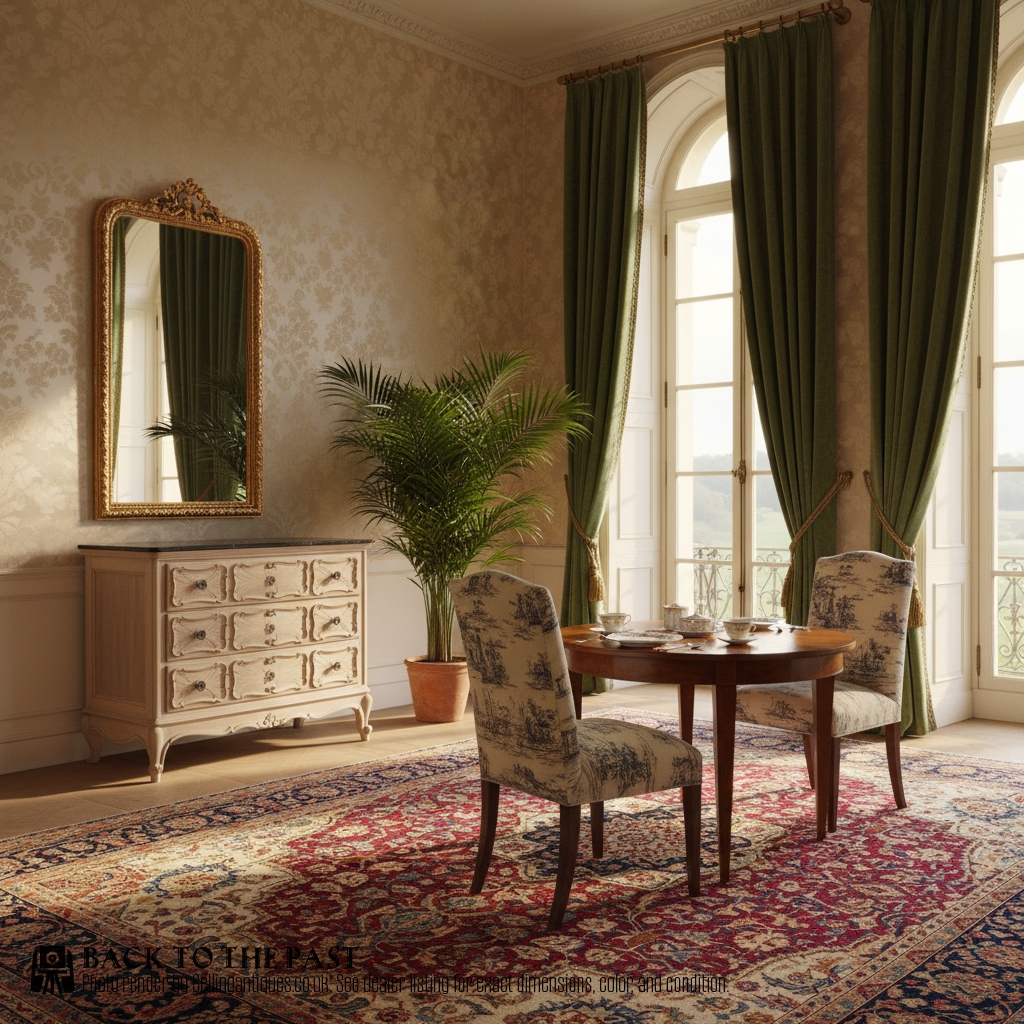
What french country drawers are
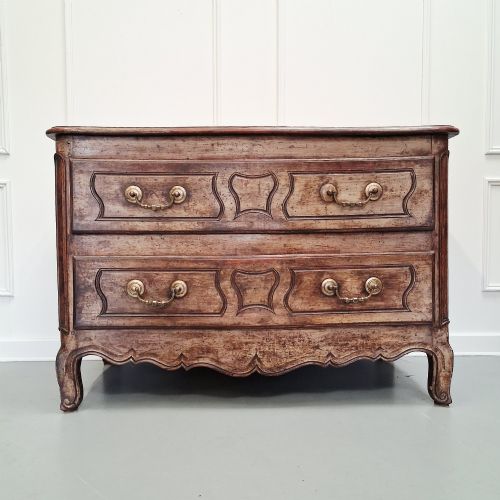
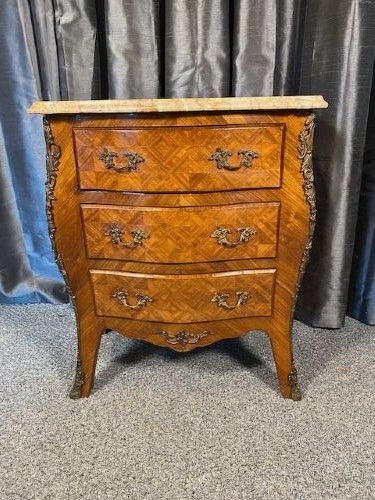
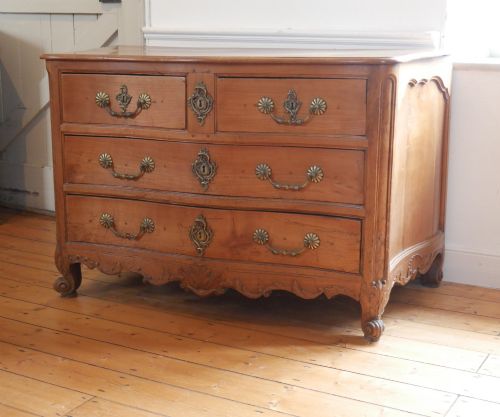
When you search for french country drawers, you encounter robust storage pieces predominantly catalogued as chests of drawers and commodes. These items hail from periods spanning the eighteenth century through to the early twentieth century, reflecting enduring provincial utility.
The most common examples on this page are eighteenth-century and nineteenth-century pieces. They showcase regional styles including French provincial and rustic farmhouse forms.
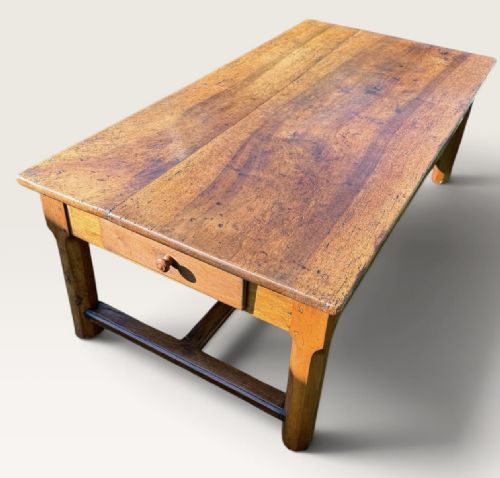
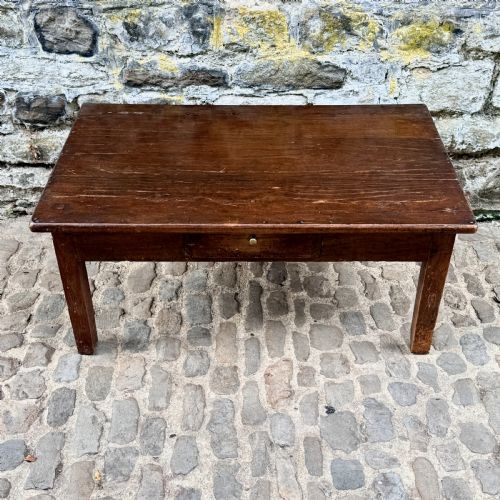
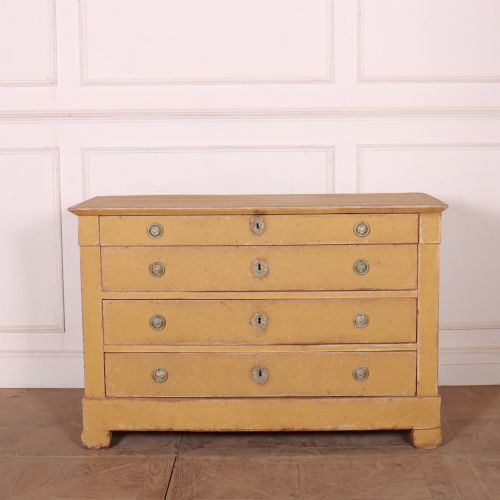
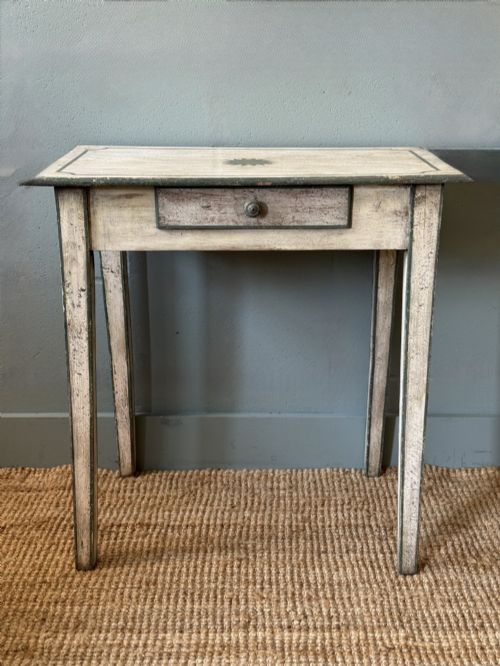
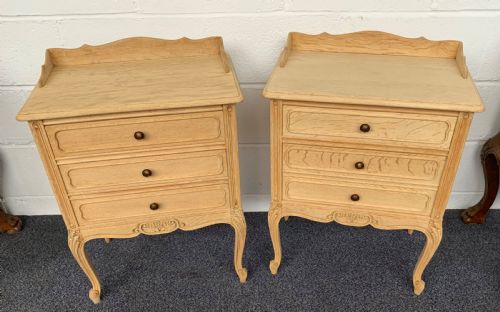
Materials range from scrubbed oak and walnut to painted wood and pine. Each piece brings straightforward domestic function paired with traditional European craftsmanship.
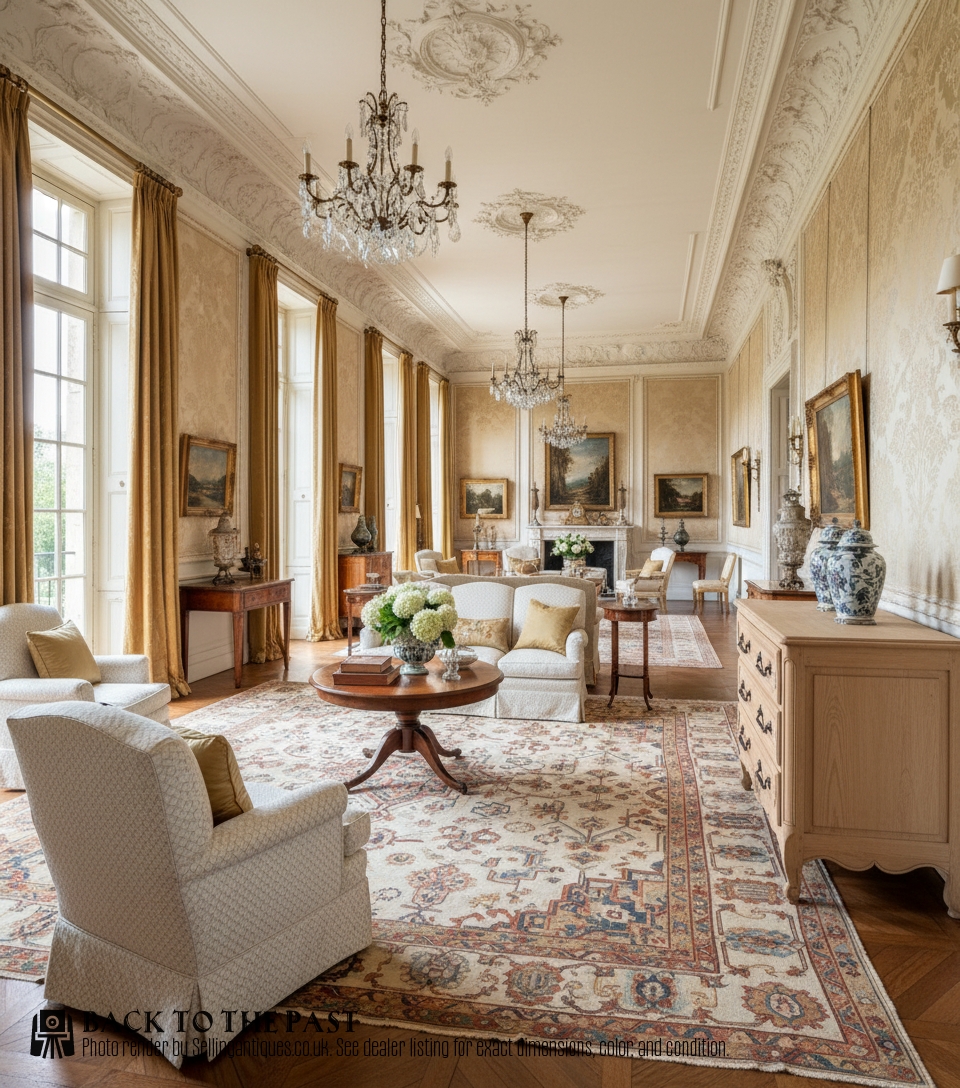
How they were made
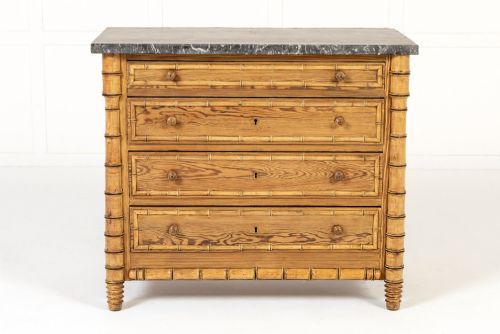
Construction relies on sturdy timbers such as oak, walnut, and pine, frequently shaped through traditional carving techniques. Carpenters built these chests to endure daily domestic demands using heavy wood components.
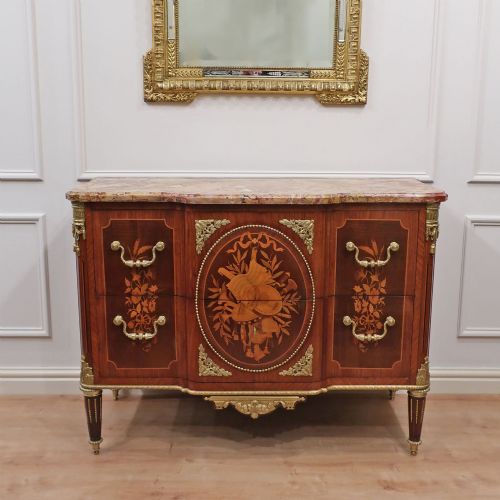
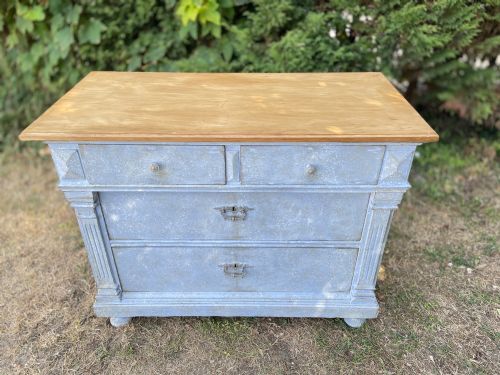
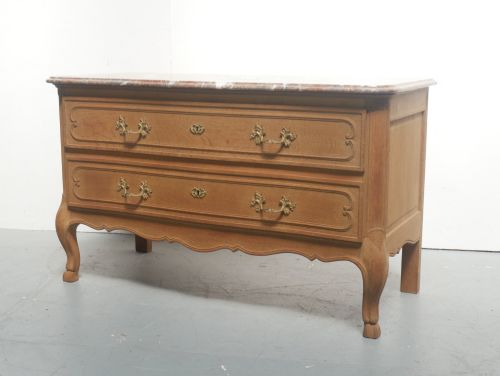
Hardware details incorporate brass and iron for handles and keyplates, securing the drawers and adding functional contrast to the wooden bodies. Some surfaces feature painted finishes or polished marble tops.
Surviving examples demonstrate timber preparation characteristic of provincial workshops. The combination of solid woods and metal fittings ensures structural longevity.
Retail Price Guide 2026
Typical UK retail prices for french country drawers, calculated from the Sellingantiques database of over a million retail prices indexed since 2003. This retail price guide relies exclusively on Sellingantiques data; no external sources or auction records are used, so the figures do not describe the wider market.
A scrubbed oak finish lets you trace the exact path where countless thumbs pulled open the drawers.
What varies in quality
Quality differences rest primarily in the choice of timber and the sophistication of the joinery. Eighteenth-century walnut and carved oak examples display finer structural ambition than later pine or painted variants.
The integrity of the original hardware, including brass and iron pulls, distinguishes superior examples. Alterations to surfaces or replaced elements shift a piece away from its original provincial state.
The French Country Drawers Glossary
- Commode
- A French term for a chest of drawers or low cabinet. These pieces typically feature multiple storage tiers and domestic utility.
- Provincial
- Pertaining to regions outside the capital city. Provincial furniture often employs local woods and simpler regional designs.
- Bombe
- A swollen or bulging out shape found on the front and sides of certain storage furniture. This curving form requires advanced woodworking skill.
- Scrubbed oak
- Oak timber cleaned thoroughly to reveal its natural grain and pale tone. This finish highlights the raw texture of the wood.
Frequently Asked Questions
What is a commode?
A commode is a traditional chest of drawers designed for domestic storage. These pieces originated in France and typically offer multiple tiers of drawers.
In a provincial setting, they served as practical furniture for bedrooms and living spaces alike.
How old are these chests?
The pieces listed span from the eighteenth century to the early twentieth century. Common periods include the 18th century, 19th century, and the early 1900s.
Each era brings distinct timber selections and regional building methods to the pieces.
What woods were used?
Makers utilised a variety of solid timbers depending on regional availability and period. Common materials include oak, walnut, pine, and painted wood.
Selected examples also incorporate marble elements on the upper surface for added durability.
Where were they made?
These items originate from France, reflecting rural and provincial workshops rather than urban centres. The regional styles include French provincial and rustic farmhouse designs.
Local tradesmen built them to satisfy everyday household storage needs.