

French Country Ceramics
French country ceramics are tactile earthenwares and tin-glazed vessels shaped for regional utility, offering rustic charm and everyday practicality to modern interiors.
French Country Ceramics
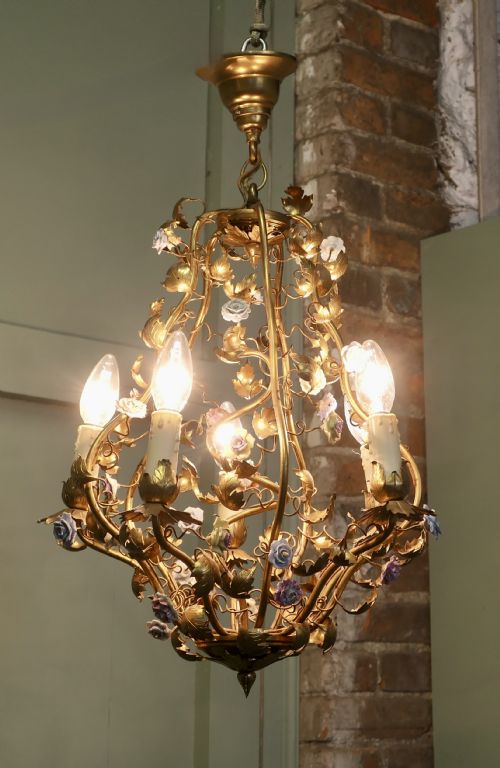
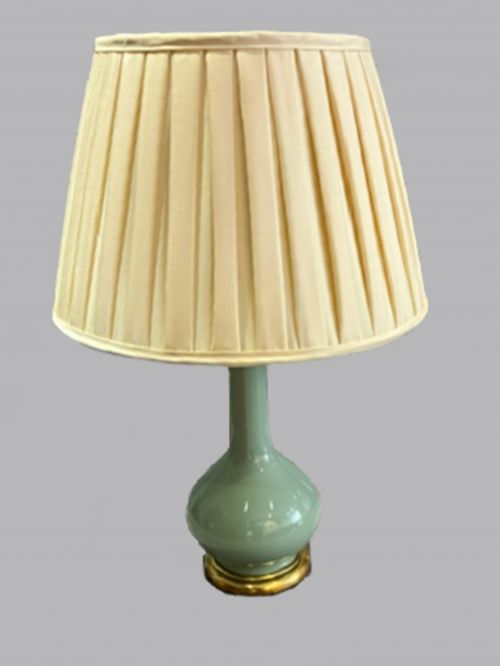
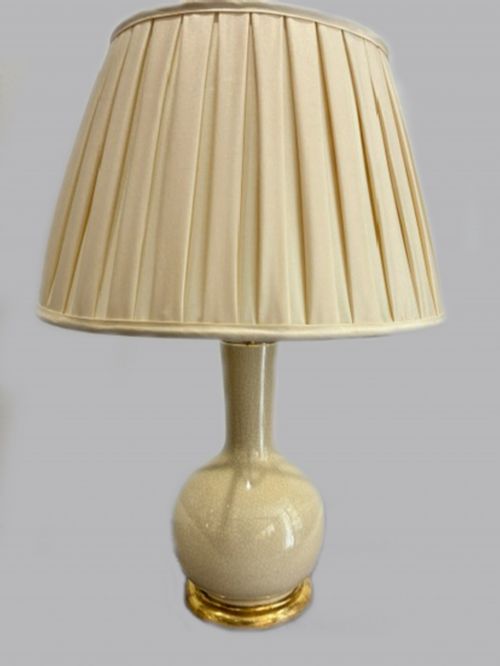
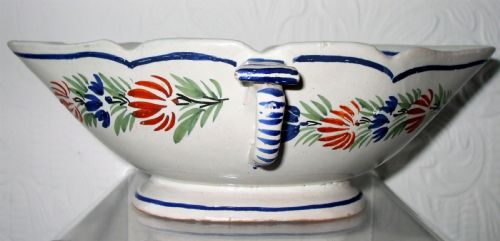
When you search for french country ceramics, you encounter a diverse range of utilitarian and decorative objects originating from provincial regions and historical potteries across France. The selection spans robust storage vessels, dairy bowls, and confit pots alongside refined tin-glazed faience chargers, sauceboats, and table lamps.
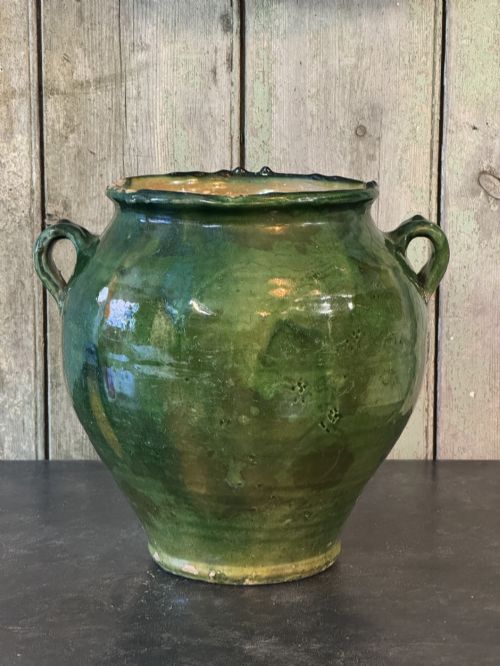
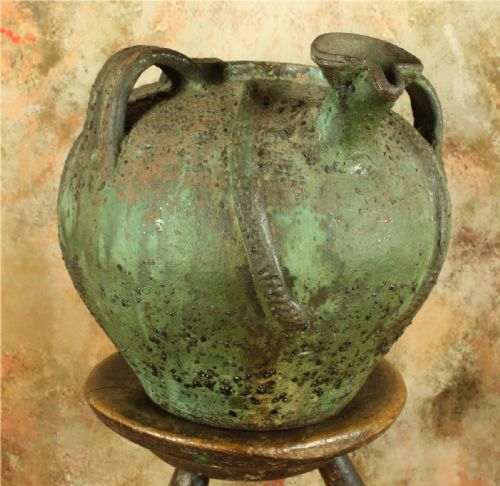
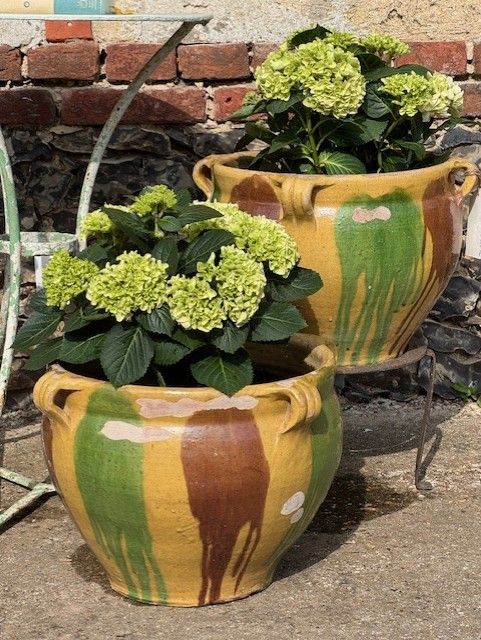
Confit pots and large tian bowls represent the most common forms, shaped from terracotta and earthenware to serve functional roles in historical dairies and kitchens. These pieces display the characteristic regional glazes that define the rustic aesthetic.
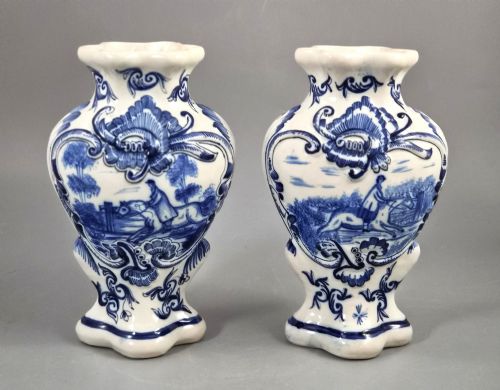
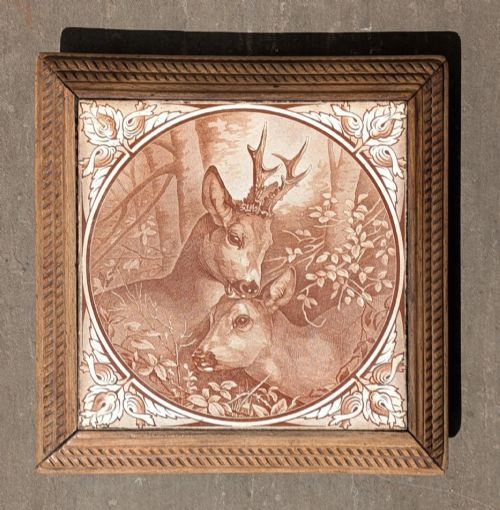
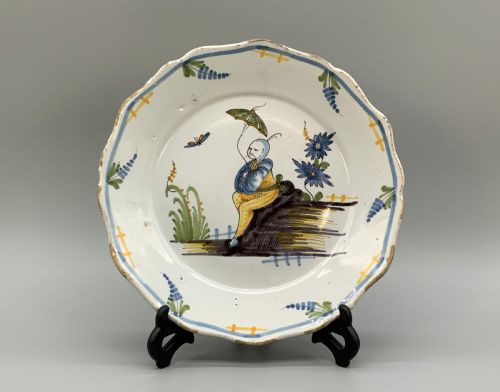
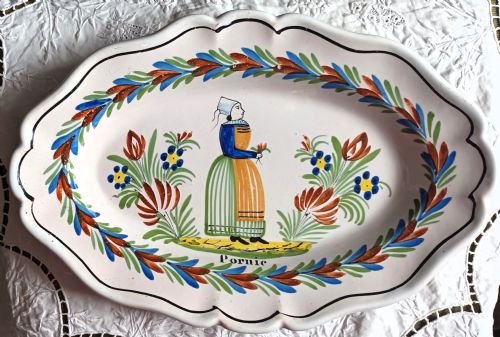
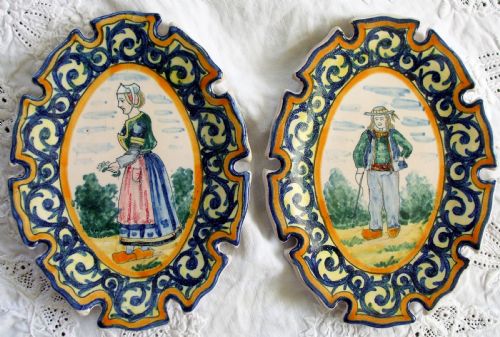
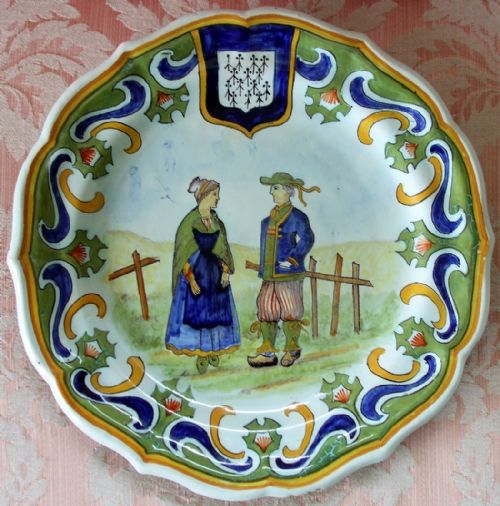
Faience items from centres such as Quimper, Desvres, and Nevers add another layer to the category, often decorated with hand-painted blue and white or polychrome motifs. Table lighting, chandeliers, and decorative tiles complete the spectrum of objects found within this category.
Assessing Quality and Execution
Quality rests upon the execution of the glaze and the integrity of the clay body, where even coverage and rich depth distinguish finer pieces. Robust confit pots and tian bowls derive distinction from the organic pooling of green or amber glazes across heavy earthenware.
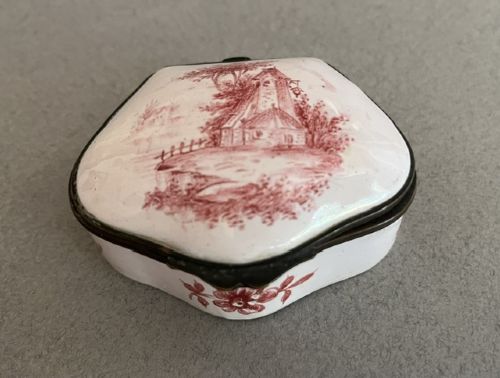
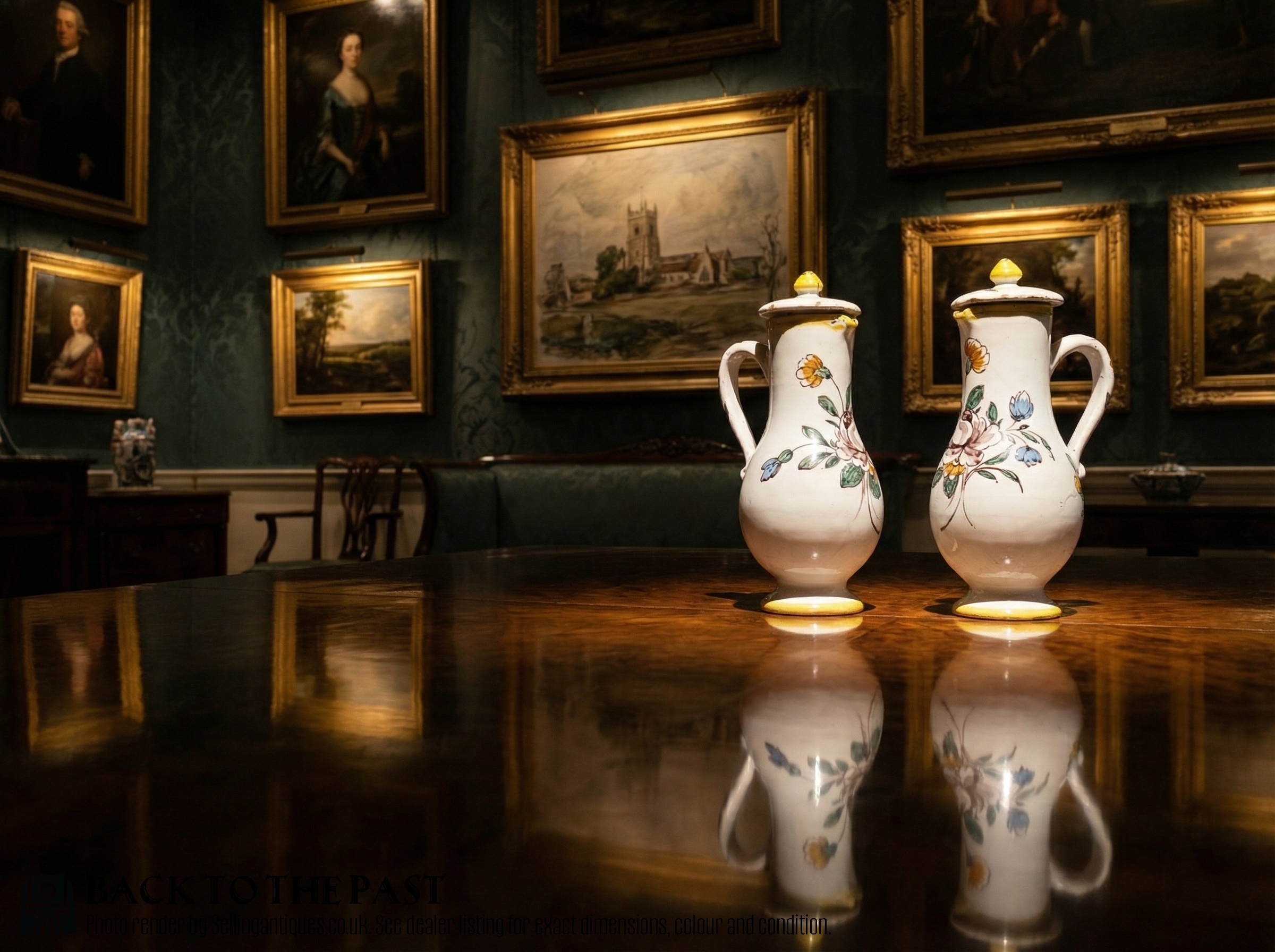
In painted faience and tin-glazed wares, quality emerges through the precision of the hand-painted brushwork and the clarity of the cobalt or polychrome pigments. Crisp details on items from recognised potteries elevate the piece beyond standard utilitarian production.
Normandy ceramic production extends to sculptural pigs, capturing regional farm life in fired clay.
Fourmaintraux-Courquin·Quimper·Desvres·Nevers·Castelnaudary·Bavent
The French Country Ceramics Glossary
- Faience
- Tin-glazed earthenware produced in France, typically featuring a white or cream opaque background decorated with painted pigments. This technique forms the basis of traditional regional tableware and decorative dishes.
- Confit Pot
- A heavy earthenware jar featuring one or two handles, historically utilised for preserving meats and provisions in regional French kitchens. These pots are widely recognised by their partially glazed terracotta bodies.
- Tin Glaze
- An opaque white glaze containing tin oxide, applied to ceramic wares to provide a smooth surface for hand-painted decoration. It creates the characteristic glossy finish found on historical chargers and sauceboats.
- Salt Glaze
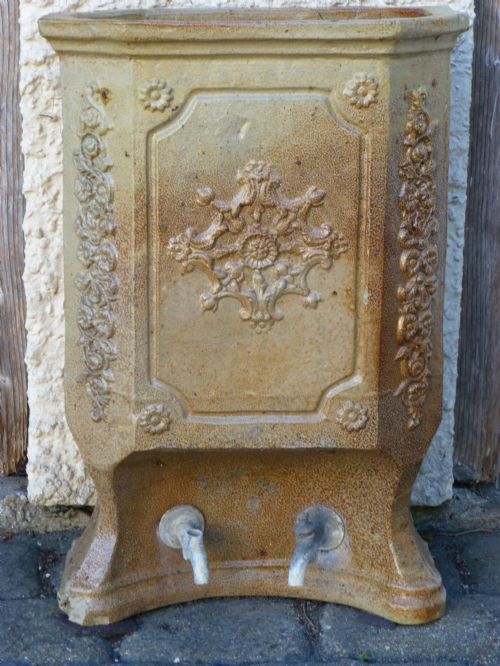
- A vitreous coating formed by throwing common salt into the kiln during high-temperature firing, producing a textured surface resembling orange peel. This technique provided durable waterproofing for industrial and domestic utility vessels.
- Tian Bowl
- A large, wide earthenware basin used in southern French dairies for separating cream from milk. These capacious bowls typically feature glazed interiors to contain liquids.
French Country Ceramics: Frequently Asked Questions
What were confit pots used for?
Confit pots served primarily as storage vessels in rural French kitchens, where families preserved meats like duck and pork in their own fat. Their heavy earthenware walls and internal glazes kept the contents sealed over long periods.
Over time, these utilitarian jars transitioned into decorative interior objects, valued today for their earthy tones and organic forms.
How do I identify Quimper faience?
Quimper faience is typically recognised by its distinctive hand-painted motifs depicting Breton figures in traditional regional costume, surrounded by floral borders. The palette often relies on cobalt blue, yellow, and green pigments set against a white tin-glazed background.
Markings on the underside, including specific initials or factory stamps, further help confirm the origin of these pieces.
Are these ceramics waterproof?
Many items feature fully glazed interiors or salt-glazed surfaces designed to hold liquids safely, such as water filtration fountains, vases, and oil jugs. Terracotta dairy bowls and confit pots often have glazed interiors while leaving the exterior clay porous.
It remains advisable to test older earthenware before using it to hold liquids continuously on unprotected surfaces.
How do I date an 18th-century piece?
Eighteenth-century examples often exhibit the characteristic irregularities of early hand-thrown clay bodies, along with hand-mixed tin glazes that show subtle pooling or crazing. The painting styles on faience chargers and oil jugs from this era tend to reflect looser, more organic brushwork than later industrial reproductions.
Examining the base wear and glaze characteristics provides further context for determining the age of early French ceramics.