


Antique Quimper Ceramic
Antique quimper ceramic pieces are tin-glazed earthenware and stoneware from France, offering distinctive hand-painted regional charm for the home.
Antique Quimper Ceramic
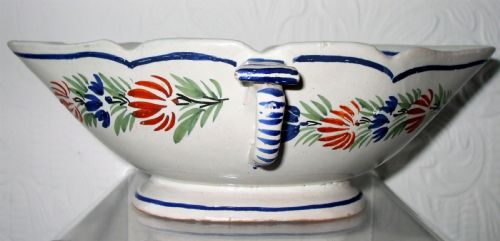
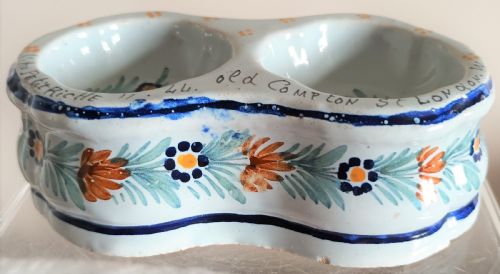
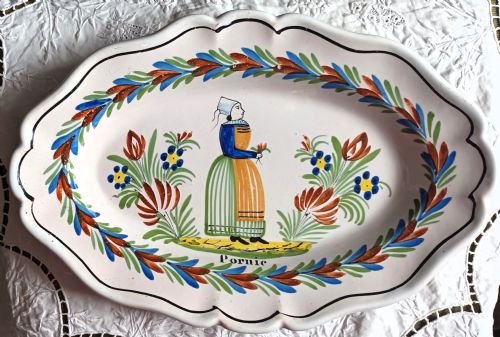
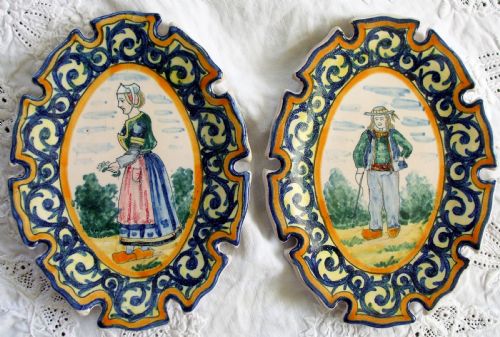
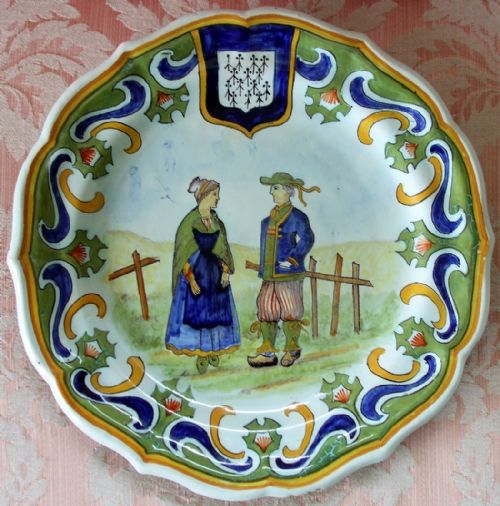
When you search for antique quimper ceramic, you encounter pieces originating from French workshops that capture traditional rural aesthetics. These items include double sauceboats, salt cellars, pin trays, and decorative plates displaying distinct regional character.
Domestic tablewares and decorative objects span the nineteenth century up to the Art Deco period of the 1930s. The offerings range from utilitarian serving dishes to whimsical figural salt cellars and wall pockets.
Materials and construction methods
Makers shaped these items from local clays, producing earthenware, faience, and stoneware bodies ready for decoration. The tin glaze provides an opaque white or cream surface that accepts hand-painted pigments directly.
Potters applied metallic oxide pigments by hand before firing, fixing the cobalt blues, yellows, and greens into the glaze. Stoneware variations utilise denser clay bodies fired at higher temperatures to achieve durability.
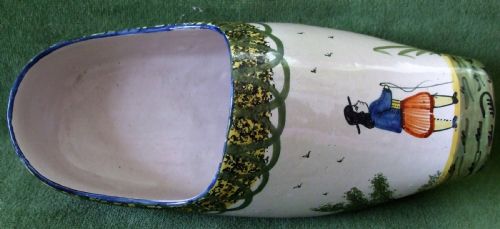
A pottery cat wall pocket peers from the shelves alongside traditional French sabots.
Evaluating craftsmanship and execution
The precision and fluidity of the hand-painted brushwork dictate the visual success of each piece. Skilled decorators executed regional costume figures and floral motifs with confident, expressive strokes rather than stiff outlines.
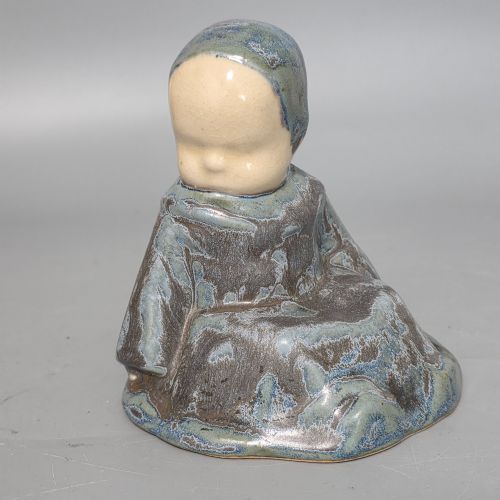
The consistency of the tin glaze and the neatness of the foot rim reflect the care taken during production. Early twentieth-century pieces by named designers demonstrate particular sculptural ambition within the medium.
Berthe Savigny·HB Quimper·HR Quimper·Desvres·Aladin
The Antique Quimper Ceramic Glossary
- Tin Glaze
- A ceramic glaze made opaque by the addition of tin oxide. This surface serves as a smooth canvas for painted decoration.
- Sauceboat
- A vessel designed for serving sauces or gravies at the table. Double versions possess two spouts or compartments for different accompaniments.
- Sabot
- A traditional wooden clog represented in ceramic form as a decorative shoe. These miniature vessels often served as trinket holders.
- Stoneware
- A robust ceramic fired at high temperatures until vitrified and non-porous. It offers greater strength than standard earthenware.
Antique Quimper Ceramic: Frequently Asked Questions
What is antique quimper ceramic?
Antique quimper ceramic encompasses tin-glazed earthenware, faience, and stoneware produced in France. The category includes tablewares, pin trays, and decorative figures bearing regional hand-painted motifs.
These pieces reflect French provincial and country aesthetics spanning the nineteenth century through the Art Deco era.
How do I clean antique faience?
Clean these fragile ceramic surfaces using a soft, dry cloth or a slightly damp sponge without harsh detergents. Submerging porous tin-glazed earthenware in water for extended periods risks damaging the historic glaze.
Display items away from direct sunlight and areas subject to sudden temperature fluctuations to preserve the painted pigments.
How do I date quimper pottery?
Dating relies on identifying factory marks, cipher initials such as HB or HR, and stylistic shifts spanning the nineteenth and twentieth centuries. Art Deco examples typically display characteristic 1930s geometric or simplified figural forms.
Comparative analysis of the clay body and glaze characteristics helps distinguish nineteenth-century production from later twentieth-century output.
Were these pieces used daily?
Many items, including double sauceboats, salt cellars, and serving dishes, served practical functions on nineteenth and early twentieth-century dining tables. Other objects like pin trays and figurines served purely decorative or domestic purposes.
Today, surviving examples function primarily as decorative accents or collectible specimens of French folk art.