


French Art Deco Figurine
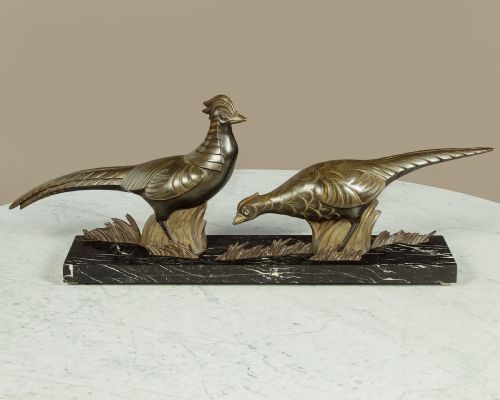
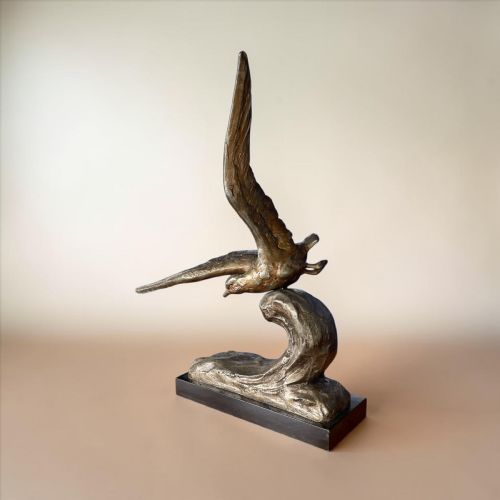
When you search for a french art deco figurine, you enter a world of dancers, animals, and mythological subjects cast in bronze, spelter, and glass during the 1920s, 1930s, and 1940s.
French Art Deco Figurine
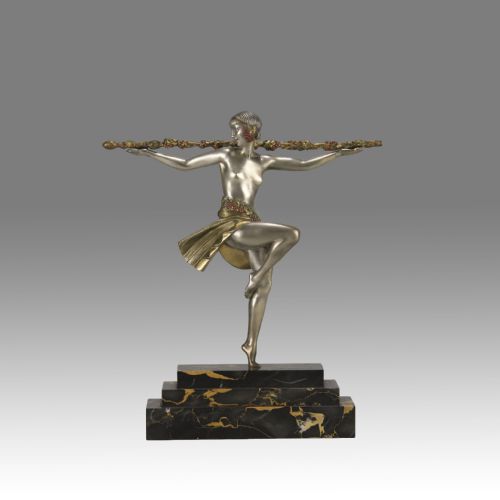
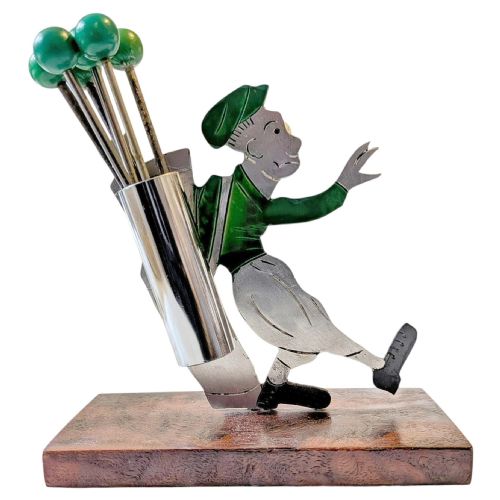
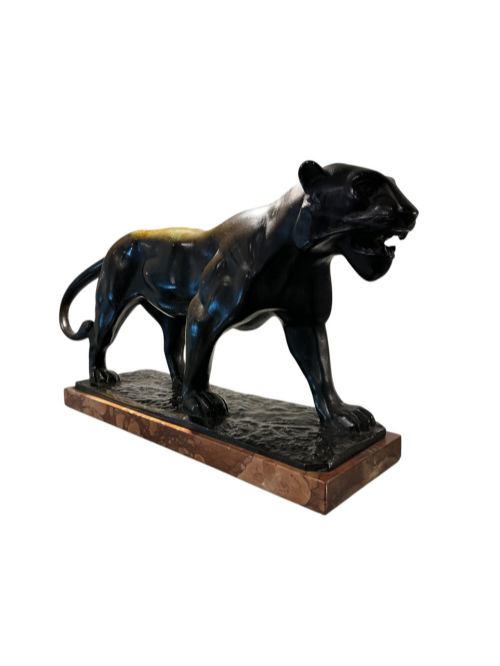
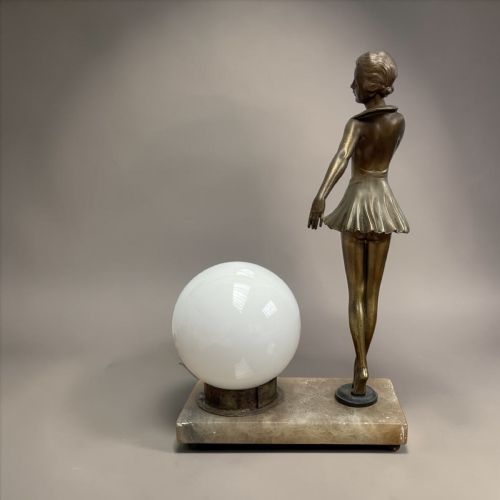
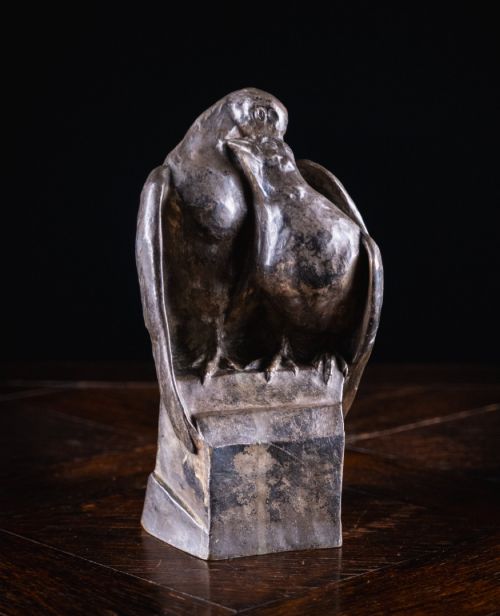
A french art deco figurine represents human dancers, athletes, birds, and felines produced across the 1920s, 1930s, and 1940s in various sculptural and functional forms. The selection encompasses table lamps, paperweights, advertising displays, barware, and standalone decorative sculptures.
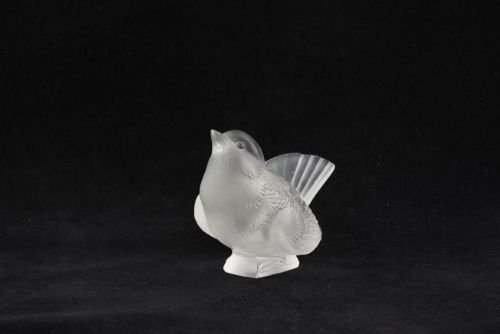
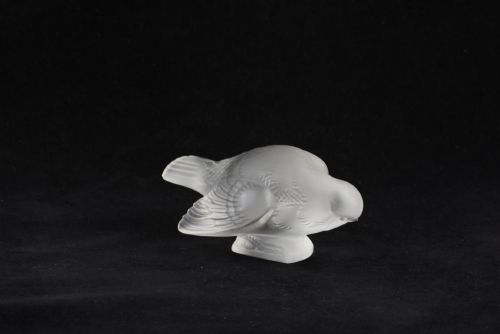
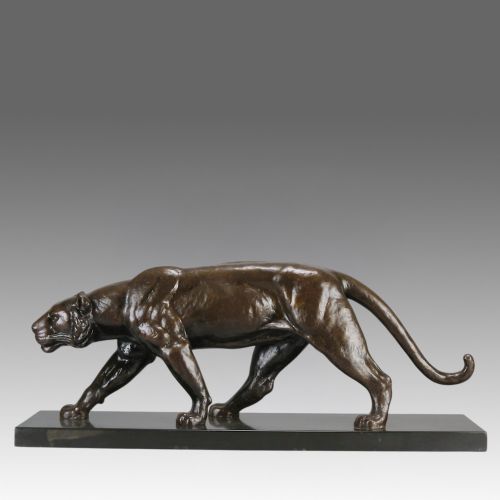
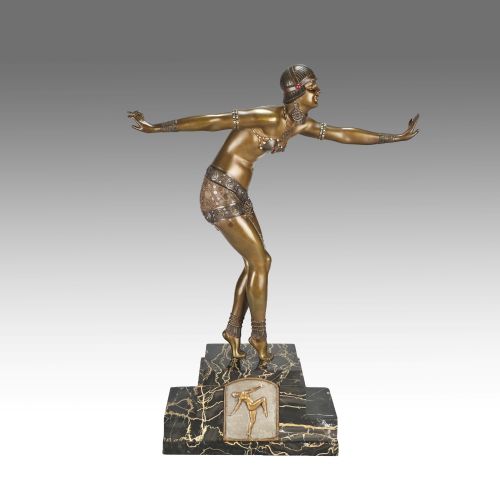
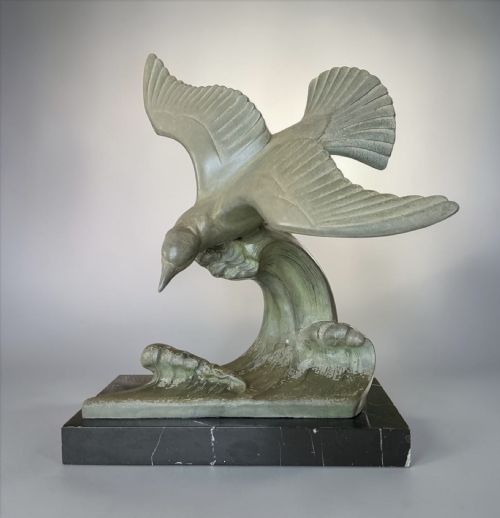
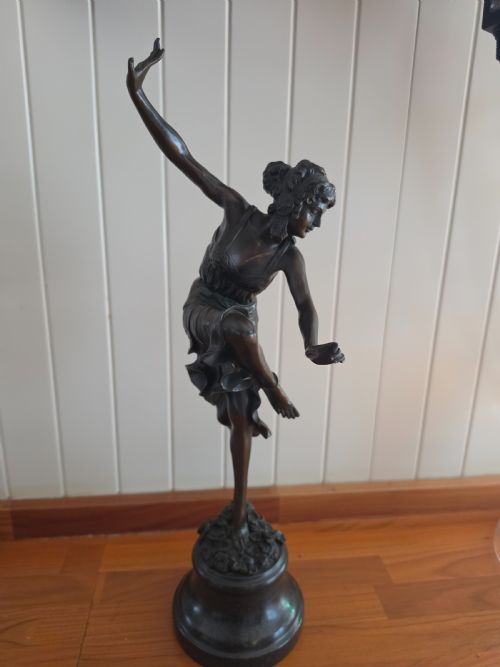
Most pieces on this page emerge from the interwar decades, showing the distinct styling of French Modernist and French Neoclassical aesthetics. Common subjects include dancers caught in movement, sleek panthers, and birds rendered in frosted or opalescent glass.
Makers and sculptors of the period adapted these subjects to fit domestic spaces, commercial advertising, and lighting fixtures. Buyers encounter both cold painted bronze works and moulded glass pieces resting upon marble and onyx bases.
How they were made
Foundries cast figures in bronze, gilt bronze, nickel bronze, and spelter, frequently mounting them on heavy marble or onyx plinths. Many bronze works receive cold painting or patination to accentuate the clothing and physical details of the subject.
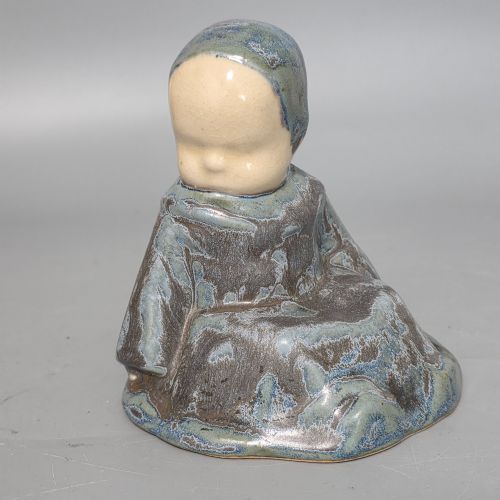
Glassmakers utilise pressing and moulding techniques to create frosted, opalescent, and blue stained objects such as paperweights, car mascots, and small figurines. Artisans also combine glazed stoneware, wood, and ivory elements into chryselephantine and mixed media sculptures.
Listings feature items dated across three decades: the 1920s, 1930s, and 1940s.
What varies in quality
The choice of base materials and the integration of components also divide the range, as solid marble plinths and high grade patinated bronze denote superior craftsmanship compared to basic spelter on lighter mounting. In glass objects, the depth of opalescence and the clarity of the moulding define the grade.
Pierre le Faguays·Sudre·Frederique Cederlund Ozanne·Rene Lalique·Alexandre Ouline·Demetre Chiparus·Aurore Onu·Berthe Savigny·Charmereine·Zoldan Kovats·Sibylle May·Etling·Lucille Sevin·Aristide Maillol·Maurice Guiraud Riviere·Paul Philippe·Menneville·Le Verrier
The French Art Deco Figurine Glossary
- Spelter
- A zinc alloy commonly utilised as a less expensive alternative to bronze for casting figures, often painted to simulate patinated metal. It requires gentle handling due to its softer composition.
- Chryselephantine
- A term describing statues made from a combination of bronze and ivory. This technique highlights the contrast between metallic garments and carved ivory flesh.
- Patinated bronze
- Metal treated with chemical solutions to produce a specific surface colour and tone. This process protects the bronze while enhancing the visual depth of the sculpture.
- Opalescent glass
- Glass that displays milky or pearlescent highlights shifting in colour according to the light. It appears frequently in moulded figures and paperweights from the period.
- Cold painted
- A method where paint is applied to a metal sculpture after casting without being fired in a kiln. The finish remains susceptible to chipping if struck or cleaned improperly.
French Art Deco Figurine: Frequently Asked Questions
What is a french art deco figurine made of?
These pieces incorporate materials such as bronze, spelter, marble, onyx, frosted glass, wood, and glazed stoneware. Many sculptures combine metal castings with heavy stone bases.
Some glass works utilise opalescent or blue stained finishes, while other metal figures feature cold painted surfaces or ivory elements.
How do I identify a period piece?
Look for the characteristic styling of the 1920s and 1930s, including streamlined geometric lines, dynamic poses, and distinct foundry signatures or artist stamps. The weight of the marble base and the quality of the bronze casting often indicate the era.
Materials like spelter and specific glass moulding techniques also point toward interwar manufacturing methods.
Were these figurines used for lighting?
Yes, sculptors and manufacturers integrated figures into functional objects such as table lamps and veilleuses. Lady lamps and figural lighting combined decorative bronzes with electrical fittings.
These functional pieces served to illuminate domestic spaces while maintaining the aesthetic standards of the design movement.
How should I clean my sculpture?
Dust bronze and spelter gently with a soft dry cloth to protect the surface patination and cold painted details. Avoid harsh chemical cleaners or abrasive materials that could strip the finish.
Glass figurines and paperweights tolerate careful wiping with a damp cloth, followed by thorough drying.