




Antique Ceramic Match Holder
These antique ceramic match holder pieces combine practical domestic utility with playful nineteenth and early twentieth century figural design.
What these pieces are
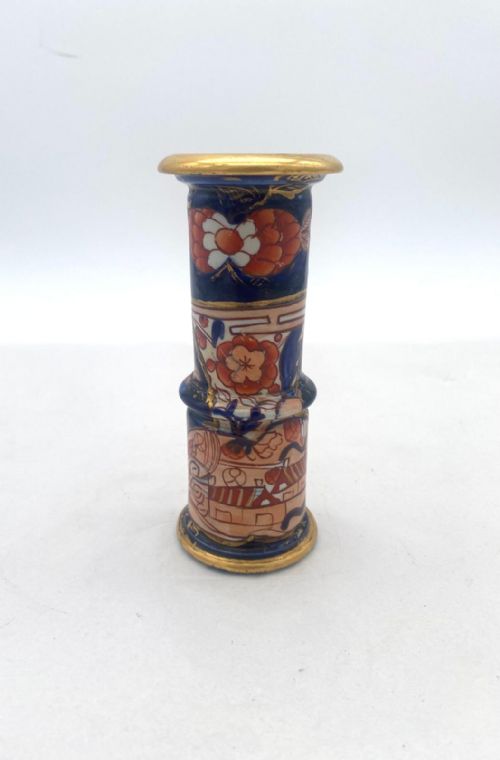
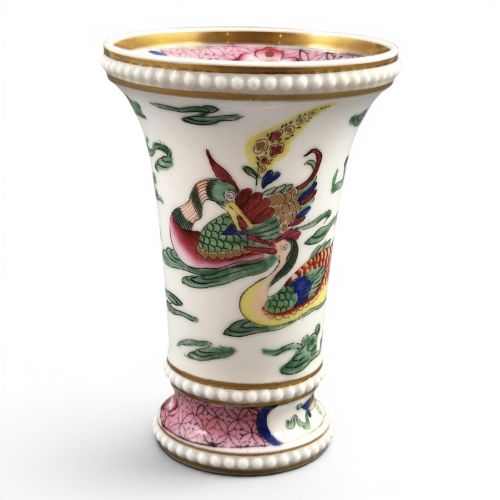
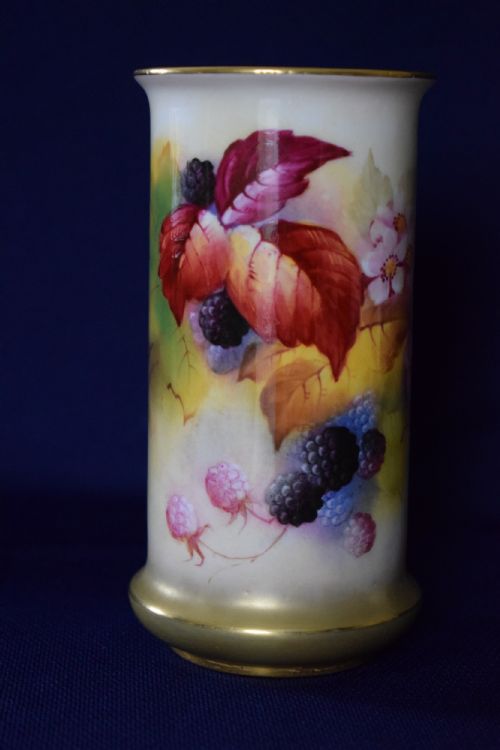
An antique ceramic match holder serves as a decorative tabletop container designed to store matches safely while providing a textured striking surface. Collectors encounter various forms across this category, ranging from figural animal spill vases to specialised smoking room accessories.
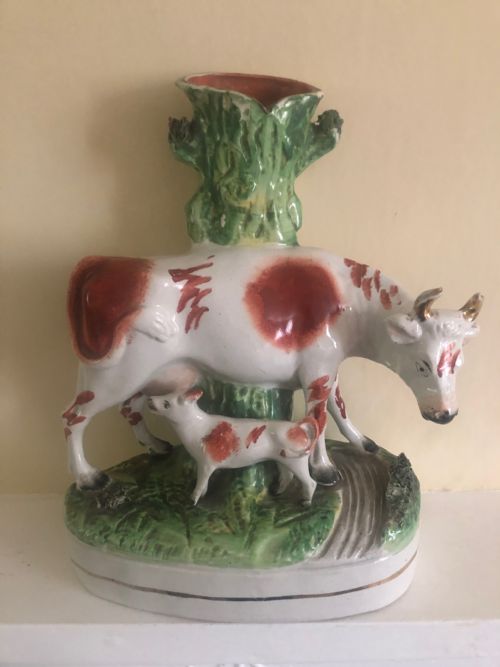
The selection on this page centres on nineteenth and early twentieth century examples, including Victorian Staffordshire pottery figures and Art Deco porcelain designs. These functional objects reflect the everyday social habits of past interiors, bridging tobacciana and decorative ceramics.
Makers produced these pieces in forms such as spill vases, cow and calf groups, deer figures, and specialised cricket memorabilia pots. Each piece combines a container for matches with distinct sculptural or decorative qualities characteristic of its period.
How they were made
Potters utilised materials such as earthenware and porcelain, shaping them through traditional moulding and modelling techniques. Artisans then applied lead glaze, enamel colours, and occasional gilding to enhance the sculptural surface detail.
Certain examples incorporate functional striking areas alongside ceramic bodies, sometimes finished with silver rims applied by silversmiths. The combination of ceramic forms and applied surface decoration demonstrates standard Staffordshire and continental ceramic production methods of the era.
Retail Price Guide 2026
Typical UK retail prices for ceramic match holder, calculated from the Sellingantiques database of over a million retail prices indexed since 2003. This retail price guide relies exclusively on Sellingantiques data; no external sources or auction records are used, so the figures do not describe the wider market.
Cricketing legend W G Grace appears immortalised as a ceramic vesta holder, ready to face any bowling attack.
What varies in quality
Original mounts, such as hallmarked silver rims, and the retention of synchronous striking surfaces add significant character to individual pieces. The sophistication of the figural subject matter, from simple spill vases to nuanced portraits and genre scenes, dictates the tier of the piece.
Macintyre Pottery·Cornelius Desormeaux Saunders and James Francis Hollings Shepherd
The Antique Ceramic Match Holder Glossary
- Spill vase
- A small vertical container designed to hold wooden spills used for lighting candles, lamps, or fires. These often double as match holders in nineteenth century settings.
- Vesta
- A short match made of wax or wood, named after the Roman goddess of the hearth. These required dedicated strikers to ignite safely.
- Tobacciana
- Antiques and collectibles connected with the consumption of tobacco, including match strikers, ashtrays, and cigarette holders. These items reflect period smoking customs.
- Staffordshire pottery
- Earthenware produced in the Potteries region of England, famous for figures and animals made throughout the nineteenth century. These items were widely exported and collected.
- Half doll
- A ceramic figure modelled from the waist up, frequently utilised as a tea cozy topper, whisk broom handle, or cigarette striker in the early twentieth century.
Frequently Asked Questions
What is an antique ceramic match holder?
An antique ceramic match holder is a small decorative vessel used to keep matches accessible in domestic rooms before the advent of safety matches.
These pieces typically feature an integrated abrasive surface or rough glaze where users could strike a match, combining utility with ornamental design.
How do I date a ceramic match holder?
Dating relies on stylistic clues, ceramic bodies, and manufacturing techniques characteristic of periods like the Victorian era or the Art Deco movement.
Evidence such as registration marks, maker names, or accompanying silver hallmarks provide more precise chronological markers.
Were these used with safety matches?
Most antique match holders were designed for strike-anywhere matches or wax vestas prevalent during the nineteenth century.
The textured ceramic panels or striking strips accommodated friction matches common before safety matches became universal.
How do I display match holders at home?
These compact pieces fit easily on mantelpieces, side tables, or bookshelves alongside other small ceramics and tobacciana.
Collectors often group them by theme, such as animal figures or sporting memorabilia, to highlight their diverse sculptural forms.