

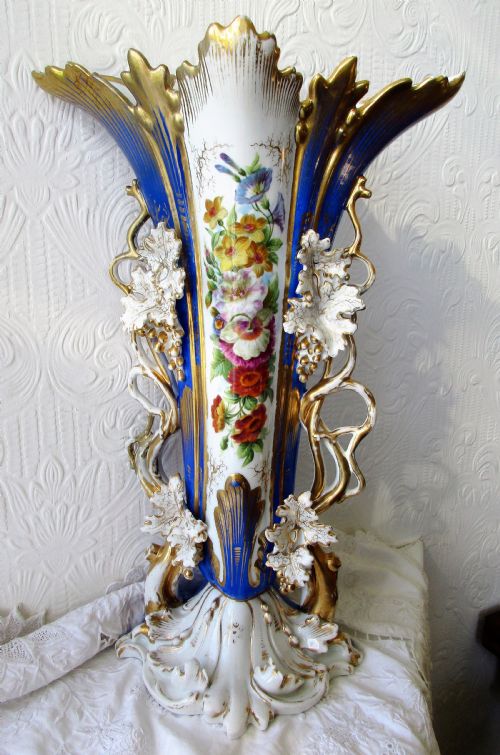


Gilded Ceramic Spill Vase
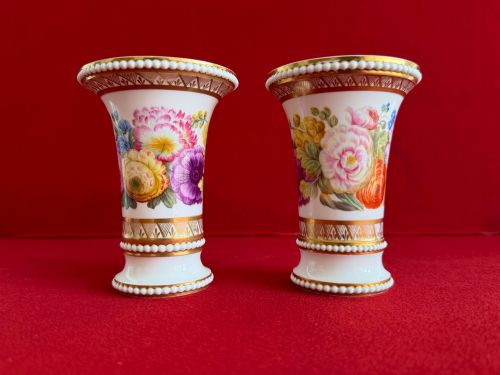
These gilded ceramic spill vase examples combine practical hearthside function with rich Victorian and Edwardian craftsmanship, offering a decorative focal point for any traditional mantelpiece.
Gilded Ceramic Spill Vase
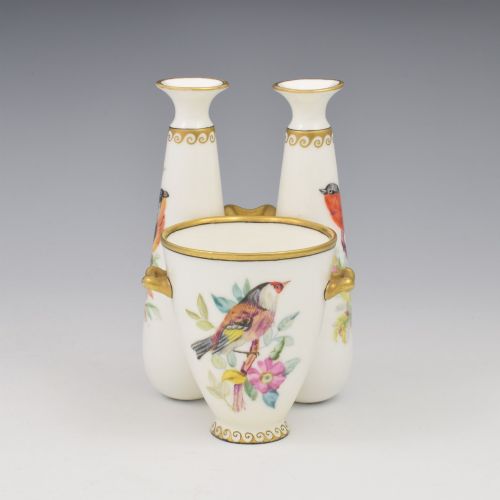
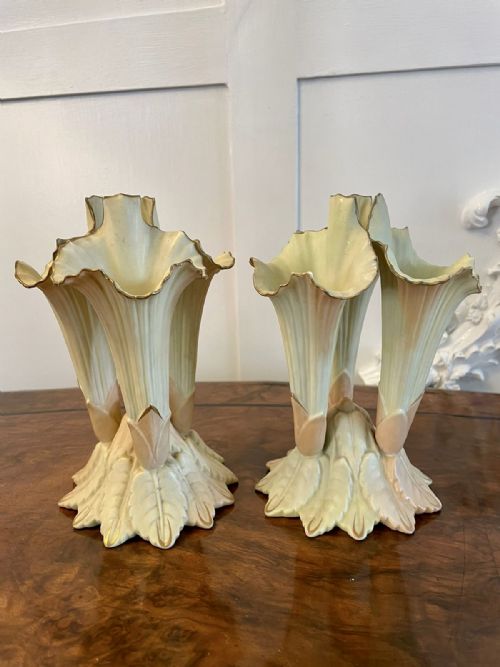
A gilded ceramic spill vase serves as a decorative vessel designed specifically to hold thin wooden spills used for lighting fires and candles before the advent of safety matches. Buyers browsing this selection encounter various forms spanning the nineteenth century and the early twentieth century, including triple vases and cornucopia designs.
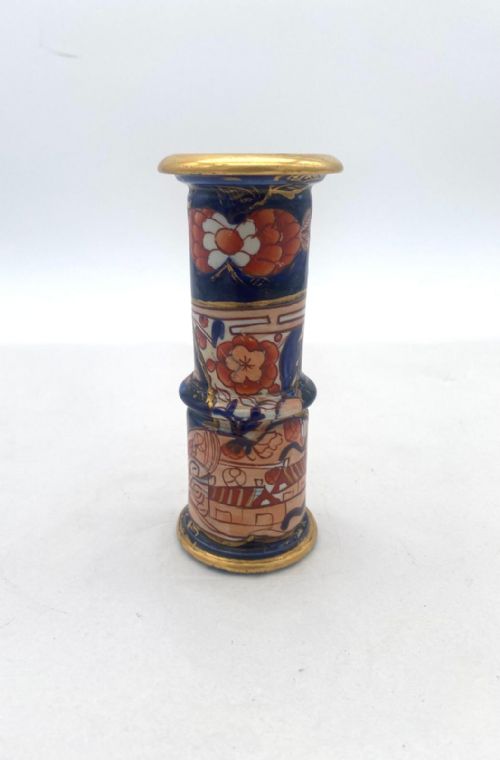
The pieces available originate from distinct periods such as the Victorian era, the Edwardian period, and the 1920s, demonstrating both English traditional aesthetics and Japanese Imari influences. Figurines and ornithological motifs also appear among the objects, reflecting the diverse decorative tastes of nineteenth and early twentieth-century makers.
Most items on this page lean heavily toward classic English production, particularly pieces associated with renowned porcelain makers from the late nineteenth century onward. Collectors will find that these functional mantel ornaments transition readily into display cabinets as pure decorative art.
Materials and construction methods
Makers utilised fine porcelain as the primary ceramic body for these vessels, shaping them into forms ranging from simple cylinders to complex figural groupings. Artisans then applied intricate hand-painted designs directly onto the ceramic surface, depicting birds, fruit, and traditional patterns.
Gilding and gold leaf complete the decoration, accentuating rims, handles, and sculptural details with reflective metallic lustre. Enamel colours often complement this gilding, creating the rich visual contrast characteristic of nineteenth-century and Edwardian porcelain.
Gilded Ceramic Spill Vase Retail Price Guide 2026
Typical asking prices for gilded ceramic spill vase among the pieces listed under this phrase on Sellingantiques today, from the lower quarter to the upper quarter. They describe what is for sale here now, not the wider market.
Materials documented across the available pieces include porcelain, enamel, gold leaf, and traditional gilding.
Assessing quality in ceramic vessels
The refinement of the hand-painted decoration largely determines the distinction between standard and superior examples, particularly where artists sign their work. Detailed ornithological scenes or painted fruit require exceptional skill compared to simpler geometric or floral applications.
The precision and preservation of the gilding further distinguish finer pieces from ordinary production, as intact gold leaf enhances the sculptural form. Additionally, the complexity of the ceramic modelling, such as complex cornucopia shapes or figural elements, separates basic vessels from ambitious works.
Locke & Co.·Vion & Baury·Royal Worcester
The Gilded Ceramic Spill Vase Glossary
- Spill
- A slender strip of wood or rolled paper used to transfer a flame from the hearth to a candle or pipe. These vessels were specifically created to hold those wooden spills.
- Gilding
- The application of gold leaf or gold dust to a surface for decoration. This technique highlights rims, handles, and raised motifs on ceramic bodies.
- Imari
- A style of Japanese porcelain exported to the West, characterised by underglaze blue and iron red with extensive gilding. English potteries frequently emulated these distinctive decorative schemes.
- Cornucopia
- A horn-shaped container symbolising abundance and plenty. This classic form frequently appears in nineteenth-century ceramic vessels designed for mantel display.
- Ornithological
- Pertaining to the study or artistic depiction of birds. Several nineteenth-century pieces feature detailed hand-painted studies of avian subjects.
Gilded Ceramic Spill Vase: Frequently Asked Questions
How do I date a spill vase?
Dating a ceramic spill vase involves examining the style, the porcelain body, and any maker marks present on the base. Pieces from the nineteenth century often reflect Rococo Revival or Georgian influences, while later examples from the Edwardian era and the 1920s show different aesthetic preferences.
Stylistic cues like hand-painted fruit or ornithological scenes frequently point toward specific decades and established potteries.
Were these vases used daily?
Yes, these vessels served a very practical daily purpose in homes before safety matches became common. Household members reached for the wooden spills held inside to light candles, oil lamps, and coal fires.
Despite this functional role, many surviving examples were clearly valued as decorative mantel ornaments rather than utilitarian kitchen items.
How should I display my vase?
These vases look best placed on a mantelpiece, sideboard, or within a glass-fronted display cabinet where their hand-painted details and gilding catch the light. Because porcelain is sensitive to impact, place them away from high-traffic household areas.
Grouping pairs or matching sets together can create a balanced focal point in a traditional interior setting.