




1930s French Art Deco Figure
These 1930s French art deco figure pieces bring modernist movement and sculptural grace into a room.
1930s French Art Deco Figure
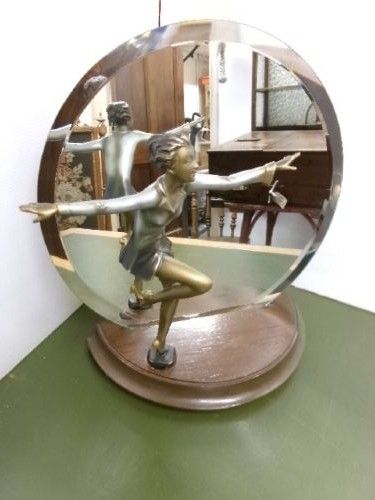
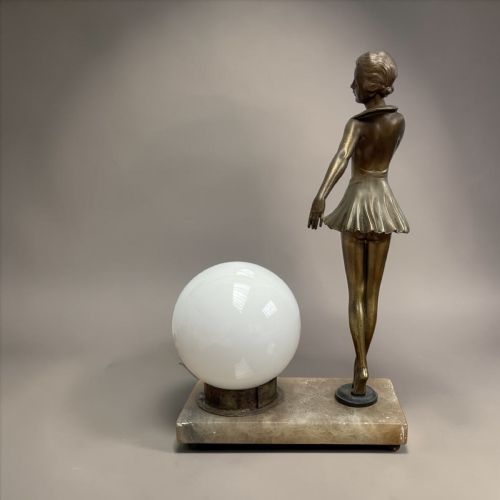
A 1930s French art deco figure encompasses standalone sculptures, dancers, animals, bookends, and lamps produced during the interwar period. These works capture the kinetic energy and stylised aesthetics characteristic of the School of Paris.
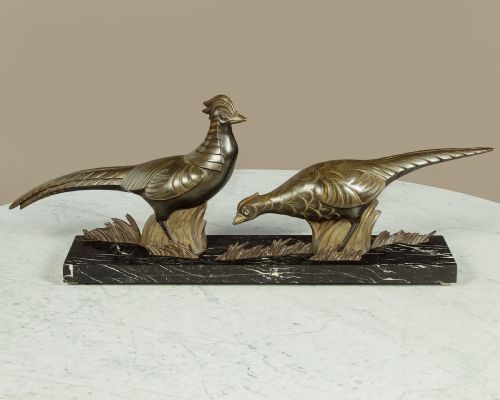
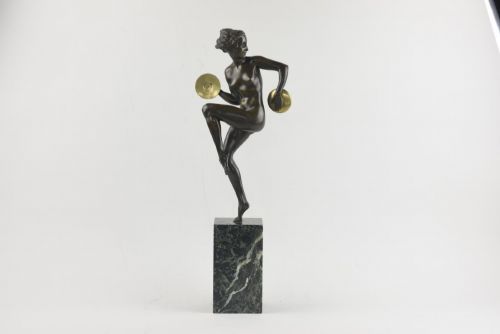
Buyers frequently encounter dancers and female nudes alongside athletic figures and animals such as panthers and pheasants. The subjects reflect a fascination with speed, athleticism, and sleek modern forms.
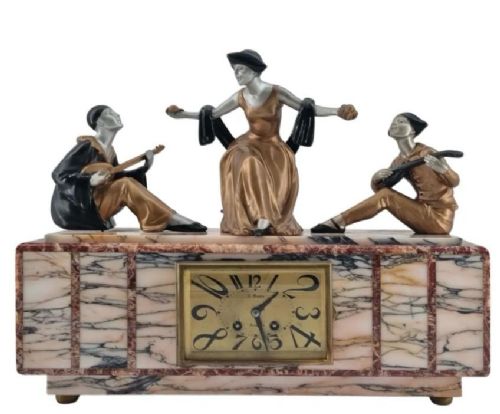
The objects take diverse functional and decorative shapes, appearing on marble bases as bookends, table lamps, mantel clocks, and paperweights. They anchor an interior with distinct period character.
Materials and Construction
Foundry work relies heavily on bronze and spelter, often combined with carved wooden elements or terracotta to shape the core subjects. Spelter serves as a more accessible alternative to bronze, frequently receiving patinated or painted finishes.
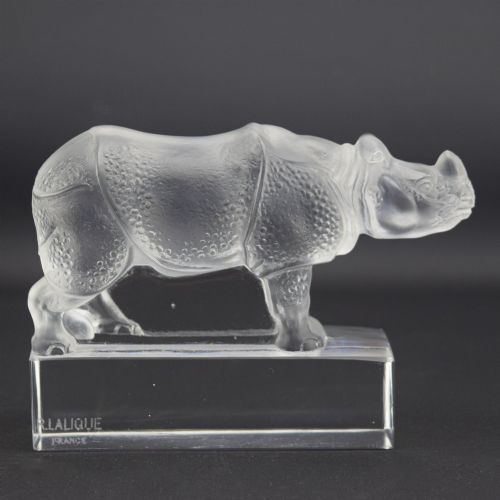
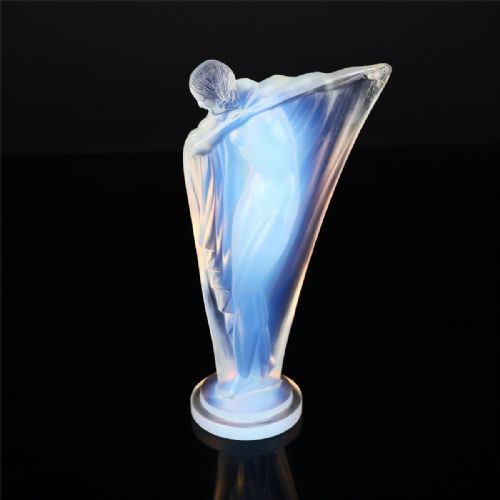
Bases incorporate heavy stones such as marble and onyx to ground the dynamic metal or glass figures. Glass pieces utilise moulded frosted, opalescent, or blue-stained techniques championed by major designers.
Cats with glass eyes peer out from the interwar grouping, watching over the dancers and bronze panthers.
Assessing Quality and Execution
The choice of base material and the integration between figure and plinth reveal the maker's intent. Heavier, multi-toned marbles and well-fitted mounts signal superior craftsmanship.
Aurore Onu Cymbal Dance·Sega·Rene Lalique·Lucien Gibert·Gaetan Dumas·Sibylle May·Lucille Sevin·Eugene Emile Borga·P. Sega·L.GERFAUX·Rene Andre Varnier·Alexandre Kelety·Demetre Chiparus·Geo Maxim·H. Bal·Marius Ernest SABINO·Ugo Cipriani
The 1930s French Art Deco Figure Glossary
- Spelter
- A zinc alloy frequently used as a substitute for bronze in interwar European sculpture. It accepts patination well to simulate heavier metals.
- Patinated metal
- Metal treated with chemical solutions to produce a specific surface colour and finish. This technique enhances the visual contours of the sculpture.
- Chryselephantine
- A term describing statues combining bronze and ivory. The technique highlights faces and hands with contrasting tonal warmth.
- Opalescent glass
- Glass that displays a milky, semi-translucent appearance with shifting tones of colour. It catches ambient light to accentuate moulded details.
- Garnitures
- Decorative matching ornaments, often comprising a clock flanked by two matching vases or figures. They form a unified mantel display.
1930s French Art Deco Figure: Frequently Asked Questions
What materials make up a 1930s french art deco figure?
Makers utilised bronze, spelter, carved wood, terracotta, and glass, frequently mounting them onto heavy marble or onyx bases.
These varied substances allowed workshops to produce both high-end gallery pieces and accessible decorative items for domestic interiors.
How do I identify a dancer sculpture?
Dancer sculptures depict figures in motion, often mid-leap or balancing on toes, dressed in stylised garments or performing with hoops.
They capture the kinetic energy associated with interwar entertainment and the influence of contemporary ballet.
Where were these pieces originally placed?
Owners displayed them on mantelpieces, desks, and side tables, sometimes incorporating them into functional items like lamps and bookends.
They served as focal points in period salons and modern apartments alike.
How do glass figures differ from metal ones?
Glass figures utilise moulded techniques in frosted, opalescent, or stained finishes to interact directly with light.
Metal works rely instead on patinated surfaces and cast details to define their silhouettes.