









Bronzed Spelter Art Deco Sculpture
These bronzed spelter art deco sculpture pieces capture the kinetic energy of the interwar period, offering expressive figures mounted on stone plinths.
Bronzed Spelter Art Deco Sculpture
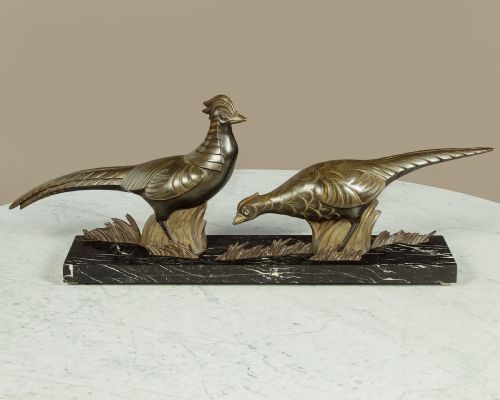
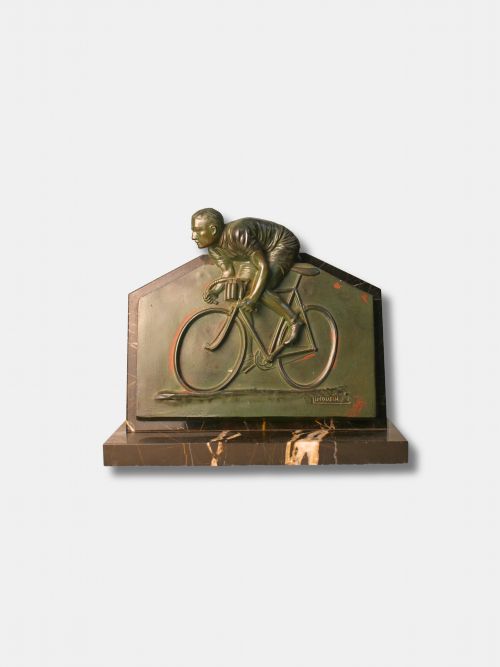
A bronzed spelter art deco sculpture typically takes the form of a dancer, an athletic figure, or an animal such as a panther, hound, or bird. These works embody the dynamic aesthetic of the 1920s and 1930s, reflecting the era's fascination with speed, movement, and modern grace.
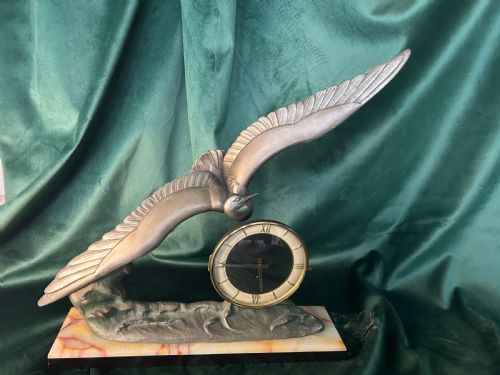
Buyers will most frequently encounter French pieces originating from around 1930. These figures frequently incorporate functional elements, appearing as table lamps, bookends, mantel clocks, and table lighters alongside standalone sculptural groups.
Materials and construction
The primary material, spelter, is a zinc-based alloy that permitted intricate casting of fine details at a lower cost than bronze. Manufacturers applied a dark or bronzed patinated finish to simulate the appearance of more expensive metalwork.
Figures were typically mounted on heavy stone bases made of marble, onyx, or alabaster to provide stability. Many works combined metal elements with glass or brass to achieve the contrasting textures characteristic of the period.
Listings feature periods spanning from 1910 to 1930, with the vast majority originating from the 1930s Art Deco movement.
Distinctions in craftsmanship
Quality depends on the crispness of the casting and the fidelity of the chased surface details. Superior examples retain their original bronzed patination without significant flaking or heavy pitting.
The choice and finish of the supporting base distinguish higher grade works. Dense, well-polished marble and onyx plinths complement the metallic figures more effectively than plain or damaged stone mounts.
Josef Lorenzl·P. Sega·Geo Maxim·C Masson·H. Bal·Chiparus
The Bronzed Spelter Art Deco Sculpture Glossary
- Spelter
- A zinc-based alloy commonly utilised as a less expensive alternative to bronze for sculptural casting during the early twentieth century. It accepts patination well to mimic bronze finishes.
- Patination
- The surface finish applied to metal to alter its colour and create an aged or bronzed appearance. Original patination significantly affects the visual appeal of a sculpture.
- Plinth
- The heavy base block, often fashioned from marble or onyx, that supports the metal figure. It provides necessary physical balance and visually anchors the sculpture.
- Figural
- A term describing objects that incorporate human or animal forms, such as lamp bases, clocks, or bookends. These pieces merge decorative art with utilitarian function.
Bronzed Spelter Art Deco Sculpture: Frequently Asked Questions
How do I clean a spelter sculpture?
Dust the surface gently with a soft, dry brush to prevent accumulation. Avoid water, harsh chemical cleaners, or polishes that can strip the bronzed patination.
Keep the piece away from direct sunlight and damp environments to protect the fragile alloy and stone base from deterioration.
Were these sculptures made in France?
Many examples originate from French foundries and studios active during the interwar decades. French pieces frequently pair patinated metal figures with substantial marble or onyx plinths.
Continental designs from this period often reflect distinct Parisian artistic trends, focusing on modern dance, sport, and stylised fauna.
How can I tell spelter from bronze?
Spelter is lighter in weight than bronze and has a softer composition. A discreet examination of an unpainted interior surface may reveal a silvery-grey metal beneath the bronzed finish.
Bronze generally possesses greater tensile strength and heavier mass, allowing for thinner castings without the need for massive stone bases.
Can I use these sculptures as lamps?
Several figural pieces were originally manufactured to function as table lamps, desk lighters, or clock sets. These items integrate utility with decorative sculpture.
Ensure any vintage electrical components are inspected and updated by a professional before connecting them to a modern power supply.