



French 1930s Spelter Statue
A french 1930s spelter statue brings the bold geometry and kinetic energy of the interwar period straight into a room.
French 1930s Spelter Statue
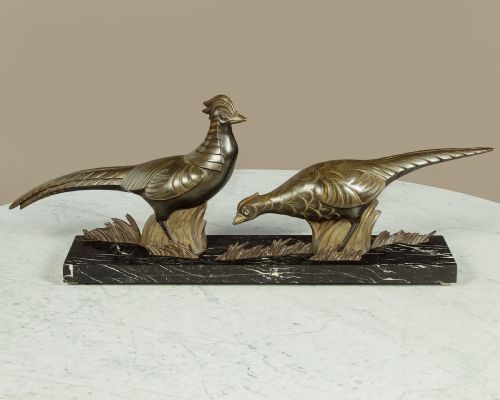
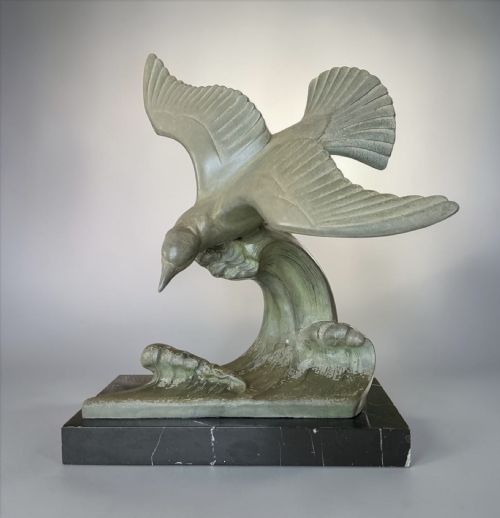
A french 1930s spelter statue typically captures dynamic subjects like dancers, athletes, animals and allegorical figures in the prevailing Art Deco style. These sculptures range from single figures to elaborate figural groups depicting deer, panthers, pheasants or a young girl running with greyhounds.
Most examples originate from the 1920 and 1930 periods, demonstrating the distinctive aesthetic of the era through stylised movement and theatrical poses. Makers often mounted these metal figures upon substantial bases made of black marble or onyx.
Beyond standalone sculptures, the selection includes figural table lamps and night lights where the metalwork incorporates glass elements. Figures of dancers, musicians and tennis players dominate the physical forms seen across the listings.
Materials and construction methods
Spelter serves as the primary medium for these figures, offering a versatile alloy that accepted patinated metal finishes to simulate bronze or gold. Foundries cast the metal into detailed moulds before applying patination or highlighting.
Materials paired with spelter across the inventory include onyx, various marbles, wood, glass and patinated bronze.
Distinctions in craftsmanship and design
Quality separates simple cast figures from those bearing recognised artist signatures such as Geo Maxim, P. Sega, Chiparus or H. Bal. Signed works and detailed figural groups demonstrate superior facial expression, garment drape and anatomical precision.
The choice and execution of the base material further differentiate the pieces, with multi-coloured marble and onyx combinations indicating higher ambition in design. The nuance of the patinated metal finish and the complexity of the grouping, such as a mother and child or a girl and swan, elevate the status of a sculpture.
P. Sega·Geo Maxim·H. Bal·Chiparus
The French 1930s Spelter Statue Glossary
- Spelter
- A zinc-based alloy commonly utilised for decorative sculptures and figures during the early twentieth century. It was frequently treated with patinated metal finishes to resemble more costly bronze.
- Art Deco
- A prominent design style of the 1920s and 1930s characterised by sleek lines, geometric symmetry and stylised depictions of motion. This aesthetic defined the era's sculpture, architecture and decorative arts.
- Patinated Metal
- A chemical or heat treatment applied to the surface of metal to alter its colour and create an aged or burnished appearance. It accentuates the fine details of the casting.
- Onyx
- A banded variety of chalcedony employed by makers as a dense, polished foundation stone for figural groups. Its natural banding adds visual depth beneath the metal sculpture.
- Figural Group
- A sculpture composed of multiple human or animal figures interacting within a single narrative scene. These compositions demand greater technical skill from the foundry than single figures.
French 1930s Spelter Statue: Frequently Asked Questions
What is spelter?
Spelter is a zinc-based alloy that served as an accessible and versatile medium for decorative sculptures during the interwar period. Foundries cast this metal into intricate moulds to produce affordable art objects.
Makers typically applied patinated finishes to the surface to give the metal the appearance of bronze or gold. This material allowed the mass production of stylish decorative figures for domestic interiors.
How do I clean a marble base?
Cleaning a marble or onyx base requires a soft, dry cloth to remove dust and surface debris safely. Avoid harsh chemical cleaners or excess moisture that can penetrate the porous stone.
If deeper cleaning is necessary, use a damp cloth with mild soap followed by immediate drying. Protect the polished surface from acidic substances that might etch the stone.
Are these figures signed?
Many sculptures feature signatures, monograms or foundry marks stamped directly into the metal or inscribed on the marble base. Signatures by known artists like Geo Maxim or Chiparus indicate specific studio origins.
Unsigned pieces remain common and reflect the broader commercial output of French foundries during the period. The absence of a signature does not diminish the decorative quality of the casting.
Where were these pieces made?
These sculptures originate predominantly from France, which served as the epicentre of Art Deco design and metal casting during the interwar years. French foundries and studios produced a vast range of figures for domestic and international markets.
The aesthetic reflects Parisian salons and exhibitions of the era, where motion and modern materials captured the public imagination. French craftsmanship dictated the prevailing styles seen in these figures.