


Folk Art Decoy
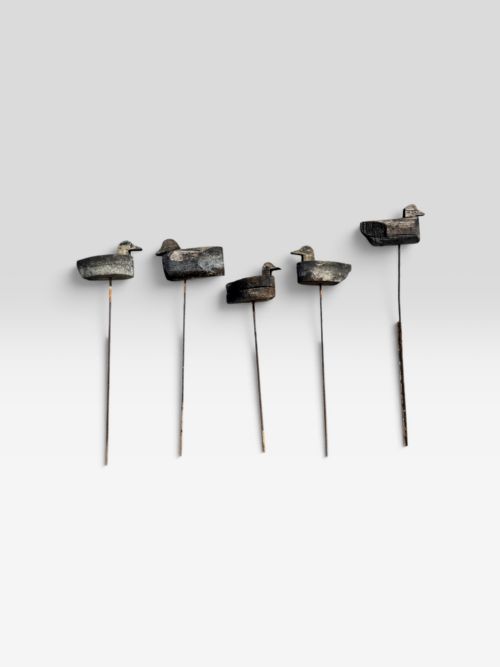
Folk art decoy pieces are working working-waterfowl and animal figures carved to lure game, now prized for their rustic form and weathered surfaces.
Folk Art Decoy
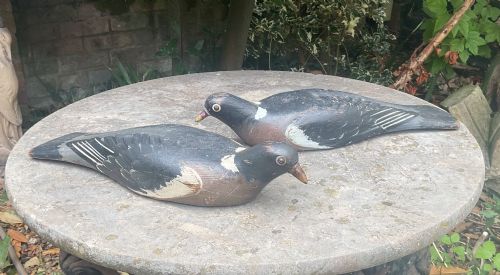
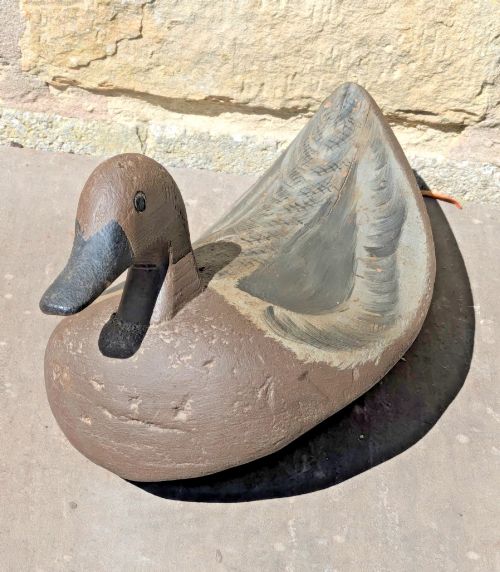
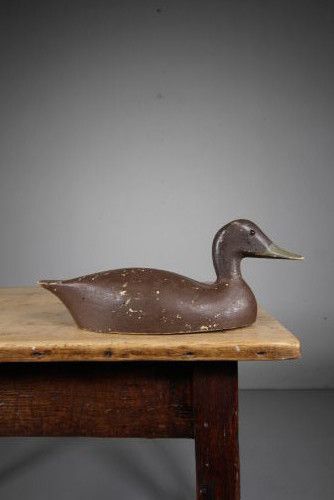
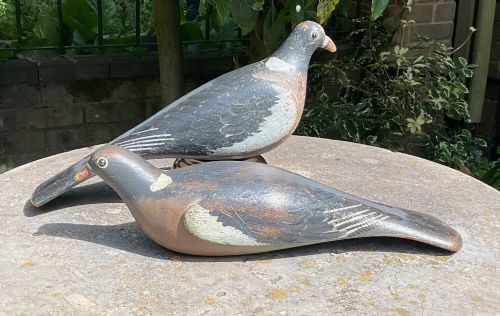
When you examine folk art decoy items, you encounter working carvings designed to attract waterfowl, pigeons, doves, or shorebirds. These pieces originate from the nineteenth century through the early twentieth century, spanning Edwardian and later periods.
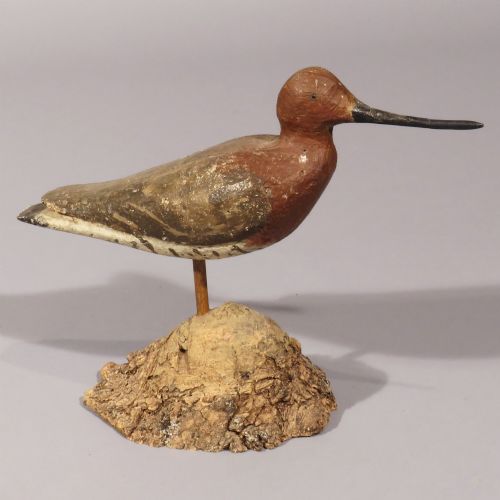
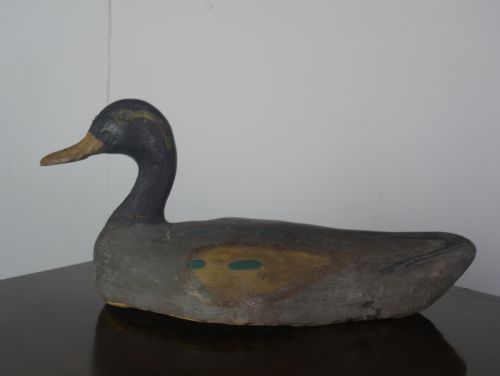
Duck decoys dominate the selection, appearing singly or in pairs alongside geese, pigeons, doves, and fish. You also find specialised forms such as a black tailed godwit, an American loon with a chick, and an owl bird scarer.
Origin points range across English country workshops, French makers, and American regions including Crisfield and South Dakota. Most examples on this page present as decorative objects carved for utility before entering domestic display.
How folk art decoy pieces were made
Carvers shaped timber, wood, and carved wood using hand tools to create the solid body forms of these birds. Alternative materials appear in specific studies, notably papier mâché and straw combined for a duckling sculpture.
Surfaces received layers of paint, sometimes augmented with metal or iron components and glass eyes. Bark and rustic timber elements also appear, reflecting the practical materials available to makers in rural workshops.
Listings feature wood, paint, metal, and glass alongside unusual media such as papier mâché and straw.
What varies in quality
The distinction between ordinary and exceptional pieces lies in the strength of the carving and the character of the original paint surface. Expressive postures and untouched weathered pigments elevate a sculpture well above standard utilitarian work.
Original pairs and complete groupings show superior coherence compared to single survivors gathered later. The integrity of early surface patination and honest wear from actual use define the upper tier of these carvings.
The Folk Art Decoy Glossary
- Decoy
- A carved or moulded figure used to attract wildfowl or other game within shooting range. These utilitarian objects are now collected as sculpture.
- Treen
- Small handmade wooden domestic objects and working items. This term describes turned and carved wooden pieces from earlier centuries.
- Folk art
- Utilitarian and decorative objects created by self taught or traditional artisans outside academic fine art traditions. These pieces emphasise functional design and direct craftsmanship.
- Dovecote
- A structure or nesting place for doves or pigeons. Decoys associated with these structures served specific rural purposes.
Folk Art Decoy: Frequently Asked Questions
What is a folk art decoy?
A folk art decoy is a working carving of a duck, goose, pigeon, or other bird made to attract game. Makers shaped them from wood, timber, or papier mâché for practical outdoor use.
Over time, these working objects transitioned into decorative sculptures valued for their rustic charm and handmade character.
How were decoys used originally?
Hunters placed these carved birds on water or open ground to lure real flocks within range. They weathered exposure to wind, water, and sun during their working lives.
This functional outdoor use created the patinated paint surfaces and worn timber textures collectors appreciate today.
How do I date an antique decoy?
Dating relies on tool marks, timber species, paint chemistry, and structural styles associated with periods like the nineteenth century or Edwardian era. Working carvings often display construction methods specific to their decade of origin.
Comparison with documented examples from known regions helps narrow the manufacturing timeframe.
Where did these carvings originate?
Decoys originate from English country workshops, French rural makers, and various American regions. Each area developed distinct regional forms for local species like Canada geese, mallards, or shorebirds.
Local timber availability and hunting traditions shaped the specific silhouette of each bird.
How should I display decoys at home?
These sculptures suit rustic interiors, studies, or living spaces where their sculptural forms can be viewed clearly. Placing them on plain shelves or tables lets the weathered paint and hand carved details stand out.
Keep them away from direct heat sources to protect the aged wood and historic pigment layers.