
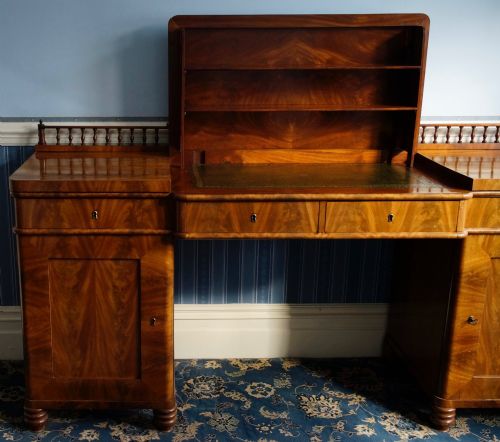
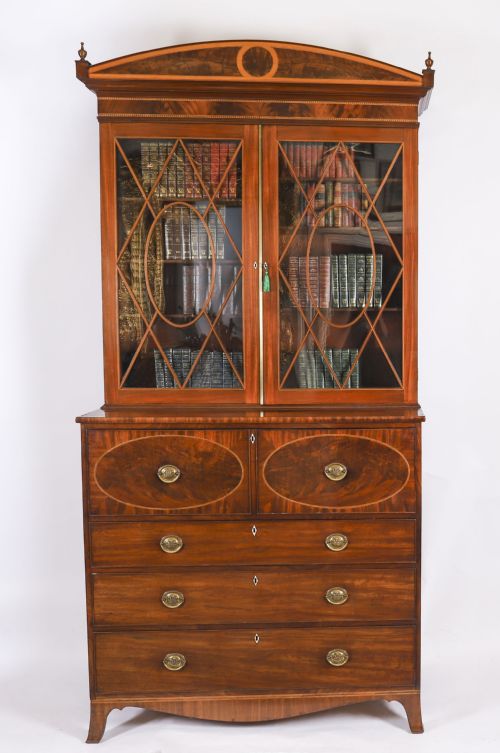
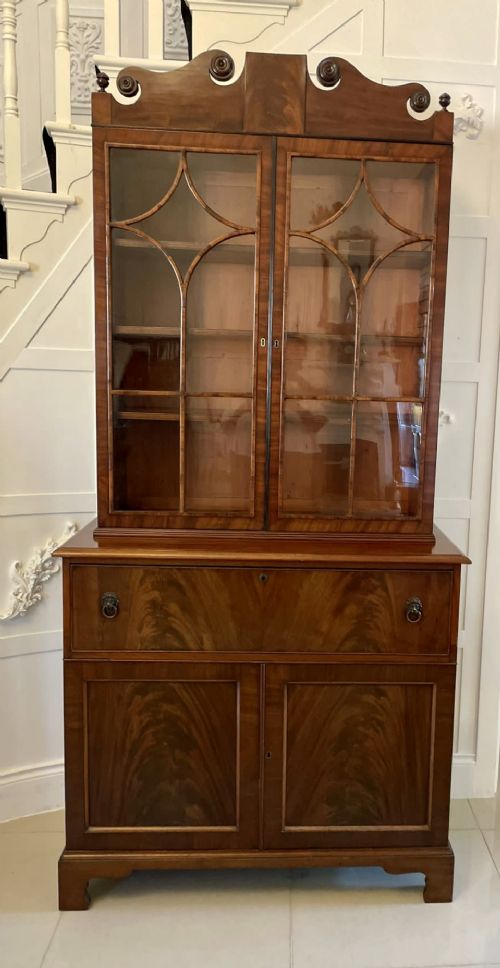
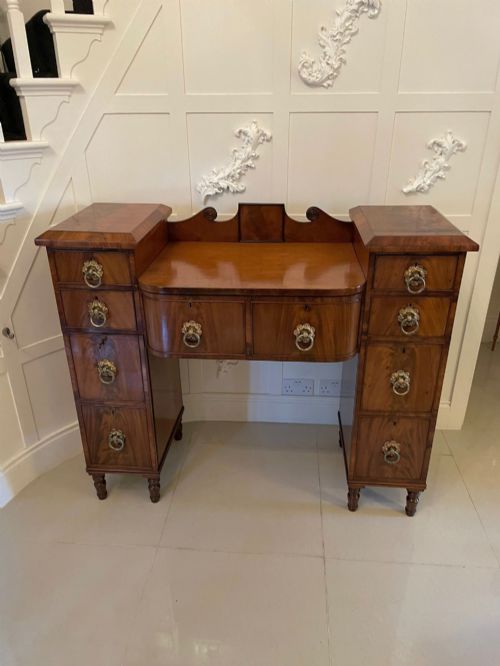

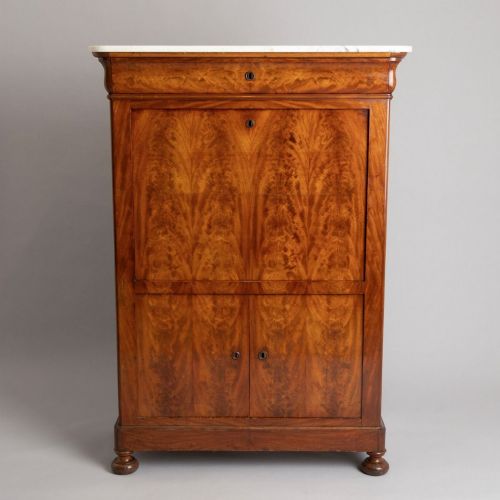


Flame Mahogany Secretaire
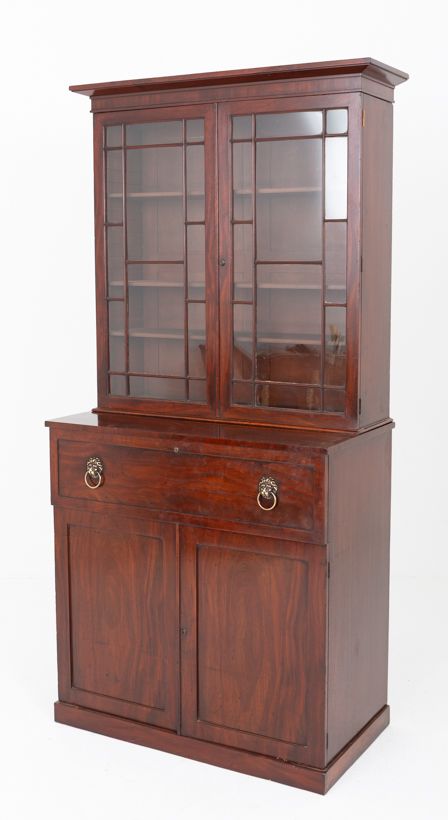
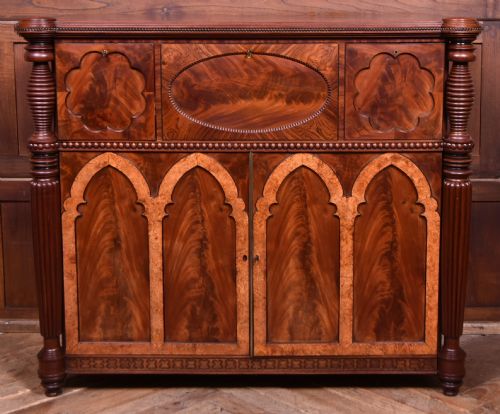
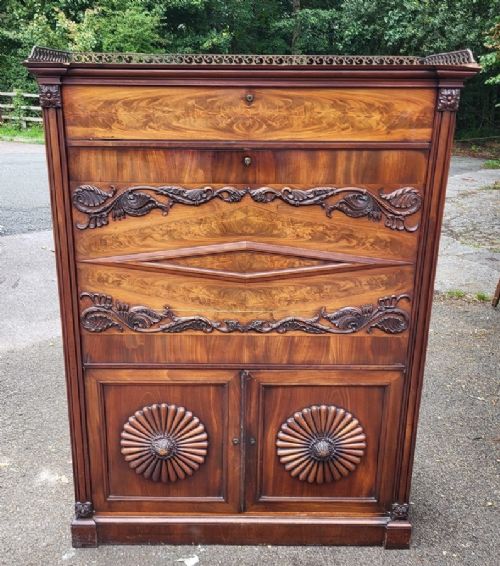
A flame mahogany secretaire brings together rich timber figures and ingenious drop-front writing compartments developed across Georgian and Victorian workshops.
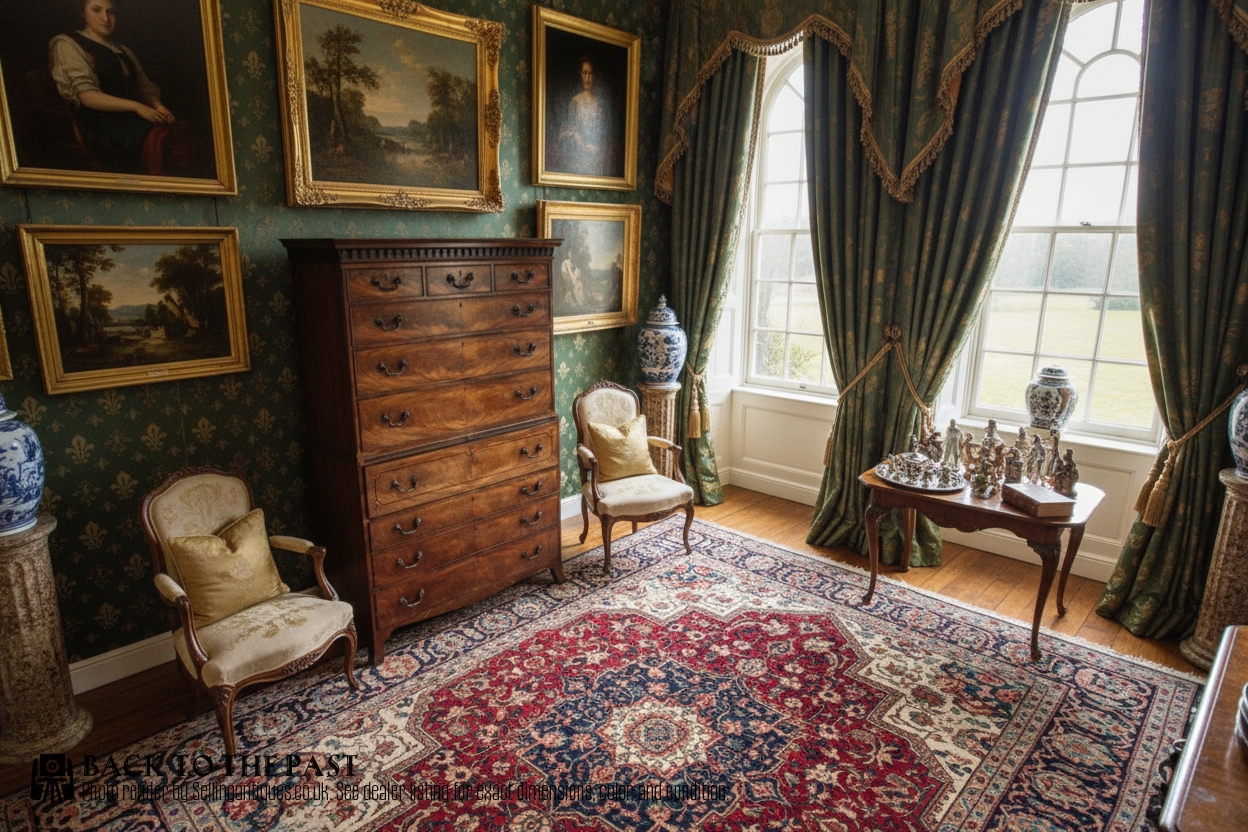
Flame Mahogany Secretaire
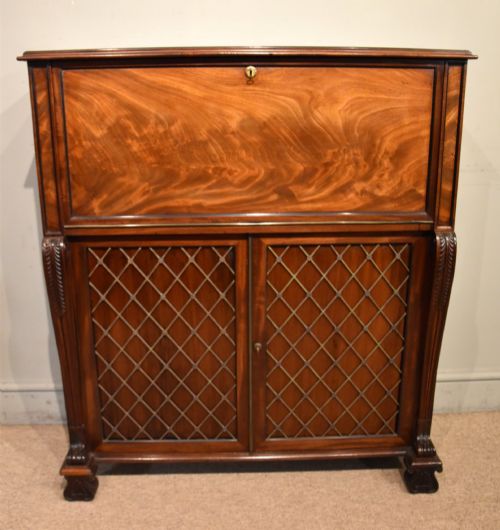
A flame mahogany secretaire combines a standard chest of drawers or bookcase with a concealed writing drawer that pulls out and drops open to reveal a fitted interior of small drawers and pigeonholes.
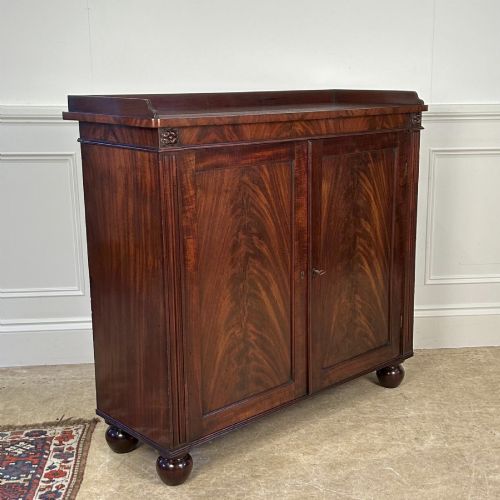
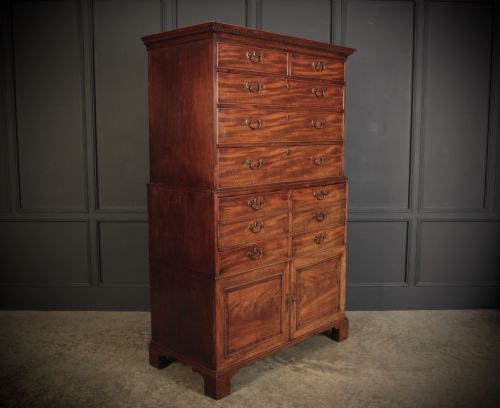
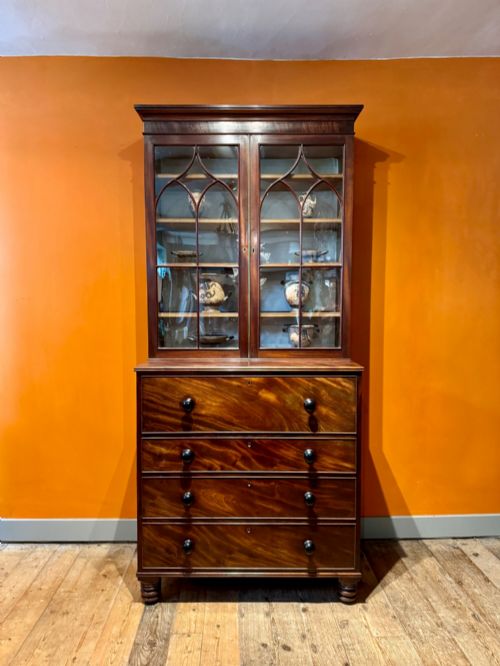
The most common formats on this page are tall secretaire bookcases and upright chests, though sideboards, cylinder desks, and tallboys also appear across Georgian, Regency, and Victorian periods.
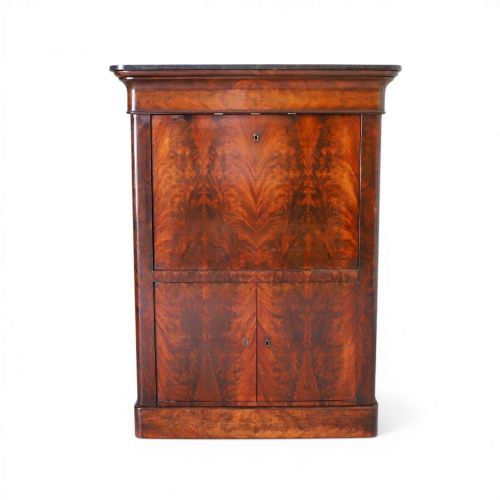
Originating primarily from English and Scottish workshops, these pieces also include continental European forms such as French secretaire a abattant cabinets and Biedermeier escritoires.
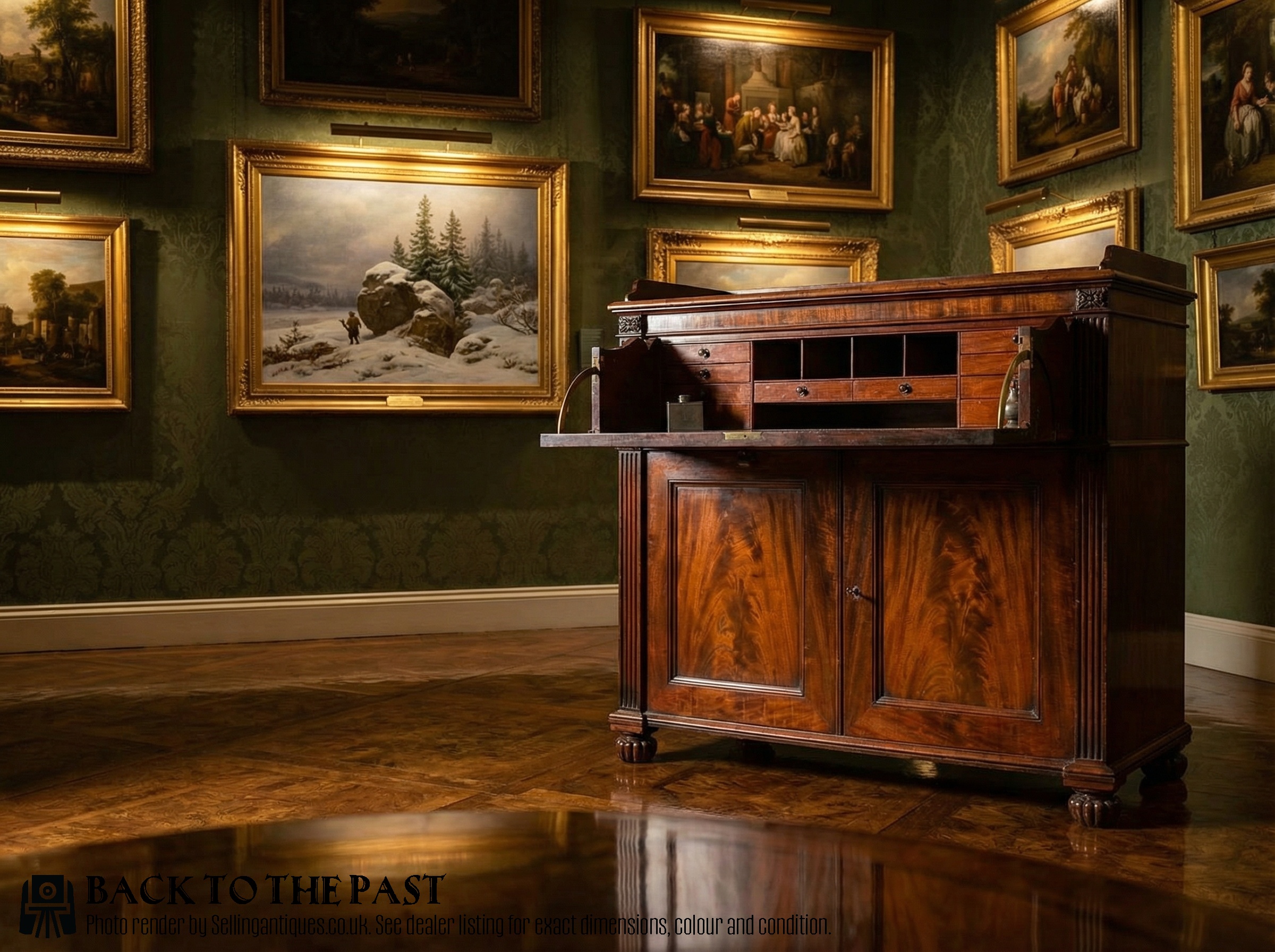
How they were made
Cabinetmakers constructed the carcases using solid secondary woods like oak, applying finely cut flame mahogany veneers to the main visible surfaces to create a dramatic, undulating wood grain pattern.
Interiors often incorporate secondary materials including leather writing surfaces, brass hardware, glass door panels, and occasional marble tops on continental pieces.
Flame Mahogany Secretaire Retail Price Guide 2026
Typical asking prices for flame mahogany secretaire among the pieces listed under this phrase on Sellingantiques today, from the lower quarter to the upper quarter. They describe what is for sale here now, not the wider market.
Listings feature pieces spanning the Georgian, Regency, William IV, and Victorian periods, constructed primarily in mahogany with occasional marble tops.
What varies in quality
Quality rests heavily on the selection and matching of the flame mahogany veneer, where superior examples display symmetrical, fiery grain patterns across the entire drawer front rather than patchy timber.
The complexity and execution of the internal drawer layout inside the drop-front section distinguish standard utility pieces from finer cabinet work.
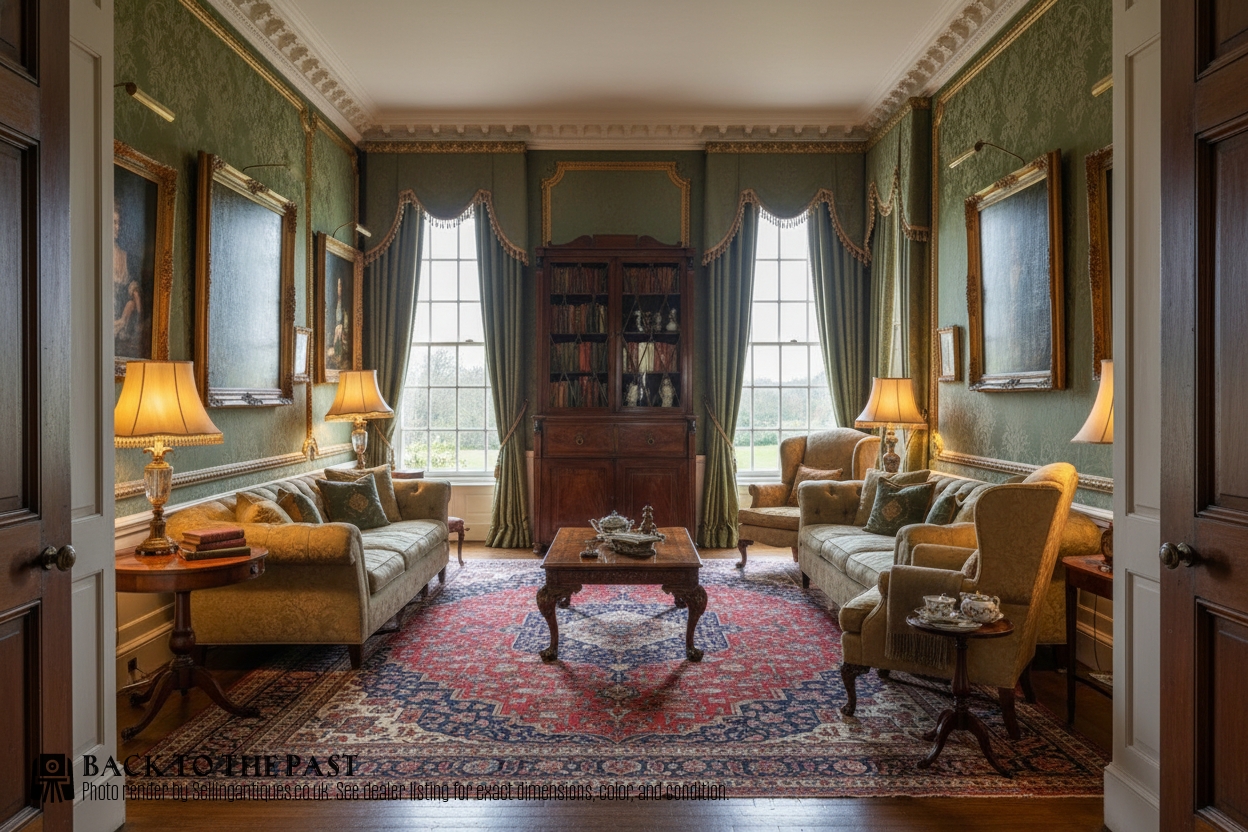
Gillows
The Flame Mahogany Secretaire Glossary
- Secretaire
- A desk or cabinet featuring a pull-out or drop-front writing drawer. This ingenious design conceals a neat arrangement of pigeonholes and small compartments.
- Flame mahogany
- A decorative wood veneer harvested from the fork of the mahogany tree where the branch meets the trunk. It creates a distinctive, flickering flame effect.
- Secrétaire à abattant
- An upright cabinet with a vertical drop-front panel that conceals a writing surface and internal drawers. This form is common in French and continental pieces.
- Secretaire bookcase
- A tall cabinet combining upper glazed shelving with a lower writing drawer and lower storage cupboards or drawers. It serves both library and desk functions.
- Escritoire
- A small writing cabinet or desk. The term is frequently applied to continental European pieces from the nineteenth century.
Flame Mahogany Secretaire: Frequently Asked Questions
What is a flame mahogany secretaire?
A flame mahogany secretaire is a piece of antique furniture featuring a specialised wood grain and a pull-out or drop-front writing drawer.
These versatile items function as both storage chests or bookcases and practical writing desks.
How do I use the secretaire drawer?
The main drawer front pulls forward and hinges down into a horizontal writing surface supported by internal arms or brackets.
Lowering this panel provides immediate access to small pigeonholes and miniature drawers designed for letters and stationery.
Where were these pieces made?
Surviving examples originate from English, Scottish, and continental European workshops active during the eighteenth and nineteenth centuries.
Regional differences appear in the hardware, secondary timbers, and overall cabinet proportions.
How do I identify the period?
Period identification relies on observing the overarching furniture style, such as Georgian bracket feet, Regency brass inlay, or Victorian proportions.
Construction methods and timber choices also help narrow down the date of manufacture.