
English Soft Paste Ceramic
English soft paste ceramic pieces are historic vitreous bodies shaped into delicate tableware and figures that collectors prize for their early painted decoration.

English Soft Paste Ceramic
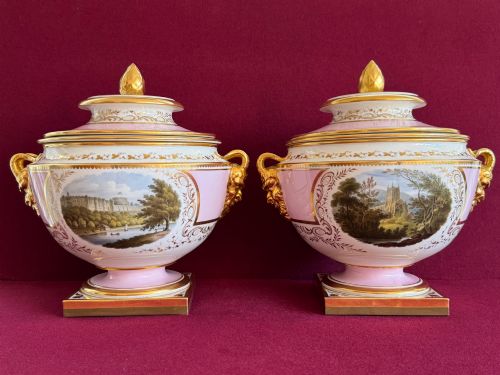
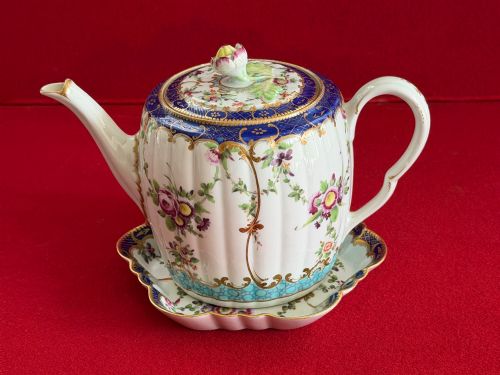
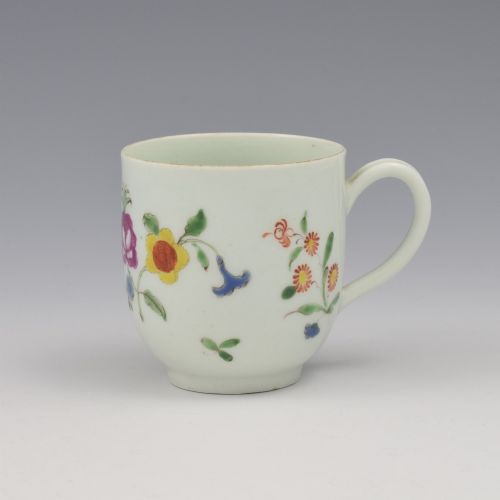
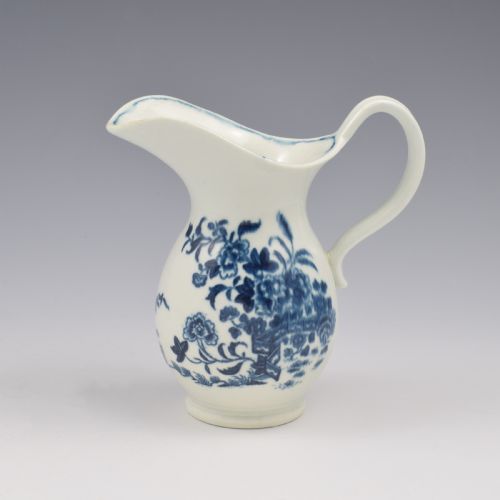
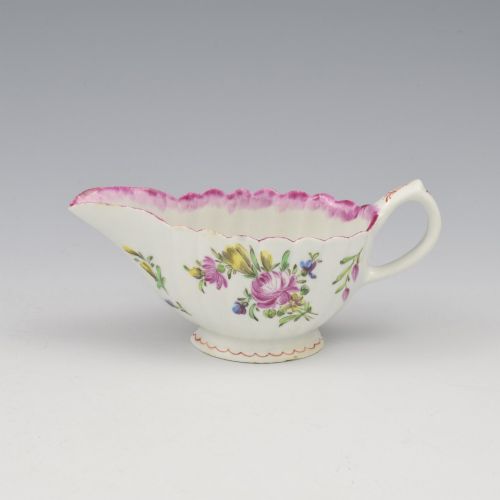
When you search for english soft paste ceramic, you encounter fragile domestic wares and decorative figures produced during the eighteenth century. These items include tea vessels, sauce boats, dessert dishes, and allegorical porcelain figures.
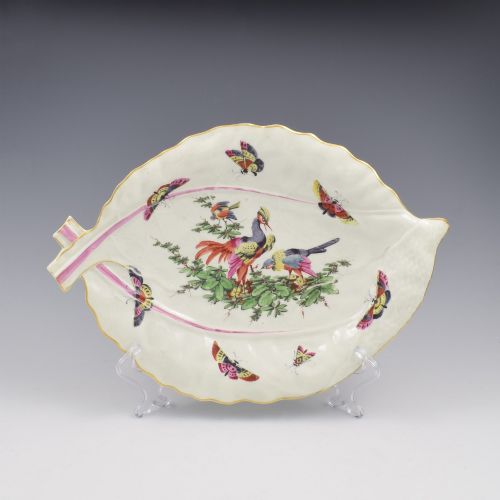
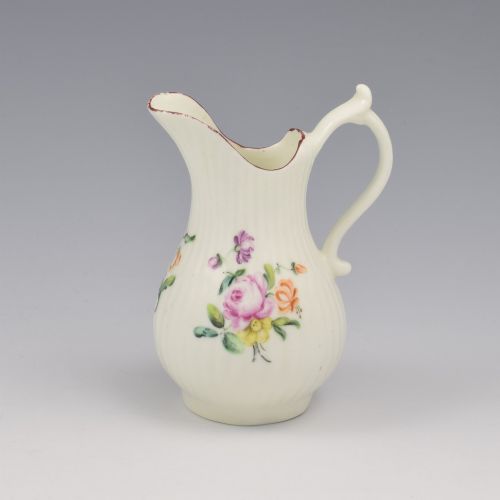
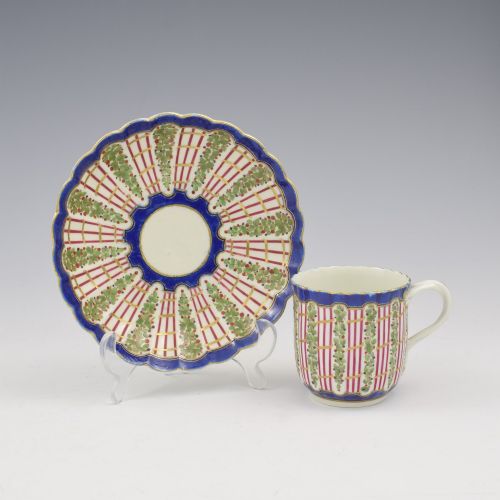
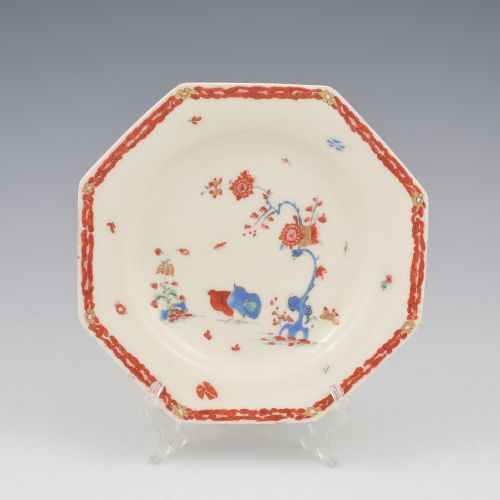
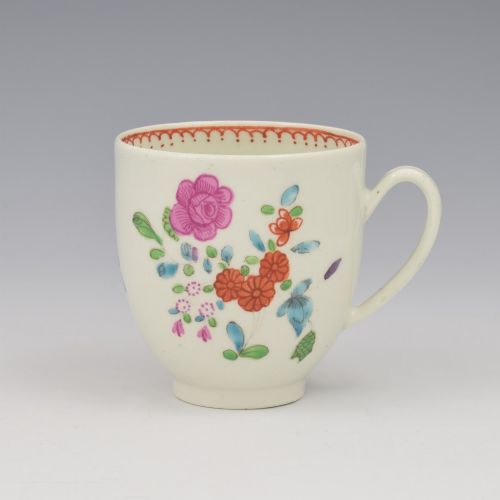
The selections on this page centre heavily on Georgian productions from factories such as Worcester, Derby, Bow, and Chelsea. Pieces span domestic table use like coffee cups and teapots alongside ornamental figures and bocage candlesticks.
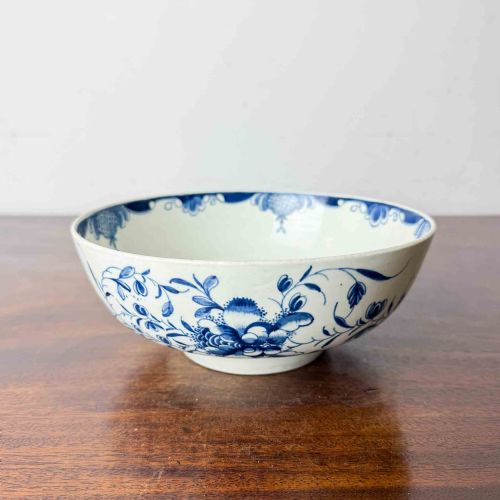
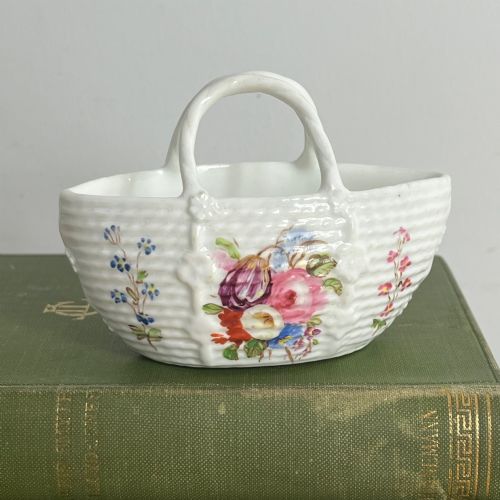
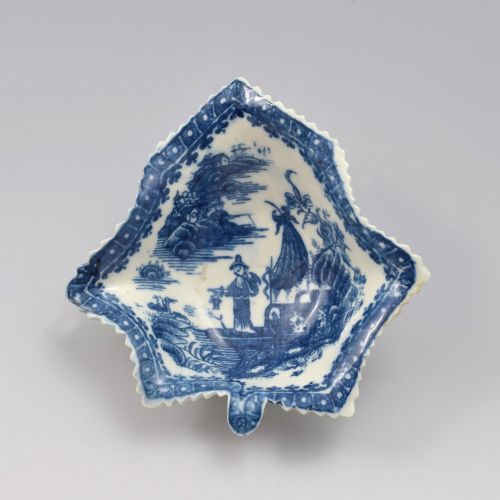
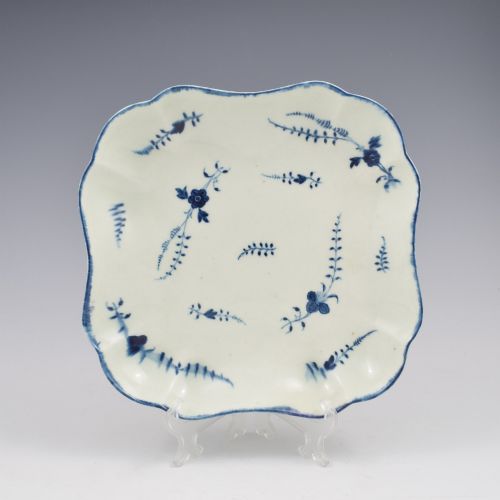
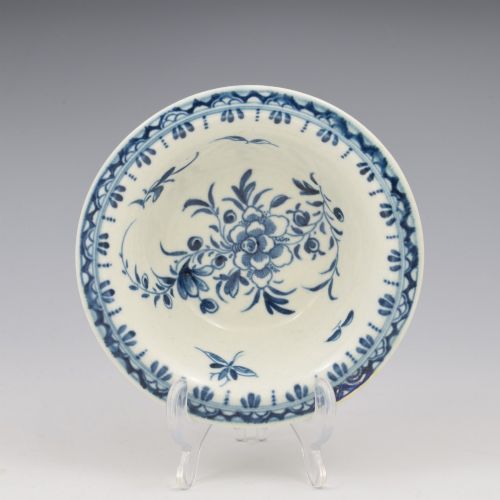
Forms follow prevailing eighteenth-century tastes, shifting from early moulded and blue-and-white patterns to intricate polychrome scenes and Chinoiserie motifs. Buyers find everything from small patty pans to large presentation dishes.
How they were made
Early English soft paste porcelain relies on a frit-based vitreous body rather than hard-paste kaolin clay, requiring lower kiln temperatures that produced distinctive glaze pooling and translucency.
Makers shaped the paste using moulds or threw items on a wheel before applying underglaze blue, handpainted polychrome enamels, and selective gilding or gold leaf.
The resulting bodies were fired alongside specialist glazes that often settled with characteristic surface variations, pooling softly around the moulded ribs of sauce boats and dishes.
Listings feature 18th-century and Georgian pieces created using soft-paste porcelain, enamel, and gold leaf.
What varies in quality
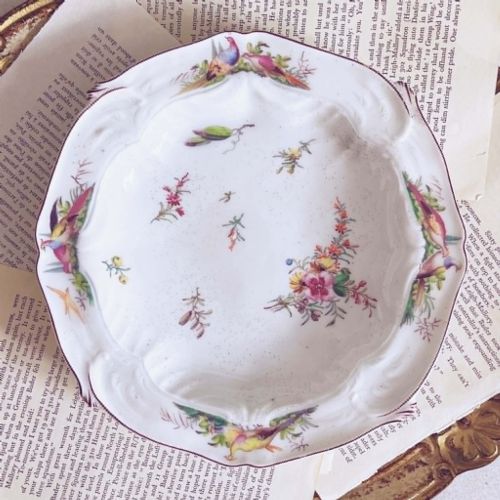
Quality separates through the precision of the handpainted enamel work and the crispness of the original moulded relief. Pieces featuring detailed polychrome birds, complex Chinoiserie figures, or elaborate bocage stand apart from simpler blue-and-white wares.
The sophistication of the porcelain body itself also shifts the standing of a piece. Finer bodies show fewer kiln stilt marks, smoother glaze distribution, and sharper relief definition on delicate leaf dishes and figurines.
Flight Barr And Barr·Derby Porcelain·Richard Chaffers·Caughley Porcelain·Dr Wall Worcester·Bow Porcelain·Chelsea Porcelain·New Hall Porcelain·Longton Hall
The English Soft Paste Ceramic Glossary
- Soft-paste porcelain
- A vitreous ceramic body invented in imitation of Chinese porcelain, composed of white clay, glass frits, and ground minerals fired at lower temperatures.
- Bocage
- An applied background of leaves and foliage made of clay, common behind eighteenth-century English figures and candlesticks from factories like Derby.
- Kakiemon
- A Japanese enamel style featuring asymmetric floral and bird patterns, widely copied on early English porcelain plates and bowls.
- Polychrome
- Multicoloured painted decoration applied over the glaze, seen in detailed bird, floral, and human figure motifs.
- Biscuit
- Unglazed porcelain fired once to a porous, matte finish, frequently utilised for classical or allegorical figures.
- Sucrier
- A covered container designed for holding sugar at the tea table, often matching tea bowls and teapots.
English Soft Paste Ceramic: Frequently Asked Questions
What is english soft paste ceramic?
English soft paste ceramic refers to early porcelain bodies created in eighteenth-century England using glass frits and soft clays instead of hard-paste minerals.
These materials yielded distinctive warm glazes and translucent bodies that factories decorated with handpainted enamels or blue-and-white designs.
How do I date an eighteenth century piece?
Dating relies on identifying factory marks, factory periods, stylistic influences like Chinoiserie or Rococo, and specific potting characteristics.
Early pieces often feature anchor marks, crescent marks, or distinct mould numbers that link them to specific decades of production.
Were these items used daily?
Many table wares such as teapots, coffee cups, and sauce boats saw actual use in Georgian households for serving tea and meals.
Figures and decorative dishes served primarily as display ornaments in drawing rooms to signal host status and taste.
How should I display porcelain figures?
Porcelain figures and bocage candlesticks require stable shelving away from direct sunlight and heavy foot traffic to protect their delicate painted surfaces.
Enclosed cabinets provide the best defence against accidental knocks and airborne dust accumulation.