
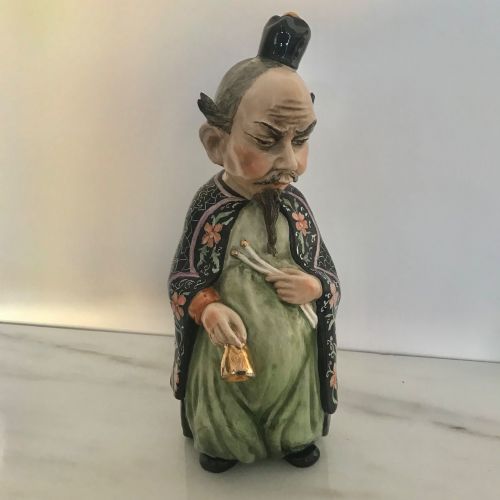
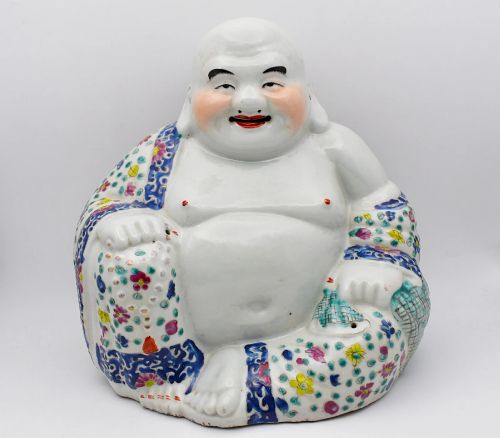


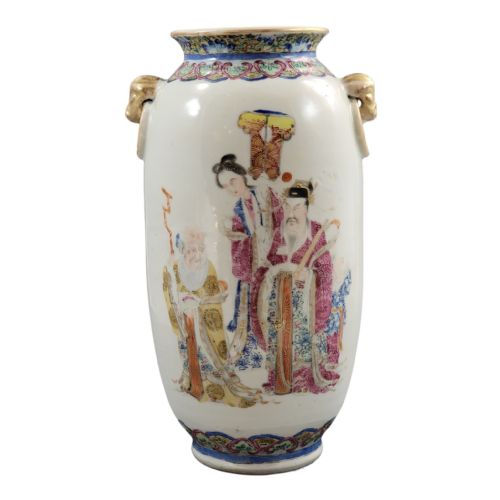


Enamel Painted Ceramic Figure
These enamel painted ceramic figure pieces combine vibrant colour and meticulous detail, offering collectors a striking window into global ceramic traditions.

Enamel Painted Ceramic Figure
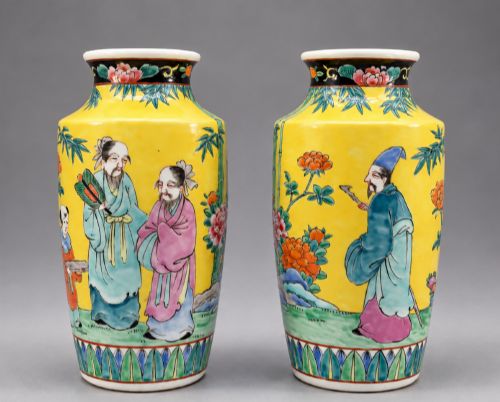
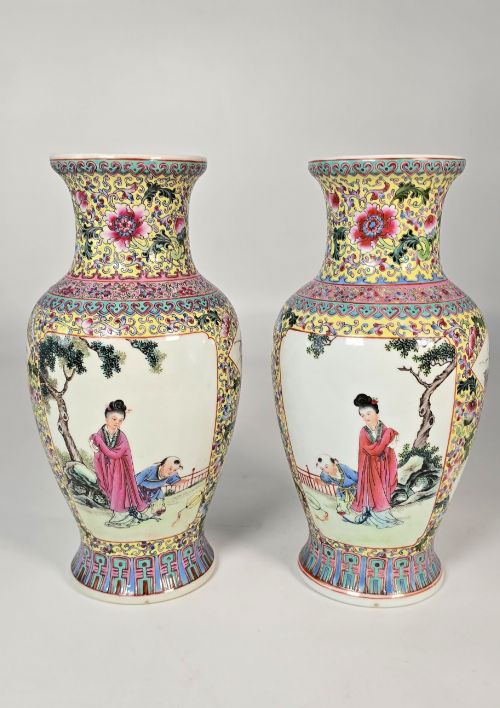
When you search for an enamel painted ceramic figure, you are looking at modelled clay and porcelain brought to life by hand-applied mineral pigments and metallic oxides. These works span from eighteenth-century European soft-paste porcelain to twentieth-century Chinese Republican and Japanese Meiji period pieces.
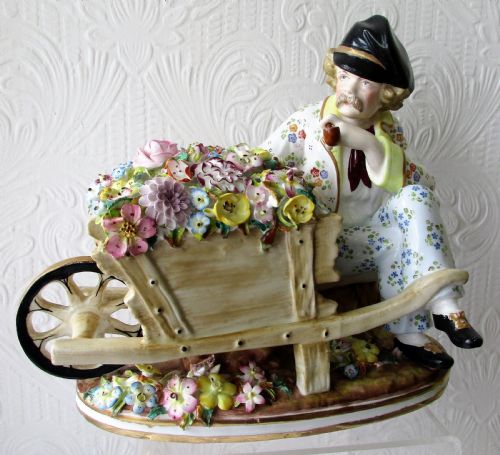
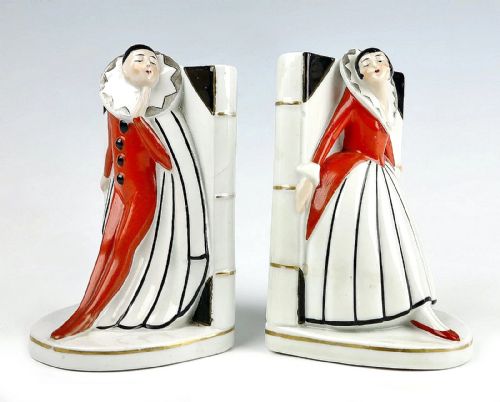
The versions most likely to meet you on this page include nineteenth-century Chinese figures, Japanese Kutani deities, and English porcelain figurines. Forms range from laughing Buddhas and classical immortals to Art Deco bookends and Victorian decorative figures.
These objects often depict historical, mythological, or domestic subjects rendered in rich palettes. They serve as sculptural centerpieces that display the narrative traditions of their respective makers.
How they were made
Maker's workshops shape ceramic bodies from earthenware, porcelain, or soft-paste porcelain before applying an initial glaze and firing the piece in a kiln. Artisans then paint fine details by hand using overglaze enamels in varied hues.
Many examples incorporate gold leaf or gilt highlights applied over the fired enamel layers to catch the light. This secondary firing fuses the mineral colours to the glazed surface, producing a durable and lustrous finish.
Listings feature pieces spanning the eighteenth, nineteenth, and twentieth centuries, including Georgian, Victorian, Art Deco, and Qing Dynasty styles.
What varies in quality
The crispness of the underlying mould and the preservation of the delicate overglaze enamels and gilt highlights dictate the desirability of a piece. Finer examples retain their original surface sheen and show absolute control in every painted line.
John Bevington·Zhu Mao Ji·Famous Meizan mark·Volkstedt Porcelain
The Enamel Painted Ceramic Figure Glossary
- Famille Rose
- A palette of opaque pink and other soft enamel colours introduced to Chinese ceramics in the eighteenth century. This style allowed artisans to paint subtle gradations of tone.
- Overglaze Enamel
- Mineral pigments applied on top of a previously fired and glazed ceramic surface. The piece undergoes a subsequent low-temperature firing to bond the colours.
- Soft-paste Porcelain
- An artificial porcelain composition fired at lower temperatures than true hard-paste porcelain. It was widely utilised by eighteenth-century European factories.
- Kutani
- Japanese porcelain and pottery characterised by bold designs and vibrant enamel painting. Pieces frequently feature figures and natural motifs.
- Gilt
- A thin layer of gold applied to the surface of the ceramic or enamel decoration. It adds metallic brilliance to robes, borders, and accessories.
Enamel Painted Ceramic Figure: Frequently Asked Questions
How do I care for these figures?
Keep your enamel painted ceramic figure out of direct sunlight to prevent the overglaze colours from fading over time. Dust gently with a soft, dry brush.
Avoid using liquid cleaners or abrasive cloths, as moisture and harsh friction can damage fragile gilt highlights and delicate hand-painted surfaces.
How can I tell the period?
Dating relies on examining the ceramic body, the style of the overglaze enamel palette, and any visible marks or signatures on the base. European pieces often show specific paste characteristics associated with eighteenth or nineteenth-century factories.
Asian pieces reflect imperial or regional styles, such as the distinct aesthetic of the Meiji period or the Chinese Republican era, visible in the painting technique.
Were these figures meant for display?
These ceramic works served primarily as decorative ornaments for domestic interiors, studies, and display cabinets. Wealthy households collected them to showcase refinement and global trade connections.
Some forms, such as snuff bottles or budai figures, also held cultural or spiritual significance while remaining primarily ornamental objects.