

English Silver Cutlery
English silver cutlery spans centuries of dining refinement, offering collectors everything from early trefid spoons to complete cased canteens.
English Silver Cutlery
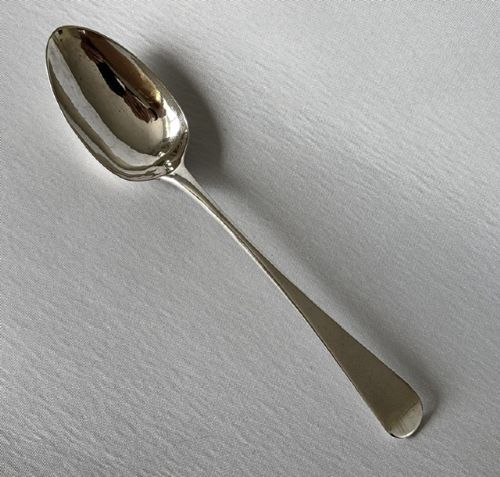
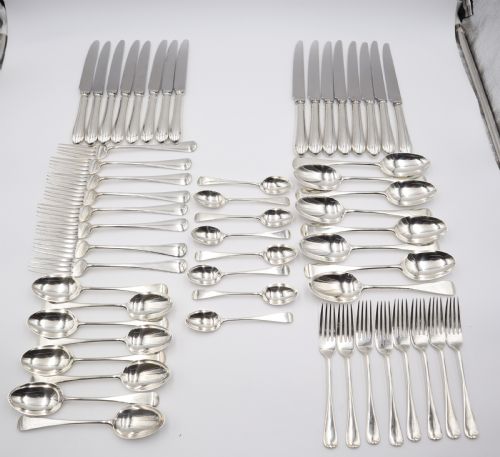
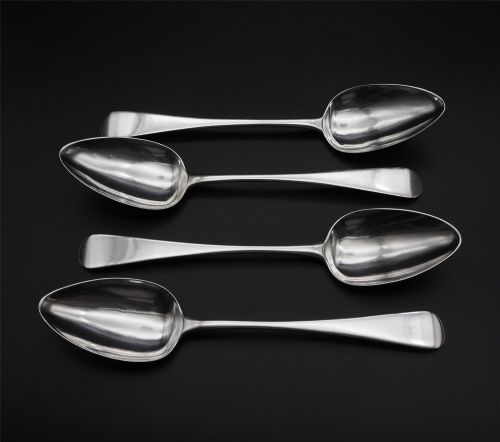
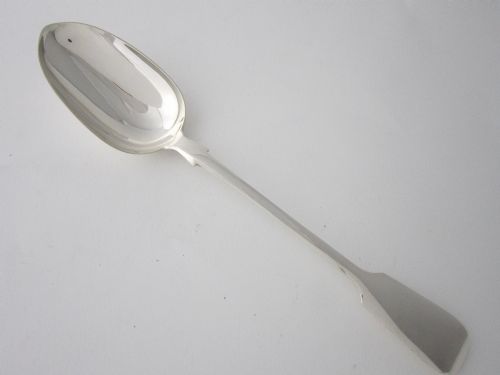
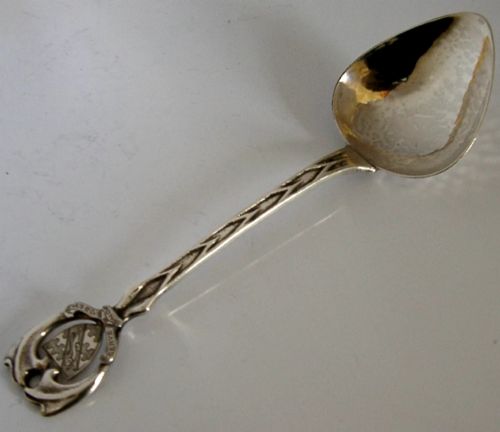
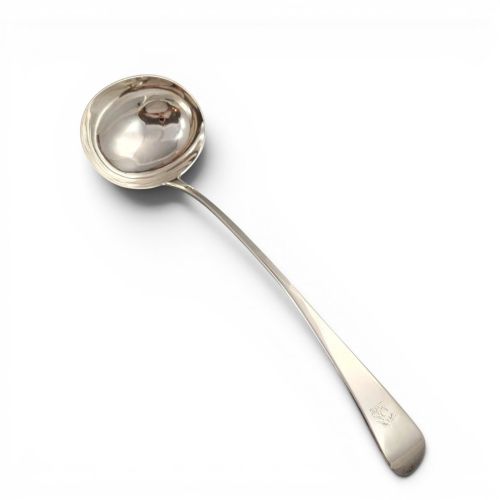
English silver cutlery encompasses individual dining implements, serving pieces, and complete canteens spanning from the seventeenth century through the twentieth century.
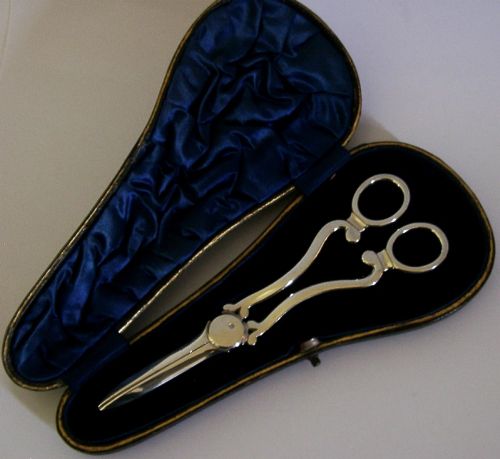
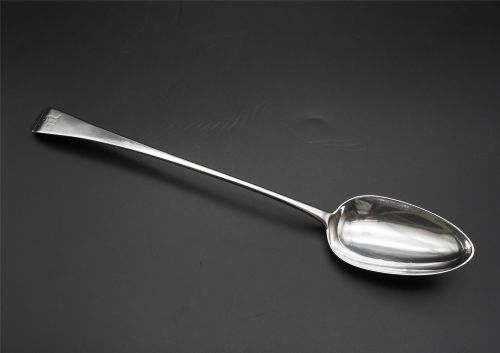
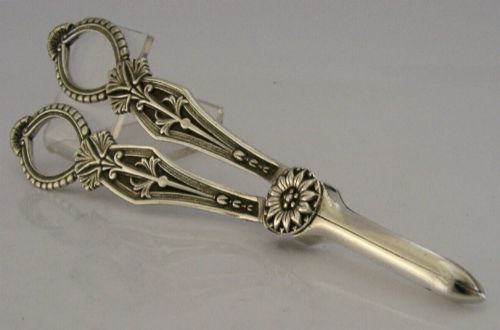
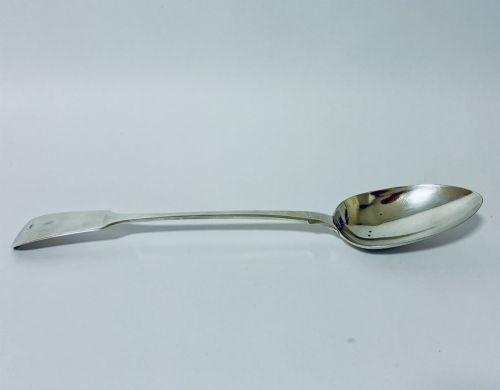
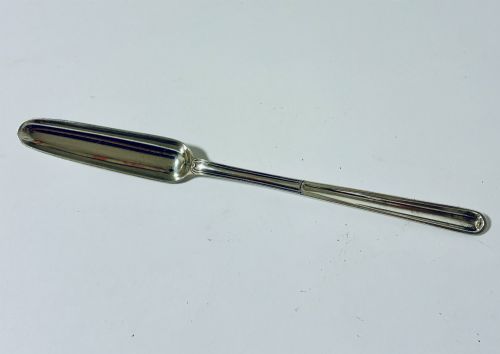
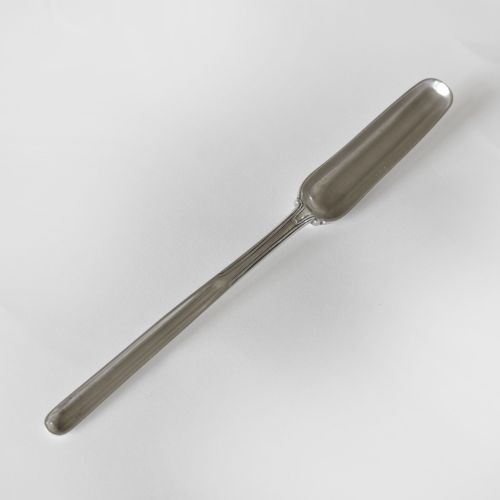
Buyers encounter utilitarian table items alongside specialised forms such as marrow scoops, grape shears, and basts, fashioned in sterling silver or silver plate.
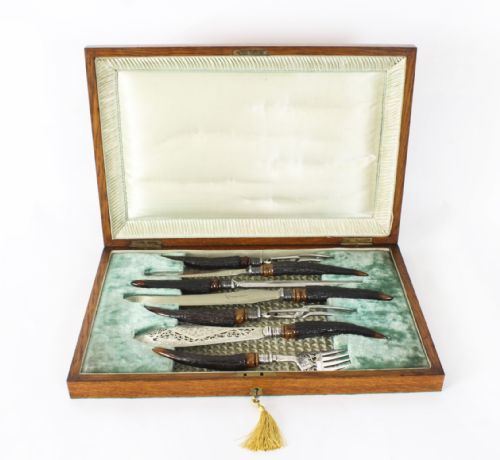
The selections range from early provincial teaspoons and slip top spoons to elaborate Victorian cased sets and Edwardian oak canteens.
How they were made
Smiths formed sterling silver and silver plate through hammering, casting, and rolling, frequently incorporating handles of mother-of-pearl, antler horn, wood, or agate.
Makers struck their pieces with hallmarks to indicate standard, origin, and date, while auxiliary elements utilised brass, steel, velvet, and leather within fitted storage boxes.
Solid silver teddy bears stand guard on the table to keep butter knives from rolling away.
What varies in quality
The standard of execution shows in the crispness of the hallmarks, the balance of the utensil in the hand, and the preservation of original form without excessive wear to the bowls or tines.
Rarity of pattern and completeness of matched sets or original fitted wooden cases elevate the significance of individual pieces within a collection.
Peter and Jonathan Bateman·Jonathan Hayne·Benjamin Watts·Benjamin Prosser·Walker and Hall·Mappin and Webb
The English Silver Cutlery Glossary
- Hallmark
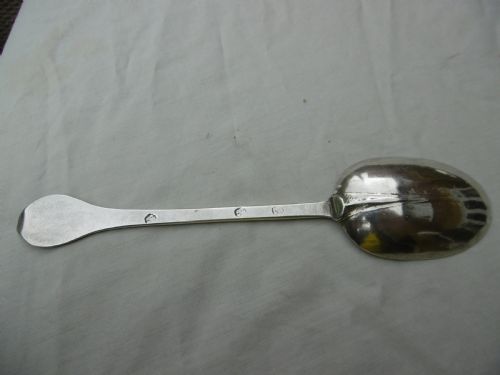
- Official stamping applied to precious metals indicating the standard of purity, the maker, and the year of assay. These tiny marks provide the primary documentation for dating historical silver.
- Trefid
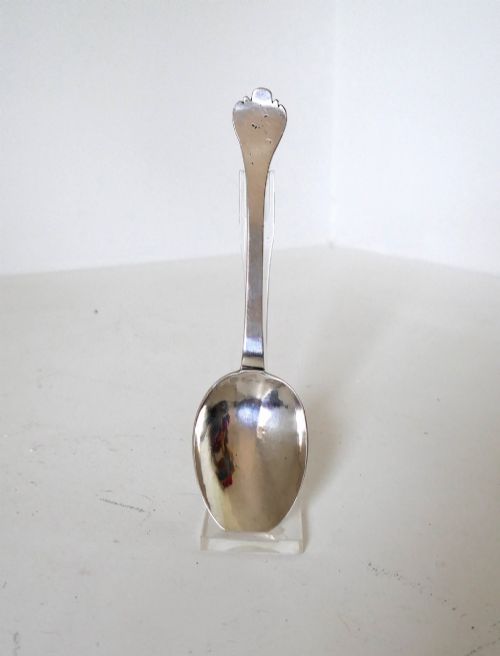
- An early form of flatware featuring a three-lobed trifid terminal handle popular in the late seventeenth century. This style often displays distinct upward bending at the top.
- Seal top
- A sixteenth or seventeenth-century spoon style ending in a cast baluster or seal ornament. These early survivals represent some of the earliest domestic silver available to collectors.
- Canteen
- A fitted chest or box containing a coordinated set of cutlery for multiple place settings. Oak and satinwood cases often house these comprehensive dining services.
English Silver Cutlery: Frequently Asked Questions
What is a trefid spoon?
A trefid spoon is an early dining implement characterised by a flat stem and a broad, three-lobed terminal end.
These pieces date predominantly to the late seventeenth century and often feature rattail reinforcement on the reverse of the bowl.
How do I date old cutlery?
Dating relies heavily upon the stamped hallmarks that indicate the assay office, date letter, and maker's mark.
Stylistic shifts in handle shape, such as the evolution from slip tops to trefid and old english patterns, also help determine the period.
What are grape shears used for?
Grape shears are specialised scissors designed specifically for harvesting individual portions of fruit from a larger bunch at the dining table.
Victorian and Edwardian examples often feature decorative cast handles in sterling silver or silver plate.
Are cased sets original?
Many cased canteens and fish sets were assembled or housed in fitted wooden chests during the Victorian and Edwardian eras.
Lined interiors of velvet or satin often correspond to the retailer or maker responsible for presenting the complete service.