
English Hall Table
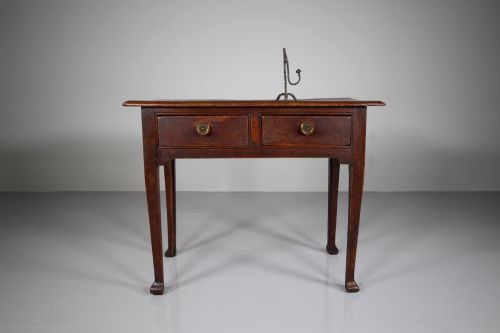
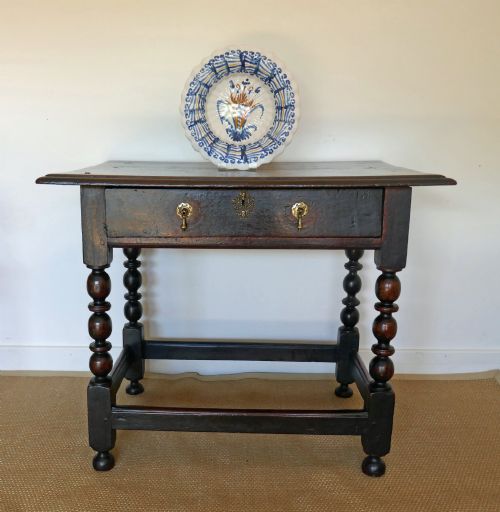
An English hall table serves as the primary surface for an entryway, spanning sturdy 17th-century oak designs to refined Georgian mahogany pieces.
English Hall Table
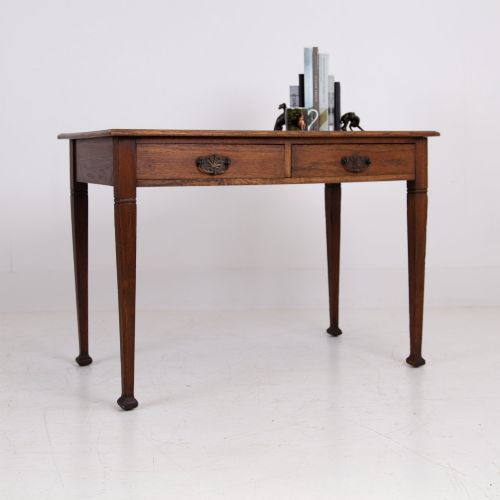
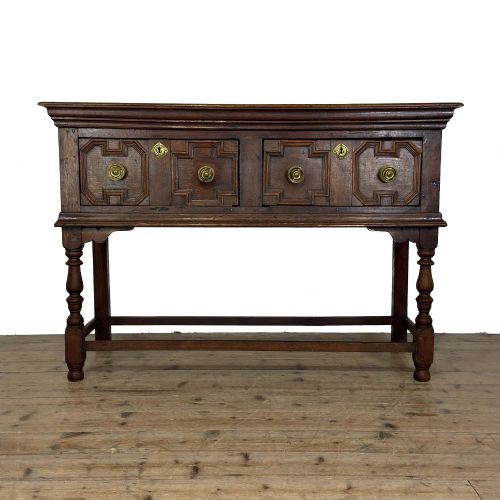
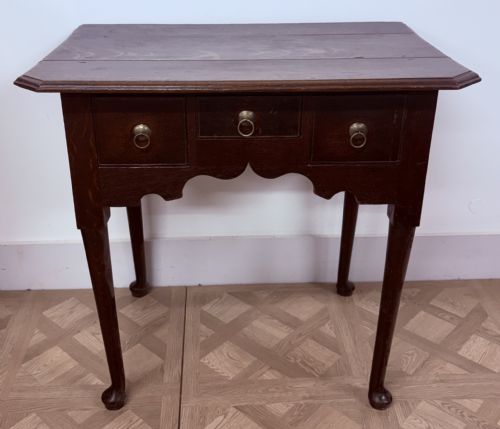
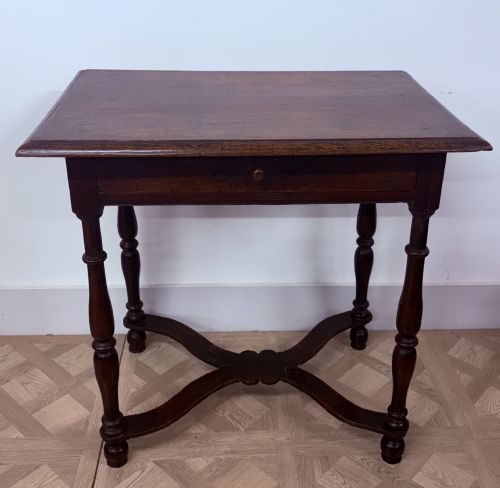
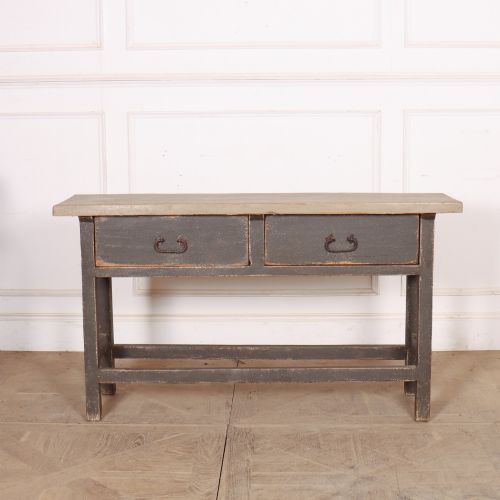
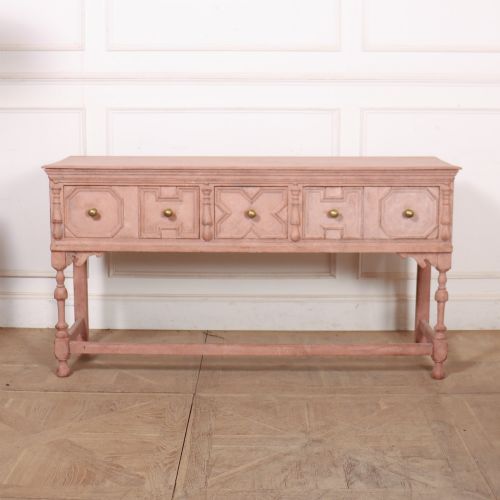
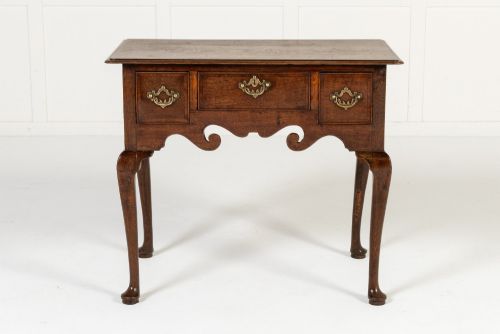
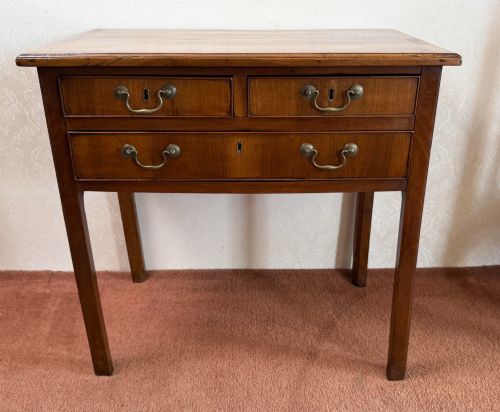
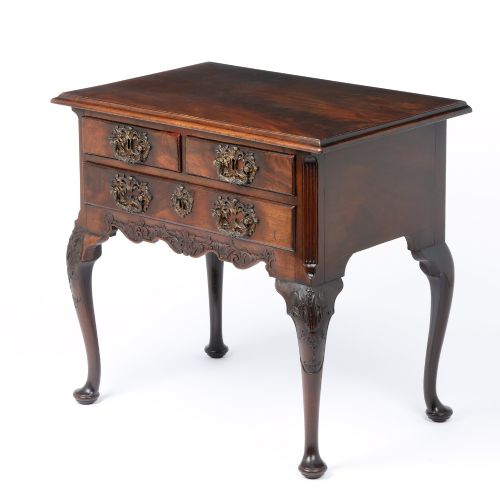
An English hall table encompasses a practical category of entrance furniture, drawing from side tables, lowboys, console tables, and dresser bases recorded across centuries.
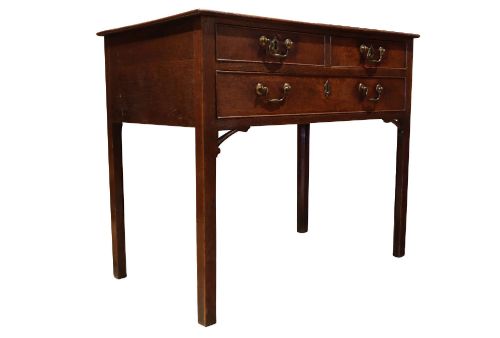
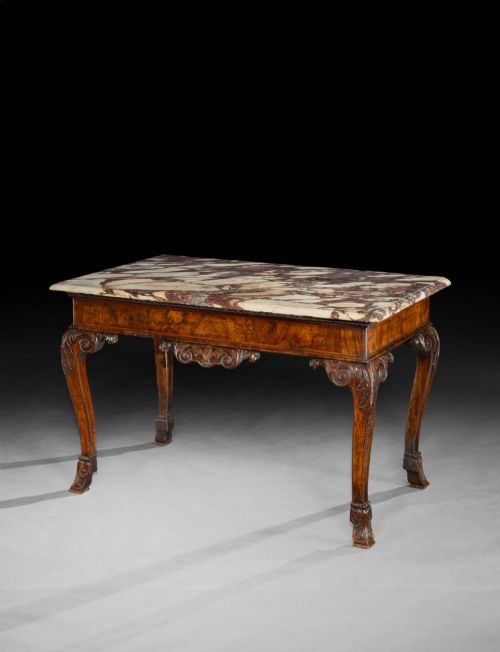
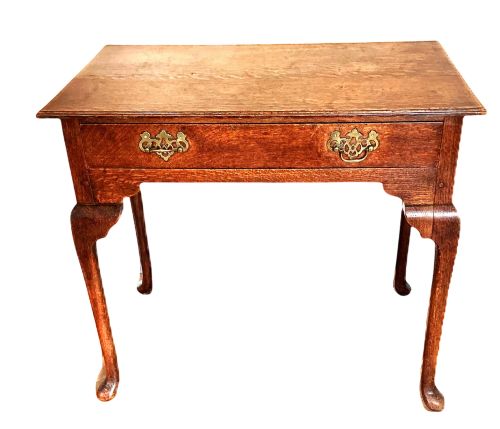
Buyers browsing this selection encounter pieces ranging from early provincial oak and fruitwood iterations to formal George III mahogany and Regency console tables designed for narrow spaces.
The prevailing formats on this page reflect traditional domestic utility, appearing frequently as lowboys with drawers or slender side tables tailored for narrow hallways and reception areas.
How They Were Made
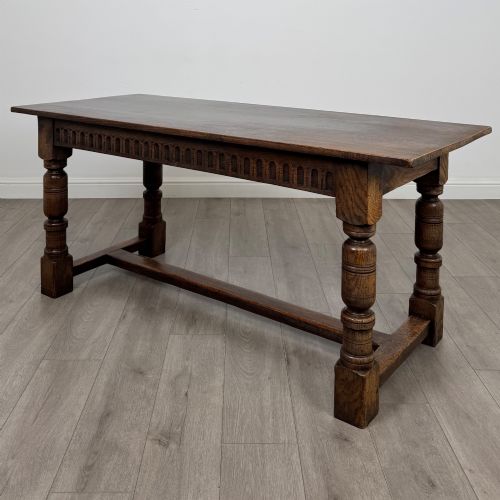
Cabinetmakers constructed these tables primarily in solid oak, mahogany, and walnut, frequently incorporating secondary timbers such as elm, ash, and pine for internal drawer framing and structural supports.
Joinery methods evolved from robust pegged mortise and tenon frames in seventeenth-century pieces to sophisticated dovetail joints on eighteenth-century drawer boxes and cross-banded veneers.
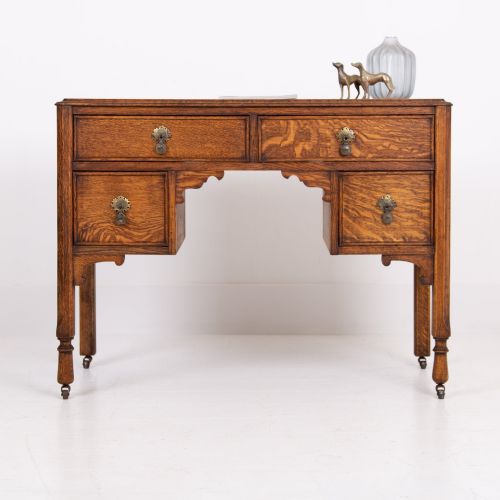
Several modest candle-maker and scholar desks hide inside this group, ready to hold modern keys.
What Varies in Quality
The standard of a piece rests on the integrity of its timber selection, where dense, well-figured oak, rich flame mahogany, or undisturbed fruitwood surfaces elevate the construction.
Proportion and execution define the hierarchy, distinguishing provincial, utilitarian pieces from finely carved George III or walnut examples possessing balanced drawer arrangements and crisp mouldings.
Hubert Simpson of Kendal·Maple and Co
The English Hall Table Glossary
- Lowboy
- A small table with one or more drawers, functioning historically as a dressing table or writing desk.
- Dresser base
- A heavy, low rectangular sideboard featuring multiple drawers and deep storage capacity beneath.
- Demi lune
- A half-moon shape typical of console and card tables designed to sit flush against a wall.
- Potboard
- An open lower shelf built into a dresser base for storing ceramics and heavy kitchen vessels.
English Hall Table: Frequently Asked Questions
What is a lowboy?
A lowboy is a compact table equipped with drawers, standing on slender legs.
Historically utilised for personal grooming or correspondence, they fit easily into modern hallways.
How do I date an oak table?
Dating relies on observing construction marks, timber grain, and joinery techniques.
Seventeenth-century examples display pegged joints and heavy oak frames, whereas later periods introduce refined veneers and machine-sawn components.
Where should I place a console table?
Console tables suit narrow corridors, entrance halls, and reception rooms.
Their shallow depth allows them to sit against walls without obstructing pathways while holding lamps or post.
What is the difference between mahogany and oak?
Oak is an indigenous British timber known for its coarse grain and durability, dominant in earlier centuries.
Mahogany arrived later from overseas, offering a dense, reddish-brown surface suited to formal Georgian designs.