






English Fusee Movement
An English fusee movement delivers an even power delivery through a cone-shaped pulley, ensuring exceptional timekeeping across centuries of precision horology.
English Fusee Movement
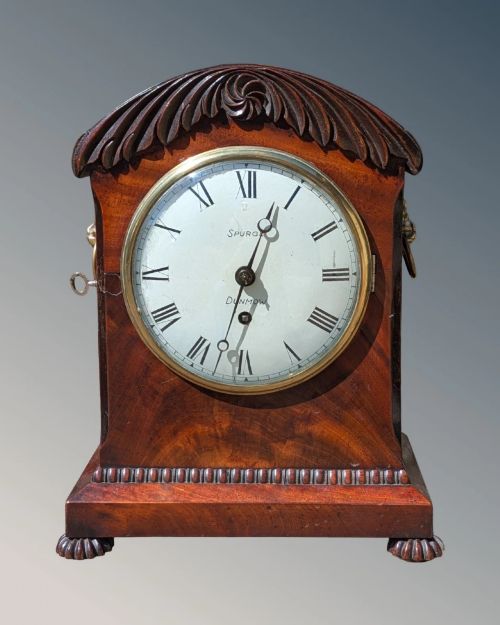
An English fusee movement represents a cornerstone of traditional horology, driving bracket clocks, mantel clocks and wall clocks across the Georgian, Regency and Victorian eras. These mechanical hearts use a conical pulley paired with a cord or chain to equalise the declining torque of the mainspring as it unwinds.
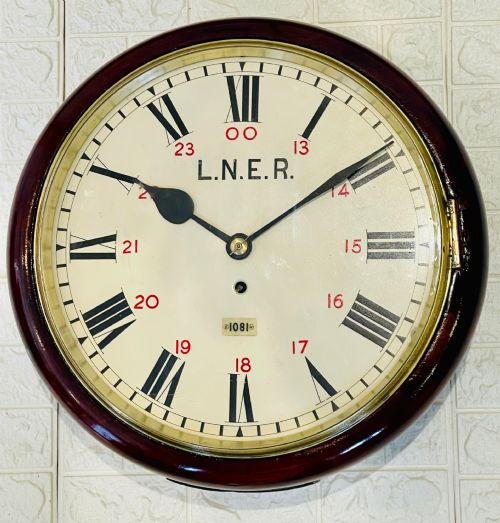
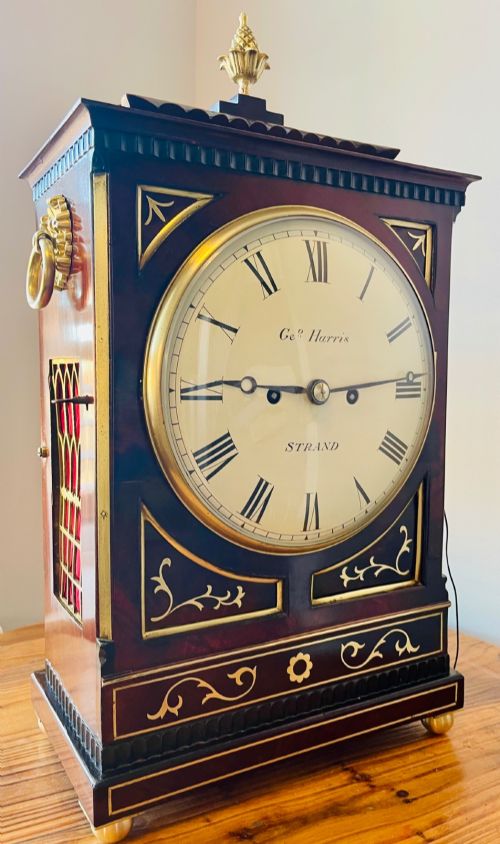
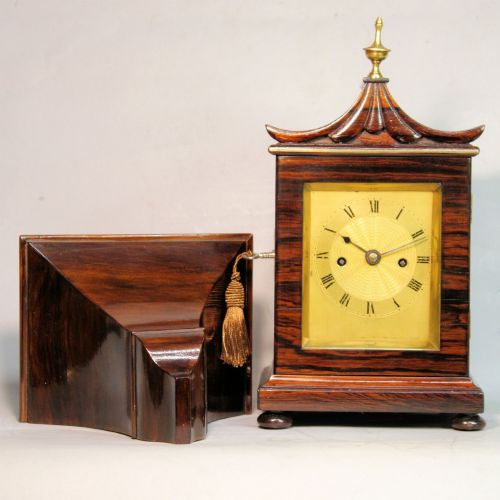
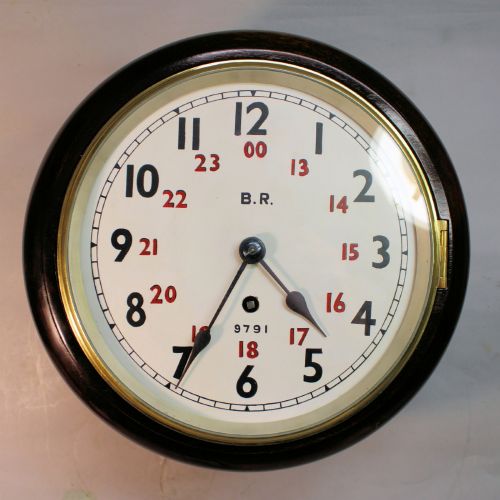
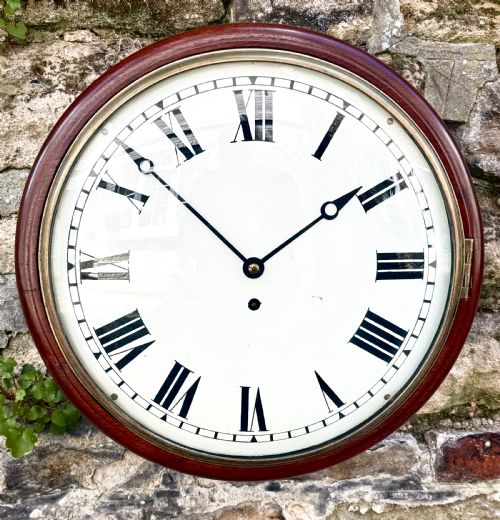
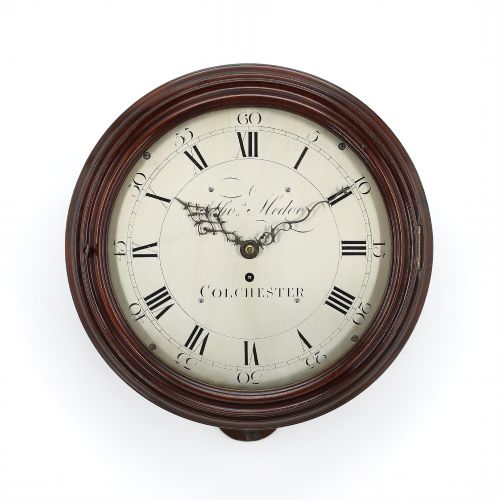
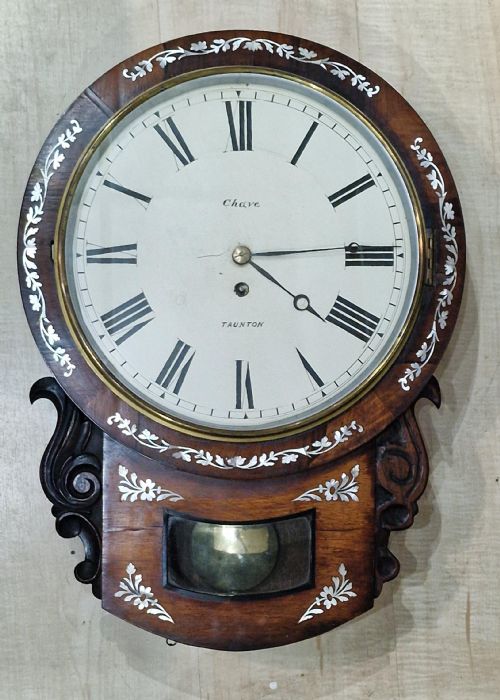
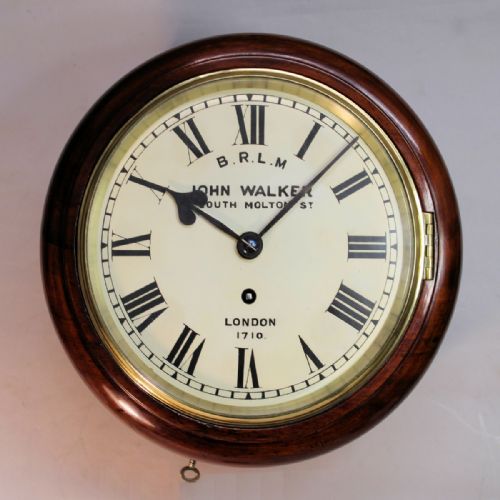
Buyers searching for an English fusee movement will most frequently encounter sturdy mahogany dial clocks and railway wall clocks dating from the nineteenth century. These robust timepieces range from simple single-fusee timepieces to complex twin-fusee striking variants housed in rosewood, oak or brass-mounted cases.
How they were made
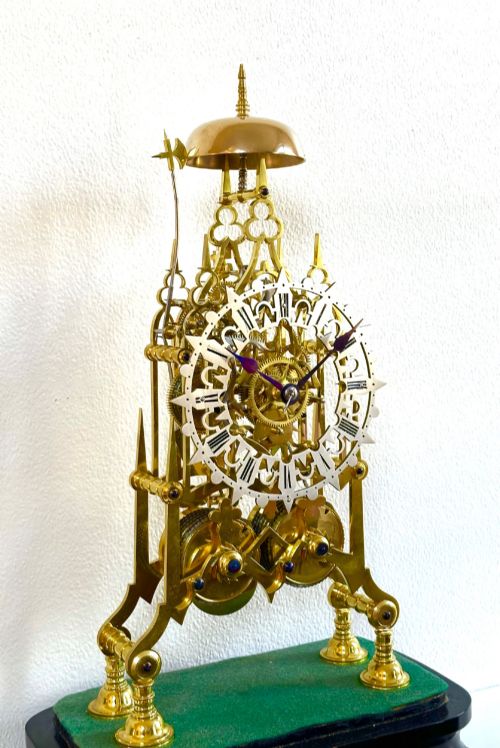
Clockmakers constructed these movements using durable brass plates, steel pivots and finely cut wheel work, housing them within substantial timber cases fashioned from mahogany, rosewood and oak. Glass panels protect delicate skeleton structures under domes, while brass and mother of pearl frequently embellish dial surrounds and interior fittings.
The defining mechanical element involves machining a spiral groove into the conical fusee drum to regulate mainspring tension precisely. Skilled artisans integrated verge or anchor escapements alongside heavy iron brackets and marble plinths to guarantee structural stability.
Listings feature robust nineteenth-century railway wall clocks alongside intricate skeleton clocks and mahogany bracket clocks housed in glass domes.
What varies in quality
The standard of an English fusee movement relies heavily on the crispness of the wheel cutting and the smoothness of the fusee cone's spiral grooves. Superior examples demonstrate minimal wear in the pivot holes and feature finely engraved backplates signed by the maker.
Case construction and secondary materials also dictate overall excellence, separating standard utility pieces from fine library or bracket clocks. High-grade specimens retain original glass, well-proportioned timber veneers and fully intact chain fusee mechanisms rather than cord replacements.
Thomas Hedge of Colchester·John Walker·William Payne·John Barwise·Phillips Brothers·Charles Raymond
The English Fusee Movement Glossary
- Fusee
- A conical pulley designed to equalise the driving force of a mainspring as it runs down. This ingenious mechanical device ensures consistent torque reaches the escapement.
- Bracket clock
- A portable timepiece traditionally placed upon a bracket or shelf. These often feature elaborate wooden cases and striking mechanisms.
- Drop dial
- A wall clock featuring a circular dial mounted above an extended wooden trunk or case. This design commonly housed longer pendulums and fusee movements.
- Skeleton clock
- A timepiece with an open framework that exposes the gear train and movement to view. They are frequently displayed beneath a protective glass dome.
- Verge escapement
- An early type of escapement mechanism controlling the release of the wheel train. It works in conjunction with a balance or pendulum.
English Fusee Movement: Frequently Asked Questions
How do I wind a fusee clock?
Wind the clock gently using the appropriate key inserted into the dial or side aperture, taking care not to over-wind the mainspring.
Ensure you follow the direction specified for that particular mechanism, supporting the case if it is a wall-mounted dial clock.
Why use a chain instead of a cord?
A fine steel chain offers superior strength and durability compared to traditional gut cord, preventing breakage under high tension.
Chain fusee setups were frequently utilised in precision marine chronometers and high-grade ships clocks where reliability was paramount.
Where were railway clocks placed?
Railway wall clocks with fusee movements hung prominently in station master offices, booking halls and platform junctions for exact scheduling.
Companies such as the L.N.E.R and G.W.R relied on these robust mahogany timepieces to maintain strict timekeeping across the network.
How do I date an English dial clock?
Examine the case timber, dial materials, and the shape of the bezel or hands to determine the approximate decade of manufacture.
Signatures engraved on the brass backplate or painted on the dial often point to specific makers active during the Georgian or Victorian periods.