

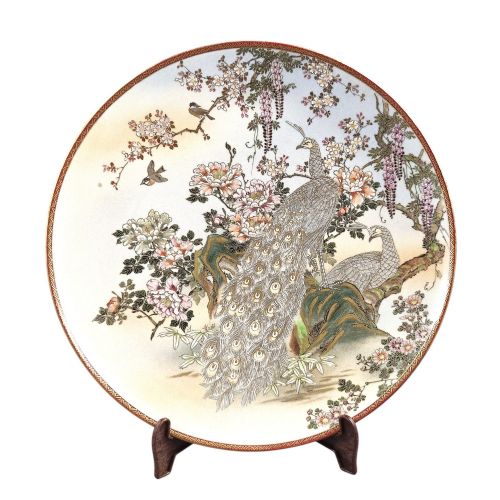


Enamel Wall Plate
An enamel wall plate brings substantial decorative impact to a room through vibrant surface work and broad proportions.
Enamel Wall Plate
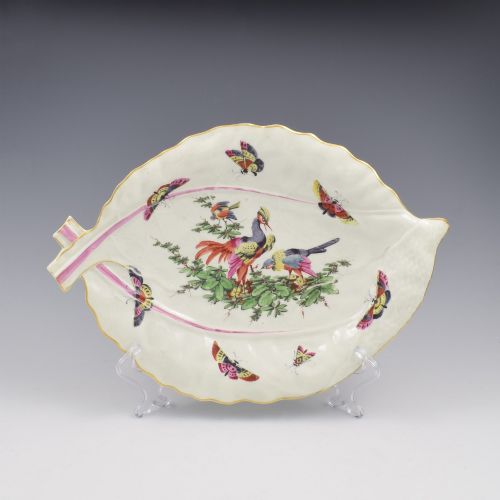
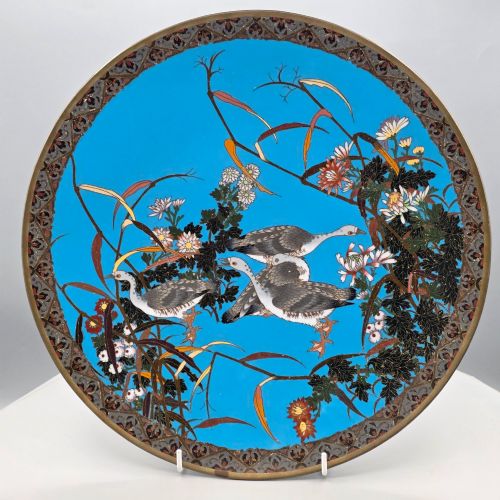
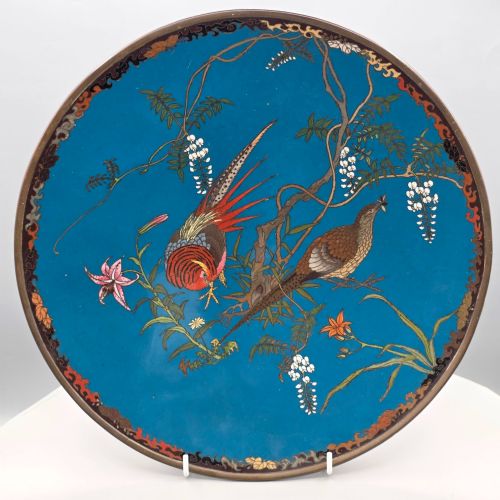
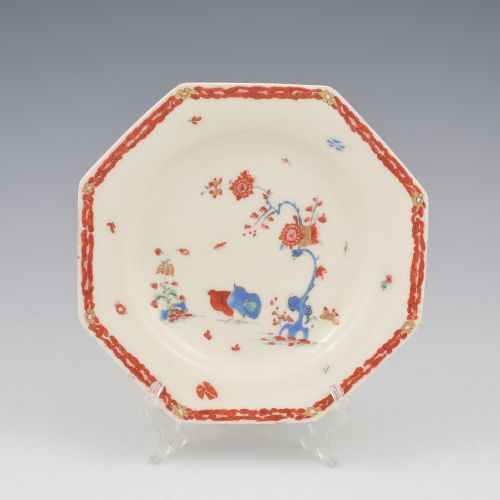
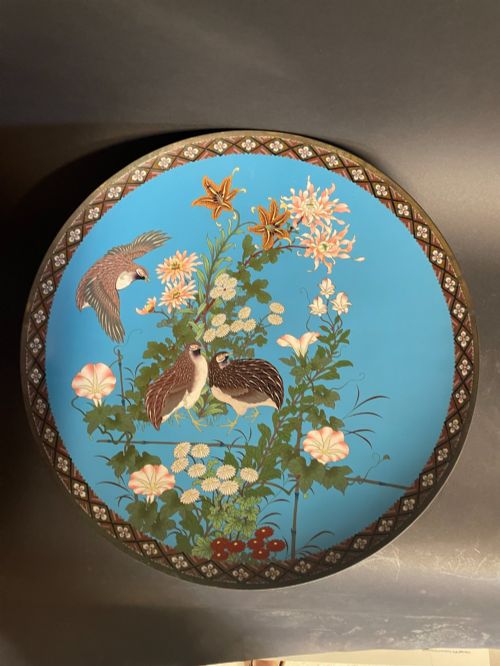
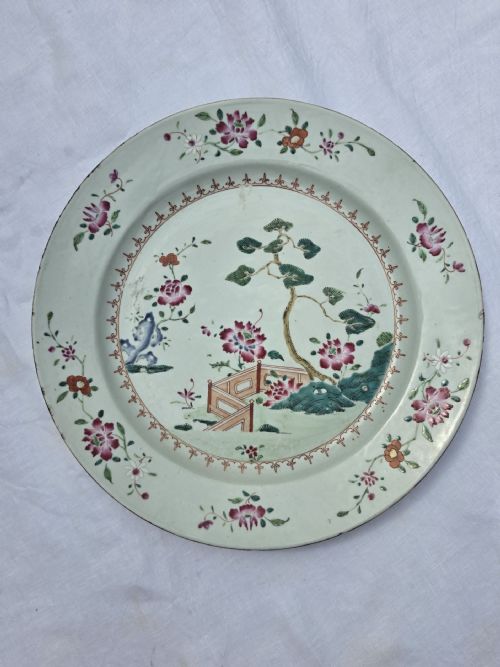
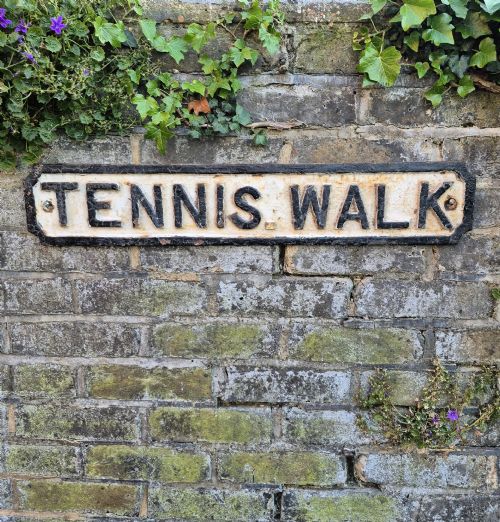
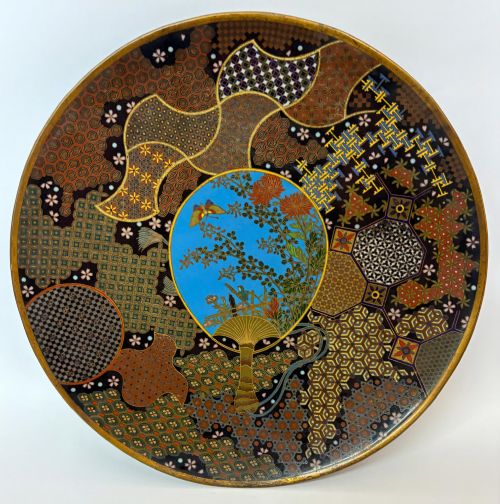
When you search for an enamel wall plate, you encounter wide chargers, decorative plaques, and heavy dishes designed primarily for display rather than dining. The selection draws heavily from Japanese Meiji period cloisonne and Chinese export porcelain, alongside European porcelain and metal street signs.
The pieces span multiple centuries, with significant representation from the late nineteenth century and earlier periods like the eighteenth century. Forms range from medium plates to large chargers measuring over thirty centimetres across, often utilising brass, copper, or ceramic as a base.
How they were made
Enamel work frequently involves applying vitreous glass paste onto metal bases such as copper or brass, secured with thin metal wire partitions known as cloisonnes. Once fired, the surface undergoes extensive grinding and polishing to achieve a smooth finish.
Porcelain variants incorporate hand-painted pigments, sometimes enhanced with gold leaf, famille rose enamels, or moulded moriage relief work before secondary firing in kilns.
Listings feature copper and brass bases alongside porcelain bodies, reflecting diverse manufacturing traditions from Japan, China, and Europe.
What varies in quality
The refinement of the wirework and the complexity of the pictorial subject matter dictate the standing of a cloisonne piece, with masterworks displaying intricate natural scenes or mythical figures without pitting in the enamel. Precision in symmetry and depth of colour separate standard production items from exceptional workshop creations.
Porcelain examples depend on the crispness of the hand-painted brushwork and the stability of the glaze across large surface areas during high-temperature kiln firing.
Dr Wall·Meizan
The Enamel Wall Plate Glossary
- Cloisonne
- Enamel decoration technique where metal wire forms small compartments on a metal base to hold coloured glass paste before firing. This method allows for highly detailed pictorial designs.
- Totai Shippo
- Japanese technique applying cloisonne enamel directly onto a porcelain or ceramic body rather than metal. This creates a distinct hybrid texture combining ceramic weight with wirework.
- Charger
- A large decorative plate traditionally utilised for display or ceremonial purposes rather than everyday table service. These pieces usually exceed thirty centimetres in diameter.
- Famille Rose
- Chinese porcelain palette featuring an opaque pink or rose enamel introduced during the Qing dynasty. The style permits subtle tonal gradations in floral and figural motifs.
- Moriage
- Japanese ceramic decoration technique applying slip in raised dots or lines to create a textured, three-dimensional surface relief. This effect frequently highlights foliage and garments.
Enamel Wall Plate: Frequently Asked Questions
How were enamel wall plates displayed historically?
Large chargers and decorative plates were traditionally mounted on walls using specialised wire hangers or set upon sideboard ledges to showcase artistic skill and wealth.
Domestic interiors utilised these wide formats to introduce colour and pattern into reception rooms and formal dining spaces.
What is the difference between cloisonne and painted enamel?
Cloisonne relies on metal wires soldered to a base to separate individual fields of coloured glass paste, creating a distinct cell-like grid. Painted enamel applies pigments directly onto a smooth prepared metal surface without wire partitions.
Both techniques require high-temperature kiln firing to vitrify the glass materials.
How do I identify Meiji period enamel work?
Meiji period pieces often display dense, naturalistic motifs including birds, dragons, and floral arrangements executed with exceptional technical precision. Copper bases and distinct wirework patterns are characteristic of this prolific era of Japanese metalwork.
Signatures or workshop stamps can occasionally be found on the base or reverse rim.
Are these plates suitable for daily use?
These pieces are intended primarily as decorative wall art or display objects rather than functional tableware. Surface enamels and delicate wire partitions can be vulnerable to scratching or thermal shock from hot foods.
Careful handling and secure wall mounting preserve the integrity of the antique materials.