


Edwardian Wood Coffee Table
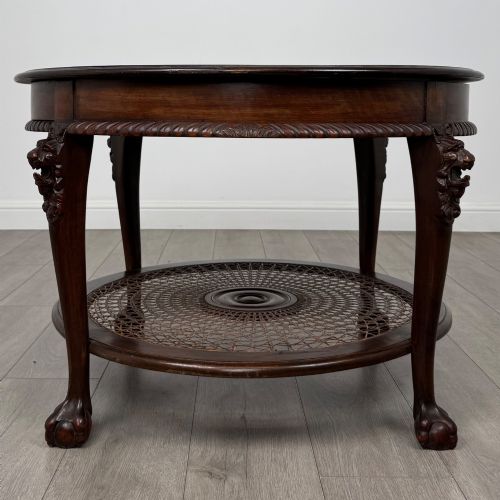
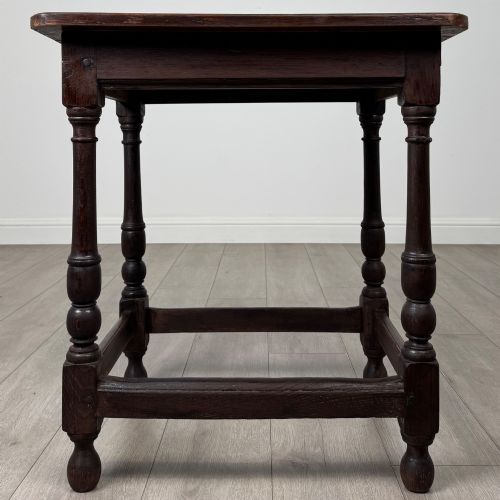
When you handle an edwardian wood coffee table, you find pieces built from mahogany, oak, and satinwood that serve living spaces with practical elegance.
Edwardian Wood Coffee Table
When searching for an edwardian wood coffee table, buyers encounter diverse forms ranging from nests of tables and side tables to occasional pieces and butlers trays. The pieces originate primarily from the Edwardian era, alongside Victorian, Regency Revival, and early twentieth-century periods.
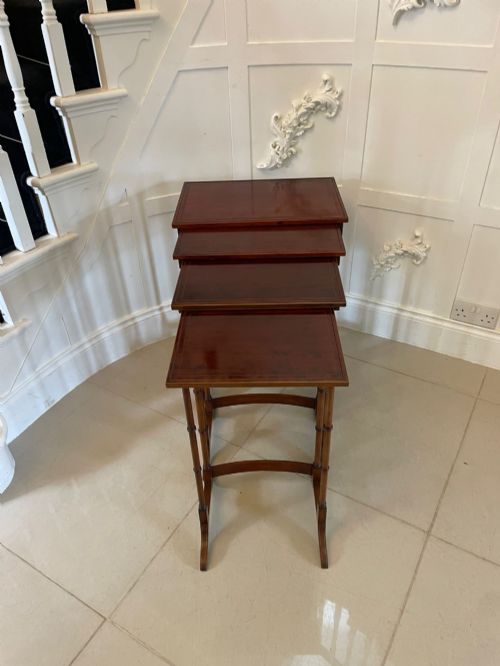
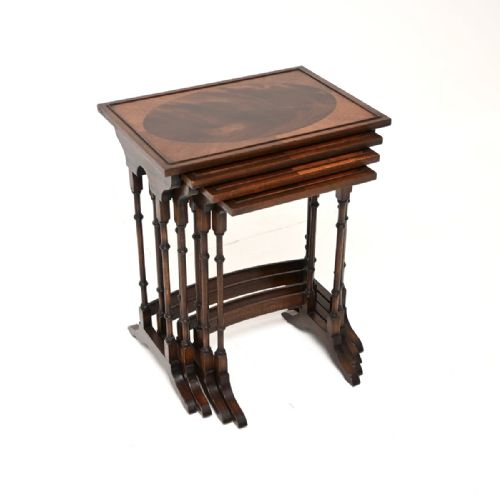
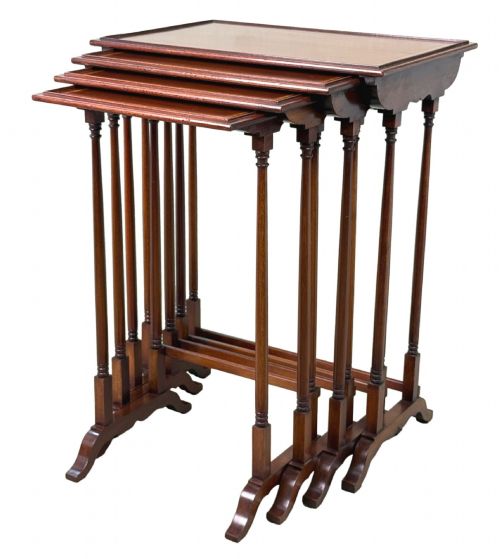
Nests of tables form a large share of the available objects, often constructed in sets of three or four known as quartetto tables. These versatile items fit neatly beneath one another when floor space is at a premium.
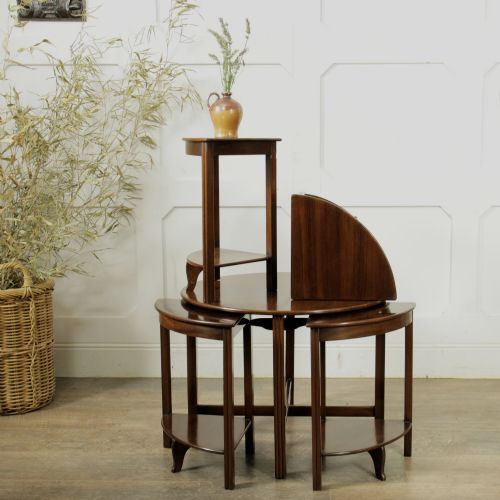
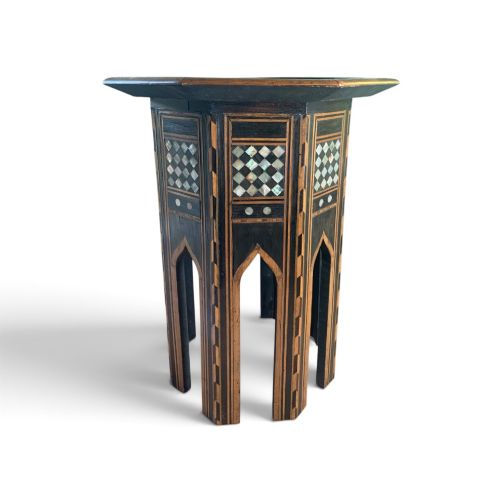
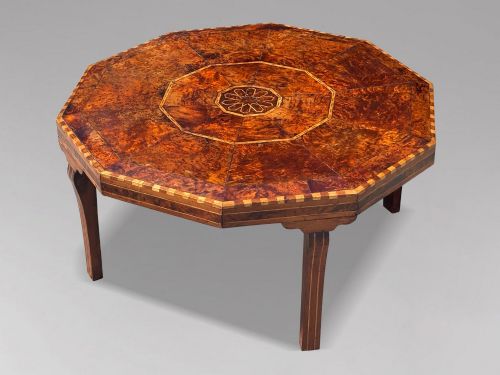
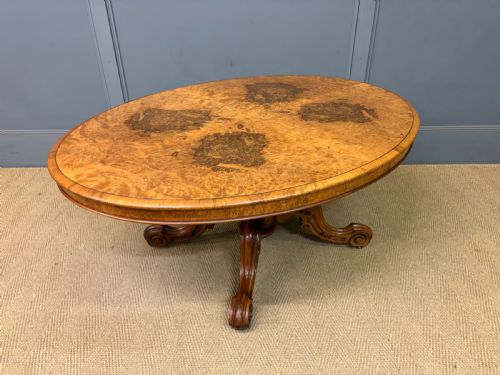
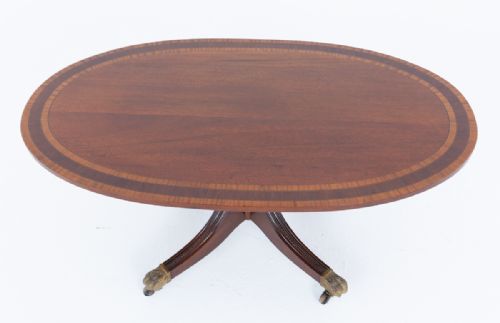
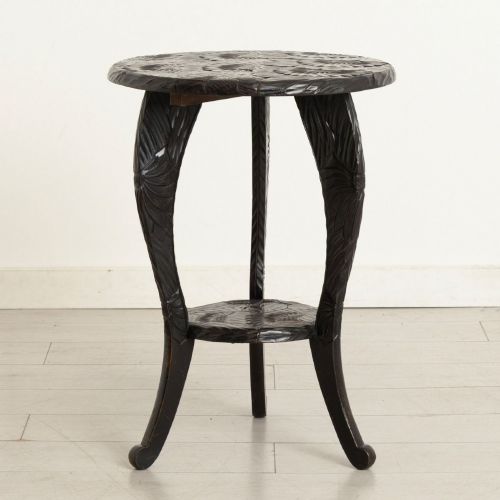
Single occasional and side tables provide alternative surfaces, shaped in circular, oval, hexagonal, or rectangular formats. Craftsmanship spans simple rustic oak to intricately inlaid satinwood and rosewood designs.
How they were made
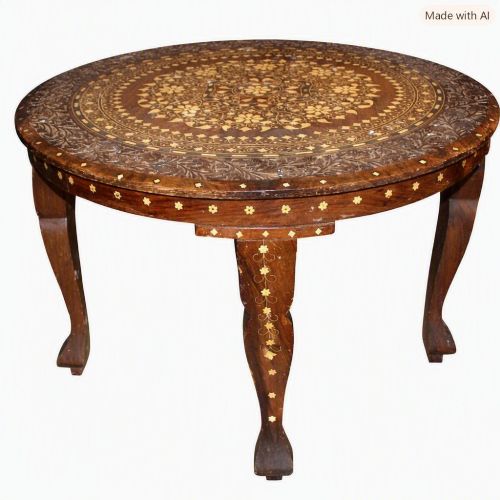
Cabinetmakers utilised solid timbers and decorative veneers, selecting mahogany, oak, walnut, rosewood, and satinwood for framing and surface displays. Brass hardware, boxwood stringing, and carved bone inlays frequently accent the primary woods.
Joinery techniques include traditional turning for table legs and precise inlay work such as oyster veneering and contrasting wood banding. Hand-carved detailing appears on specific regional styles, including Anglo-Indian and Moorish pieces.
Listings feature mahogany, oak, rosewood, walnut, satinwood, brass, and boxwood across Edwardian and Victorian periods.
What varies in quality
The refinement of timber selection and inlay work dictates the distinction between standard production and top-tier examples. Finer pieces incorporate choice satinwood, burr walnut, or elaborate bone marquetry rather than plain utility woods.
Structural integrity relies on the precision of the joints and the preservation of original surfaces. Tables that retain crisp carving, secure leg turnings, and intact veneer schemes stand apart in craftsmanship.
Liberty & Co
The Edwardian Wood Coffee Table Glossary
- Quartetto
- A matched set of four nesting tables designed to slide neatly one beneath another. This space-saving format gained popularity during the late nineteenth and early Edwardian periods.
- Oyster veneer
- Circular or oval wood sections cut transversely from small branches to create a pattern resembling oyster shells. Cabinetmakers applied this technique to distinctive tabletop surfaces.
- Butlers tray
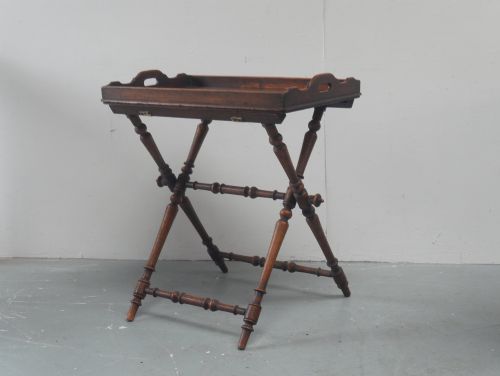
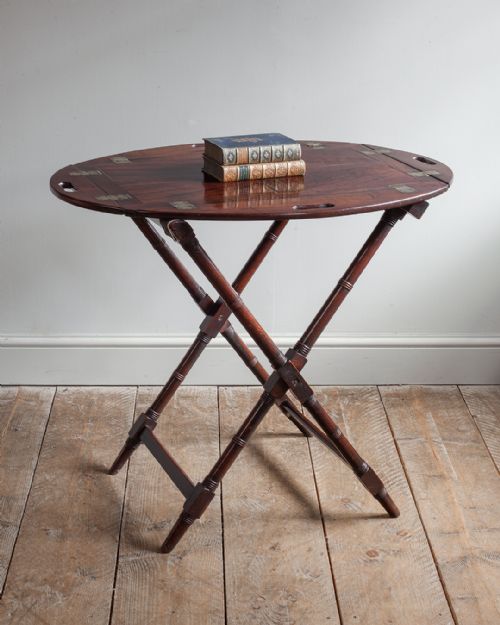
- A portable wooden tray with hinged or fixed sides, traditionally lifted off its folding stand for serving. Many examples now function low down as coffee tables.
- Satinwood
- A durable hardwood featuring a lustrous, golden-yellow sheen used extensively for fine inlay and banding on Edwardian furniture.
Edwardian Wood Coffee Table: Frequently Asked Questions
What is a quartetto table?
A quartetto table is a set of four nesting tables designed to fit progressively smaller under one another. They provide multiple surfaces that pack away into the footprint of a single table.
Cabinetmakers built these sets in mahogany, satinwood, and rosewood, often featuring inlaid borders. They served drawing rooms for tea and writing.
How do I use a butlers tray?
A butlers tray sits upon a folding wooden stand to serve drinks or food. In modern rooms, the tray and stand combine to create a low surface with raised edges.
Many examples feature hand grips cut into the sides for carrying. The stand collapses flat when storage is needed.
What woods are typical for Edwardian tables?
Edwardian tables most commonly feature mahogany, oak, satinwood, and rosewood. Cabinetmakers frequently paired these primary timbers with boxwood stringing and brass details.
Burr walnut and yew wood also appear on select occasional tables. The choice of timber usually reflects the formality of the room the table was made for.
Are nesting tables sturdy?
Nesting tables rely on precise dimensions and joint construction to remain stable during daily use. The smaller tables fit snugly within the frame of the largest piece.
Well-made examples handle routine placement of cups and books without wobble. Regular use benefits from lifting each table carefully rather than sliding them roughly.