
Vintage Mahogany Tier Table
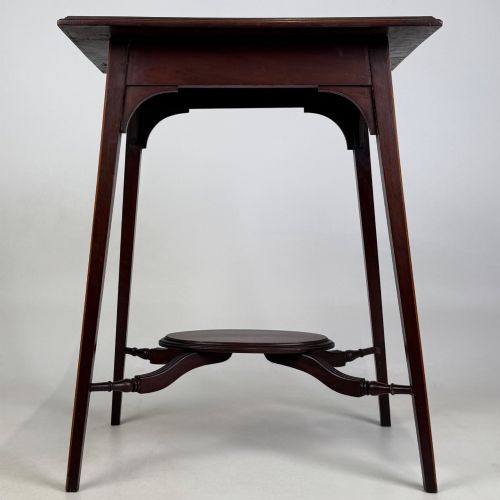
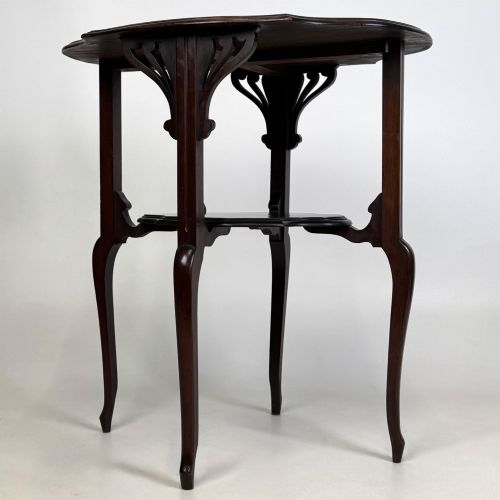
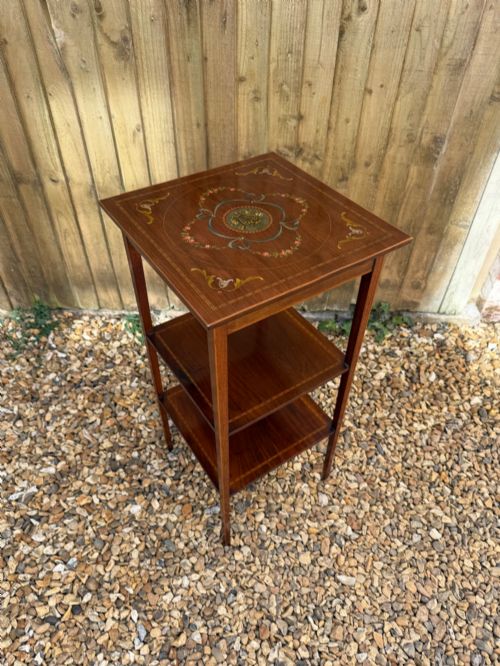
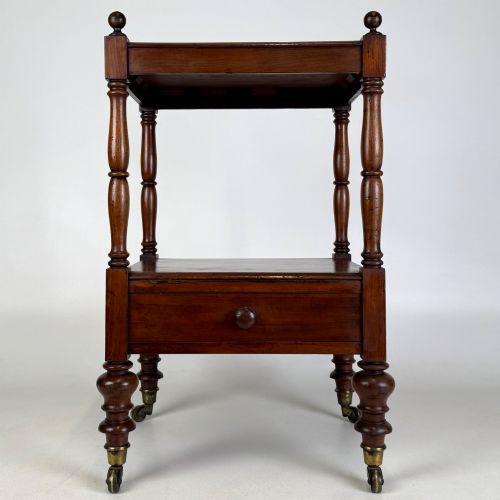
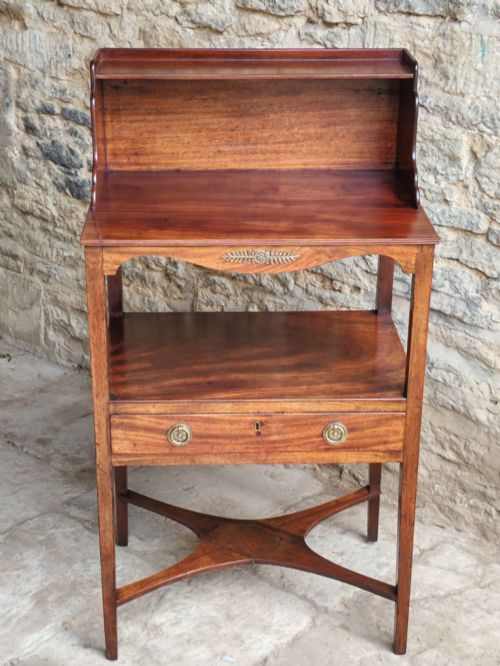
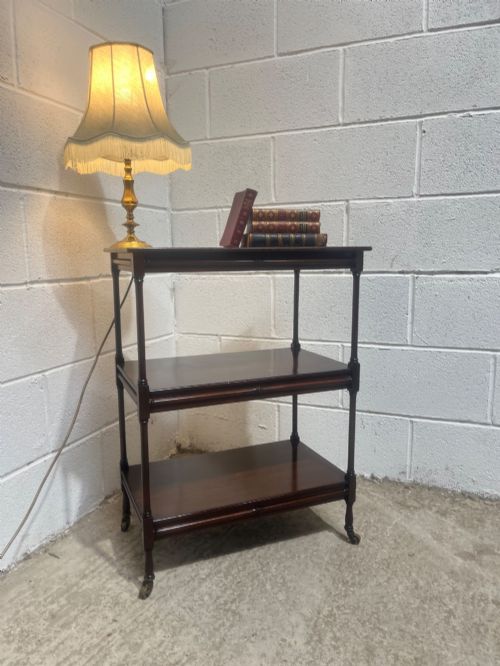
A vintage mahogany tier table offers multiple surfaces for display, drawing on Georgian, Victorian, and Edwardian forms.
Vintage Mahogany Tier Table
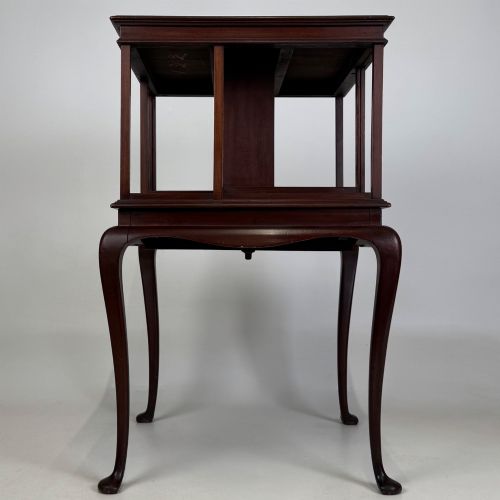
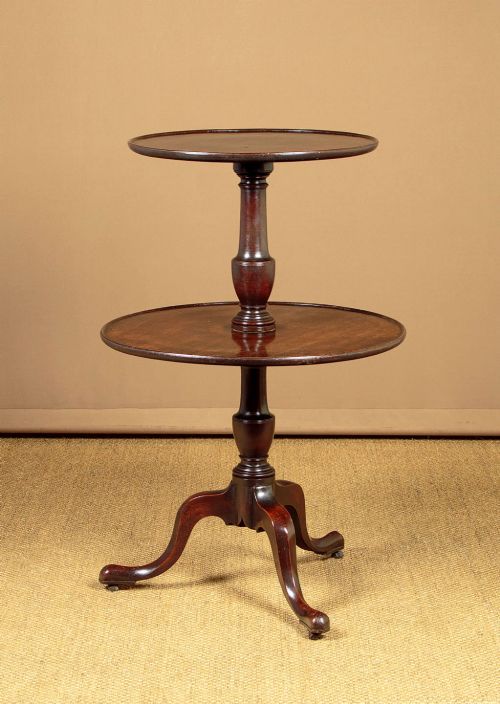
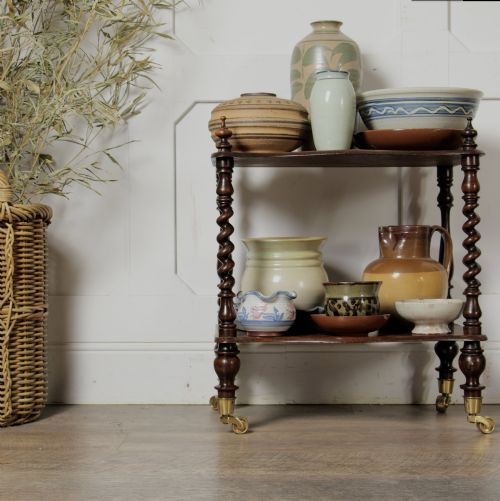
A vintage mahogany tier table encompasses pieces designed with multiple surfaces, including dumb waiters, etageres, and tea trolleys. These items appear across periods spanning the eighteenth century through to the nineteen-thirties, with Edwardian and Victorian examples forming a large portion of what meets the eye.
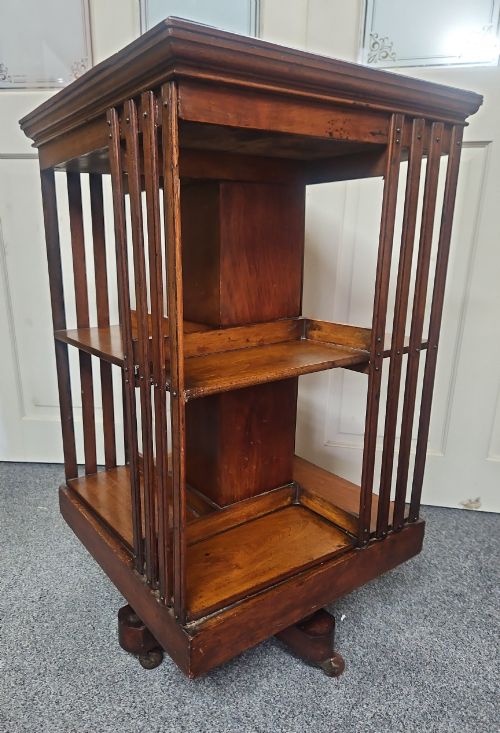
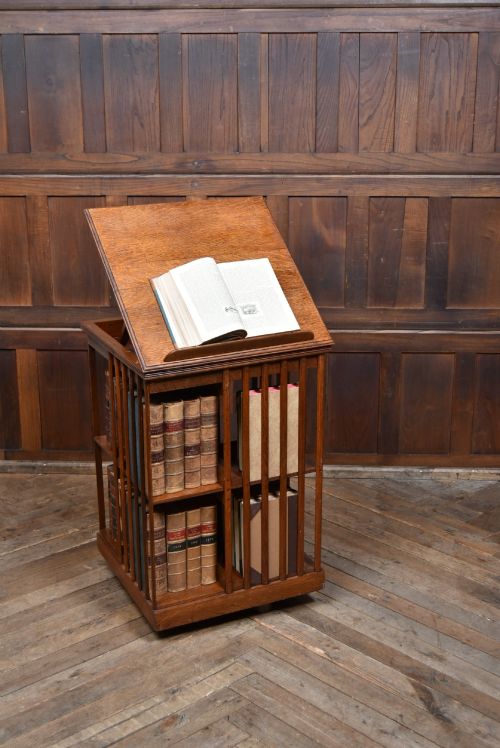
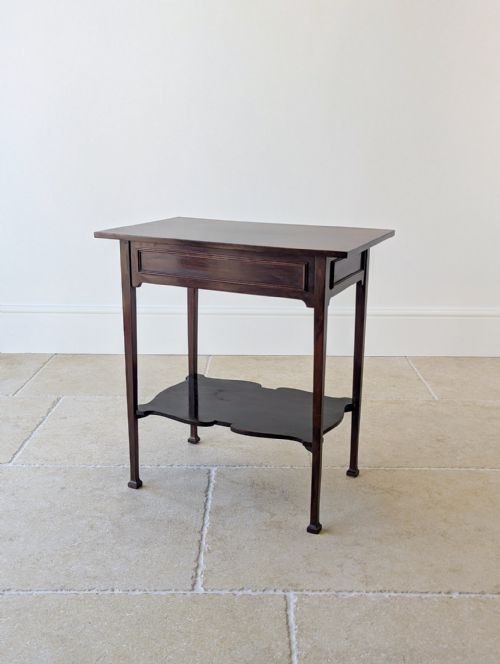
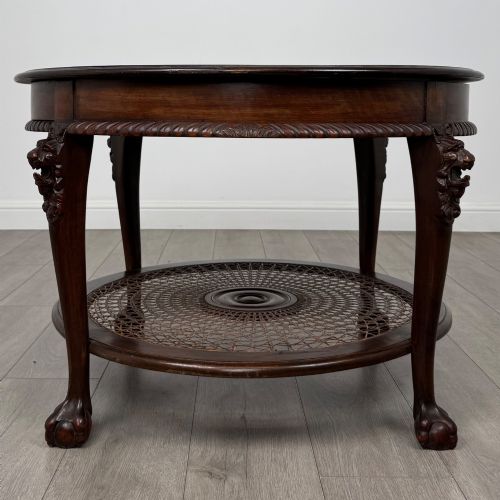
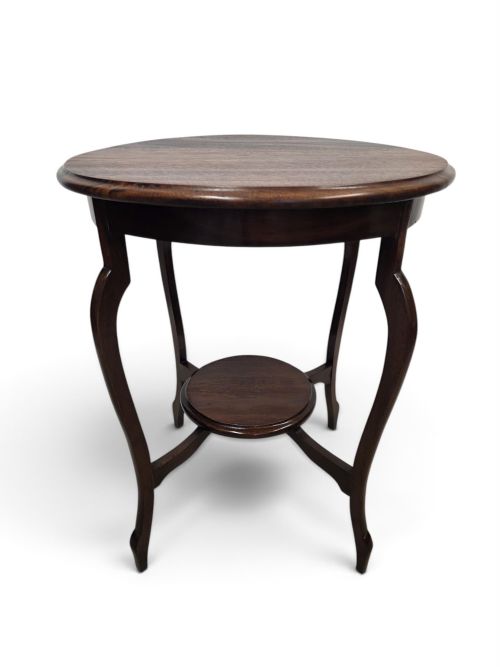
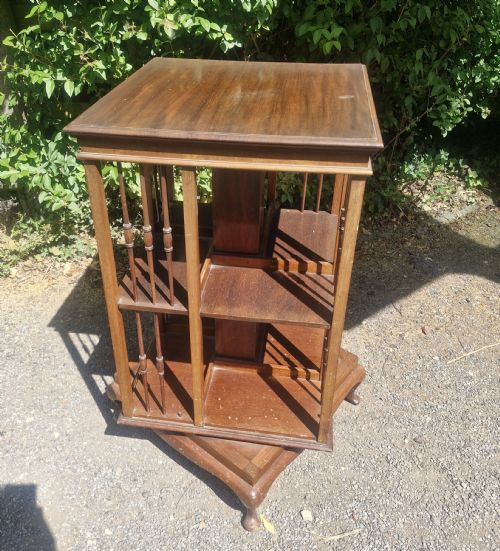
The selection ranges from occasional tables and bedside stands to revolving bookcases and nesting tables. Buyers encounter forms rooted in Georgian practicality and later revival styles such as Sheraton, Chippendale, and Regency.
Makers and manufacturers adapted these multi-level designs for domestic use in drawing rooms, libraries, and bedrooms. The structural arrangement prioritises vertical display space over a single expansive tabletop.
Quality and Construction
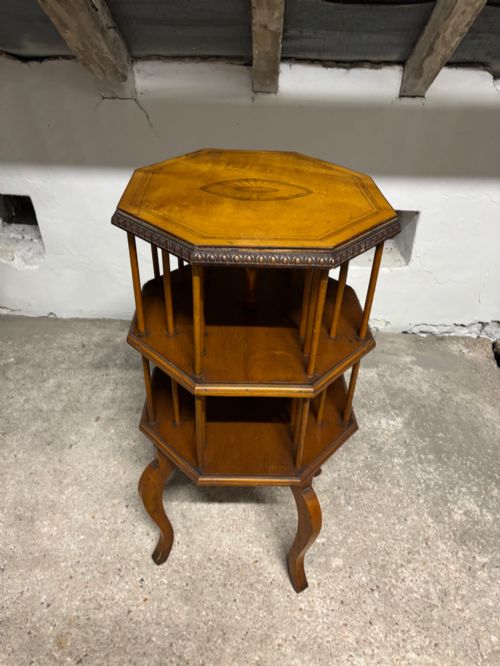
The degree of craftsmanship shows in the selection of the timber grain, particularly where flame mahogany veneer is utilised on prominent tiers. Superior execution involves precise inlay work, tight joinery, and the integration of substantial turning or carved detail.
Proportion and stability separate standard utility pieces from finer examples designed for formal reception rooms. The integration of functional hardware, such as smooth-turning bookcase actions or robust castors, marks the distinction in grade.
Listings feature mahogany tier tables spanning the Georgian, Victorian, and Edwardian eras, incorporating satinwood inlay and brass hardware.
The Vintage Mahogany Tier Table Glossary
- Dumb waiter
- A multi-tiered stand used traditionally for holding dishes or books without servant assistance. These tiered structures date from the Georgian period onward.
- Etagere
- A piece of furniture consisting of a set of open shelves for displaying small objects. The form provides several stacked platforms in an open framework.
- Satinwood
- A durable, yellowish-brown hardwood utilised for fine cabinet work and contrasting stringing. Craftsmen employ it frequently for inlay patterns on darker mahogany surfaces.
- Ormolu
- Gilded bronze used for decorative mounts on furniture, seen on select nineteenth-century pieces. This metallic enrichment accentuates the corners and borders.
Vintage Mahogany Tier Table: Frequently Asked Questions
What is a tier table used for?
These tables provide stacked surfaces that hold books, lamps, and decorative objects while taking up minimal floor space. Their multiple levels serve practical functions in sitting rooms and studies.
Historically, specific tier formats like dumb waiters assisted with serving meals or holding reading materials within arm's reach. Today, owners utilise them to display collections or organise daily essentials.
How do I identify an Edwardian tier table?
Edwardian pieces often feature lighter timber framing, satinwood inlay, and refined proportions inspired by earlier Georgian aesthetics. Revolving bookcases and small occasional stands dominate this era.
The manufacturing style reflects early twentieth-century domestic trends favouring movable, versatile furniture. Look for crisp inlay work and slender turned supports characteristic of the period.
Are these tables sturdy enough for daily use?
Solid mahogany construction and heavy central pillars provide the structural integrity needed for everyday placement. Fixed tier designs offer dependable stability for holding lamps and heavy volumes.
Revolving stands and multi-layered trolleys require consideration of weight distribution across the levels. Proper placement on level flooring ensures safe, long-term use in a home.
What is flame mahogany?
Flame mahogany refers to a distinctive wood veneer figure that displays a pattern resembling flickering flames. Cabinetmakers selected this cut for prominent table tops and tier surfaces to create visual depth.
This decorative grain occurs at the junction where branches join the main tree trunk. Its presence usually indicates a higher grade of furniture manufacturing.